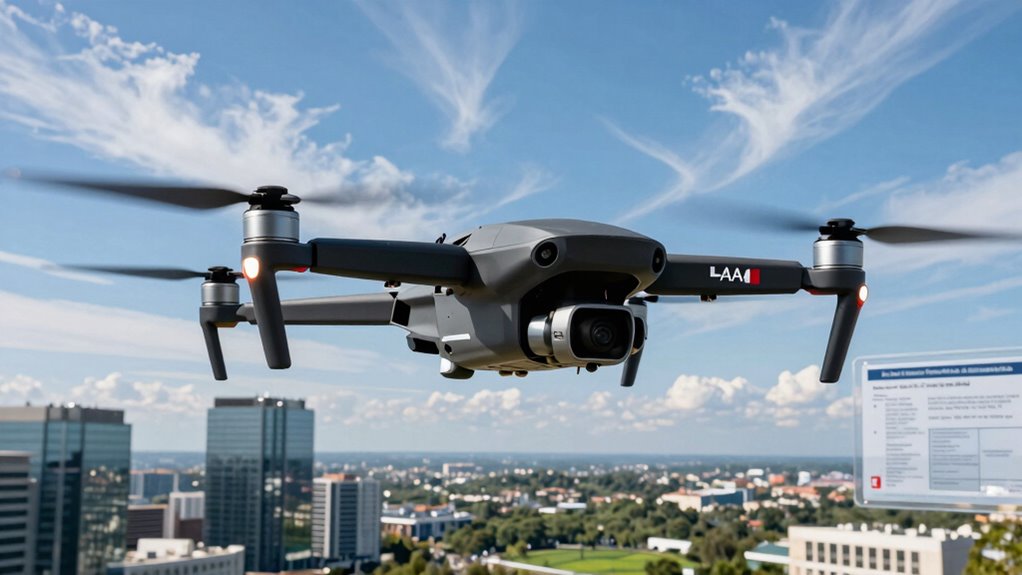

Before taking to the skies, you need to understand federal drone laws, including registration requirements for drones over 0.55 pounds, and be aware of local and state restrictions like no-fly zones or privacy laws. Recognize different airspace classifications, follow safe altitude and distance rules, and distinguish between recreational and commercial use. Staying compliant involves using resources and updates, so you fly responsibly and avoid penalties. Keep exploring for more essential tips to keep your flights legal and safe.
Key Takeaways
- Register drones over 0.55 pounds through the FAA and renew registration every three years.
- Follow federal, state, and local regulations, including restricted airspace and privacy laws.
- Maintain visual line of sight, stay below 400 feet, and avoid flying near airports or crowds.
- Respect property rights and obtain landowner permission before flying over private property.
- Ensure proper drone maintenance and stay updated on legal changes through community resources.

EVEO Screen Cleaner Spray - Large Screen Cleaner Bottle - TV Screen Cleaner, Computer Screen Cleaner, for Laptop, Phone, Ipad - Computer Cleaning kit Electronic Cleaner (1 Pack)
Screen Cleaner is Your Screen’s New Bestfriend! - EVEO is proud to present a screen cleaner that’s perfectly...
As an affiliate, we earn on qualifying purchases.
Understanding Federal Regulations for Drone Use
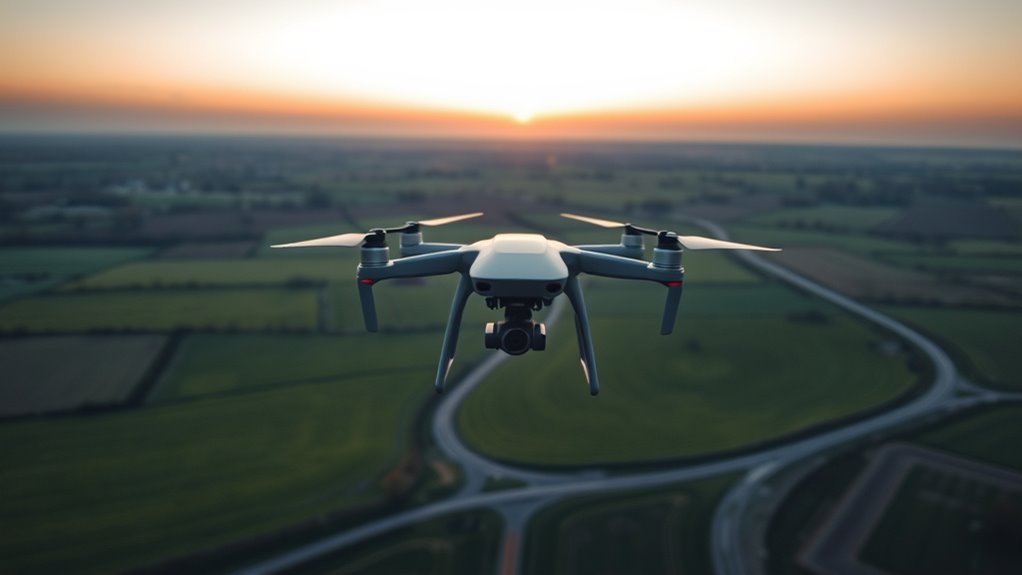
Understanding federal regulations for drone use is essential because these rules set the foundation for safe and legal flying across the country. As a drone operator, you need to be aware of requirements around drone insurance, which helps protect you and others in case of accidents. Federal guidelines also emphasize proper drone maintenance to ensure your aircraft remains safe and reliable during flight. Staying compliant means regularly checking your drone’s condition and understanding restrictions on altitude, airspace, and flight hours. These regulations are designed to prevent accidents and protect privacy. By following federal rules, you avoid penalties and demonstrate responsible drone operation. Knowing the importance of drone insurance and maintenance keeps you prepared and helps you enjoy your flying experience within legal boundaries. Additionally, adopting innovative European cloud servers can enhance data security and operational efficiency for drone management systems. Furthermore, understanding airspace classifications is crucial for planning safe flight paths and avoiding restricted zones. For comprehensive compliance, operators should also stay informed about evolving regulations and remote pilot certification, which is an essential aspect of professional drone operation to ensure legal operation at all times.

iO CLEAN Screen Cleaner Spray (16oz - 473ml) – Best Large Cleaning Kit
Screen cleaner spray and cloth. Screen cleaner spray and cloth are designed for high-end devices and work flawlessly...
As an affiliate, we earn on qualifying purchases.
Registering Your Drone: When and How to Do It
Ever wondered when you need to register your drone? If your drone weighs more than 0.55 pounds (250 grams) and less than 55 pounds (25 kilograms), you must complete drone registration with the FAA before flying outdoors. This process guarantees legal compliance and helps authorities identify drone owners if needed. To register, visit the FAA’s official website, create an account, and pay a small fee. You’ll receive a registration number that must be marked on your drone. Registration is valid for three years, so remember to renew it when necessary. Failing to register your drone when required can result in fines and other penalties. Registering your drone is a simple step that keeps you compliant with federal regulations and helps promote safe, responsible flying. Additionally, understanding the home theatre projectors specifications ensures you select the right equipment for your setup. Being aware of the vetted information about drone laws can help prevent inadvertent violations and ensure your flying activities remain within legal boundaries. Paying attention to body piercing aftercare and hygiene practices can also help prevent complications and infections during healing. Knowing local regulations related to drone use can further help you avoid unexpected legal issues, especially since electric bikes are gaining popularity for their convenience and eco-friendliness.

Screen Cleaner Spray 16oz (4oz x 4 Pack) - TV & Computer Screen Cleaner with 2 Microfiber Cloths for Multiple Devices
Quality Screen Care Kit: The kit includes 4 bottles of tv screen cleaner for smart tv and 2...
As an affiliate, we earn on qualifying purchases.
Airspace Classifications and Restrictions
Once you’ve registered your drone, it’s important to know where you can legally fly it. Understanding airspace classification helps you stay compliant and safe. Different types of airspace, such as controlled and uncontrolled zones, come with varying rules. You should be aware of restricted zones where drone flight is prohibited or limited. These zones often include near airports, military bases, or national security areas. Flying in these areas without permission can lead to hefty fines or penalties. Here’s what you need to keep in mind:
- Controlled airspace requires prior authorization for drone flights
- Uncontrolled airspace generally allows more flexibility
- Restricted zones are off-limits unless you have special clearance
Knowing these classifications keeps your flights legal and safe.

WHOOSH Screen Cleaner and Wipe Kit Duo, 3.7 fl oz + 0.3 fl oz
SAFE FOR ALL SCREENS: Designed to clean without compromise, Screen Shine Duo is safe for every screen and...
As an affiliate, we earn on qualifying purchases.
Maintaining Safe Flying Distances and Altitudes
To guarantee safe drone operation, you should always maintain appropriate distances from people, property, and other aircraft. Adhere to the recommended safe distances to prevent accidents and ensure everyone’s safety. Additionally, respect altitude limits set by regulations, typically around 400 feet above ground level, to avoid interfering with manned aircraft. Use this table as a quick reference:
| Situation | Minimum Safe Distance | Altitude Limit |
|---|---|---|
| Over crowds or gatherings | 25 feet | 400 feet |
| Near buildings or structures | 10 feet | 400 feet |
| Around other aircraft | Maintain visual line of sight | 400 feet |
| Near airports or heliports | Keep clear of controlled airspace | 400 feet |
| In open areas | 15 feet | 400 feet |
Sticking to these guidelines helps you fly responsibly and safely. To support safe operation, understanding airspace regulations is essential for maintaining proper flight protocols. Being aware of local drone laws can further help you avoid legal issues and ensure compliance with regional rules. Additionally, always stay informed about no-fly zones that might restrict drone activity in certain areas. Moreover, weather conditions can also significantly impact drone safety, so checking the forecast before flying is highly recommended.
Privacy and Property Rights When Operating a Drone
When flying a drone, you need to respect people’s privacy boundaries and avoid capturing images or videos without permission. Make sure you have property owner approval before entering private land or airspace. Staying within legal limits helps you prevent surveillance violations and protects everyone’s rights. Additionally, understanding local regulations ensures responsible drone operation and minimizes potential legal issues. Being aware of airspace restrictions also helps prevent unintentional violations and safety hazards. Being familiar with privacy laws related to drone use can further safeguard you from legal repercussions. Awareness of community standards can also help you operate your drone responsibly within your neighborhood. Moreover, understanding aerial photography guidelines can help you avoid infringing on others’ rights and ensure respectful use of drone technology.
Respecting Privacy Boundaries
Respecting privacy boundaries is essential when flying a drone, as unauthorized surveillance can lead to legal issues and damage trust. You must be mindful of where your drone flies, avoiding intrusions into private spaces. Respecting privacy boundaries helps protect personal data and prevents privacy violations. To stay within legal and ethical limits, consider these tips:
- Avoid capturing images or videos of private property without permission
- Stay clear of areas where people expect privacy, like backyards or windows
- Use your drone responsibly, especially around sensitive locations
- Being aware of privacy laws and regulations can further assist in responsible drone operation.
Being aware of privacy boundaries ensures you’re not infringing on others’ rights and helps maintain good relationships. By respecting these boundaries, you demonstrate responsible drone operation and safeguard everyone’s personal data and privacy.
Property Permission Requirements
You need to obtain permission from property owners before flying your drone over private land or structures. Securing landowner consent is essential for legal property access and respecting property rights. Even if you’re flying for recreational purposes, entering private property without permission can lead to legal issues. Always check if the owner has granted explicit consent for drone operations. Some areas may have restrictions or require specific permits, so verify local regulations beforehand. Respecting property boundaries isn’t just about legality; it’s about maintaining good relationships and avoiding disputes. Remember, just because land isn’t fenced or posted doesn’t mean you have automatic permission. Clear communication and obtaining landowner consent ensure your drone flights stay within legal and ethical boundaries. Additionally, understanding power tools and heavy-duty equipment can help you navigate any physical obstacles you might encounter during property access or setup. Being aware of nail styles and shapes can also be useful if you need to assess or interact with structures or surfaces on private property.
Avoiding Surveillance Violations
Flying a drone without infringing on privacy rights requires careful attention to surveillance laws and property boundaries. To avoid surveillance violations, you must respect others’ privacy concerns and be aware of local regulations. Use surveillance detection techniques to identify if you’re unintentionally capturing private property or individuals. Keeping your drone operations organized and mindful helps prevent unintentional privacy breaches. Additionally, understanding privacy rights and how they relate to drone usage can help you stay compliant and avoid legal issues. Recognizing surveillance laws specific to your area is essential for responsible drone operation. Here are key tips:
- Avoid flying over private property without permission.
- Limit camera usage near homes, schools, or sensitive areas.
- Stay informed about local surveillance laws and privacy ordinances.
- Be aware of local regulations that may restrict drone height or flight zones to further prevent privacy violations. Being aware of privacy concerns ensures respectful and ethical drone use.
Being vigilant helps prevent privacy violations and legal issues. Remember, respecting others’ privacy isn’t just about legality—it’s about responsible drone operation and maintaining trust. By staying aware of surveillance concerns, you ensure your drone flights remain safe and compliant.
Commercial vs. Recreational Drone Laws
Have you ever wondered how regulations differ between commercial and recreational drone use? If you’re into drone photography for business, you’ll need to follow stricter rules. Commercial drone laws require you to obtain a Remote Pilot Certificate, register your drone, and adhere to specific operational restrictions. These rules ensure safety and accountability for paid work. On the other hand, hobby flying, such as casual drone photography, is generally less regulated. You can fly under recreational rules, but still need to follow basic guidelines like flying within visual line of sight and avoiding restricted areas. Knowing these differences helps you stay compliant and avoid penalties. Whether you’re capturing stunning shots or just flying for fun, understanding the distinction is key to responsible drone use.
Local and State Regulations You Should Know
While federal regulations set the baseline for drone operations, local and state laws can add important restrictions or requirements that you must follow. Many areas have specific local drone ordinances that restrict where and when you can fly, such as bans on flying near parks, schools, or private property. State flight restrictions may also limit drone use in certain zones or during particular times, like during events or in wildlife areas. It’s essential to research the rules in your area before flying.
Research local and state drone laws to fly safely and legally in your area.
- Check for local drone ordinances to avoid fines or penalties
- Follow state laws on restricted airspace or protected areas
- Respect privacy laws and avoid flying over private property without permission
Responsible Flying Tips to Avoid Penalties
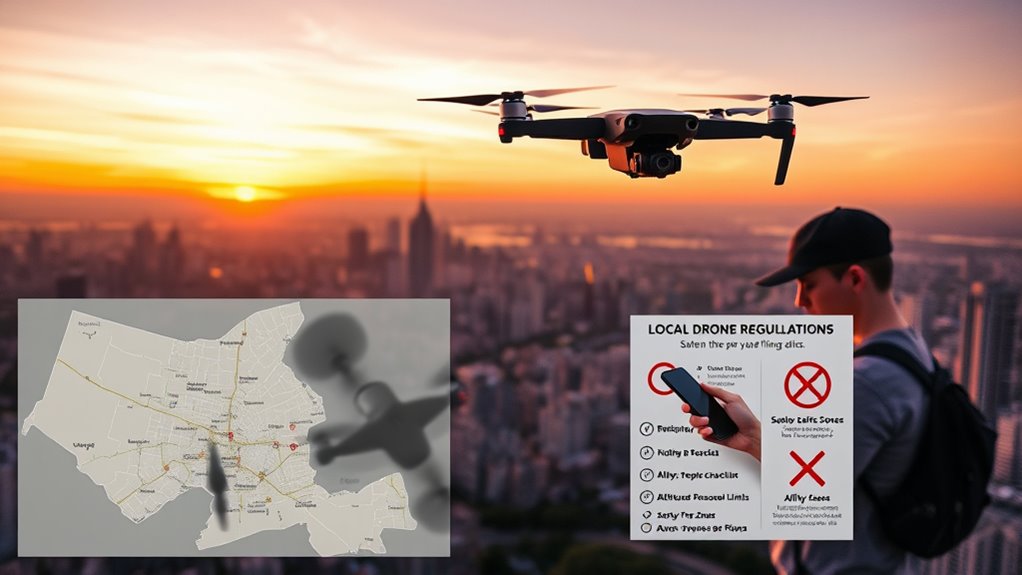
To stay out of trouble, you need to check local regulations before flying your drone. Always keep your drone within your visual line-of-sight to maintain control and safety. Respect others’ privacy boundaries to avoid complaints and penalties.
Check Local Regulations
Before flying your drone, it is vital to check local regulations to avoid penalties or legal issues. Different areas have specific rules and regional restrictions that can vary widely. Failing to follow these can lead to fines or confiscation. To stay compliant, consider these steps:
- Review your local aviation authority’s website for current regulations.
- Be aware of regional restrictions, such as no-fly zones near airports or government buildings.
- Check if permits or registrations are required before your flight.
Understanding local regulations ensures you fly responsibly and legally. Ignoring regional restrictions or outdated rules can cause serious trouble. Always stay informed before each flight to avoid penalties and enjoy your drone safely.
Maintain Visual Line-of-Sight
Maintaining visual line-of-sight (VLOS) while flying your drone is essential to stay within legal boundaries and guarantee safe operation. You must keep your drone within your direct visual line of sight at all times, ensuring clear drone visibility. This helps you avoid collisions, loss of control, and potential penalties. To maintain proper visual line of sight, choose an ideal flying position with unobstructed views and avoid flying behind objects or in dense environments. Keep a close watch on your drone’s location and altitude, especially in crowded or complex areas. Remember, if you lose drone visibility, you risk violating regulations and compromising safety. Staying vigilant and maintaining VLOS allows you to navigate responsibly and enjoy your drone flights without unnecessary issues.
Respect Privacy Boundaries
Respecting others’ privacy while flying your drone is essential to avoid legal issues and maintain good drone etiquette. You need to be mindful of privacy boundaries and avoid capturing personal data without permission. To do this effectively:
- Keep your drone at a respectful distance from private property and individuals.
- Avoid flying over private spaces where people expect privacy.
- Be cautious when recording or photographing to prevent collecting unintended personal data.
Resources and Tools to Stay Updated on Drone Laws
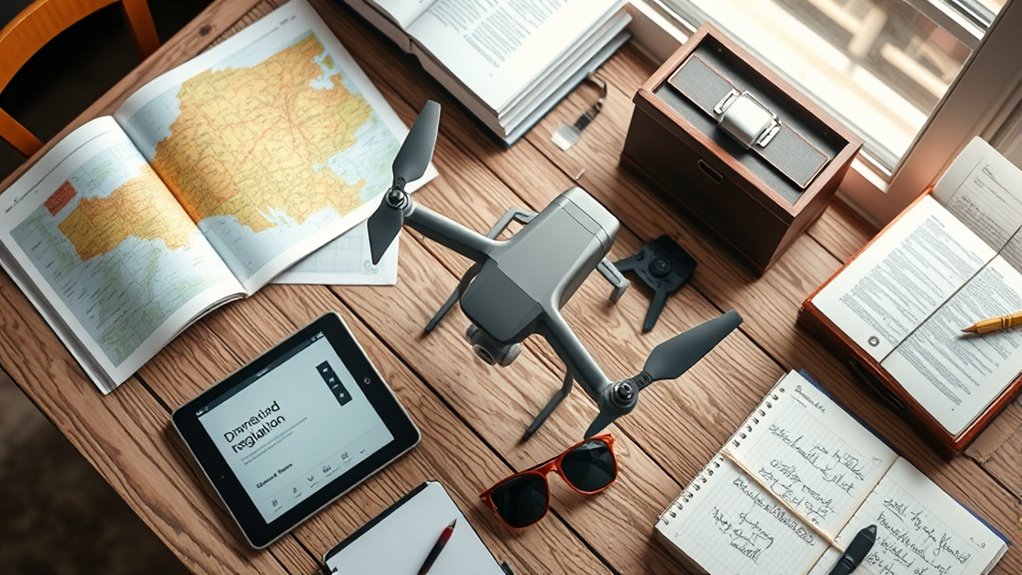
Staying informed about drone laws is essential for compliance and safe flying, and luckily, there are numerous resources and tools available to help you do so. Government websites like the FAA provide up-to-date regulations and guidelines, while mobile apps offer real-time updates on drone laws by location. To guarantee safe flying, these resources often include weather considerations, helping you plan flights around adverse conditions. For maintaining your drone properly, many platforms offer tutorials and checklists that incorporate drone maintenance best practices, preventing accidents caused by equipment failure. Joining online communities and forums also keeps you connected with other drone enthusiasts who share the latest legal updates and safety tips. Using these tools ensures you stay compliant, safe, and well-informed before every flight.
Frequently Asked Questions
Are There Specific Drone Laws for Different Types of Drones?
Yes, drone laws vary based on drone classification and registration requirements. You need to understand whether your drone is considered a recreational or commercial device, as different rules apply. For example, certain drones may require registration with authorities, while others don’t. Always verify local regulations to guarantee compliance, especially if your drone falls into a specific category, so you avoid legal issues and fly safely.
How Do International Drone Laws Differ From U.S. Regulations?
Did you know over 120 countries have drone regulations? International drone laws differ from U.S. rules mainly due to cross-border regulations and licensing requirements. You must comply with each country’s specific laws, which can vary considerably. Unlike the U.S., some countries require special permits or certifications for flying drones, so always research local laws before crossing borders. Staying informed helps you avoid legal issues and guarantees safe drone operation worldwide.
What Are the Penalties for Violating Drone Laws?
If you violate drone laws, you could face fines and citations, which vary depending on the violation’s severity. More serious infractions may lead to criminal charges, including hefty fines or even jail time. It is crucial to understand and follow regulations to avoid these penalties. Always stay informed about local laws before flying your drone to ensure you’re compliant and avoid costly legal consequences.
Can Drones Be Used for Delivery Services Legally?
Did you know that drone delivery services are expected to grow by over 50% in the next five years? Legally, drones can be used for delivery if you follow strict delivery regulations and obtain commercial licensing. You must guarantee compliance with FAA rules, including pilot certification and operational restrictions. Without proper licensing, using drones for delivery can lead to hefty penalties. Stay informed and adhere to regulations to safely and legally use drones for delivery.
How Do Privacy Laws Impact Drone Surveillance Activities?
Privacy laws considerably impact your drone surveillance activities by imposing restrictions to protect individuals’ privacy concerns. You must avoid capturing images or data in private spaces without consent, adhering to surveillance restrictions set by local regulations. Failing to do so can lead to legal consequences. Always stay informed about current privacy laws and ensure your drone use respects people’s privacy, maintaining ethical standards while enjoying your aerial activities.
Conclusion
Now that you’re equipped with the essentials, take to the skies wisely—think of each flight as a brushstroke on your own aerial canvas. Respect federal, state, and local laws like guiding stars, and stay informed with the latest updates. Remember, responsible flying isn’t just about avoiding penalties; it’s about preserving the freedom to explore the skies. So, gear up, stay legal, and let your drone adventures soar safely and beautifully.