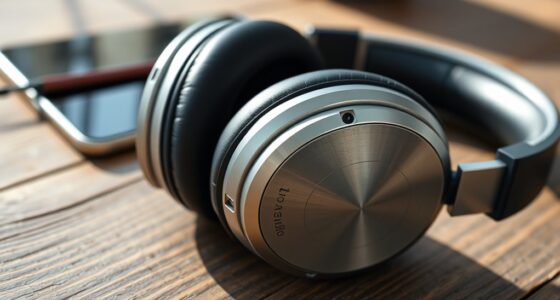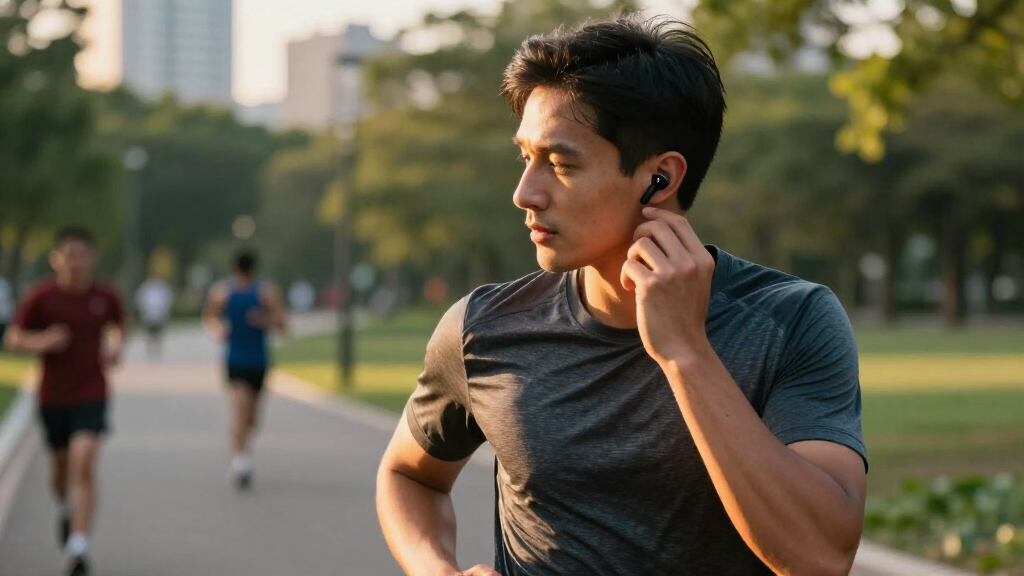

Beats Fit Pro and Jabra Elite 8 Active are aimed at people who need earbuds to stay put through runs, gym sessions, and sweaty workouts. The real choice is whether a stabilizing wing tip and especially smooth Apple-device features matter more than greater water and dust protection and longer listening time. Both offer active noise cancellation, transparency modes, and a secure fit, but they solve workout problems differently.

Get the latest gadgets delivered free with Prime
- Fast, free delivery on millions of items
- Prime Video, Amazon Music and more included
- Member-only deals all year

HAOYUYAN BX17 Wireless Sports Earbuds with Ear Hooks
- ✔ Fit: In-ear with flexible ear hooks
- ✔ Water resistance: IPX7
- ✔ Playback per charge: Up to 15 hours

TAGRY X08 True Wireless Bluetooth Earbuds with Wireless Charging Case
- ✔ Fit: In-ear
- ✔ Water resistance: IPX5
- ✔ Playback per charge: Up to 6 hours

Kurdene Wireless Earbuds with Bluetooth 5.3
- ✔ Fit: Ergonomic in-ear
- ✔ Driver size: 8 mm
- ✔ Bluetooth: 5.3
Beats Fit Pro suit Apple users who want a compact, stable earbud with easy pairing and a sound profile that brings energy to a playlist. Jabra Elite 8 Active are the stronger fit for people who train outdoors, need a more rugged build, or dislike the feeling of a wing tip. The differences that matter most are fit preference, durability, battery life, and how much value you place on ecosystem features.
At a Glance
| Criteria | Beats Fit Pro | Jabra Elite 8 Active | Winner |
|---|---|---|---|
| Fit and stability | Silicone ear tips plus flexible wing tips for extra hold | In-ear fit with ShakeGrip coating; no wing tip | Depends |
| Water and dust protection | IPX4 water resistance | IP68 earbuds and IP54 case | B |
| Battery life | Up to 6 hours with ANC; up to 24 hours with case | Up to 8 hours with ANC; up to 32 hours with case | B |
| Noise control | ANC and transparency mode | ANC and HearThrough mode | Tie |
| Sound and spatial features | Energetic sound; supports Apple Spatial Audio with head tracking | Customizable sound and Dolby Spatial Sound support | Depends |
| Device integration | Apple H1 features such as one-touch pairing and automatic device switching | Multipoint Bluetooth and broader platform support; fewer Apple-specific conveniences | A |
| Workout controls | Physical buttons; wing tips may feel noticeable during long sessions | Physical buttons; compact shape and no wing tip | Depends |
HAOYUYAN BX17 Wireless Sports Earbuds with Ear Hooks
For workouts where earbuds shifting out of place would be a distraction, the BX17’s flexible ear hooks make it the most exercise-specific option in this group. They add a physical point of retention that the TAGRY X08 and Kurdene in-ear designs do not describe. Combined with an IPX7 water-resistance rating, the BX17 is the strongest fit on paper for running, circuit training and sessions where sweat or splashes are expected.Its stated up to 15 hours per charge also beats the X08’s up to six hours, which matters if we want to go several workouts between case visits. The advertised up to 80 hours with the case is useful for planning, but it is a combined total, not a single-session battery figure. As with the TAGRY’s 60-hour claim, it depends on recharging the earbuds from the case. USB-C and a digital battery display make that charging routine easier to manage.The compromise is that a hook-based design may feel more noticeable than Kurdene’s lightweight ergonomic buds, especially for buyers who prefer a minimal fit. The supplied description calls its noise reduction passive isolation, not active noise cancellation, so we should not choose it expecting electronic noise blocking. Compared with the more versatile charging setup of the TAGRY, the BX17 is the more movement-focused pick; its strongest reasons to choose it are retention, water protection and longer stated per-charge playback.
Pros:
- Flexible ear hooks help keep the earbuds secure during exercise.
- IPX7 water resistance is the strongest stated rating among these picks.
- Up to 15 hours of playback per charge, with up to 80 hours claimed using the case.
- USB-C case charging and a digital battery display.
Cons:
- Ear hooks may feel bulkier than the Kurdene’s lightweight in-ear shape.
- Noise reduction is passive isolation; active noise cancellation is not specified.
- The 80-hour figure includes case recharges and does not describe one continuous charge.
Best for: Runners and gym-goers who want added earbud retention, strong stated water protection and long playback between charges.
Not ideal for: People who dislike ear hooks, want active noise cancellation, or prefer a compact, low-profile in-ear design.
Bottom line: Choose the BX17 when secure retention and the strongest stated workout protection matter more than a minimal fit.
“Choose the BX17 when secure retention and the strongest stated workout protection matter more than a minimal fit.”
TAGRY X08 True Wireless Bluetooth Earbuds with Wireless Charging Case
The TAGRY X08 takes a more balanced approach than the hook-equipped BX17. Its in-ear fit, three tip sizes and IPX5 water resistance give it useful workout credentials, while wireless and USB-C charging make the case adaptable to different routines. For buyers whose exercise means a gym visit, brisk walk or moderate training session, that mix may be more convenient than the BX17’s more pronounced sports fit.Battery expectations need a closer look: TAGRY states up to six hours per charge and up to 60 hours with the case. Six hours is a more practical figure for comparing one charge against the BX17’s 15 hours; the larger number requires case recharges and alternating use. An LED battery display helps track remaining power, and touch controls let us manage playback without reaching for a phone. Neither feature changes the shorter per-charge runtime, but both support regular use.The X08 is less specialized for intense movement than the BX17 because no ear hooks are specified, and its IPX5 rating is below the BX17’s IPX7. In return, its wireless charging case is an option neither competitor lists, alongside USB-C. CVC noise reduction is specified for calls, but active noise cancellation for listening is not. Compared with Kurdene, TAGRY provides more documented workout and battery details; compared with HAOYUYAN, it favors charging flexibility over retention and per-charge endurance.
Pros:
- IPX5 water resistance is specified for workout use.
- Case supports both wireless charging and USB-C.
- LED display shows the case’s battery status.
- Three ear-tip sizes and touch controls support everyday convenience.
Cons:
- Up to six hours per charge is shorter than the BX17’s stated 15 hours.
- No ear hooks or other added retention feature is specified.
- CVC call noise reduction is listed, but active listening noise cancellation is not.
Best for: People who want documented sweat protection and a flexible charging case for everyday workouts and general listening.
Not ideal for: Runners who need extra retention or buyers who want longer stated playback on a single charge.
Bottom line: Pick the X08 for a practical gym-and-everyday balance, especially if wireless case charging matters to us.
“Pick the X08 for a practical gym-and-everyday balance, especially if wireless case charging matters to us.”
Kurdene Wireless Earbuds with Bluetooth 5.3
Kurdene is the simplest choice here for buyers who want a lightweight earbud without a sports hook. Its ergonomic in-ear design and three silicone tip sizes give us a way to tune the fit, a useful starting point for keeping buds comfortable during movement. The 8 mm drivers are described as bass-focused, which may suit workout playlists, while Bluetooth 5.3 and automatic pairing keep the basic listening setup straightforward.That simplicity comes with the biggest information gap in this roundup. The supplied details give no battery-life figure and no water-resistance rating. We therefore cannot compare its session endurance with the X08’s six hours per charge or the BX17’s 15 hours, and we have less reason to trust it for sweat-heavy training. A secure-feeling fit does not by itself establish water protection or guarantee that every ear will hold the buds in place during running.Compared with TAGRY, Kurdene is less documented but potentially more appealing to someone who values lightness and does not need the case’s wireless charging or battery display. Compared with HAOYUYAN, it gives up hooks and a stated IPX7 rating for a more conventional shape. Its built-in microphones and AI algorithm are described as supporting clear calls, but call features are secondary for workout listening. This is a reasonable basic option for controlled, lower-intensity sessions, provided we accept the missing battery and water details.
Pros:
- Lightweight ergonomic in-ear fit is suited to everyday use and workouts.
- Three silicone ear-tip sizes allow a more tailored fit.
- Bass-focused audio is described for the 8 mm drivers.
- Bluetooth 5.3 supports automatic pairing with iOS and Android.
Cons:
- No battery-life information is provided.
- No water-resistance rating is provided.
- No added retention feature such as the BX17’s ear hooks is specified.
Best for: Buyers who prefer lightweight, conventional in-ear earbuds for light exercise and everyday listening.
Not ideal for: People training in heavy sweat, running with frequent movement, or needing known battery endurance and water protection.
Bottom line: Consider Kurdene for light sessions and a simple fit, but choose TAGRY or HAOYUYAN when workout protection needs to be documented.
“Consider Kurdene for light sessions and a simple fit, but choose TAGRY or HAOYUYAN when workout protection needs to be documented.”
As an Amazon Associate we earn from qualifying purchases.
Key Differences
The fit difference is personal, but it can determine whether either pair works for a specific workout. Beats add a small wing that braces against the outer ear, helping keep the earbud planted through movement. Jabra use a coated shell and a conventional in-ear shape instead. That may feel simpler and more comfortable for people who dislike pressure from a wing, though the best choice depends on ear shape and the supplied tip sizes.
Jabra have the clearer practical advantage for harsh conditions and longer sessions. Their IP68-rated earbuds offer more protection against water and dust than the Beats IPX4 rating, and their quoted battery life is longer with ANC on. For frequent outdoor training or multi-day travel, that extra margin can matter more than a modest sound preference. Neither rating means the earbuds are intended for swimming, and fit and protection still depend on correct use.
Beats make more sense for Apple users who value quick pairing, automatic switching, and Spatial Audio with head tracking. Jabra offer multipoint connections and features that work across platforms, while giving up some of that Apple-specific convenience. Choose around your device habits: the ecosystem advantage is useful every day, but it does not compensate for a poor fit or insufficient battery life.
Detailed Comparison
Fit and stability (major difference)
Beats Fit Pro use both ear tips and flexible wing tips to brace the earbuds against the outer ear. That can provide reassuring stability for running, lifting, and other high-movement sessions. Jabra Elite 8 Active omit the wing and rely on an in-ear fit and grippy coating. Beats win for people whose ears suit the wing-tip shape; Jabra may feel less intrusive to people who find extra ear contact uncomfortable. This is a major personal-fit decision, so try both shapes if possible.
Water and dust protection (Jabra Elite 8 Active wins — major)
Jabra Elite 8 Active carry an IP68 rating for the earbuds and IP54 for the case, while Beats Fit Pro are rated IPX4 for sweat and splashes. Jabra clearly win for training in rain, dusty environments, or workouts where exposure is harder to avoid. The difference is major if conditions are demanding, but less important for indoor gym use. Neither model is made for swimming.
Battery life (Jabra Elite 8 Active wins — moderate)
Jabra quote up to eight hours with ANC on and up to 32 hours with the case; Beats quote up to six hours with ANC and up to 24 hours total. Jabra win by a useful margin for long training days, travel, and fewer charging breaks. This is a moderate-to-major advantage depending on session length; both should cover ordinary workouts, while actual time varies with volume, settings, and use.
Noise control (minor difference)
Both models provide active noise cancellation and a transparency or hear-through mode for outside awareness. Neither has a universal advantage that makes the other a poor choice: performance depends on seal, fit, and surroundings. The gap is minor for a typical gym, where both can reduce steady background noise and let users hear more of the room when needed. Pick the pair that seals comfortably and switches modes in a way you prefer.
Sound and spatial features (moderate difference)
Beats deliver an energetic presentation and integrate with Apple Spatial Audio, including head tracking on compatible devices. Jabra let listeners customize the sound and support Dolby Spatial Sound. Beats have the edge for Apple users who will use those spatial features; Jabra are more flexible for people who want to tune their sound across platforms. The difference is moderate and mostly about preference rather than workout performance.
Device integration (Beats Fit Pro wins — moderate)
Beats Fit Pro use Apple’s H1 chip for conveniences such as one-touch pairing and automatic switching between supported Apple devices. Jabra provide multipoint Bluetooth and work across major platforms, which helps when switching between a phone and laptop. Beats win for a mostly Apple setup; Jabra may suit mixed-device households better. The difference is moderate, and each feature matters only if it matches the devices you actually use.
Workout controls (minor difference)
Both use physical buttons, which can be easier to operate with sweaty hands than touch controls. Beats’ wing tips add stability but may press against the ear for some users during long sessions. Jabra’s wing-free shape avoids that particular pressure point, though its fit still depends on ear shape. There is no overall winner: comfort and button feel are personal, making this a minor difference after fit is established.
Beats Fit Pro: Pros and Cons
Pros:
- Wing tips can add a secure brace for movement
- Convenient pairing and switching for Apple users
- ANC, transparency mode, and Apple Spatial Audio
Cons:
- Lower water protection than Jabra
- Shorter quoted battery life
- Wing tips may bother some ears during extended wear
Jabra Elite 8 Active: Pros and Cons
Pros:
- Higher water and dust protection for demanding conditions
- Longer quoted battery life with ANC on
- No wing tip, plus multipoint Bluetooth
Cons:
- Lacks Beats’ Apple-specific H1 conveniences
- In-ear fit still may not suit every ear
- Spatial audio features may matter less to listeners outside compatible setups
Who Should Choose What
Choose Beats Fit Pro if:
- You use an iPhone and other Apple devices and value easy pairing and switching.
- A wing tip gives your ears a more dependable fit for running or high-impact training.
- You want Apple Spatial Audio and prefer Beats’ energetic sound.
Choose Jabra Elite 8 Active if:
- You train outdoors or in wet or dusty conditions and want higher-rated protection.
- Long battery life matters for travel, back-to-back sessions, or fewer charging stops.
- You switch between different device platforms or prefer earbuds without a wing tip.
Skip both if: You need earbuds for swimming, require a fit that can only be confirmed in person, or want workout earbuds without active noise cancellation.
Value for Money
Pay more for Jabra Elite 8 Active when the extra durability and battery life will see regular use, particularly for outdoor training, travel, or long days away from a charger. Those advantages solve practical problems and can justify a premium over Beats Fit Pro. If most workouts happen indoors and your sessions are short, the added protection and runtime may not repay the difference.
Beats Fit Pro can be the better value for Apple users who will use H1 conveniences and get a secure, comfortable fit from the wing tips. Their lower durability rating makes them less compelling for rough conditions, but paying extra for Jabra is unnecessary if you do not need the added protection or battery. Compare current prices: the better value is the one whose standout features match your routine.
Final Verdict
For most people choosing workout earbuds primarily for ruggedness and endurance, Jabra Elite 8 Active are the stronger all-around pick: they last longer and provide substantially higher water and dust protection. Choose Beats Fit Pro if you use Apple devices and their wing-tip fit feels secure without discomfort; their ecosystem features can make them the better everyday choice for that buyer. The biggest deciding factor is whether your priority is Jabra’s durability and runtime or Beats’ fit and Apple integration. Pay more for Jabra only when those practical advantages matter to your workouts.
Frequently Asked Questions
Which earbuds are better for running?
Beats Fit Pro may suit runners who benefit from the stabilizing wing tips, while Jabra Elite 8 Active are better for those who prefer a wing-free shape or need more weather protection. Fit is personal, so the secure option for your ears wins.
Can I wear either pair in the rain?
Both offer some protection, but Jabra’s IP68-rated earbuds have a higher water and dust rating than the Beats IPX4 earbuds. Neither is intended for swimming. Dry the earbuds before charging and follow each maker’s care guidance.
Do Beats Fit Pro work better with iPhones?
Yes. Their H1 chip enables Apple conveniences such as one-touch pairing and automatic switching with supported devices. Jabra still work with iPhones and offer multipoint Bluetooth, but do not provide the same Apple-specific integration.
Is the longer Jabra battery life worth paying more?
It is worth paying for if you often train for long stretches, travel, or want fewer charging breaks. For short workouts near a charger, Beats’ quoted six hours with ANC may be enough, so fit and device features may matter more.
Fall Picks
fall essentials
As an affiliate, we earn on qualifying purchases.