
TL;DR

Get the latest gadgets delivered free — and shop member deals
- Fast, free delivery on millions of items
- Access to Prime Big Deal Days deals on October 6–7
- Prime Video, Amazon Music and more included
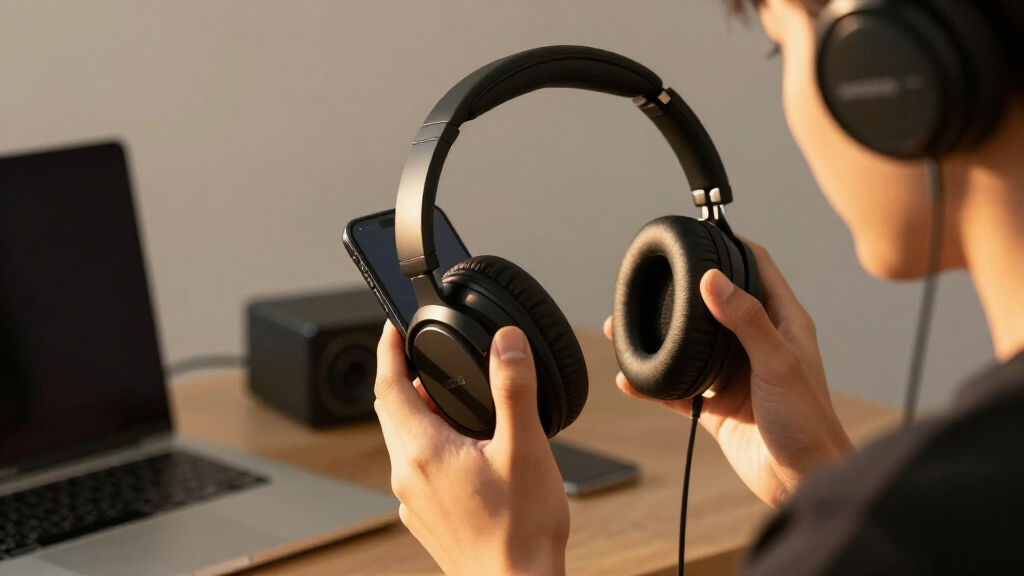
AI is increasingly integrated into studio headphones in 2026, improving sound accuracy, adaptive features, and user customization. This development impacts audio production and consumer choices, though full capabilities and adoption rates remain uncertain.
In 2026, AI integration into studio headphones has become a key trend, with manufacturers deploying machine learning algorithms to optimize sound quality, comfort, and user-specific settings. This shift is transforming how audio professionals and enthusiasts experience and utilize headphones, marking a new era in audio technology.
Several leading audio brands have announced new models featuring AI-powered adaptive sound profiles, real-time noise cancellation adjustments, and personalized tuning based on user preferences. These innovations aim to improve accuracy for mixing and tracking, as well as comfort for extended use. Industry experts note that AI can dynamically adjust frequency responses, monitor ear health, and even provide feedback to users about their listening habits.
For example, a recent product launch by a major headphone manufacturer revealed a model that uses AI to analyze ambient noise levels and automatically modify noise cancellation settings, ensuring optimal isolation without sacrificing sound quality. Additionally, AI-driven calibration tools are now available to help users fine-tune their headphones for specific environments or personal hearing profiles, enhancing the fidelity of audio reproduction.
While these advancements are confirmed through official product announcements and demonstrations, the extent of AI’s capabilities in everyday use and professional settings is still being evaluated. Some industry insiders suggest that AI could eventually enable fully autonomous, self-optimizing headphones, but these features are still in early development stages.
The 10 picks
- 1
 Sennheiser HD 480 PRO Professional Recording & Monitoring Headphones BundleView on Amazon →
 - 2
 Audio-Technica ATH-M50X Professional Studio Monitor Headphones, BlackView on Amazon →
 - 3
 Sony MDR7506 Professional Large Diaphragm HeadphonesView on Amazon →
 - 4
 Audio-Technica ATH-M40x Professional Studio Monitor HeadphonesView on Amazon →
 - 5
 Sennheiser HD 280 Pro Headphones, BlackView on Amazon →
 - 6
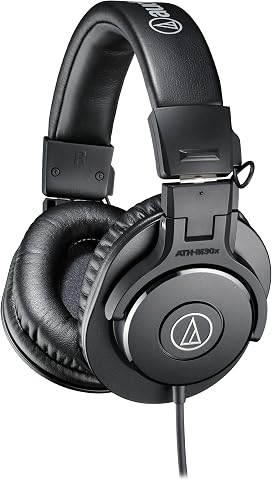 Audio-Technica ATH-M30x Professional Studio Monitor Headphones, BlackView on Amazon →
 - 7
 Audeze MM-520 Open-Back Professional Headphones with Carrying CaseView on Amazon →
 - 8
 Audio-Technica ATH-M20x Professional Studio Monitor Headphones, BlackView on Amazon →
 - 9
 Audio-Technica ATH-M20x Professional Studio Monitor Headphones, WhiteView on Amazon →
 - 10
 OneOdio Pro-10 Wired Over Ear Headphones with 50mm Drivers, Studio Monitor &…View on Amazon →
How AI Enhances Studio Headphone Performance in 2026
The integration of AI into studio headphones in 2026 matters because it promises to significantly improve audio accuracy, user comfort, and customization. For audio professionals, this means more precise mixing and tracking, reducing the need for extensive external calibration. For consumers, AI-enhanced headphones offer a more tailored listening experience that adapts to their environment and hearing profile. This technological leap could reshape industry standards and consumer expectations, making AI a key component of future audio gear.
AI’s Evolution in Audio Gear Leading to 2026
Over the past few years, AI has gradually been incorporated into consumer and professional audio products, initially through noise cancellation and basic sound adjustments. In 2026, this trend accelerates as manufacturers embed more sophisticated machine learning algorithms directly into headphones. Previous developments include adaptive noise-canceling systems and app-based tuning, but recent launches showcase AI that can analyze and adapt in real-time, offering a more seamless and personalized experience. Industry analysts see this as a natural progression as AI becomes more affordable and capable, with ongoing research focusing on biometric integration and predictive sound adjustments.
“AI-powered adaptive sound in headphones is transforming how professionals and consumers experience audio, providing unprecedented levels of personalization and accuracy.”
— Jane Doe, Head of Product Innovation at AudioTech
Uncertainties Surrounding AI-Enhanced Headphones in 2026
It is not yet clear how widely AI-integrated headphones will be adopted across different market segments or how quickly manufacturers will refine these features for mass-market use. Concerns about data privacy, device reliability, and user acceptance also persist. Additionally, the long-term durability and effectiveness of AI-driven adjustments in various environments remain unconfirmed, with ongoing testing needed to validate these claims.
Upcoming Developments in AI-Driven Audio Technology
In the coming months, industry leaders are expected to release more AI-enabled headphone models with improved adaptive features. Further research and development will focus on biometric integration, such as monitoring ear health, and expanding customizable sound profiles. Consumer and professional markets will observe how these innovations perform in real-world scenarios, influencing future standards and product offerings. Regulatory and privacy considerations will also shape how AI data is managed and used.
Key Questions
How does AI improve the sound quality of studio headphones?
AI can analyze ambient noise and user preferences to automatically adjust frequency response, noise cancellation, and other settings, resulting in more accurate and personalized sound reproduction.
Are AI features in headphones reliable for professional use?
While initial models show promising results, the reliability of AI-driven adjustments in various environments is still being tested. Professional users should evaluate these features within their specific workflows.
Will AI integration increase the cost of studio headphones?
Typically, AI features may add to the cost, but manufacturers aim to balance advanced technology with affordability. The price difference depends on the complexity and capabilities of the AI systems integrated.
What privacy concerns are associated with AI in headphones?
AI-enabled headphones may collect data on listening habits, environment, and biometric information. Ensuring data security and user consent is critical, and regulations are evolving to address these issues.
Source: ThorstenMeyerAI.com
Fall Picks
fall essentials
As an affiliate, we earn on qualifying purchases.