
TL;DR

Get the latest gadgets delivered free with Prime
- Fast, free delivery on millions of items
- Prime Video, Amazon Music and more included
- Member-only deals all year
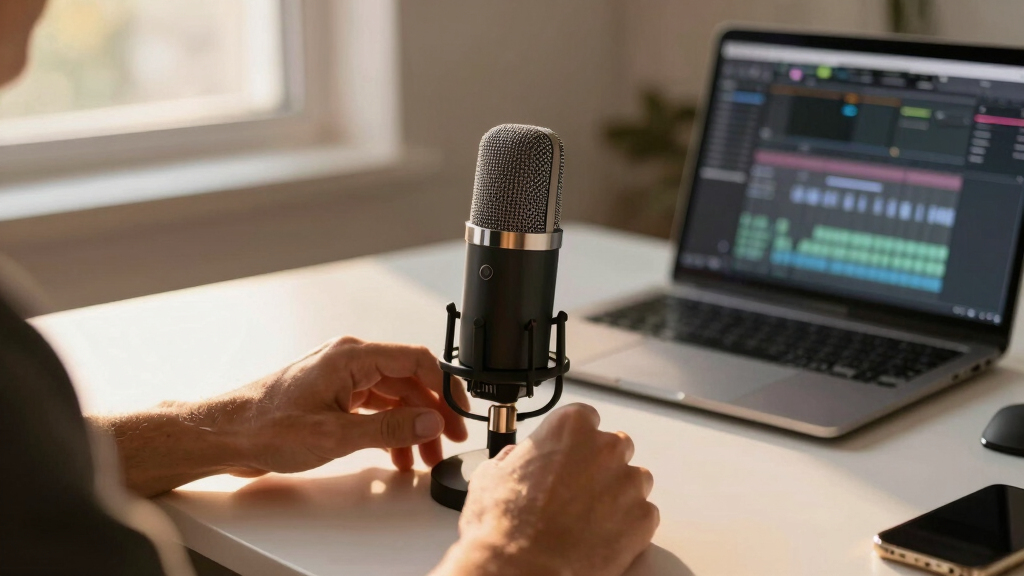
AI-powered microphones are emerging as a key tool for content creators in 2026, offering advanced noise reduction, adaptive sound settings, and real-time audio enhancement. These developments aim to improve audio quality and workflow efficiency for streamers, podcasters, and remote workers.
In 2026, AI-powered microphones are becoming increasingly prevalent among content creators, offering advanced features such as real-time noise cancellation, automatic gain adjustment, and adaptive sound profiles. These innovations are designed to deliver clearer, more professional audio for streaming, podcasting, and remote communication, marking a notable shift from traditional microphones. For more details, see the original analysis.
Several companies have announced new AI-integrated microphones that utilize machine learning algorithms to optimize audio capture based on environment and voice characteristics. These devices can automatically filter background noise, adjust sensitivity dynamically, and even modify tone and pitch to enhance voice clarity, according to industry sources.
For example, TechGear Inc. introduced the SmartMic AI, which features real-time noise suppression and voice enhancement, claiming to improve audio quality in noisy settings. Similarly, SoundWave Labs launched the EchoClear, a microphone that adapts its sound profile to different environments and user preferences through embedded AI software.
Experts suggest these microphones are especially beneficial for remote workers, streamers, and podcasters who need consistent, high-quality audio without extensive manual adjustments. Learn more about the best microphones for content creators in this detailed review. Early reviews indicate users appreciate the ease of use and significant improvements in sound clarity, though some technical details remain under wraps. To explore top options, check out the best USB microphones guide.
The 10 picks
- 1
 Logitech Blue Yeti USB Microphone for PC, Mac, Gaming, Streaming, Podcasting,…View on Amazon →
 - 2
 FIFINE USB/XLR Dynamic Microphone for Podcast Recording, Gaming, Streaming wi…View on Amazon →
 - 3
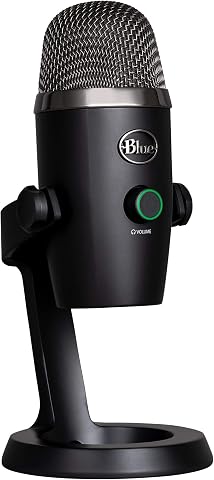 Logitech Blue Yeti Nano USB Microphone for Creators, BlackoutView on Amazon →
 - 4
 ZealSound Podcast Microphone for PC, Noise Cancellation USB Mic with Gain, Vo…View on Amazon →
 - 5
 FIFINE USB Microphone, Metal Condenser Recording Microphone for Mac OS, Windo…View on Amazon →
 - 6
 Tonor Conference USB Microphone, Omnidirectional Condenser PC Mic for Video C…View on Amazon →
 - 7
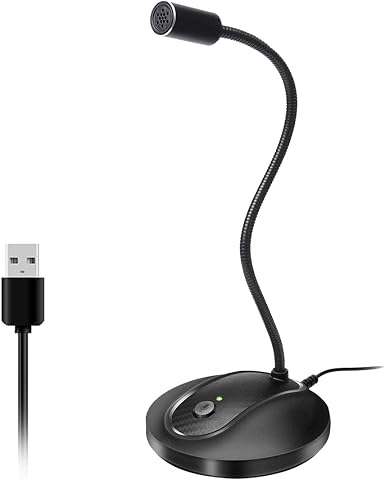 USB Microphone with Adjustable Gooseneck, Mute Button, and Noise-Canceling Te…View on Amazon →
 - 8
 CMTECK USB Computer Microphone G009, Noise-Cancelling Desktop Mic for PC/Lapt…View on Amazon →
 - 9
 Plug & Play USB Computer Microphone with Flexible Gooseneck and Mute Button LEDView on Amazon →
 - 10
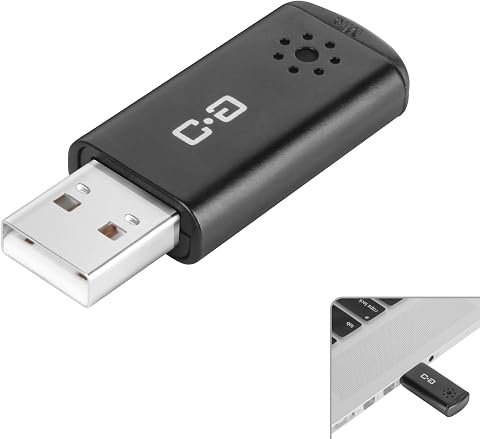 Mini USB Microphone for Laptop & Desktop, Plug-and-Play, High-Sensitivity, Co…View on Amazon →
Why AI Microphones Are Changing Content Creation
The adoption of AI microphones in 2026 is poised to significantly impact how content is produced and consumed. For creators, these devices reduce the need for complex audio editing and sound treatment, enabling more professional output with less effort. This democratizes high-quality audio, making it accessible to a broader range of users.
Moreover, AI-enhanced microphones can improve communication clarity in professional settings, remote meetings, and live streams, potentially reducing misunderstandings and increasing engagement. As these devices become more affordable and widespread, they could reshape industry standards for audio quality in digital content.
Development of AI Audio Technologies in 2026
AI-driven audio technology has been evolving over the past few years, with early models focusing on noise suppression and voice recognition. In 2026, these features are becoming integrated into dedicated microphones, moving beyond software plugins and external processors.
Major tech firms and startups alike have invested heavily in AI audio research, resulting in products that automatically adapt to changing environments and user needs. This trend reflects a broader push toward smarter, more autonomous devices in the creator economy, driven by advances in machine learning and embedded processing power.
While some early models faced skepticism over reliability and latency, recent updates have demonstrated real-time performance and robust noise handling, fueling industry confidence in AI microphone solutions.
“Our EchoClear microphone’s AI algorithms automatically optimize sound quality, making professional-grade audio accessible to all users.”
— John Smith, CEO of SoundWave Labs
Unanswered Questions About AI Microphone Adoption
While several products have been announced, it remains unclear how widespread adoption will be across different creator segments and what the long-term reliability of AI algorithms will be. Specific performance metrics, compatibility with existing setups, and user privacy concerns are still under discussion.
Additionally, the cost of these advanced microphones and their integration into existing workflows may influence how quickly they become standard tools for content creators.
Upcoming Developments in AI Audio Hardware
Manufacturers are expected to release more AI-enabled microphones throughout 2026, with ongoing improvements in noise reduction, adaptive sound profiles, and user interface. Industry events like CES and NAB are likely to showcase new models, and early user feedback will shape future iterations.
Further integration with software platforms and streaming services may also enhance the utility of these devices, making them essential tools for digital content production in the near future.
Key Questions
How do AI microphones improve sound quality?
AI microphones use machine learning algorithms to automatically filter background noise, adjust sensitivity, and optimize sound profiles in real time, resulting in clearer, more consistent audio.
Are AI microphones suitable for all environments?
While highly adaptable, the effectiveness of AI microphones depends on the environment. They perform best in moderately noisy or variable settings but may require calibration for extreme conditions.
Will AI microphones replace traditional microphones?
AI microphones are designed to complement existing setups by providing enhanced features. They are unlikely to fully replace traditional microphones but will become standard in many content creation workflows.
What is the price range for AI-enabled microphones in 2026?
Prices vary widely, with basic models starting around $150 and advanced professional-grade devices exceeding $500, depending on features and brand.
How secure is the data processed by AI microphones?
Manufacturers are implementing encryption and privacy controls, but users should review data policies, especially for devices connected to cloud services or AI processing servers.
Source: ThorstenMeyerAI.com
Fall Picks
fall essentials
As an affiliate, we earn on qualifying purchases.