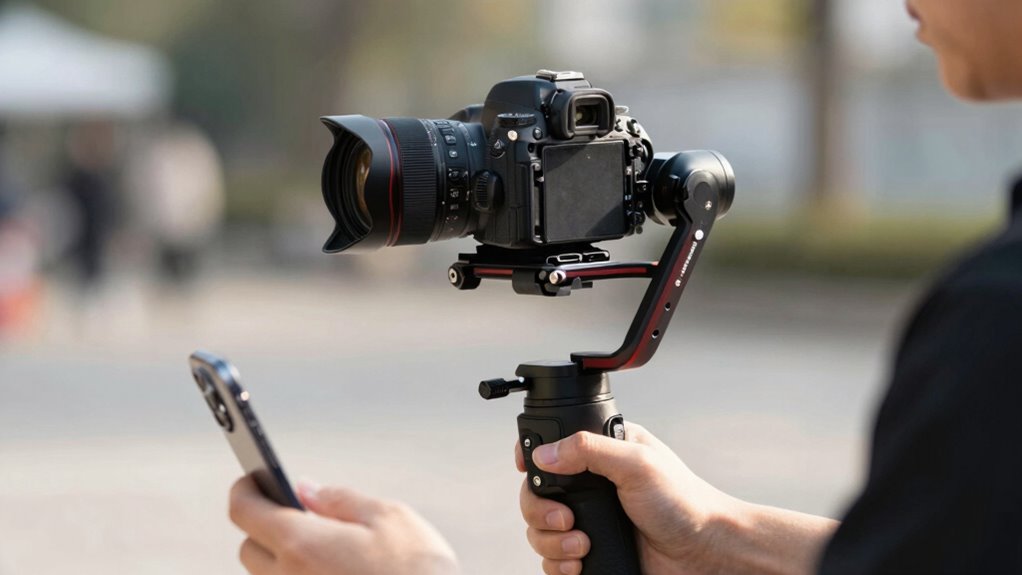
Whether you need a gimbal depends on how smooth you want your footage. Gimbals are excellent for eliminating shake, especially during movement or complex shots, but you can also achieve steady results with proper technique, stable angles, and accessories like monopods or DIY supports. If you keep footage shaky, consider a gimbal for professional results, but mastering hand-held methods can work too. Keep going to discover more tips for perfect stabilization in any situation.
Key Takeaways
- Use a gimbal for professional, steady footage during dynamic shots or moving scenes.
- Improve stability by practicing proper handheld techniques, such as slow, deliberate movements and correct grip.
- Utilize creative angles, supports, or household items to stabilize your camera without extra equipment.
- Post-process shaky footage with editing stabilization tools to enhance smoothness.
- Balance your camera properly on the gimbal and experiment with movement patterns for optimal results.
Top picks for "need gimbal smooth"
Open Amazon search results for this keyword.
As an affiliate, we earn on qualifying purchases.
What Is a Gimbal and How Does It Work?
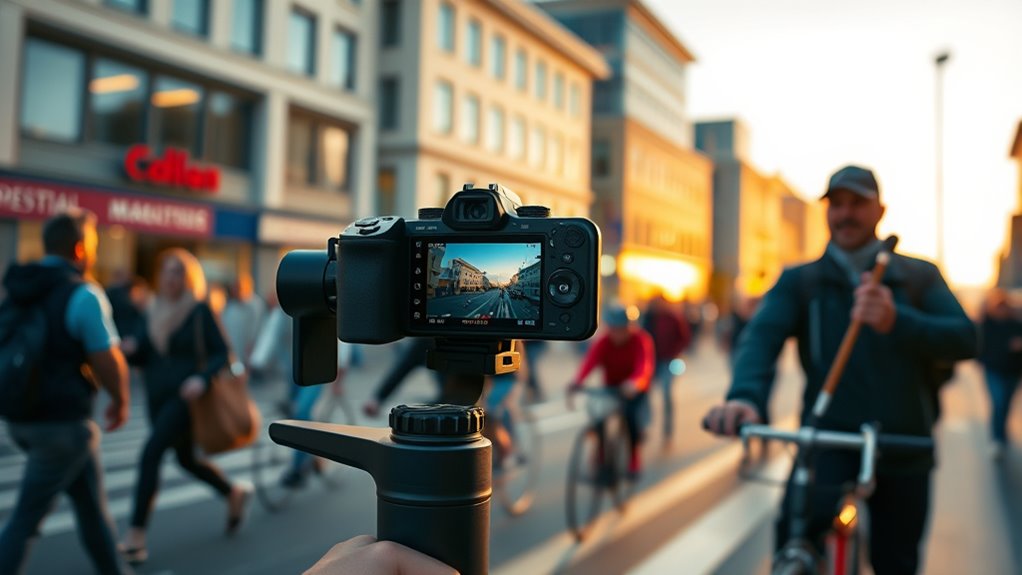
Ever wondered how filmmakers capture smooth, steady shots even when they’re on the move? That’s where a gimbal comes in. It’s a device that stabilizes your camera using motors and sensors, allowing you to shoot steady footage without extra effort. Good camera ergonomics means it’s designed to feel comfortable and balanced, reducing fatigue during long shoots. To keep your gimbal working smoothly, regular maintenance is essential—cleaning joints, updating firmware, and checking battery health prevent mishaps. A gimbal actively compensates for unwanted movements, so your footage stays steady even if you walk or run. Understanding how it works helps you get the most out of your equipment, ensuring your shots are professional-looking and smooth every time. Additionally, energy-efficient technology in modern gimbals minimizes power consumption, extending battery life during extended shooting sessions. Recognizing the importance of camera stabilization techniques can significantly improve your video quality and viewer experience.
Advantages of Using a Gimbal for Video Shooting
Using a gimbal offers several key advantages for video shooting. It effectively eliminates camera shake, ensuring your footage remains steady even during movement. This stability not only improves visual quality but also makes your videos appear more professional. With a gimbal, you can confidently shoot dynamic scenes, walk-and-talk shots, or follow subjects smoothly without jerks or jitters. The device balances your camera automatically, reducing fatigue and allowing you to focus on your shot. Additionally, the ease of operation makes it accessible for both beginners and experienced videographers. Here’s a quick look at its benefits: camera stabilization and overall video quality. Incorporating connected technology can further enhance your filming experience by providing real-time feedback and adjustments. Moreover, a gimbal’s versatility allows for creative camera angles and innovative shots that would be difficult to achieve handheld.
Signs You Might Need a Gimbal for Your Projects
If your shots often feel shaky or unsteady, it’s a clear sign you could benefit from a gimbal. Struggling to keep your camera steady during moving scenes can also indicate the need for stabilization. When smooth footage matters, a gimbal might be just what you need to improve your results. Additionally, understanding the importance of video stabilization can help you decide whether investing in a gimbal is worthwhile for your projects.
Unsteady Handheld Shots
Unsteady handheld shots can quickly undermine the professionalism of your footage, especially when your camera jerks or wobbles with every movement. If you notice frequent camera shake disrupting the scene, it’s a clear sign you need a gimbal to maintain steady framing. Handheld filming without stabilization often results in shaky footage that distracts viewers and diminishes your project’s quality. When your shots lack smoothness, it becomes difficult to keep focus on your subject and convey a polished look. If you find yourself constantly correcting or cutting around shaky clips, a gimbal can help you achieve consistent stability. Using one ensures your camera movements stay fluid, allowing you to capture more professional, cinematic footage even when shooting on the move.
Challenging Moving Scenes
Challenging moving scenes often expose the limits of handheld stabilization, making it difficult to keep footage smooth and professional. When you’re steering complex camera angles or shifting perspectives rapidly, handheld shots can become shaky or jittery. Additionally, unpredictable lighting setups, like changing sunlight or moving shadows, make it harder to maintain consistent exposure and focus. If your scenes involve fast movements, tight spaces, or dynamic angles, a gimbal can help stabilize your camera and guarantee fluid motion. Without one, your footage risks appearing unpolished and distracting. Investing in a gimbal provides smoother transitions, steadier shots, and better control over camera angles, especially in demanding environments. It’s a valuable tool for capturing challenging scenes with clarity and professionalism.
Alternative Techniques for Stabilizing Footage

When you don’t have access to a gimbal, there are still effective ways to stabilize your footage. You can experiment with creative camera angles to minimize shaky shots or use in-camera techniques like bracing against surfaces. Post-shoot, editing stabilization tools can smooth out minor jitters and shakes, making your footage appear more professional. Additionally, shooting in short clips allows easier stabilization during editing. These methods help you achieve steady footage without specialized gear. Remember, combining creative camera angles with editing stabilization offers a practical alternative to gimbals, especially when equipment is limited. By applying these techniques, you can improve your video’s quality and keep your audience engaged, even without the latest stabilization gear.
Tips for Achieving Smooth Shots Without a Gimbal

Even without a gimbal, you can still capture smooth shots by focusing on your technique and environment. Start by choosing stable camera angles that minimize unnecessary movement and provide balanced framing. Use slow, deliberate movements when adjusting your camera to prevent jitters. Pay attention to your lighting setups; consistent lighting reduces flickering and helps your footage appear steady. Avoid sudden zooms or quick pans, which can cause shaky footage. Instead, opt for smooth, controlled motions and keep your camera close to your body to enhance stability. If possible, stabilize your camera against a solid surface or use natural supports like walls or poles. These simple adjustments can markedly improve your shot quality without extra equipment.
Budget-Friendly Stabilization Tools and Accessories
If you’re looking to stabilize your shots on a budget, there are affordable handheld stabilizers that can make a big difference. You might also consider DIY techniques using everyday objects to steady your camera without extra costs. These options can help you achieve smoother footage without breaking the bank. Additionally, understanding the importance of proper cable management can ensure your equipment stays secure and reduces unwanted movement that affects video quality. Properly managing your cables can prevent accidental disconnections and equipment vibrations, further enhancing your footage. Incorporating knowledge of shot stability principles can also help you improve your technique and produce more professional-looking results. Moreover, exploring navigation and mapping techniques can assist you in planning smoother camera paths and movements. Applying insights from biography can inspire creative approaches to camera work and storytelling in your videos.
Handheld Stabilizer Options
Budget-friendly handheld stabilizers and accessories can substantially improve your video footage without breaking the bank. These tools are great for enhancing your filming techniques and adding stability to your shots. They’re easy to carry and don’t require complex setup, making them perfect for on-the-go filming. You can find simple stabilizer options that fit within most budgets, offering smoother footage without the need for a high-end gimbal. Using these stabilizers as part of your camera accessories can elevate your production quality and help you achieve professional-looking results. Whether you’re filming a vlog, event, or travel video, these affordable options provide a practical solution to steady your camera on the move. Stability techniques are essential for capturing smooth footage in various filming conditions.
DIY Stabilization Techniques
Building on affordable handheld stabilizers, you can further enhance your footage with DIY stabilization techniques that require minimal investment. One effective method is using tripod alternatives like stabilizer rigs, monopods, or even makeshift supports such as chairs or books to steady your shot. These options help reduce shake and smooth out movement without the cost of professional gear. For smartphone stabilization, consider using simple accessories like clip-on lens stabilizers or DIY gimbals made from household items. You can also stabilize your phone by bracing it against steady surfaces or employing smooth, controlled movements to mimic professional techniques. Incorporating basic stabilization principles can significantly improve your footage quality. Additionally, paying attention to camera handling techniques can further minimize unwanted motion. Employing steady shooting habits, such as slow, deliberate movements, can make a noticeable difference in your results. Using proper grip and posture is another simple way to reduce camera shake during handheld filming. These DIY solutions are budget-friendly and versatile, making it easier to achieve smoother, more professional-looking footage without a gimbal.
Making the Most of Your Equipment for Steady Results
To achieve smooth, professional-looking footage, it’s essential to understand how to make the most of your gimbal. Using the right camera accessories and mastering stabilization techniques can greatly improve your results. Ensure your camera is properly balanced on the gimbal before shooting, as this minimizes strain and enhances stability. Experiment with different grip methods and movement patterns to reduce shakiness further. Keep your camera settings optimized for smooth footage, like using the correct frame rate and shutter speed. Additionally, utilize accessories such as counterweights or external stabilizers if needed. These small adjustments can make a big difference in your footage quality. Remember, understanding how to leverage your equipment is key to capturing steady, professional results every time. Proper stabilization techniques are fundamental to achieving consistently smooth video, especially when incorporating camera accessories to enhance performance.
Frequently Asked Questions
Can Smartphone Cameras Benefit From Gimbals?
Smartphone cameras definitely benefit from gimbals, as they improve camera ergonomics and stabilize your shots. Using a gimbal helps you capture smooth footage effortlessly, reducing shaky movements. Additionally, incorporating editing techniques can enhance your videos further. Even if you don’t have a gimbal, practicing steady hand movements and good camera ergonomics can make a noticeable difference in your footage quality.
How Do Gimbals Compare to Built-In Stabilization Features?
Gimbals generally provide superior image stabilization compared to built-in hardware or software features. While built-in stabilization uses software or hardware within your device, gimbals actively counteract movement with motors, resulting in smoother footage. You’ll notice less shake and jitters with a gimbal, especially during dynamic shots. So, if you want professional-looking, steady videos, a gimbal is a better choice than relying solely on your device’s built-in stabilization.
Are There Specific Camera Models That Work Best With Gimbals?
Certain cameras, like mirrorless models or compact digital cameras, work wonderfully with gimbals because of their compatibility and manageable gimbal weight. You’ll want to focus on cameras that are lightweight, have a balanced design, and are compatible with your gimbal’s mounting options. Popular choices include Sony Alpha series, Canon EOS M series, and smaller mirrorless options, making it easier to achieve smooth, steady shots without straining your gear or sacrificing portability.
What Maintenance Does a Gimbal Require Over Time?
You should regularly check your gimbal’s battery lifespan and recharge it before it runs out. Keep the motors calibrated to maintain smooth footage, especially after crashes or long periods of storage. Clean the gimbal’s joints and contacts to prevent dust buildup, and store it in a cool, dry place. Following these maintenance tips guarantees your gimbal stays in top shape, providing steady shots whenever you need them.
Can Gimbals Be Used Effectively in Low-Light Conditions?
In low-light conditions, gimbals can be your saving grace, but don’t expect miracles. They enhance stability and improve low-light stabilization, helping you capture smoother footage even when lighting is scarce. Still, gimbal performance in dim environments depends on your camera’s sensor and lens quality. To get the best results, pair your gimbal with a fast lens, and keep your setup steady—otherwise, you’re fighting an uphill battle.
Conclusion
Whether you’re chasing epic adventures or just trying to capture everyday moments, a gimbal can turn shaky chaos into cinema-quality magic. But even without one, your steady hands or clever tricks can make your footage look like it was shot by a pro with a NASA budget. So, don’t let shaky videos hold you back—master these techniques, and you’ll be filming smoother than a dolphin gliding through glassy waters!