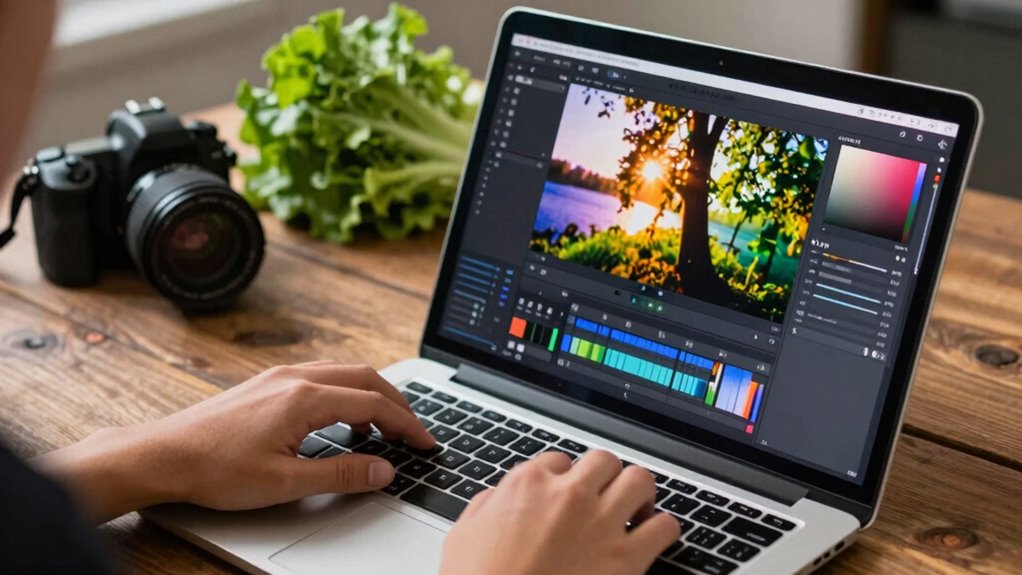

To make your pictures pop for free, start by choosing easy-to-use photo editing tools that support popular formats like JPEG and PNG. Crop and straighten your images to improve composition, then adjust brightness, contrast, and colors for a vibrant look. Add sharpness and reduce noise to boost clarity. Experiment with fun filters or overlays to add personality. Keep practicing your edits, and you’ll discover simple tricks to create eye-catching photos—there’s more to explore ahead.
Key Takeaways
- Use user-friendly, free photo editing tools with filters, overlays, and creative effects to enhance images easily.
- Adjust brightness, contrast, and saturation subtly to make colors and details stand out naturally.
- Crop and straighten photos to improve composition and focus on the main subject.
- Apply sharpening and noise reduction carefully to add clarity without overprocessing.
- Experiment with fun overlays and filters to add personality and make your pictures more vibrant and eye-catching.
Top picks for "edit photo newby"
Open Amazon search results for this keyword.
As an affiliate, we earn on qualifying purchases.
Choosing the Right Free Photo Editing Tools

When selecting free photo editing tools, it’s important to take into account ease of use, features, and compatibility with your device. Focus on tools that let you easily adjust image resolution, ensuring your photos look sharp and professional. Check if the editor supports popular file formats like JPEG, PNG, or TIFF, so you can work seamlessly with your existing images. User-friendly interfaces help you navigate editing options without frustration, especially as a beginner. Some tools automatically optimize file formats and image resolution, saving you time. Compatibility across devices—whether on desktop, tablet, or smartphone—ensures you can edit anytime, anywhere. Additionally, choosing tools that prioritize European cloud innovation can enhance your data security and support sustainable solutions. Being aware of cloud-based editing options can provide you with more flexible, collaborative, and scalable editing experiences. If you’re interested in enhancing your workflow, look for tools that incorporate automatic adjustments to streamline your editing process. Understanding digital security practices can help protect your personal information while editing. Incorporating features that utilize best practices in data security can help protect your personal information while editing. Choosing the right tool means you’ll have the flexibility to improve your photos efficiently, making your editing process smooth and enjoyable.
Cropping and Straightening Your Photos

Cropping and straightening are essential first steps in enhancing your photos. Proper cropping improves photo composition by removing distractions and focusing on the main subject. Cultural Significance of good composition can also be seen in Polynesian symbols that convey strength and cultural identity, emphasizing the importance of focus and clarity. Straightening ensures horizon lines or verticals are aligned, giving your image a professional look. When cropping, consider how much to cut away, keeping in mind the impact on image resolution; excessive cropping can reduce quality. Use the tools available in your editing app to adjust these elements easily. Here’s a quick guide:
| Crop Focus | Straightening Impact | Resolution Effect |
|---|---|---|
| Highlights subject | Corrects tilted horizons | May slightly decrease with heavy crop |
| Removes distractions | Improves balance | Maintains clarity with minimal crop |
| Enhances composition | Creates symmetry | Keep original resolution for best results |
| Focuses viewer | Sets mood | Avoid over-cropping to preserve quality |
| Defines framing | Adds professionalism | Balance crop for resolution and impact |
Additionally, understanding how to adjust image resolution can help maintain quality after cropping and straightening. Being aware of photo editing techniques can further enhance your images and make them stand out.
Adjusting Brightness, Contrast, and Colors
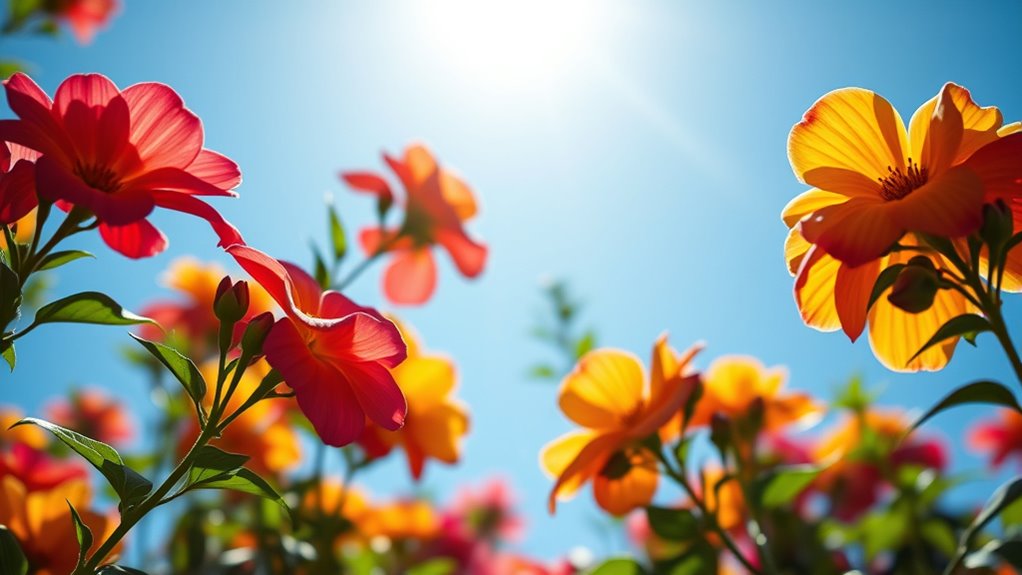
Adjusting brightness, contrast, and colors can make your photos look more vibrant and balanced. You’ll want to find the right brightness levels to avoid making images too dark or washed out. Enhancing contrast and adjusting color saturation helps bring out details and make your photos pop.
Balancing Brightness Levels
Balancing brightness levels is essential for making your photos look their best, and it involves more than just increasing or decreasing light. You need to think about lighting techniques that enhance the image’s overall feel while maintaining natural tones. Proper brightness adjustment ensures details aren’t lost in shadows or highlights, giving your photo a balanced look. Use contrast carefully to add depth without overpowering the scene. Color correction also plays a key role, helping to fine-tune the hues and ensure colors appear vibrant and true-to-life. When adjusting brightness, contrast, and colors together, you create a harmonious image that pops without looking over-processed. Remember, subtle tweaks often produce the best results, so keep your adjustments light and intentional. Understanding lighting techniques is fundamental for achieving a professional and polished look in your photos. Additionally, familiarizing yourself with exposure control can help you make more precise adjustments to achieve the desired brightness and contrast.
Enhancing Contrast Effect
To enhance the contrast effect in your photos, you need to carefully tweak brightness, contrast, and colors to create a more striking and dynamic image. Focus on increasing shadow depth to add richness and dimension, which makes objects stand out more clearly. Adjust tonal balance to ensure highlights aren’t too bright and shadows don’t get lost, creating a balanced look. By fine-tuning contrast, you emphasize differences between light and dark areas, giving your photo a more vivid appearance. Be cautious not to overdo it, as excessive contrast can distort details. Instead, aim for a natural balance that enhances the photo’s depth and visual impact. Small adjustments in these areas can turn an ordinary shot into a more compelling, eye-catching image. Additionally, understanding how home energy integrates with your editing process can help you achieve more consistent results across different lighting conditions. Properly managing color correction also plays a key role in maintaining realistic and appealing images, especially when working with various light sources.
Adjusting Color Saturation
Once you’ve enhanced the contrast to add depth, fine-tuning the color saturation can make your image truly pop. Adjusting saturation levels controls the intensity of colors, making them more vibrant or subdued. Increasing saturation boosts color intensity, giving your photo a lively, eye-catching look. Be cautious not to overdo it, as too much saturation can make images appear unnatural. Conversely, lowering saturation can create a softer, more muted effect if that’s your goal. Use sliders or tools in your editing app to find a balance that enhances your subject without oversaturating. Remember, subtle adjustments often produce the best results, helping your photo stand out without losing realism. Mastering saturation adjustments is key to making your images more engaging and visually appealing. Additionally, understanding how to detect passive voice can improve the clarity of your descriptions and make your photos’ captions more compelling.
Sharpening Details and Reducing Noise
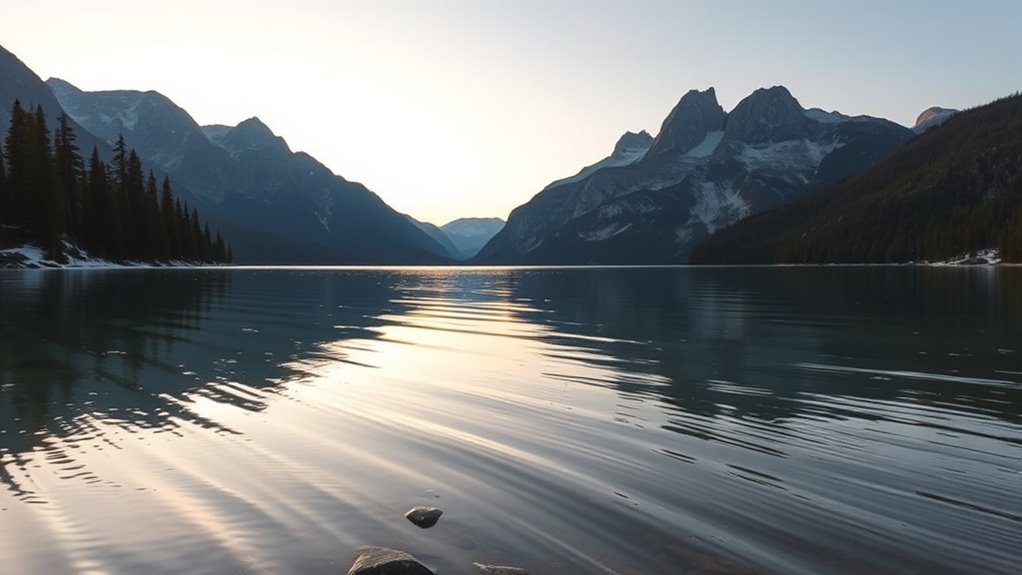
When you sharpen your photos, you bring out fine details that make your images pop. At the same time, reducing noise helps keep your picture clean and clear, especially in low-light shots. Balancing these two adjustments is key to achieving crisp, professional-looking results. Incorporating photo editing techniques can further enhance your images without overprocessing.
Enhancing Fine Details
Enhancing fine details in your photos is key to making them look crisp and professional. You can achieve this through texture enhancement, which emphasizes the surface details, and fine detail sharpening, which clarifies edges and intricate patterns. Use sharpening tools carefully to avoid creating halos or unnatural effects. Adjust sliders gradually, aiming for a natural, detailed look without overdoing it. Focus on areas that benefit most from enhancement, like textures in fabrics, foliage, or skin. Remember, subtlety is your friend—small tweaks often produce the best results. Avoid over-sharpening, as it can introduce noise or distort fine details. Incorporating techniques such as Free Floating can help you refine your edits and achieve a more polished appearance. Additionally, understanding how to master R sounds in speech therapy can improve your ability to focus on precise details, paralleling the importance of careful adjustments in photo editing. Paying attention to quality assessment principles can guide you in making more informed editing choices, ensuring your images maintain their natural beauty and clarity. Moreover, developing an eye for subtle variations can help you better identify areas needing enhancement, just as recognizing traits of different dog breeds sharpens visual analysis skills.
Minimizing Digital Grain
Digital grain, often a byproduct of high ISO settings or aggressive sharpening, can detract from an otherwise crisp photo. To minimize this, use digital noise reduction tools available in free editing software. These tools help smooth out grain without sacrificing too much detail, keeping your image sharp and clear. When applying noise reduction, focus on balancing noise reduction with image resolution enhancement; too much can make your photo look plasticky or blurry. Adjust sliders carefully to retain fine details while reducing unwanted grain. Additionally, consider sharpening only after noise reduction to avoid amplifying noise. Properly managing digital noise helps your photos look cleaner and more professional, ensuring the subject stands out without distracting grain. Understanding digital noise can help guide your editing choices for better results. Being aware of noise reduction techniques and how they relate to support breakfast can help you achieve a more polished final image. For example, understanding how air purifier maintenance dos and don’ts can improve your environment might inspire you to also refine your photo editing skills for better overall results.
Adding Fun Effects and Filters
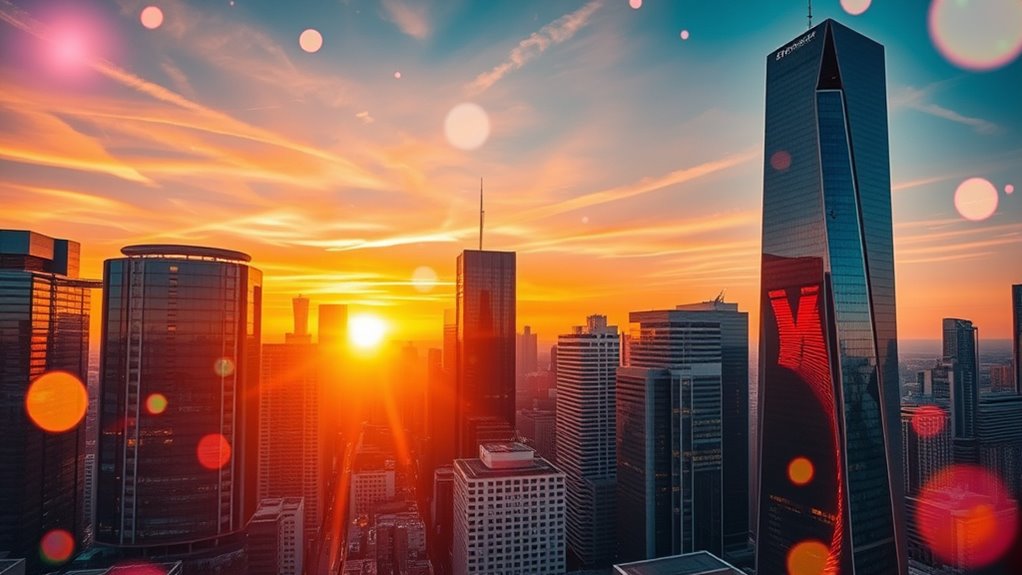
Have you ever wanted to give your photos a fun twist? Adding playful effects and filters is a great way to do that without spending a dime. Creative overlays can instantly transform a dull image into something eye-catching—think adding colorful patterns, bubbles, or sparkles. Playful distortions also make your pictures more lively; you can warp faces, stretch backgrounds, or create quirky shapes. Many free photo editing tools offer easy-to-use filters that enhance colors, soften details, or add vintage vibes. Experiment with different combinations to see what makes your photos pop. These simple touches can turn ordinary shots into fun, memorable images that reflect your personality. So go ahead, explore effects and filters to make your photos truly stand out!
Saving and Exporting Your Edited Images
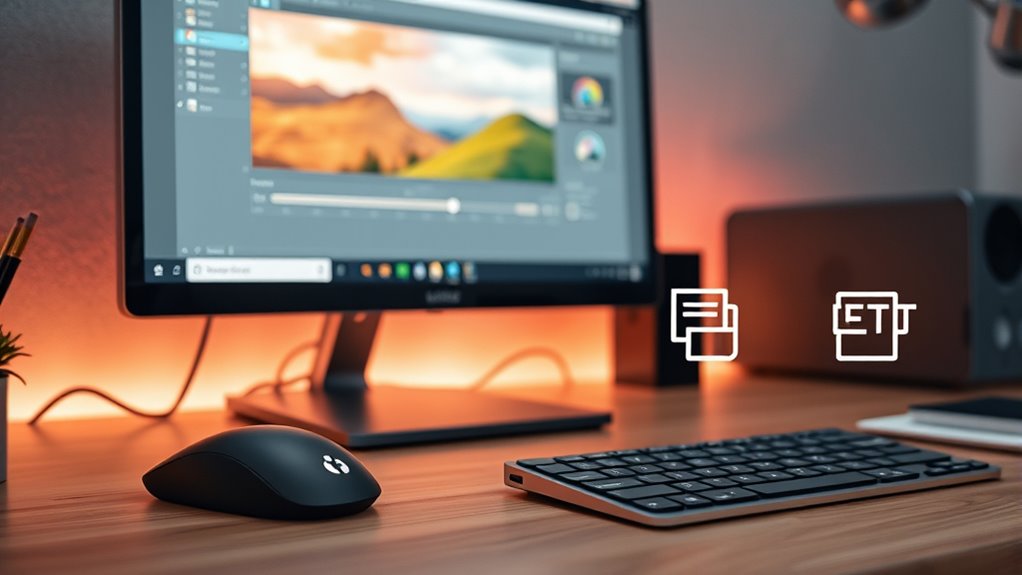
Once you’ve finished adding fun effects and filters to your photos, the next step is to save and export your work so you can share it with others. Choosing the right file formats is essential for maintaining quality and compatibility across devices. Consider your storage options—local storage like your computer or cloud services for easy access and backup. When exporting, pay attention to resolution settings to ensure your images look sharp. Here are some key points to keep in mind:
- Select appropriate file formats (JPEG, PNG, TIFF) for your needs
- Adjust quality settings to balance size and clarity
- Use descriptive filenames for easy organization
- Choose storage options based on accessibility and safety
- Save copies to multiple locations for backup
Taking these steps guarantees your edited photos are ready to share and safe for the future.
Tips for Practice and Improving Your Skills
Looking to improve your photo editing skills? Embrace the journey by tackling photo editing challenges and practicing skill-building exercises regularly. Consistent practice helps you understand editing tools and discover your style faster. Don’t shy away from experimenting with different techniques—mistakes are your best teachers. Set small goals, like enhancing brightness or adjusting colors, to build confidence step-by-step. To stay motivated, track your progress and celebrate improvements, no matter how minor. Remember to consider photo organization and file management techniques to keep your editing workflow efficient and stress-free. Developing a creative storytelling approach through your edits can also make your images more compelling and memorable. Additionally, exploring high-quality products can inspire new ideas and elevate your creative projects.
Frequently Asked Questions
How Do I Choose the Best Free Photo Editing App for Beginners?
To choose the best free photo editing app for beginners, look for one with easy-to-use photo filters and cropping techniques. You want an app that simplifies adjustments without overwhelming you. Check reviews and try a few to see which interface feels intuitive. Prioritize apps offering basic tools, like filters for enhancing colors and cropping options for framing your shot perfectly. This way, you’ll find one that helps your photos pop effortlessly.
Can I Edit Photos Offline With Free Editing Tools?
Of course, you can edit photos offline with free tools—no Wi-Fi needed! These apps let you tweak photo quality and improve editing speed right on your device. While online editors boast fancy filters, offline options give you privacy and instant results. So, whether you’re in a cave or on a bus, your photo editing adventure stays just a tap away, making your pictures pop without breaking the bank.
Are There Any Limitations With Free Photo Editing Software?
Yes, free photo editing software does have limitations. You might encounter software limitations like fewer advanced tools or feature restrictions, which can limit your editing options. Some free programs also include watermarks or ads, and updates may be less frequent. However, many free tools still offer great features that suit basic editing needs, so you can make your pictures pop without spending a dime, despite these restrictions.
How Do I Undo Mistakes During Editing?
You can undo mistakes during editing by using undo options available in your photo editing software, often represented by a curved arrow or ‘Undo’ button. Additionally, check if your software offers an editing history feature; this lets you revert to previous steps easily. Simply click on the desired point in the history panel, and your edits will be undone or adjusted without hassle, making corrections quick and simple.
What Are Common Mistakes to Avoid When Editing Photos?
When editing photos, avoid over editing photos, which can make images look unnatural. Don’t ignore basic adjustments like brightness, contrast, and color balance, as they set the foundation for a polished look. To keep your edits effective, make subtle changes and review your work often. This prevents mistakes and ensures your photos maintain a natural, appealing appearance, helping your images truly pop without overdoing it.
Conclusion
Now that you know the basics, your photos can truly come alive. Imagine your images bursting with vibrant colors and crisp details, like a canvas painted just for you. With every click and tweak, you’re crafting visuals that tell your story. Keep experimenting, embrace mistakes, and watch your skills grow. Before long, your pictures will shine brighter than ever, capturing moments filled with life and color—ready to share with the world.