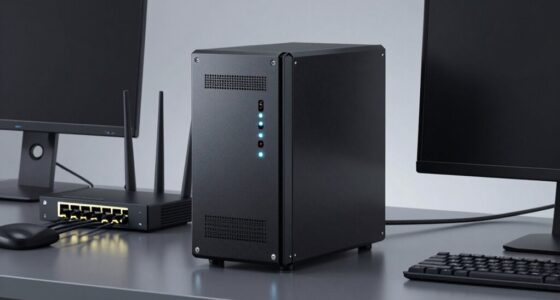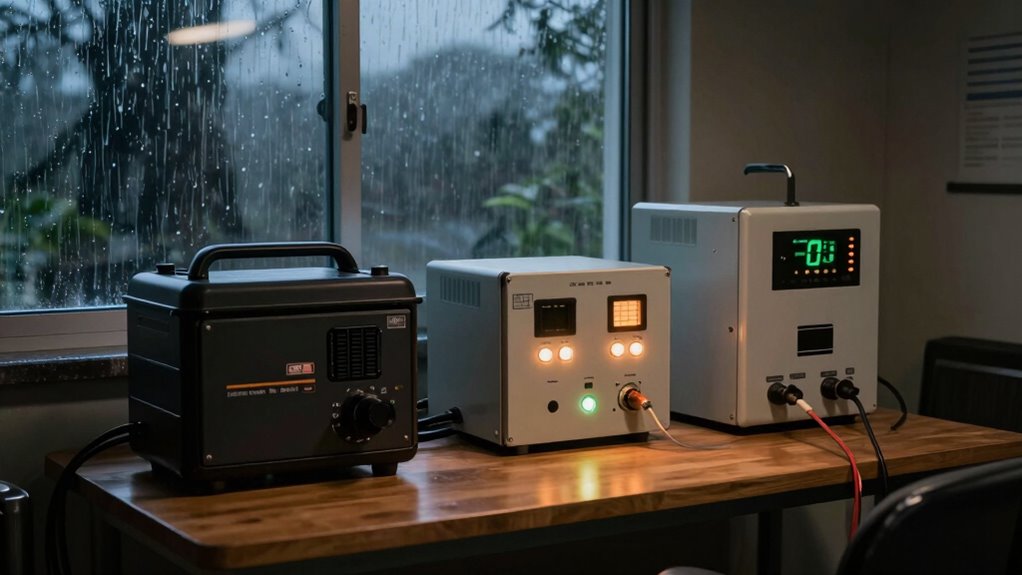

Backup power really matters in everyday situations like power outages caused by storms, maintenance, or grid failures. It keeps your essential devices running, so you stay connected, productive, and safe. Whether it’s powering your Wi-Fi, medical devices, or household appliances, backup solutions prevent disruptions to your daily routine. They offer peace of mind and reliability during unexpected events. If you’re curious how backup power can make your life easier, explore the details further.
Open a free Amazon Business account
Business pricing, bulk buying and tax-exempt orders.
As an affiliate, we earn on qualifying purchases.
Key Takeaways
- Maintaining communication and safety during unexpected power outages caused by storms or grid failures.
- Ensuring continuous operation of essential medical devices at home.
- Keeping work and important devices powered during daily outages or maintenance disruptions.
- Supporting household functions like heating, cooling, and cooking during weather-related outages.
- Reducing downtime and stress in emergencies by providing reliable, sustainable backup energy solutions.
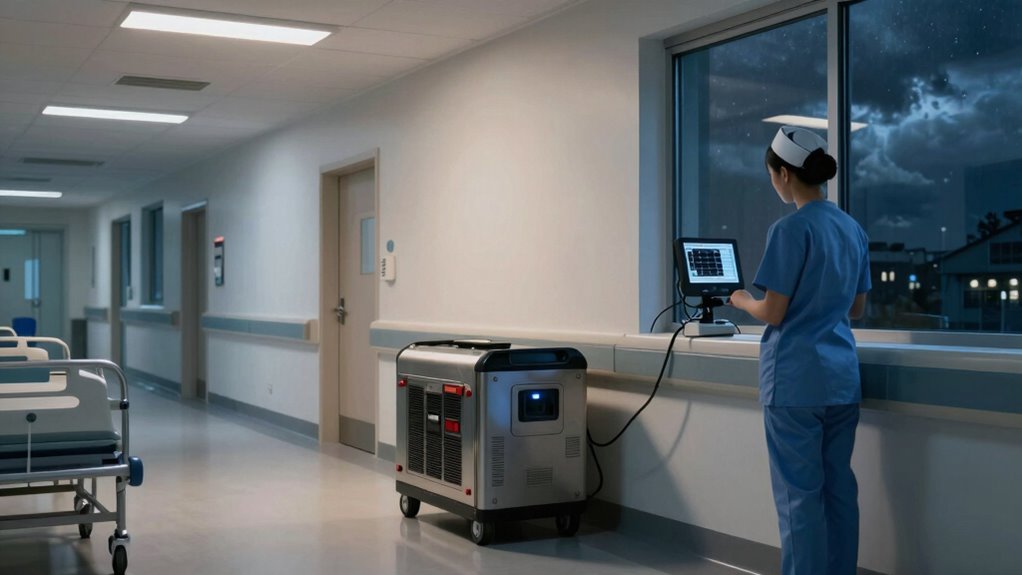
Have you ever been caught without power during an outage, leaving your devices useless and your plans disrupted? Power outages can strike unexpectedly, whether from storms, grid failures, or maintenance issues. In these moments, backup power solutions become essential, especially when you rely on technology for work, communication, or safety. You might think backup power is only for emergencies, but it’s equally valuable in everyday situations where continuous power can make a significant difference. Whether you’re working from home, caring for elderly family members, or simply wanting peace of mind, having a reliable backup power source ensures you stay connected and productive.
Many people overlook the importance of integrating renewable sources into their backup power systems. Solar panels, for example, can be paired with battery storage to create a sustainable, eco-friendly energy solution. This combination maximizes power sustainability, allowing you to harness the sun’s energy during the day and draw on stored power when the grid goes down. Not only does this reduce your carbon footprint, but it also minimizes reliance on traditional energy grids, making your backup system more resilient and self-sufficient. As renewable sources become more affordable and efficient, they’re transforming backup power from a temporary fix into a long-term, sustainable investment. Incorporating renewable energy into your setup can also help you achieve greater independence from grid fluctuations.
In everyday life, backup power cases come into play in various scenarios. Imagine working remotely and suddenly losing internet and electricity. Without backup power, your productivity halts, deadlines get missed, and frustration mounts. With a portable generator or a battery backup, you can keep essential devices running—your laptop, Wi-Fi router, and even small appliances—without interruption. It’s not just about convenience; it’s about maintaining your routines and safeguarding your work and communication channels. Similarly, in households with medical devices that require constant power, having a backup system isn’t a luxury; it’s a necessity for health and safety. Incorporating power management strategies can further optimize your backup setup for efficiency and reliability.
Backup power solutions also prove invaluable during everyday outages caused by weather or maintenance. They provide peace of mind, ensuring that daily tasks, such as cooking, heating, or cooling, aren’t thrown into chaos. Additionally, the proper technology integration can enhance the overall performance and longevity of your backup system. Using advanced monitoring tools can help you track your system’s health and ensure it’s ready when needed. Investing in a backup power case that emphasizes renewable sources not only supports your immediate needs but also aligns with sustainable living practices. It’s a smart, responsible choice that enhances your power sustainability, reduces environmental impact, and keeps your life running smoothly, no matter what interruptions come your way.
portable backup generator for home
As an affiliate, we earn on qualifying purchases.
As an affiliate, we earn on qualifying purchases.
Frequently Asked Questions
How Long Should a Backup Power Supply Last During an Outage?
During an outage, your backup power supply should last long enough for emergency planning and maintaining power reliability. Typically, aim for at least 4 to 6 hours to handle short-term interruptions, but if you need to sustain operations or safety measures, consider a system that lasts 8 to 24 hours. You should assess your specific needs, ensuring your backup power provides sufficient duration for critical tasks and safety.
What Are the Most Common Backup Power Solutions Used Today?
You might think backup power solutions are all about batteries, but many now embrace renewable energy options like solar and wind, aiming for grid independence. These solutions include solar generators, uninterruptible power supplies (UPS), and diesel generators for heavy-duty needs. Ironically, the most common solutions are those that let you stay independent from the grid, proving that even backup power is moving toward sustainability and self-sufficiency.
How Does Backup Power Impact Medical Device Operation at Home?
Backup power greatly impacts your ability to operate medical devices at home, especially during power outages. It enhances emergency preparedness by ensuring crucial devices like oxygen concentrators and CPAP machines stay functional. Reliable power reduces risks associated with power instability, giving you peace of mind. With backup systems, you can maintain essential medical routines, avoid interruptions, and respond better to unexpected outages, making your home safer and more prepared.
Can Backup Generators Be Safely Used Indoors?
Using backup generators indoors is like inviting shadows into your home; it’s dangerous. For indoor safety, never place a generator inside your house or garage. Always position it outdoors, away from windows and vents, to prevent carbon monoxide buildup. Proper generator placement is essential to avoid poisoning risks, ensuring your home remains a safe haven even when the power’s out. Safety should always be your top priority.
What Maintenance Is Required for Backup Power Systems?
You should regularly check your backup power system’s battery lifespan and perform maintenance scheduling to keep it reliable. Inspect batteries for corrosion, clean terminals, and make certain proper fluid levels if applicable. Test the system periodically to confirm it’s functioning correctly. Replacing batteries before they fail is essential, so stay on top of maintenance intervals. Proper upkeep guarantees your backup power will operate seamlessly during an outage, providing peace of mind.
As an affiliate, we earn on qualifying purchases.
Conclusion
When it comes to backup power, you can’t afford to take chances. Whether it’s a storm knocking out the grid or a simple outage, having reliable backup power keeps you connected and safe. Don’t wait until you’re caught in the dark—prepare now. Remember, it’s better to be safe than sorry, especially when your daily life depends on it. Stay proactive, and you’ll never be left in the lurch when power fails.
solar panel with battery storage
As an affiliate, we earn on qualifying purchases.
As an affiliate, we earn on qualifying purchases.
uninterruptible power supply for medical devices
As an affiliate, we earn on qualifying purchases.
As an affiliate, we earn on qualifying purchases.
Fall Picks
fall essentials
As an affiliate, we earn on qualifying purchases.