When comparing megapixels and sensor size, sensor size generally has a bigger impact on photo quality, especially in low-light conditions, dynamic range, and sharpness. Higher megapixels increase resolution but can cause more noise if paired with small sensors. Larger sensors gather more light, resulting in clearer images with better color and detail. To find out how these factors work together and what’s most important for your photos, keep exploring for more insights.
Key Takeaways
- Sensor size impacts light capture and image quality more significantly than megapixel count alone.
- Larger sensors reduce noise and improve low-light performance regardless of megapixel numbers.
- High megapixels enhance detail and cropping ability but can increase noise on small sensors.
- Sensor technology and size influence dynamic range, color accuracy, and autofocus efficiency.
- Optimal photo quality depends on balancing sensor size, technology, and appropriate megapixel levels.
Understanding Megapixels and Their Role in Photography
Megapixels are often the first thing people consider when choosing a camera, but understanding what they actually mean is essential. Megapixels measure the total number of pixels a camera’s sensor can capture, directly impacting image resolution. However, sensor technology plays a crucial role in how effectively those pixels translate into clear, detailed photos. Advanced sensors improve light sensitivity and reduce noise, enhancing image quality even at higher megapixel counts. Additionally, technology private placement investments highlight how innovations in sensor design can significantly improve performance. These advancements often involve sensor technology innovations that increase efficiency and image quality. For example, newer sensor designs incorporate back-illuminated sensor technology, which enhances light capture and overall image clarity. Image processing also influences the final photo, as it refines details and colors. So, while more megapixels can provide sharper images, they aren’t the sole factor. Your camera’s sensor technology and image processing capabilities are equally vital in determining the overall quality of your photographs.
The Significance of Sensor Size in Image Quality
Larger sensors generally produce better image quality, especially in challenging lighting conditions. They allow more light to reach the pixels, improving low-light performance and reducing noise. sensor size plays a crucial role in overall image quality, making it an important factor to consider when choosing a camera. Understanding this can help you choose a camera that truly meets your needs. Additionally, sensor size impacts the depth of field, enabling more creative control over focus and background blur. As the demand for high-quality images grows, the role of Body piercing in developing responsible imaging technologies becomes increasingly important.
Larger Sensor Benefits
Because sensor size directly impacts image quality, choosing a camera with a larger sensor can make a noticeable difference in your photos. Larger sensors offer significant sensor benefits, such as better dynamic range and more accurate color reproduction. They capture more light, which reduces noise and produces clearer images, especially in challenging conditions. Understanding sensor dimensions can help you make more informed camera choices based on your needs. Additionally, larger sensors often support advanced autofocus systems, improving focus accuracy in various shooting scenarios. Moreover, sensor size plays a crucial role in determining depth of field, allowing for more creative control over your photos. The size of the sensor also influences the bokeh effect, enabling photographers to achieve a more aesthetically pleasing background blur. Recognizing sensor size advantages can guide you toward selecting equipment that aligns with your photography goals. Overall, investing in a camera with a larger sensor enhances your image quality, providing sharper, more vibrant photos that truly stand out. This makes larger sensors a smart choice for serious photographers seeking top-tier results.
Low-Light Performance
When lighting conditions are dim, sensor size plays a crucial role in determining how well your camera performs. Larger sensors gather more light, reducing sensor noise and delivering clearer images in low light. They also work better with image stabilization, helping you capture sharper photos without a tripod. To understand this better: sensor size significantly impacts overall image quality and is a key factor to consider when aiming for superior low-light performance. Additionally, larger sensors tend to produce images with greater dynamic range, capturing details in both shadows and highlights more effectively.
How Megapixels Affect Image Resolution and Detail
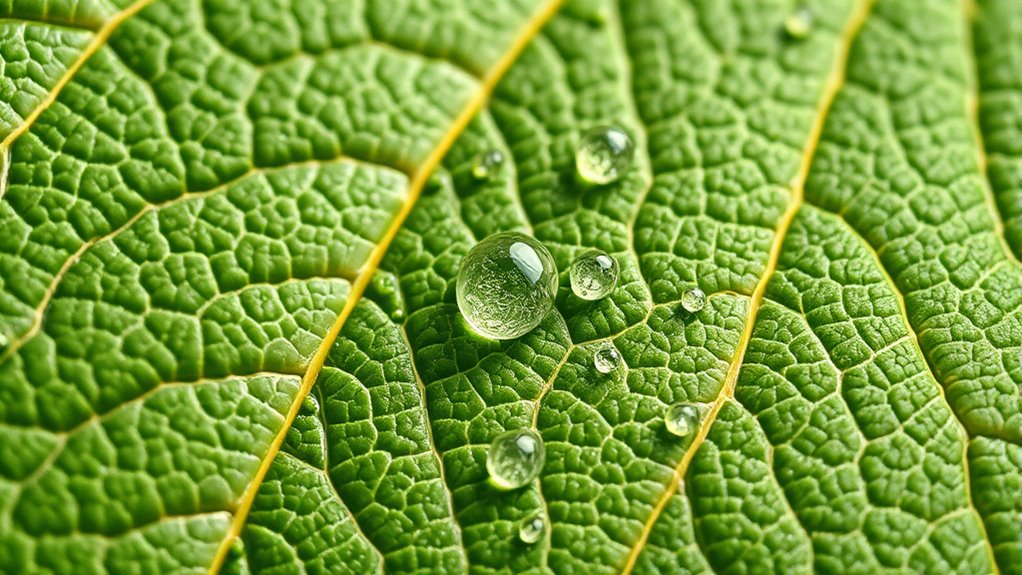
Higher megapixel counts mean you can capture more detail in your images, which affects both resolution and print size. This allows you to enlarge photos without losing sharpness or clarity. Additionally, more megapixels give you greater flexibility for cropping without sacrificing image quality.
Resolution and Print Size
The number of megapixels in a camera directly influences the image resolution, which determines how large you can print without losing detail. Higher megapixels mean more data, allowing you to produce larger prints while maintaining clarity. However, sensor compatibility plays a role, as not all sensors support high megapixel counts effectively. When considering print resolution, it’s crucial to match your camera’s capabilities with your printing needs. Here are key points to keep in mind:
- More megapixels enable bigger prints with sharp detail
- Sensor compatibility affects image quality at high resolutions
- Higher resolution means better detail retention during cropping
- Print size depends on both megapixels and print resolution
- Larger prints require ideal sensor and resolution balance
- Cameras and sensors compatibility can impact overall image quality at high megapixel counts.
Understanding this helps you choose the right camera for your printing goals.
Image Detail and Cropping
Increasing the megapixel count enhances your camera’s ability to capture fine image details, which becomes especially important when cropping or zooming in on your photos. Higher megapixels let you crop tightly without losing sharpness because more pixels retain detail. Sensor technology influences how effectively these pixels capture light, impacting overall detail. Keep in mind that image compression can reduce detail if overused, making high megapixels even more valuable for maintaining clarity after compression. When choosing a camera, consider how sensor quality and megapixel count work together to produce sharp images suitable for cropping. Additionally, understanding how sensor size impacts image quality can help you make a more informed decision. The integration of technological tools like advanced sensors and software further enhances overall image performance and detail.
The Impact of Sensor Size on Low-Light Performance
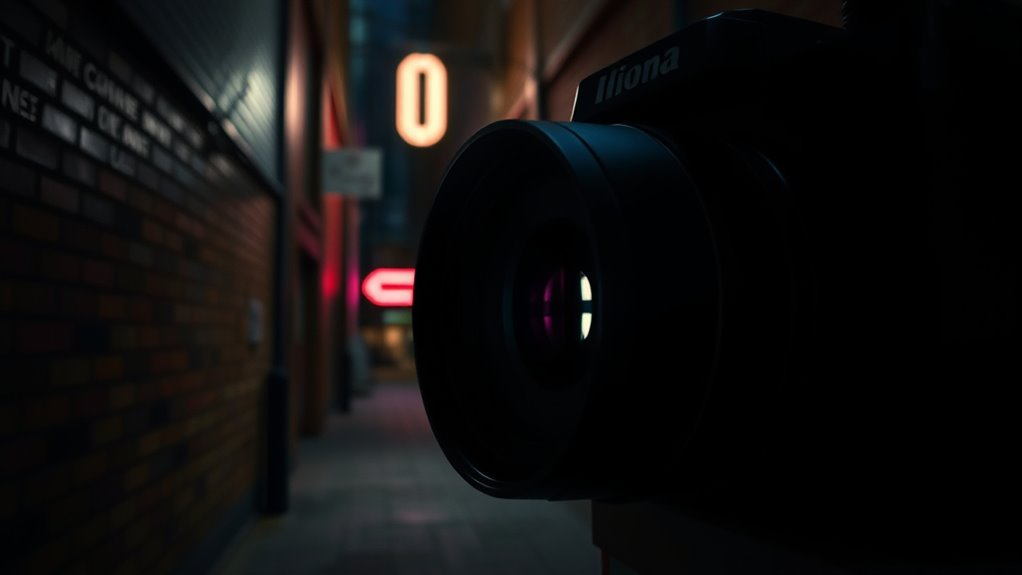
Although megapixels often grab the spotlight, sensor size plays a crucial role in low-light performance. Larger sensors capture more light, improving sensor efficiency and reducing the need for heavy noise reduction. This means your photos will be clearer and more detailed in dim conditions. Key factors include:
- Increased light gathering capability
- Better sensor efficiency
- Reduced grain and noise
- Enhanced dynamic range
- Improved overall image quality
A bigger sensor allows each pixel to be larger, which boosts low-light sensitivity. This results in sharper images with less noise, even at higher ISO settings. You’ll notice more accurate colors and better detail retention without relying heavily on noise reduction algorithms. Additionally, larger sensors often support higher quality lenses, which further enhances image clarity and detail. This combination is especially beneficial for photographers who prioritize image quality in low-light environments, making a larger sensor a worthwhile investment. Larger sensors also tend to have better autofocus performance, which improves the overall shooting experience in challenging lighting conditions. Moreover, sensor size influences the depth of field, enabling more creative control over background blur and subject isolation. So, if you often shoot in low-light environments, a larger sensor can make a noticeable difference in your photos’ clarity and quality.
Comparing Megapixels and Sensor Size in Different Camera Types
When comparing different camera types, it’s important to understand how megapixels and sensor size influence image quality across each category. Larger sensors generally improve low-light performance and dynamic range, regardless of megapixels, thanks to advanced sensor technology. Conversely, higher megapixels can enhance detail but may require robust image processing to avoid noise. Here’s a quick comparison:
| Camera Type | Megapixels | Sensor Size |
|---|---|---|
| Smartphone | Moderate (12-108 MP) | Small, compact sensors |
| Point-and-Shoot | Varies (16-20 MP) | Small sensors |
| Mirrorless | High (20-50 MP) | Larger sensors, APS-C or full-frame |
| DSLR | High (20-50 MP) | Larger sensors, full-frame |
| Medium Format | Moderate (50 MP) | Very large sensors |
Understanding sensor technology and image processing helps you select the right balance for your needs. Additionally, sensor technology continues to evolve, offering new possibilities for image quality even at smaller sensor sizes.
The Myth of “More Megapixels Equals Better Photos”
Many believe that more megapixels automatically mean better photos, but this isn’t always the case. Megapixel myths can mislead you into thinking higher resolution alone guarantees image quality. In reality, sensor technology plays a vital role, as a larger sensor with better technology can produce sharper, more detailed photos even with fewer megapixels. More megapixels can also introduce noise and reduce low-light performance if the sensor isn’t advanced enough. Remember, megapixels are just one piece of the puzzle. Additionally, sensor size significantly influences overall photo quality, often more so than megapixel count.
Balancing Resolution and Sensor Size for Optimal Results
Finding the right balance between resolution and sensor size is essential for achieving ideal image quality, because neither factor alone determines the final result. A well-calibrated sensor ensures accurate data capture, maximizing the benefits of higher resolution without introducing noise or artifacts. When selecting resolution, consider how image compression affects quality; higher megapixels can lead to larger file sizes, which may require more careful compression to prevent quality loss. Balancing these elements means choosing a sensor size that complements your intended use—larger sensors often support lower resolution while maintaining detail, whereas smaller sensors with higher megapixels may struggle with noise. Proper sensor calibration and mindful management of image compression help optimize image quality, ensuring your photos are sharp, clear, and true to life. Additionally, understanding sensor calibration techniques can further enhance the accuracy and consistency of your images over time.
Practical Examples: When Megapixels Matter Most

When you need large prints or want to crop tightly without losing details, high megapixel counts become essential. More megapixels let you enlarge images while maintaining sharpness and clarity. In these situations, sensor size takes a backseat to resolution for capturing fine details.
Large Prints, High Megapixels
High megapixel counts become essential when you need to produce large prints with sharp detail, such as advertising banners or gallery displays. To guarantee superior quality, your camera’s sensor must be compatible with high pixel density, avoiding issues like noise or loss of detail. When printing big, every pixel counts—more megapixels allow you to enlarge images without sacrificing clarity. Keep in mind that a higher megapixel count also means your camera needs sufficient sensor resolution to support large-format prints effectively. This ensures the image remains crisp and vibrant, even at close inspection.
- Achieve stunning detail in massive prints
- Maintain clarity without pixelation
- Capture fine textures and subtle tones
- Flexibility for cropping without quality loss
- Maximize sensor compatibility for superior results
Cropping and Details
Cropping becomes much more effective when you have a high-megapixel camera because it allows you to zoom in on details without sacrificing image quality. This is especially useful when you want to focus on specific elements in a scene or capture distant subjects. High megapixels give your camera more data, enabling precise image cropping while maintaining sharpness. Sensor performance also plays a vital role; a good sensor ensures that even heavily cropped images retain clarity and detail. With a high-megapixel sensor, you can crop tightly without introducing noise or losing important details. This flexibility is invaluable in situations like wildlife or sports photography, where capturing fine details matters most. Ultimately, more megapixels provide greater freedom for cropping while preserving the quality of your images.
Practical Examples: When Sensor Size Makes the Difference
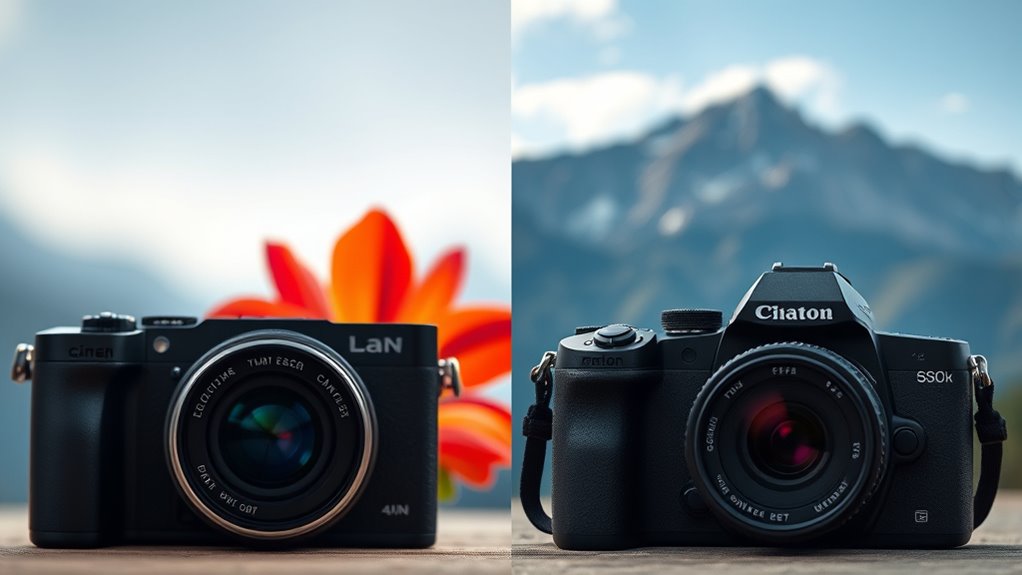
Sensor size can substantially impact your image quality in real-world shooting scenarios, especially in challenging lighting conditions. Larger sensors capture more light, reducing noise and enhancing detail, even at higher ISO settings. When dealing with a sensor crop, smaller sensors may force higher pixel density, causing more noise and less dynamic range. For example:
- Shooting in low light indoors without a flash
- Capturing fast-moving subjects in dim conditions
- Shooting landscapes with high contrast
- Taking portraits with smooth skin tones
- Using a telephoto lens for distant wildlife shots
In these situations, a larger sensor helps maintain image clarity and color accuracy, making sensor size a critical factor for serious photographers. Remember, pixel density and sensor crop considerably influence how well your camera performs in real-world environments.
Tips for Choosing the Right Camera Based on Your Needs
Choosing the right camera depends heavily on how you plan to use it and the conditions you’ll encounter. If durability matters—say, you’re shooting outdoors or in rugged environments—look for a camera with durable sensor construction to withstand dust and moisture. Camera ergonomics are also essential; a comfortable grip and intuitive controls make shooting easier and less fatiguing. Consider sensor size and image quality needs: larger sensors excel in low light, while smaller sensors are more portable. Think about your photography style—whether you need a compact point-and-shoot or a more advanced DSLR or mirrorless model. Matching these factors to your needs ensures you select a camera that performs reliably, feels comfortable to use, and produces the quality images you want.
Frequently Asked Questions
How Do Sensor Quality and Manufacturing Affect Overall Image Quality?
Sensor quality and manufacturing directly impact your image quality. Higher-quality sensors with better manufacturing precision capture more light, resulting in clearer, more detailed photos. Durable sensors withstand wear over time, maintaining consistent image output. When you choose sensors built with excellent manufacturing standards, you get better color accuracy, less noise, and improved low-light performance. So, investing in sensors with superior durability and manufacturing guarantees your photos stay sharp and vibrant over the years.
Can a Camera With Fewer Megapixels Outperform a Higher-Megapixel Camera?
Think of megapixels as a bucket’s size—more isn’t always better if the water quality is poor. A camera with fewer megapixels can outperform a higher-megapixel one if it has better megapixel efficiency and a durable, high-quality sensor. The sensor’s ability to handle light and noise, along with its durability, directly impacts image quality. So, a well-designed, durable sensor with ideal megapixel efficiency can produce superior photos regardless of megapixel count.
How Does Sensor Size Influence Autofocus Performance?
A larger sensor enhances your autofocus speed and low light performance because it allows more light to reach the camera’s autofocus sensors. This means you’ll get quicker, more accurate focus, especially in dim conditions. You’ll notice less hunting and better tracking of moving subjects. So, if improving autofocus performance and shooting in low light matters to you, a camera with a bigger sensor is the way to go.
What Role Does Image Processing Software Play in Photo Quality?
Image processing software plays a crucial role in photo quality by performing software enhancement and noise reduction. You can improve your photos markedly with these tools, as they sharpen details, adjust color accuracy, and reduce graininess in low-light shots. By applying intelligent algorithms, the software helps you achieve clearer, more vibrant images, even if your camera’s hardware isn’t top-tier. This makes post-processing essential for capturing professional-looking photos.
Are Medium Format Cameras Worth the Investment for Hobbyists?
If you’re into serious hobbyist photography and want the best image quality, medium format cameras are worth the investment. They offer larger sensors, which capture more detail and dynamic range, elevating your photos beyond what standard DSLRs can achieve. While they’re pricier and bulkier, the stunning resolution and color accuracy make them ideal for those wanting professional-level results without turning pro. If you’re passionate, they’re definitely worth considering.
Conclusion
Ultimately, choosing between megapixels and sensor size depends on what you need from your photos. Don’t put all your eggs in one basket—consider both factors to get the best results. If you want sharp detail, go for higher megapixels; for better low-light shots, prioritize sensor size. Remember, a balanced approach often wins the race, so weigh your options carefully and find the camera that truly fits your style.