Choosing between prime and zoom lenses depends on your shooting style. Use a prime lens for sharp, high-quality images, especially in controlled settings like portraits or low-light scenes. Opt for a zoom lens when capturing dynamic scenes or wildlife, where flexibility and quick framing are essential. Understanding when to utilize each lens type will help you capture perfect shots. Keep exploring to discover how to make the most of each lens in various situations.
Key Takeaways
- Use prime lenses for high-quality, sharp images in controlled environments like studio or portrait photography.
- Opt for zoom lenses when capturing fast-moving scenes or unpredictable outdoor conditions requiring flexible framing.
- Choose prime lenses for low-light conditions and shallow depth of field to highlight subjects sharply.
- Use zoom lenses for dynamic storytelling or when quick adjustments between focal lengths are needed.
- Select prime lenses for deliberate composition and artistic control; prefer zooms for versatility and spontaneity.
Top picks for "lens prime zoom"
Open Amazon search results for this keyword.
As an affiliate, we earn on qualifying purchases.
Understanding the Basic Differences Between Prime and Zoom Lenses
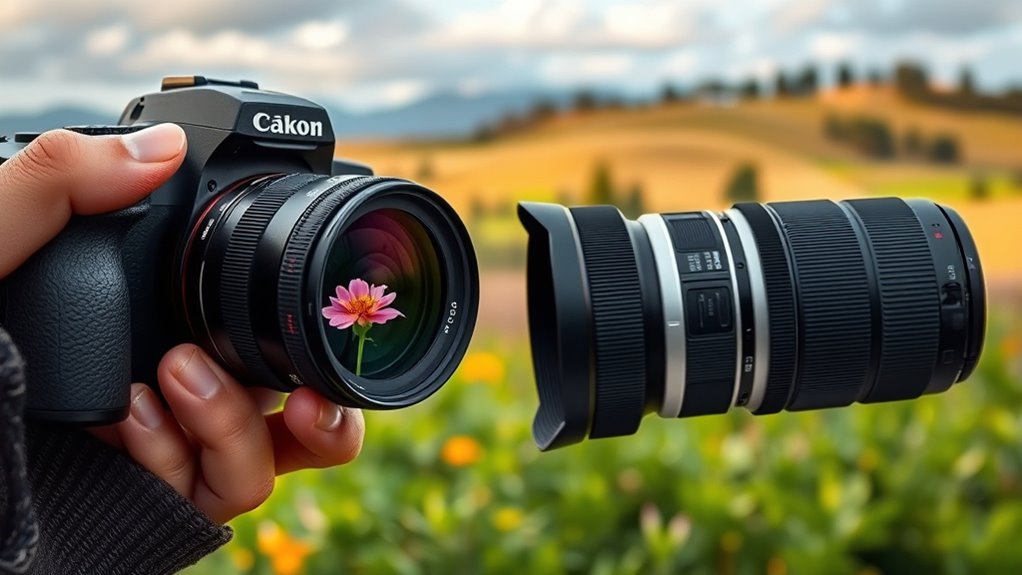
While both prime and zoom lenses serve the same purpose of capturing images, they differ markedly in design and functionality. Prime lenses have a fixed focal length, meaning your focal length can’t change, which often results in better image quality and wider apertures. Zoom lenses, on the other hand, offer focal length variability, allowing you to adjust the zoom range without changing lenses. This flexibility makes zooms versatile but can sometimes compromise aperture consistency; many zooms have variable apertures that narrow as you zoom in. Prime lenses typically maintain a constant aperture, giving you more control over depth of field and exposure settings. Additionally, energy-efficient designs in modern lenses can enhance overall performance and sustainability. Understanding these differences helps you choose the right lens for your photography style and specific shooting conditions, especially when considering factors like weight and portability for travel or street photography. For example, the contrast ratio of a lens can influence how well your images retain detail in shadows and highlights under different lighting conditions.
A lighting condition can also determine whether a prime or zoom lens is more suitable for your shot.
Advantages of Prime Lenses for Portrait Photography

Prime lenses are a popular choice for portrait photography because they excel in delivering sharp, high-quality images with beautiful background blur. Their fixed focal length encourages you to move around, helping you find the perfect composition and framing. Unlike zoom lenses, prime lenses often have wider apertures, which allow for exceptional control over depth of field. This creates a pleasing separation between your subject and the background, making your portraits stand out. While they lack focal length versatility, their optical quality and ability to produce creamy bokeh make them ideal for capturing expressive, detailed portraits. With fewer moving parts, prime lenses also tend to be more durable and reliable, ensuring consistent results for your portrait sessions.
When to Opt for a Zoom Lens for Landscape Shots
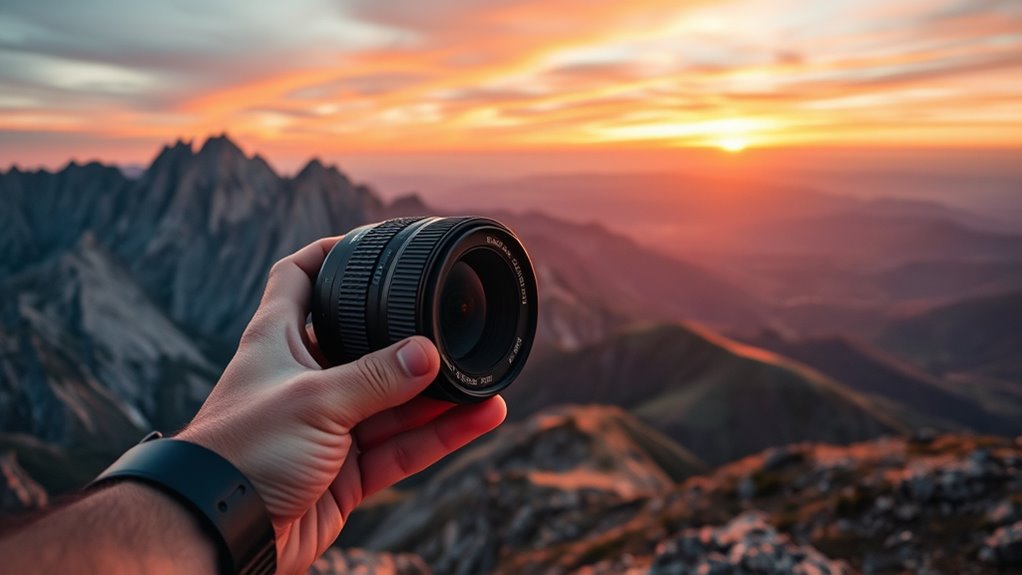
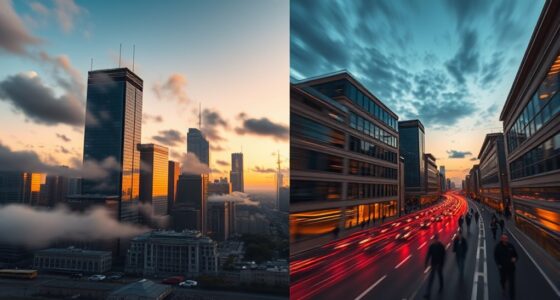
Have you ever faced changing scenery or unpredictable weather during a landscape shoot? A zoom lens becomes invaluable in these moments because it allows you to quickly adapt your framing without changing lenses. When capturing panoramic landscapes, a zoom enables you to smoothly shift from wide vistas to more focused details, saving time and effort. Similarly, for urban cityscapes, you might start with a broad shot of the skyline and zoom in on architectural details or bustling street scenes. This flexibility helps you frame your shots perfectly, even when conditions shift unexpectedly. Using a zoom lens ensures you don’t miss key moments or compositions, making it the ideal choice when versatility and rapid adjustments are necessary during landscape photography. Additionally, understanding piercing care and hygiene can help you maintain your equipment and personal health in outdoor environments. Proper lens maintenance and equipment hygiene are essential to ensure your gear performs optimally in varied outdoor conditions. Recognizing lens versatility can further enhance your ability to adapt quickly to different scenes and lighting situations.
Best Uses of Prime Lenses in Low-Light Conditions
Prime lenses excel in low-light situations because they gather more light, helping you capture brighter, clearer images. Their sharp image quality guarantees your photos stay crisp even in challenging conditions. If you want better performance when lighting is limited, prime lenses are a smart choice. Additionally, their natural focus and wide apertures make them ideal for creating beautiful bokeh effects in various settings.
Superior Light Gathering
Because of their wider apertures, prime lenses excel at gathering light in low-light conditions, making them ideal for night photography or indoor shoots. Their large lens aperture allows more light to enter, boosting light efficiency and enabling you to shoot with faster shutter speeds. This improved light gathering reduces the need for artificial lighting or long exposures, helping you capture sharp images without motion blur. With a prime lens, you can achieve brighter, clearer shots even in dim environments. The ability to maximize light intake is a key advantage, especially when you want to preserve natural ambiance or avoid noise caused by high ISO settings. Overall, prime lenses give you superior light gathering capabilities that are essential for low-light photography.
Sharp Image Quality
In low-light conditions, prime lenses deliver remarkably sharp images due to their wide apertures and high-quality glass elements. Their large apertures allow more light in, resulting in better detail and minimal noise, especially in dim settings. With a wider aperture, you can achieve a shallow depth of field, making your subject stand out against a softly blurred background. Prime lenses also tend to reduce chromatic aberration, ensuring color fringing doesn’t spoil your shot’s clarity. This combination of sharpness and control over depth of field makes prime lenses ideal for capturing fine details and vibrant images in challenging lighting. Their design minimizes optical distortions, delivering consistently crisp results. For low-light photography where image quality matters most, a prime lens is your best choice.
Benefits of Zoom Lenses for Action and Wildlife Photography
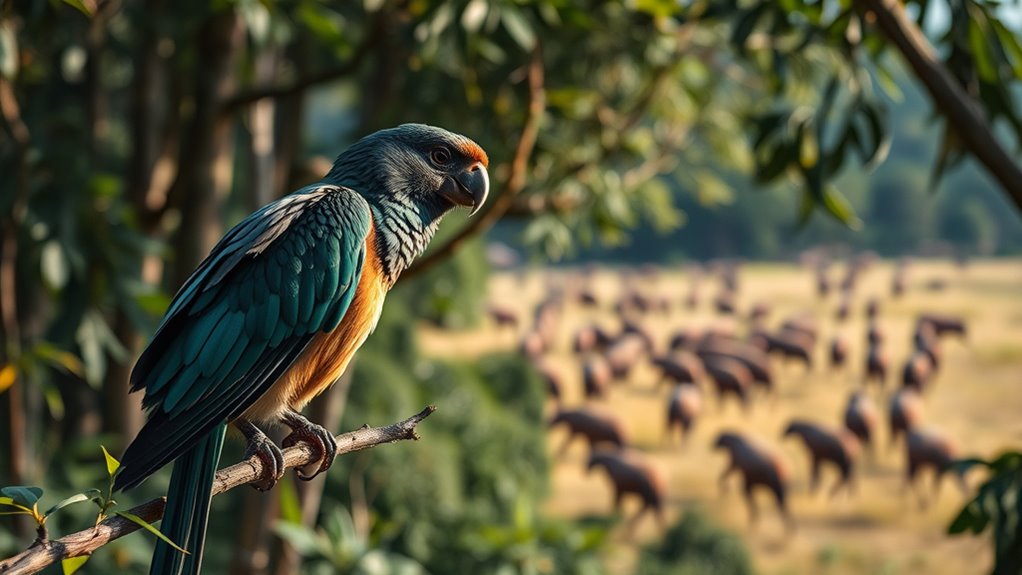
Zoom lenses offer unmatched versatility for action and wildlife photography, allowing you to quickly adapt to changing scenes without changing lenses. You can capture distant animals, fast-moving sports, or fleeting moments with ease. Their variable focal lengths enable you to frame shots precisely without carrying multiple lenses. This flexibility reduces lens maintenance concerns, as you can stay focused on capturing images rather than swapping gear. When packing your camera bag essentials, a good zoom lens minimizes clutter and provides quick access to different compositions. Visualize your shot options:
| Distance to Subject | Focal Length Range | Scene Type |
|---|---|---|
| Far | 70-200mm | Wildlife stalking |
| Close | 24-70mm | Action-packed moments |
| Distant | 100-400mm | Bird in flight |
| Mid-range | 24-105mm | Landscape or sports |
Additionally, the flexibility of focal lengths in zoom lenses allows photographers to adjust their framing instantly, which is especially valuable in unpredictable shooting environments.
How Prime Lenses Enhance Image Quality and Sharpness
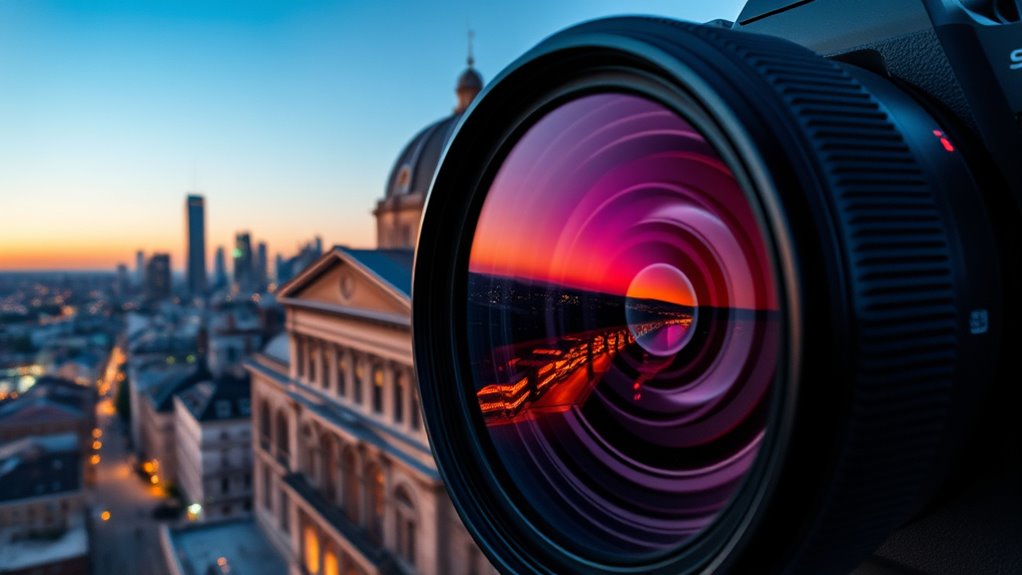
Prime lenses are renowned for their ability to deliver exceptional image quality and sharpness. Their fixed focal lengths mean fewer glass elements, reducing distortions and producing crisper images. You’ll notice more impressive bokeh effects, creating beautifully blurred backgrounds that highlight your subject. This is especially useful for portraits or detail shots where background separation matters. Additionally, prime lenses allow you to achieve a shallower depth of field, giving your photos a more professional, cinematic look. The enhanced sharpness and clarity stem from their optimized optical design, giving you crisp details from edge to edge. When you want maximum image quality and creative control over focus and background blur, prime lenses are your best choice. Optical design plays a crucial role in their ability to produce such high-quality images.
Flexibility of Zoom Lenses in Dynamic Shooting Environments
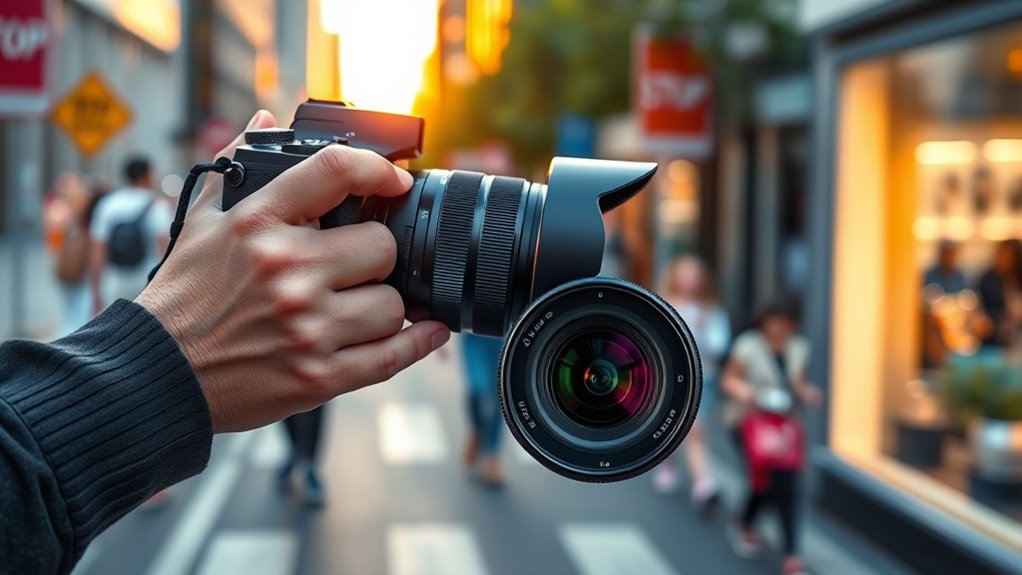
When you’re shooting in fast-paced or unpredictable environments, having the ability to quickly adjust your framing is essential. Zoom lenses offer exceptional zoom versatility, allowing you to smoothly shift between focal lengths without changing lenses. This adaptability is vital for capturing spontaneous moments or shifting scenes, enabling you to maintain dynamic framing without missing key details. With a zoom lens, you can seamlessly go from wide shots to close-ups, saving time and reducing the need to carry multiple lenses. This flexibility keeps your workflow efficient and guarantees you stay focused on the moment, rather than fumbling with equipment. In dynamic shooting environments, zoom lenses empower you to respond instantly, making them invaluable for capturing authentic, in-the-moment shots.
Choosing the Right Lens Based on Your Photography Style
Your photography style plays a key role in selecting the right lens. Consider whether your approach values artistic expression or prefers versatility and convenience. Matching your lens choice to your shooting habits helps you capture your vision more effectively. Additionally, understanding living spaces can inspire creative photography setups that enhance your overall well-being. Embracing curiosity about different lenses and techniques can also open new creative possibilities and improve your photography skills. Exploring lens characteristics enables you to better match equipment to your unique style and goals.
Shooting Style Compatibility
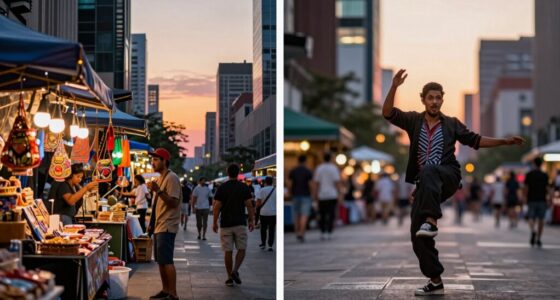
Choosing the right lens depends heavily on your photography style, as different lenses complement various shooting techniques and subjects. If you prefer fast-paced street photography, a prime lens with quick autofocus speed can help you capture fleeting moments with precision. For portrait work, consider how camera ergonomics align with your shooting stance, ensuring comfort during extended sessions. If you shoot landscapes or wildlife, a zoom lens offers flexibility when adjusting framing without disrupting your workflow. Your style also influences how you handle focus; some lenses require more manual control, while others offer seamless autofocus. Matching your lens choice to your shooting style guarantees you stay comfortable and efficient, allowing you to focus on capturing your vision rather than battling equipment limitations. Additionally, understanding vetted vacuum models can inspire you to choose equipment that is reliable and effective, much like selecting the right lens for your photography needs. Moreover, considering sound healing science can enhance your creative process by promoting mental clarity and relaxation during shoots. Recognizing the importance of market trends in photography gear can also help you make informed decisions about investing in new lenses and accessories. Staying aware of seasonal maintenance tips can ensure your equipment remains in optimal condition for every shoot. Furthermore, researching ergonomic design in camera gear can help prevent fatigue and improve your overall shooting experience.
Artistic Expression Potential
The lens you select considerably influences the mood and artistic impact of your images. Prime lenses often excel in creating striking images through superior sharpness, enabling you to harness creative lighting and subtle color manipulation. Their fixed focal length encourages deliberate composition, helping you craft a specific artistic vision. Zoom lenses offer versatility, allowing quick framing adjustments that support dynamic storytelling and spontaneous moments. Your choice depends on your photography style: if you prioritize controlled lighting and refined color effects, a prime lens can elevate your work. Conversely, if flexibility and capturing fleeting expressions matter most, a zoom lens helps you adapt swiftly. By understanding each lens’s artistic potential, you can select tools that enhance your unique style and bring your creative ideas to life. Understanding lens versatility can further help you make informed decisions based on your specific artistic goals. Additionally, considering lens aperture can influence the depth of field and low-light performance, further shaping your artistic expression.
Flexibility and Convenience
Selecting the right lens depends heavily on your photography style and the situations you frequently encounter. If you value flexibility and convenience, a zoom lens offers significant advantages. It allows you to quickly adapt to different scenes without changing lenses, saving time during fast-paced shoots. This reduces the need for frequent lens maintenance, which can be vital in challenging environments. Additionally, ensure your lens is compatible with your camera to avoid compatibility issues and maximize performance. Prime lenses, while offering superior image quality, lack zoom functionality, making them less convenient for spontaneous shots. By choosing a lens that aligns with your shooting style, you’ll streamline your workflow and capture moments more efficiently, whether you’re documenting events or exploring new creative angles. Understanding lens types can help you make more informed decisions tailored to your specific needs.
Cost and Portability Considerations for Prime vs. Zoom Lenses
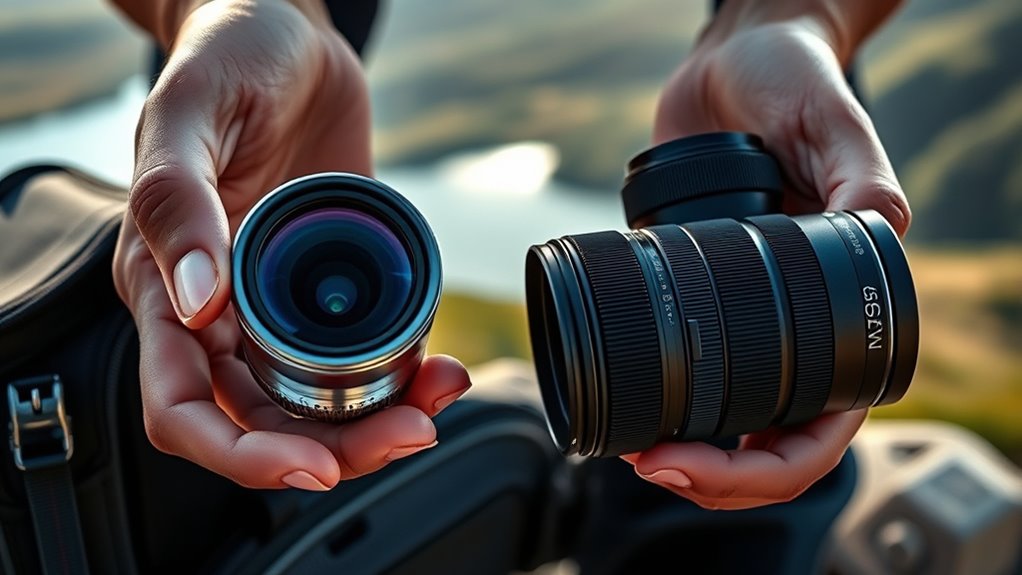
While prime lenses often come with higher upfront costs, they can be more economical over time due to their simplicity and durability. Typically, prime lenses are lighter than zoom lenses, making them easier to carry around, especially if you’re shooting on the go. Their straightforward design means fewer moving parts, which often translates into better build quality from trusted manufacturer brands. Mad Tasting offers a variety of tips for choosing the right gear, including considerations for lens selection. Zoom lenses, on the other hand, tend to be bulkier and heavier, especially high-quality models, which can impact portability and comfort during extended shoots. If you prioritize a lightweight setup and plan to travel with your gear, prime lenses offer a clear advantage. Additionally, lens versatility can be a crucial factor to consider when selecting your gear, as it impacts the range of shots you can achieve without switching lenses. Understanding investment costs and potential long-term savings is also important when weighing the benefits of prime versus zoom lenses. For example, optical quality is often superior in prime lenses due to their simpler design, which can be especially beneficial for professional photographers. Choosing between prime and zoom lenses also involves understanding emotional regulation, which can influence how effectively you adapt to different shooting conditions. However, investing in a good zoom lens might be more cost-effective if you need versatility in a single, portable package.
Tips for Maximizing Your Shots With Each Lens Type
To get the most out of your prime and zoom lenses, understanding how to optimize their unique strengths is essential. Regular lens maintenance keeps your equipment in top shape and ensures sharp images. When shooting, consider these tips:
- Choose the right lens for the scene; use prime lenses for detail and zooms for versatility.
- Keep your camera bag essentials organized to quickly switch lenses without missing shots.
- Practice minimal lens adjustments during shoots to avoid dust or dirt entering your lens, which can affect image quality.
Frequently Asked Questions
How Do Lighting Conditions Influence the Choice Between Prime and Zoom Lenses?
Lighting conditions heavily influence your lens choice. If you need lighting adaptability, a prime lens with a wide aperture offers better performance in low light and creates beautiful background blur. Conversely, zoom lenses provide aperture flexibility across different focal lengths, allowing you to quickly adapt to changing lighting. Use primes in steady, low-light situations, and zooms when you require versatility and quick adjustments in dynamic environments.
Can Prime Lenses Be Effectively Used for Video Recording?
You might think prime lenses are too limited for video, but they’re actually fantastic tools for cinematography techniques. Their sharpness and wide apertures create smooth, cinematic shots, and their lens compatibility means you can use them effectively in your projects. Sure, zooming isn’t as flexible, but with steady hands or gimbals, prime lenses excel for storytelling, giving your videos a professional look and feel that’s hard to beat.
What Are the Maintenance Needs for Prime Versus Zoom Lenses?
You need to regularly clean your lenses with a lens cleaning solution and a microfiber cloth to keep images sharp. Store your prime and zoom lenses in padded cases or dedicated storage solutions to prevent dust and scratches. Avoid touching the lens glass with your fingers, and keep them in a cool, dry place. Proper maintenance guarantees your lenses stay in excellent condition, providing clear, high-quality shots every time.
How Does Autofocus Performance Differ Between Prime and Zoom Lenses?
You’ll notice that prime lenses often have faster autofocus speed and better autofocus accuracy compared to zoom lenses. This is because prime lenses have simpler optical designs, making focusing more precise and quicker. Zoom lenses, with their complex construction, sometimes lag in autofocus speed and may struggle with accuracy at certain focal lengths. So, for fast-moving subjects or sharp focus, primes generally give you a performance edge.
Are There Specific Brands Known for Superior Prime or Zoom Lenses?
You’ll find that brands like Canon, Nikon, and Sony have stellar reputations for superior prime and zoom lenses, thanks to their consistent lens quality and innovative technology. These brands are known for producing reliable autofocus, sharp images, and durable build quality, making them top choices for photographers seeking excellence. Your decision should consider brand reputation and lens quality, ensuring you get the best performance whether you choose a prime or zoom lens.
Conclusion
Choosing between a prime and zoom lens is like picking the right tool for the job. Prime lenses offer sharpness and clarity, perfect for portraits and low-light shots, while zooms give you flexibility to capture moments on the fly. By understanding their strengths, you’ll navigate your photography adventures with confidence. Think of it as a dance—each lens moves you closer to capturing that perfect shot, just like a well-choreographed rhythm.