Serious photographers shoot in RAW because it offers unmatched control over image quality, dynamic range, and post-processing flexibility that JPEG can’t match. RAW files preserve all sensor data, allowing you to fine-tune colors, recover details in shadows and highlights, and achieve higher-quality results. While RAW requires more storage and careful management, it gives you more creative freedom. To discover how mastering RAW can elevate your work, explore further insights in this guide.
Key Takeaways
- RAW files preserve maximum detail, dynamic range, and color information for superior post-processing flexibility.
- Shooting in RAW allows for precise adjustments in exposure, white balance, and color grading without quality loss.
- RAW images support larger print sizes and professional quality outputs due to richer color depth and detail.
- They enable recovery of highlight and shadow details in challenging lighting conditions.
- RAW provides greater control and creative flexibility, essential for serious photographers aiming for high-quality results.
Top picks for "jpeg seriou photographer"
Open Amazon search results for this keyword.
As an affiliate, we earn on qualifying purchases.
Understanding the Basic Differences Between RAW and JPEG
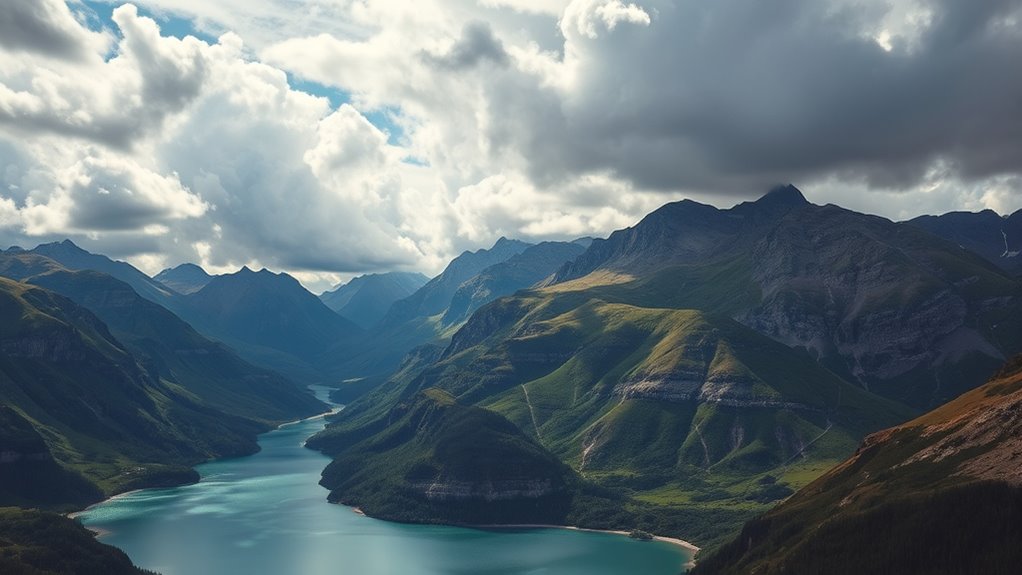
Understanding the basic differences between RAW and JPEG is essential for photographers who want control over their images. RAW files contain unprocessed data straight from your camera’s sensor, preserving details like sensor sensitivity and dynamic range. This means you get more flexibility during editing, as no information is lost through compression. Additionally, RAW files support greater color depth, allowing for more accurate color representation and easier color grading. JPEGs, on the other hand, are processed and compressed directly in-camera. This file compression reduces file size, making images easier to share and store but at the expense of some detail and tonal information. Because of this, JPEGs are less adaptable if you need significant adjustments later. Recognizing these differences helps you choose the right format based on your needs, whether for quick sharing or maximum editing latitude. Furthermore, understanding color accuracy and how each format handles color information can influence your decision depending on the intended use of the images. To optimize your workflow, it’s also important to consider storage requirements, as RAW files generally require more space but offer greater editing potential.
The Advantages of Shooting in RAW for Image Quality
Shooting in RAW offers significant advantages for image quality because it captures all the unprocessed data from your camera’s sensor. This means you retain maximum detail, dynamic range, and color information, which are vital for high-quality prints and accurate color reproduction. RAW files preserve sensor sensitivity information, allowing you to adjust exposure and brightness without degrading image quality. This flexibility guarantees your photos maintain sharpness and clarity, especially when preparing images for large-format printing. Additionally, shooting in RAW helps prevent noise and artifacts, which can compromise image integrity. Moreover, understanding file management and workflow is essential for efficiently handling RAW images during editing and storage. For photographers aiming for professional-grade results, mastering color grading and correction can further enhance the final image quality. Overall, it gives you the best foundation for producing professional-grade images.
Flexibility in Post-Processing and Editing
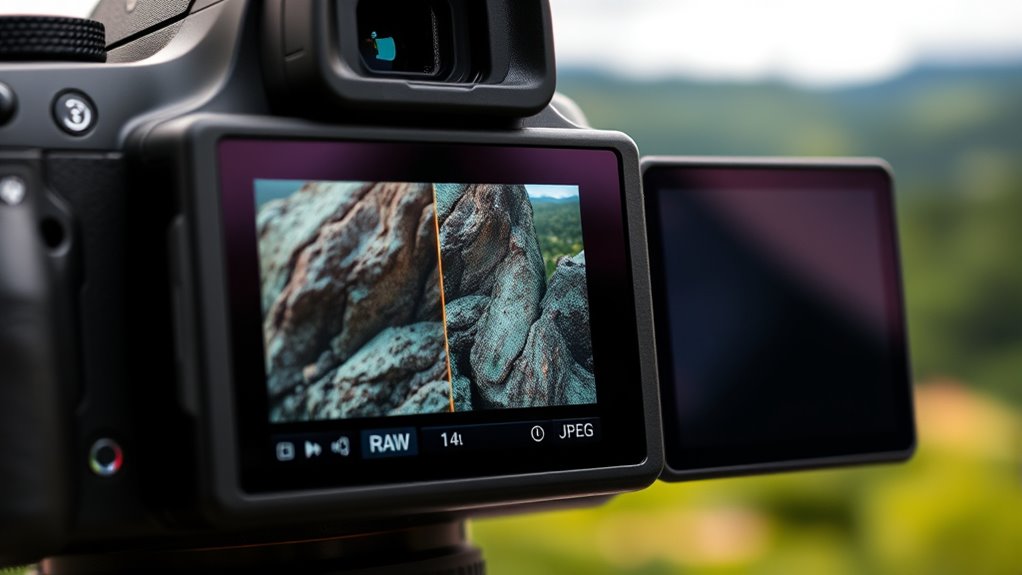
Because RAW files capture all the unprocessed data from your camera’s sensor, they provide unmatched flexibility when editing your images. This allows you to fine-tune color grading with greater precision, ensuring your colors look exactly how you want them. You can correct exposure issues, recover shadow details, and adjust white balance without degrading image quality. Such control is essential for achieving professional results, especially when preparing images for high-quality printing. RAW files give you the ability to make subtle adjustments that enhance overall image clarity and vibrancy. Additionally, working with vetted files ensures consistency and reliability throughout your editing process. The dynamic range captured in RAW files also enables better preservation of highlight and shadow details, which is critical for high-quality editing. The greater color depth in RAW files allows for more nuanced color variations, making your images appear more natural and vibrant. Overall, shooting in RAW empowers you to craft images with superior detail and color accuracy, even after the shot is taken. Moreover, the increased editability of RAW files helps preserve image quality during complex post-processing workflows. Furthermore, understanding the sensor data inherent in RAW files helps photographers make more informed editing decisions, leading to better final results.
The Impact on Storage Space and File Management

Since RAW files contain all the uncompressed sensor data, they tend to be considerably larger than JPEGs, which are compressed to save space, your storage needs increase substantially. Managing these larger files requires careful planning. Additionally, implementing affiliate disclosure practices can help transparently communicate any sponsored content related to storage solutions or photography gear. Here are three key points to contemplate:
RAW files are much larger than JPEGs, requiring careful storage management and planning.
- You’ll need more storage capacity, especially if you shoot frequently, making external drives or high-capacity SD cards essential.
- File compression options can help reduce RAW file sizes, but may slightly impact image quality.
- Cloud storage becomes a valuable solution, allowing easy access and backup without cluttering your local drives. Considering digital asset management tools can also streamline organizing and retrieving your images efficiently.
- Employing file organization strategies can help you keep track of large collections, preventing clutter and making workflow more efficient. Additionally, understanding the net worth of photographers can influence the investment in high-quality storage solutions, especially for those transitioning from amateur to professional status.
- Staying informed about storage technology advancements can help you optimize your workflow and maintain data security.
Color Depth and Dynamic Range Considerations
When you choose RAW, you’ll gain richer color information that captures subtle tones more accurately. This format also offers greater exposure flexibility, allowing you to recover details in highlights and shadows. Understanding these benefits helps you decide if maximizing image quality is worth the larger file size.
Richer Color Information
Raw files typically capture images with higher color depth and broader dynamic range than JPEGs, giving you more detailed and nuanced colors. This means you can enjoy smoother color gradation and better preserve subtle progressions in tones. With more color information, you gain greater control over saturation during post-processing, allowing you to enhance or tone down colors without losing quality.
Here are some key benefits:
- Richer, more natural color transitions for a more realistic look.
- Greater flexibility in adjusting saturation without banding or artifacts.
- Improved handling of highlights and shadows, preserving color integrity in challenging lighting.
Greater Exposure Flexibility
Greater exposure flexibility is one of Raw’s key advantages, thanks to its higher color depth and dynamic range. This means you can make more precise exposure adjustments without degrading image quality. If your shot has bright highlights or deep shadows, you can recover details in these areas during editing, especially in highlight recovery. Unlike JPEGs, which compress tonal information and limit exposure adjustments, Raw files give you the freedom to fine-tune exposure without sacrificing image fidelity. This adaptability helps ensure your final image maintains natural tones and detail, even when your initial shot wasn’t perfectly exposed. With Raw, you can confidently correct exposure issues, preserve highlight details, and achieve a balanced, professional-looking photo. Understanding dynamic range enhances your ability to capture and edit images with greater tonal detail and flexibility. Additionally, shooting in Raw allows for better control over color depth, enabling more vibrant and accurate colors during post-processing.
Workflow and Speed: When JPEG Might Be Preferable
When speed matters, JPEG offers faster processing times, letting you review and share images immediately. If you need to upload or print quickly, JPEG’s streamlined workflow saves valuable time. This makes it the better choice for busy situations where efficiency is key. Additionally, smart kitchen tools can often integrate with digital workflows, making JPEG images more compatible for quick sharing and documentation.
Faster Processing Times
Have you ever needed to process a large number of images quickly? JPEGs offer faster processing times because they require less time to handle. This is especially true when working with high sensor sensitivity, which can generate large RAW files. JPEG images are compressed using image compression, reducing file sizes markedly. This means you spend less time waiting for images to load, edit, or transfer. Additionally, AI training jobs often require rapid processing of large datasets, making JPEGs a practical choice for quick workflows. Here are three reasons JPEG speeds up your workflow:
- Smaller file sizes mean quicker copying and uploading
- Less processing power needed for editing
- Immediate viewing without waiting for rendering
If speed is your priority, JPEG provides a straightforward, efficient option, especially when rapid turnaround outweighs the need for extensive editing or maximum image quality.
Immediate Sharing Benefits
Because quick sharing is often essential, JPEG images are ideal when you need to distribute photos rapidly. Their smaller file sizes enable instant sharing via email, social media, or messaging apps without long upload times. JPEGs also facilitate quick edits, allowing you to adjust brightness, contrast, or crop images on the fly, saving valuable time. When you’re in a hurry, these images streamline your workflow by eliminating the need for extensive processing before sharing. This makes JPEG perfect for events, client deliverables, or social media posts where speed matters most. With JPEGs, you can focus on capturing and sharing content immediately, ensuring your images reach your audience swiftly while requiring minimal post-processing.
Common Scenarios Where RAW Outperforms JPEG
In situations that demand maximum image quality and flexibility, RAW files often outperform JPEGs. You benefit from greater control over color grading, allowing you to fine-tune hues and tones without quality loss. RAW files also handle file compression better, preserving detail in shadows and highlights that JPEGs might compress and lose. Consider these scenarios:
- When editing for accurate color representation, RAW’s unprocessed data provides more latitude for adjustments.
- During high-contrast shoots, RAW preserves details in both shadows and highlights better than JPEGs.
- When preparing images for large prints, RAW’s superior detail and color depth ensure the best quality possible.
- Using coaching and mentoring dynamics can help photographers develop skills to maximize the benefits of shooting in RAW over JPEG.
- Shooting in RAW also benefits dynamic range, enabling the capture of a broader spectrum of tones and subtle color variations that are crucial in professional photography.
- Additionally, RAW files facilitate advanced post-processing techniques, giving photographers greater creative freedom to achieve their desired look.
- Understanding sensor technology can further enhance your ability to utilize RAW files to their full potential.
- Familiarity with file management strategies can help photographers handle larger RAW files efficiently, avoiding workflow bottlenecks.
Tips for Managing Your RAW Files Effectively

Managing your RAW files effectively starts with establishing a solid organizational system. Use clear folder structures that categorize images by date, event, or subject, making it easier to locate files later. Consistent file naming conventions, like including the date or shoot name, help keep things orderly. To prevent data loss, implement reliable backup strategies; keep copies on an external drive or cloud storage. Regularly update your backups, especially after editing sessions or large shoots. Consider using photo management software to streamline file organization and guarantee quick access. Staying disciplined with these habits minimizes clutter and saves time during post-processing. Additionally, understanding file formats can help you optimize storage and image quality for your specific needs. Implementing encryption solutions for your backup data can further enhance your data security and protect your valuable images from unauthorized access. Incorporating digital asset management systems can also improve your workflow by allowing easier cataloging and retrieval of your RAW files. Ultimately, an efficient system keeps your RAW files secure, accessible, and ready for editing whenever you need them.
Making the Choice: When to Use RAW Versus JPEG

Choosing between RAW and JPEG depends on your photography goals and workflow. If you want maximum control over editing, shoot in RAW, especially when using versatile lens selection and different shooting modes. JPEG is suitable for quick sharing or when you prefer a streamlined process. Consider these points:
- Use RAW when capturing scenes with high dynamic range or challenging lighting conditions to preserve detail.
- Opt for JPEG in fast-paced environments or when working with limited storage, as it saves space and processes faster.
- Choose RAW if you plan to do extensive post-processing, regardless of your lens choices or shooting modes, to access the full image data.
Your decision hinges on whether you prioritize flexibility or convenience, aligning with your shooting style and editing needs.
Frequently Asked Questions
Can I Convert JPEG Files to RAW Later?
You can’t convert JPEG files to RAW later because JPEGs are a compressed, processed file format that loses original image data. Once you save a photo as JPEG, editing flexibility diminishes because you can’t recover the original details. To keep your options open for extensive editing, always shoot in RAW format initially. This preserves maximum image data, giving you greater control over adjustments later on.
Do All Cameras Support Shooting in RAW Format?
Not all cameras support shooting in raw format, so you need to verify your camera’s compatibility and raw support. Many advanced DSLR and mirrorless cameras do support raw, offering greater flexibility in editing. However, entry-level models might only shoot JPEGs. To guarantee you get the raw files you want, review your camera’s specifications or manual, especially if shooting in raw is important for your photography workflow.
How Does Shooting in RAW Affect Battery Life?
Shooting in RAW increases battery drain by roughly 10-15% compared to JPEG because it requires more processing time and data handling. When you capture images in RAW, your camera’s sensor and processor work harder, leading to faster battery consumption. This means you’ll find your battery depletes quicker, especially during extended shoots. To counteract this, consider carrying extra batteries or reducing processing time by adjusting camera settings.
Are There Any Legal Restrictions on Editing RAW Files?
There are generally no legal restrictions on editing raw files, so you’re free to process your images as you see fit. However, some jurisdictions may have specific rules for certain types of images, like copyrighted works or sensitive content. When engaging in raw editing, always respect intellectual property laws and avoid manipulating images in a way that could be misleading or violate ethical standards. Stay informed about local regulations to ensure compliance.
Is Professional Printing Easier With RAW or JPEG Images?
You’ll find professional printing easier with RAW images because they offer superior color grading flexibility and print accuracy. Imagine adjusting exposure and color in a RAW file to make certain every detail is perfect before printing, unlike JPEGs that compress data and limit edits. With RAW, you can fine-tune tones and colors, ensuring your final print matches your vision precisely, resulting in stunning, true-to-life prints every time.
Conclusion
Choosing between RAW and JPEG is like picking the right brush for your masterpiece—you need the flexibility of RAW to bring out every detail or the speed of JPEG for quick shots. Think of your camera as a toolbox; knowing when to use each format helps you craft images that truly stand out. Master this balance, and you’ll turn every shot into a work of art, just like a painter knows when to add a bold stroke or a subtle hue.