
Your lens choice shapes your images more than the camera body you use because it influences focal length, aperture, and perspective, which greatly affect composition, depth, and mood. Different lenses can exaggerate foregrounds, flatten scenes, or isolate subjects, giving your photos a unique style and storytelling power. While camera bodies provide technical capabilities, it’s your lens selection that truly crafts the visual feel and artistic impact. Keep exploring to discover how mastering lens choices can elevate your photography.

Get the latest gadgets delivered free — and shop member deals
- Fast, free delivery on millions of items
- Access to Prime Big Deal Days deals on October 6–7
- Prime Video, Amazon Music and more included
Key Takeaways
- Lens choice affects focal length, aperture, and perspective, shaping the image’s composition and visual style more than the camera body.
- Different lenses create unique effects like background blur, distortion, and depth, influencing storytelling and mood.
- Lens versatility impacts image quality, sharpness, and contrast, often more than camera resolution or sensor size.
- Creative control is primarily driven by lens selection, enabling specific artistic effects beyond camera capabilities.
- Technical lens characteristics determine aberrations and distortions, directly affecting overall image quality and aesthetic.
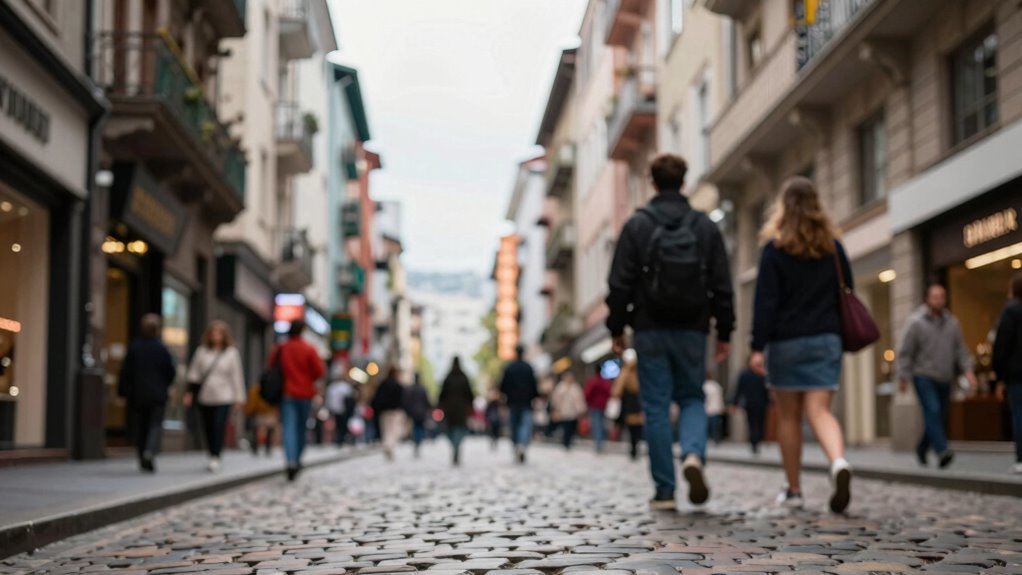
Choosing the right lens and camera can substantially impact the quality and style of your photos, but understanding how they work together is key. Many photographers focus on camera bodies, believing that upgrading the camera alone will dramatically improve their images. However, lens choice influences your photos in more nuanced ways, often more than just the camera model itself. Variations in focal length and lens aperture have a profound effect on your composition, depth of field, and overall aesthetic.
Lens choice often influences your photos more than the camera body itself, shaping composition, depth, and overall style.
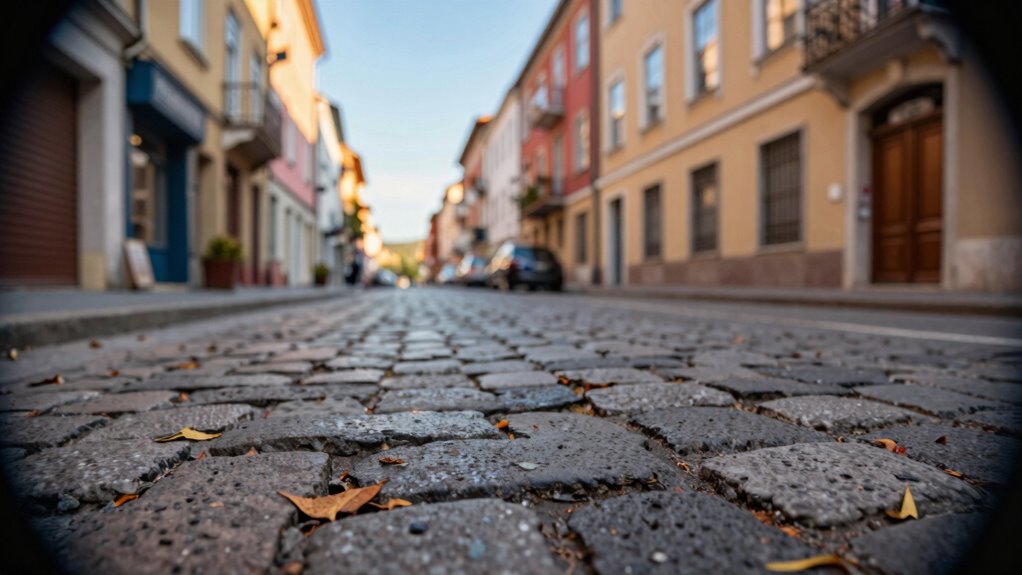
Focal length variation plays a vital role in shaping your image. A wide-angle lens captures expansive scenes, making it ideal for landscapes or architecture, while a telephoto brings distant subjects closer, perfect for wildlife or portraits. Changing focal lengths alters your perspective, affecting how viewers interpret your shot. Smaller focal lengths tend to exaggerate foreground objects, creating a sense of depth, whereas longer focal lengths flatten the scene, emphasizing compressions and details from afar. When you select a lens with a specific focal length, you’re choosing how much of the scene you include and how you present it, which can transform the story your photo tells. The lens technology also influences how well your images retain sharpness and contrast across the frame. Additionally, the choice of focal length can influence your composition style, guiding how viewers engage with your images.
Lens aperture impact is equally essential. A wider aperture (smaller f-number) allows more light to reach the sensor, enabling you to shoot in lower light conditions and achieve a shallow depth of field. This shallow focus isolates your subject from the background, creating a pleasing bokeh that directs the viewer’s attention precisely where you want it. Conversely, narrower apertures (larger f-numbers) result in greater depth of field, keeping more of the scene in focus, which is essential for landscape photography or situations where sharpness throughout the image matters. By choosing a lens with an appropriate aperture, you control not just exposure but also the mood and focus of your shot. Additionally, lens design and construction affect how well your images resist aberrations and distortions, further impacting overall image quality.
While camera bodies have advanced considerably, many of the creative differences come down to the lens. A camera with high resolution and excellent low-light performance can be hampered if paired with a lens lacking versatility in focal length or aperture. The impact of lens choice on your final image often outweighs the influence of the camera body itself. When you understand how focal length variation and lens aperture impact your photos, you gain a powerful toolset to craft images with intended effects and styles. Additionally, understanding lens compatibility ensures that your lens choices work seamlessly with your camera system, maximizing your creative potential. Ultimately, selecting the right lens isn’t just about technical specs; it’s about how those choices shape your vision and storytelling.
best wide angle camera lens for landscape photography
As an affiliate, we earn on qualifying purchases.
As an affiliate, we earn on qualifying purchases.
Frequently Asked Questions
How Does Lens Choice Affect Depth of Field in Photos?
Lens choice directly affects your depth of field through aperture effects and focal length impact. A wider aperture (smaller f-number) creates a shallow depth of field, blurring backgrounds and making your subject stand out. Longer focal lengths also compress the scene, enhancing background blur. Conversely, using a smaller aperture or wider-angle lens results in a deeper depth of field, keeping more of your scene in focus. Your lens selection shapes the mood and focus of your photos.
Can Different Lenses Change the Perceived Mood of a Scene?
Think of lenses as musical instruments shaping the scene’s emotional tune. With different focal lengths, you can craft a sense of intimacy or grandeur, influencing the scene’s mood. A wide-angle lens might create a lively, energetic vibe, while a telephoto offers a quiet, contemplative feel. Your choice of lens becomes a powerful tool for artistic expression, allowing you to evoke specific emotions and perceptions in your viewers.
Do Lens Types Influence Autofocus Performance?
Yes, lens types influence autofocus performance. You’ll notice differences in autofocus speed depending on lens compatibility with your camera system, especially with specialized lenses like telephoto or macro. Some lenses have faster autofocus motors, making it easier to capture quick-moving subjects. Choosing the right lens guarantees you get smooth, accurate autofocus, enhancing your overall shooting experience and helping you capture sharp images, regardless of the scene or subject.
How Do Lens Sizes Impact Portability and Ease of Use?
Imagine slipping a lightweight, compact lens into your hand, feeling its perfect balance and easy handling, as if it’s an extension of your eye. Smaller, lighter lenses enhance portability, making travel and daily shooting effortless. Their size and weight boost handling comfort, letting you focus on capturing moments instead of wrestling with bulky gear. You’ll appreciate how these lenses seamlessly adapt to your needs, making photography more spontaneous and enjoyable.
Are Certain Lenses Better for Specific Genres of Photography?
Yes, certain lenses are better for specific genres of photography. For example, wide-angle lenses excel in landscape shots, while telephoto lenses are ideal for wildlife or sports. When choosing, consider lens durability to withstand tough conditions and brand reputation for quality assurance. These factors help guarantee you get the right performance tailored to your genre, making your photography more successful and enjoyable.
telephoto lens for wildlife photography
As an affiliate, we earn on qualifying purchases.
As an affiliate, we earn on qualifying purchases.
Conclusion
Choosing the right lens is like selecting the right key to unleash your vision—each one opens a new world of possibilities, shaping how your story unfolds. While your camera is the sturdy frame, it’s the lens that adds depth, perspective, and meaning, turning simple moments into powerful symbols. Remember, it’s not just the camera that captures life; it’s the lens that transforms your view into something truly extraordinary.
prime lens with wide aperture for portraits
As an affiliate, we earn on qualifying purchases.
As an affiliate, we earn on qualifying purchases.
versatile zoom lens for travel photography
As an affiliate, we earn on qualifying purchases.
As an affiliate, we earn on qualifying purchases.
Fall Picks
fall essentials
As an affiliate, we earn on qualifying purchases.