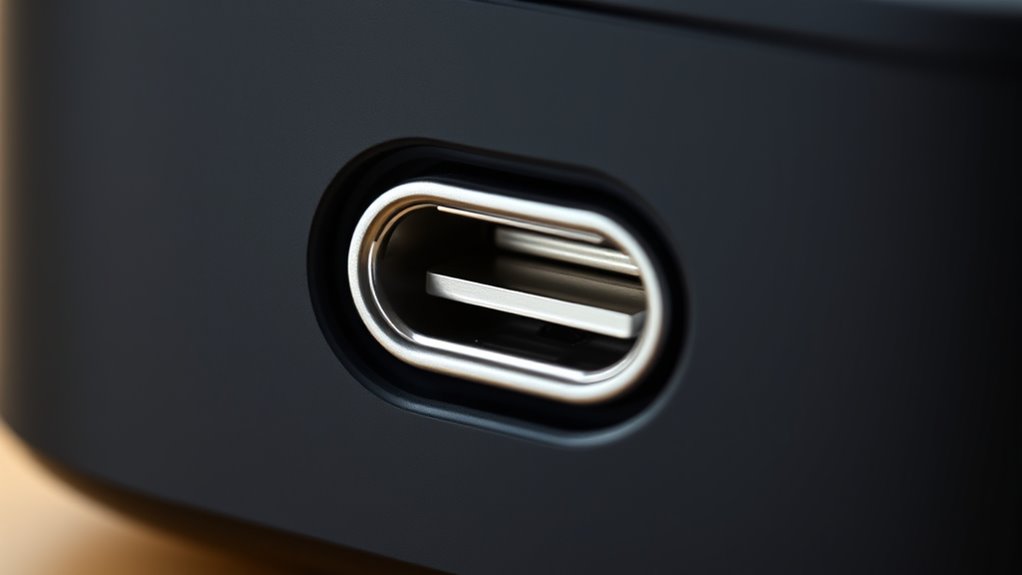

USB-C is quickly replacing multiple ports because it combines fast power delivery, high-speed data transfer, and versatility in a single, reversible connector. It can charge devices efficiently and transfer large files rapidly, all while working with smartphones, tablets, and laptops. Its universal design reduces clutter and simplifies connections. As more gadgets adopt USB-C, its capabilities will keep expanding, making your tech setup easier. Keep exploring to understand why this one port is changing everything.
Key Takeaways
- USB-C combines power delivery and data transfer in a single, reversible port, simplifying connections across devices.
- It supports fast charging and high-speed data transfer up to 10 Gbps or more, reducing wait times.
- Its universal compatibility replaces multiple ports, reducing cable clutter and streamlining device setup.
- USB-C is future-proof, compatible with upcoming technologies like Thunderbolt 3/4, ensuring longevity.
- Widespread adoption across gadgets makes USB-C the standard for modern, versatile connectivity.
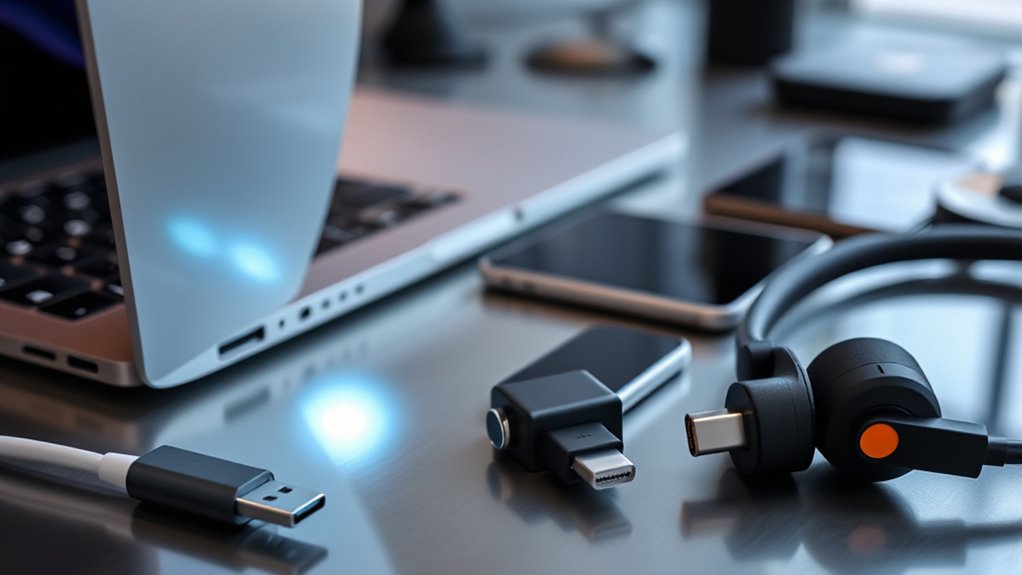
Have you ever wondered what makes USB-C the go-to connector for modern devices? The answer lies in its remarkable versatility, especially when it comes to power delivery and data transfer. Unlike older USB types, USB-C is designed to handle both functions seamlessly, making it a single, universal port for your smartphone, laptop, tablet, and even some peripherals. This dual capability means you can charge your device faster while transferring files or streaming content without needing multiple cables or ports. The power delivery feature is particularly impressive—it allows for higher wattage transfer, so your gadgets can charge quickly and efficiently. Whether you’re powering up a smartphone or a larger device like a laptop, USB-C can deliver enough energy to get the job done in less time.
USB-C combines power delivery and fast data transfer in a single, universal port for all your devices.
When it comes to data transfer, USB-C also outperforms many previous standards. Its design supports faster speeds, with some connections reaching up to 10 Gbps or more, depending on the cable and device compatibility. This means you can move large files—like high-resolution videos or extensive photo libraries—in a fraction of the time it would take with older USB ports. Plus, with the implementation of the Thunderbolt 3 and 4 standards over USB-C, data transfer becomes even more rapid, enabling professionals and casual users alike to work more efficiently. This high-speed capability is a game-changer for those who rely on quick data access and minimal downtime.
Another significant advantage is the reversible design of USB-C. No more fumbling around trying to plug in your cable the right way; you simply insert it either way, saving time and frustration. This simple innovation, combined with its ability to handle both power delivery and data transfer, makes USB-C incredibly user-friendly. It’s also future-proof, with many devices adopting this standard to stay compatible with upcoming technologies. As a result, you won’t have to worry about your cables becoming obsolete anytime soon. Additionally, the widespread adoption of USB-C supports the color accuracy improvements in compatible monitors and peripherals, enhancing your overall digital experience.
In essence, USB-C’s combination of advanced power delivery and high-speed data transfer capabilities, along with its convenience and universal compatibility, is why it’s rapidly replacing older ports. It simplifies your tech setup, reduces clutter, and ensures your devices are ready to go quickly and efficiently. So, the next time you connect a device, you’ll understand why USB-C has become the standard for modern gadgets—it’s designed to meet the demands of today’s fast-paced digital world.
![INIU USB C to USB C Cable, 240W Fast Charging Type C Charger Cord, Braided USBC Cable for iPhone 17, Samsung S25, Laptop, MacBook, Switch, Photographers, Outdoor, Travel, [6.6ft+6.6ft Black]](https://m.media-amazon.com/images/I/41r3DXOHFvL._SL500_.jpg)
INIU USB C to USB C Cable, 240W Fast Charging Type C Charger Cord, Braided USBC Cable for iPhone 17, Samsung S25, Laptop, MacBook, Switch, Photographers, Outdoor, Travel, [6.6ft+6.6ft Black]
[From INIU—the SAFE Fast Charge Pro] Experience the safest charging with over 38 million global users. At INIU,…
As an affiliate, we earn on qualifying purchases.
As an affiliate, we earn on qualifying purchases.
Frequently Asked Questions
Can I Use a USB-C Cable for Both Charging and Data Transfer Simultaneously?
Yes, you can use a USB-C cable for both charging and data transfer simultaneously, thanks to dual purpose compatibility. Many modern USB-C cables support simultaneous functionality, allowing you to charge your device while transferring data without issues. Just guarantee the cable and device are compatible for this dual purpose use. This convenience makes USB-C a versatile choice for your tech needs, streamlining how you connect and power your gadgets.
Is USB-C Backward Compatible With Older USB Standards?
Yes, USB-C is backward compatible with older USB standards, but you may need an adapter for compatibility. The adapter compatibility guarantees you can connect your USB-C device to older USB ports, but keep in mind, protocol differences might limit transfer speeds or power delivery. Always check the specifications of your cables and adapters to ensure they support the desired functions and maintain ideal performance across different devices.
What Are the Potential Security Risks of Using USB-C Devices?
Using USB-C devices can pose security risks if data encryption isn’t strong or device authentication isn’t robust. You might unknowingly expose your data to malware or hackers through compromised cables or ports. Always use trusted cables and keep your device’s security features updated. Be cautious when connecting to unfamiliar or public charging stations, as they could bypass security measures and access your device’s sensitive data.
How Does USB-C Handle Different Power Delivery Requirements?
USB-C handles different power delivery requirements through power negotiation, where devices communicate to determine ideal voltage and current levels. It then uses precise voltage regulation to supply the right power, preventing damage and ensuring efficiency. You benefit from this seamless process, allowing your gadgets to charge quickly or operate with minimal power without manual adjustments. This smart power management makes USB-C versatile for a wide range of devices and power needs.
Are There Any Environmental Concerns Related to USB-C Manufacturing and Disposal?
You might wonder if there are environmental concerns with USB-C manufacturing and disposal. Recycling challenges arise because USB-C cables and devices contain plastics and metals that are hard to separate, complicating recycling efforts. To promote material sustainability, manufacturers are working on eco-friendly materials and designs. Reducing waste and improving recycling processes are essential to minimize environmental impact, so you can help by choosing products from companies committed to sustainable practices.

ZeroneTeck USB C Cable 3ft, USB C 3.2 Gen 2X2 Cable, 4K Monitor Video Output, 20Gbps High Speed Data Transfer, 100W Fast Charging for Carplay iPhone 16, MacBook, Dell, ARZOPA, KYY for Portable Monitor
【Latest Version USB C 3.2 Gen 2 Cable】ZeroneTeck latest USB C for Thunderbolt cable: ①This 20Gbps USB C…
As an affiliate, we earn on qualifying purchases.
As an affiliate, we earn on qualifying purchases.
Conclusion
As you can see, USB-C is revolutionizing how you connect and power your devices, offering faster data transfer and greater versatility. With over 4.8 billion USB-C ports expected worldwide by 2024, it’s clear this standard is taking over. Embracing USB-C means future-proofing your gadgets and simplifying your tech setup. So, next time you pick up a new device, you’ll know that USB-C is the smart, sleek choice shaping the future of connectivity.

Anker USB C Hub, 7in1 Multi-Port USB Adapter for Laptop/Mac, 4K@60Hz USB C to HDMI Splitter, 85W Max PD, 2 USB 3.0 & 1 USBC Data Ports, SD/TF Card Reader, for Type C Devices (Charger Not Included)
Sleek 7-in-1 USB-C Hub: Features an HDMI port, two USB-A 3.0 ports, and a USB-C data port, each…
As an affiliate, we earn on qualifying purchases.
As an affiliate, we earn on qualifying purchases.
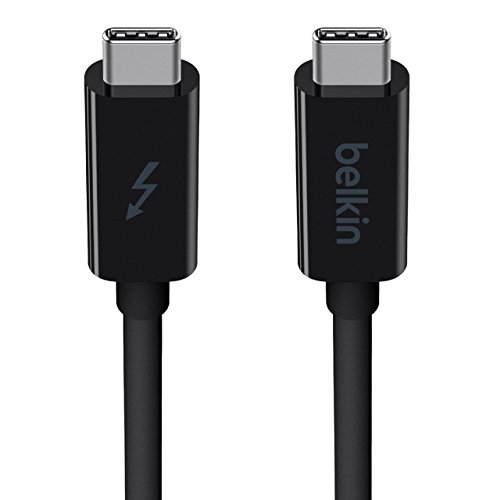
Belkin Thunderbolt 3 USB C to USB C 3.3ft/1M Long Data Transfer Power Cable with 20 Gbps Data Transfer Speed & Up To 10 Gbps for USB3.1 Devices – Supporting Thunderbolt, 4K & Ultra HD Display (Black)
ULTRA FAST DATA TRANSFER: Transferring data at 20Gbps between Thunderbolt devices, this high speed USB C Cable is…
As an affiliate, we earn on qualifying purchases.
As an affiliate, we earn on qualifying purchases.