
USB4 and Thunderbolt 4 are both high-speed connection standards that improve data transfer, display, and power delivery. Thunderbolt 4 offers faster speeds up to 40 Gbps, better security, and more reliable connections, but it can be pricier and less common. USB4 is more affordable and widely compatible with many devices, though it may lack some robust features. To understand which suits your needs best, explore their key differences and advantages further.
Key Takeaways
- Thunderbolt 4 offers higher maximum data transfer speeds (40 Gbps) compared to USB4 (up to 20 Gbps).
- Thunderbolt 4 provides stricter certification and enhanced security features, ensuring greater device compatibility and protection.
- Both standards support up to 100W power delivery, but Thunderbolt 4 often offers faster charging and better energy management.
- Thunderbolt 4 supports dual 4K or single 8K displays, while USB4’s display support varies by device.
- Thunderbolt 4 cables tend to be more robust and durable, ideal for heavy use, though USB4 cables are more affordable.

UGREEN USB C to USB C Cable 240W USB4 Gen4 80Gbps Premium 17K Dual 8K Triple 4K Display PD3.1 Charging Compatible with Thunderbolt 4/3, USB C Monitors, MacBook, iPad, iPhone 17/16/15, 3.3FT
240W Superfast Charging: Empower your devices with Superb 240W PD 3.1, charging a MacBook Pro 16" to 56%…
As an affiliate, we earn on qualifying purchases.
As an affiliate, we earn on qualifying purchases.
Overview of USB4 and Thunderbolt 4 Standards
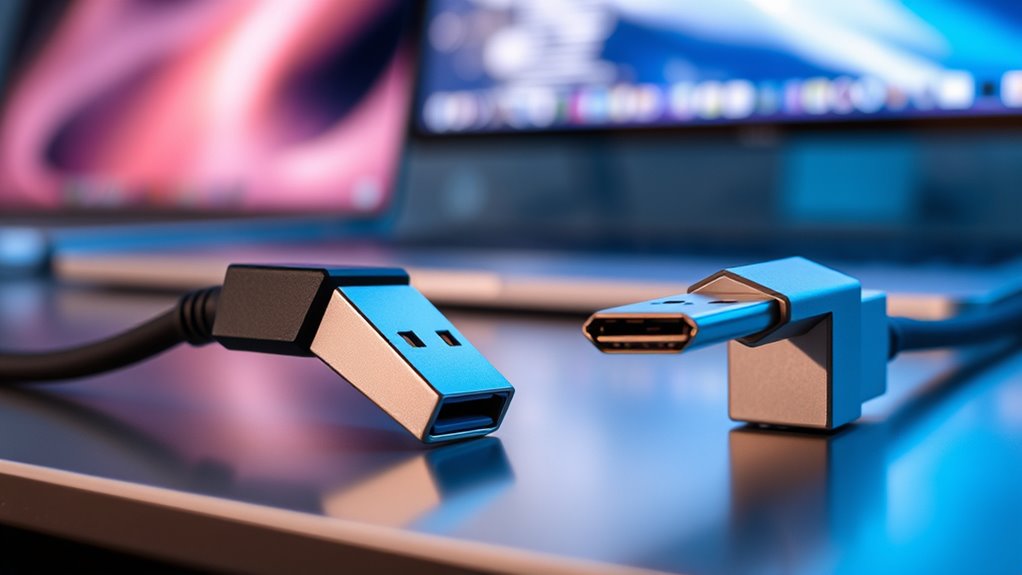
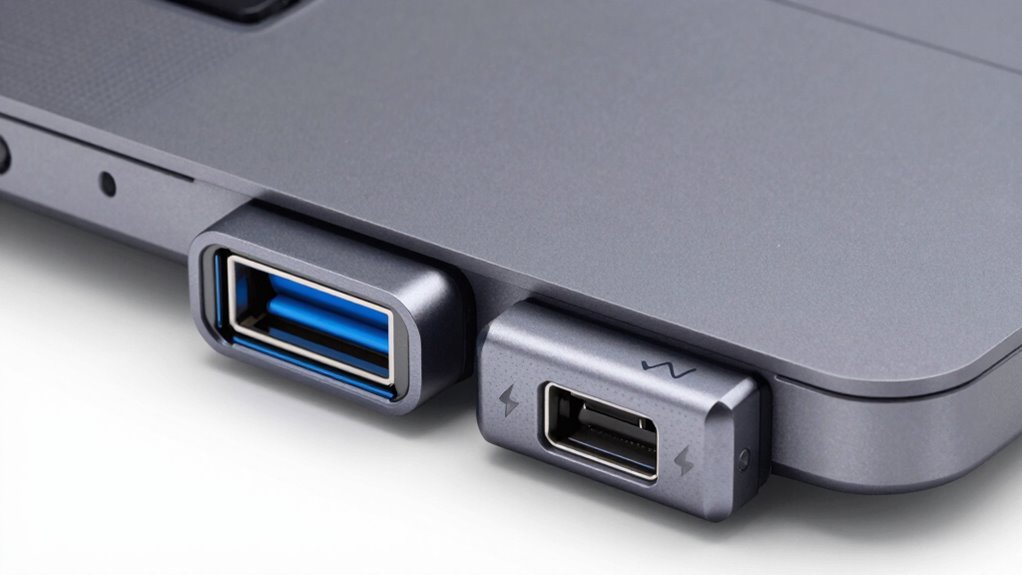
While USB4 and Thunderbolt 4 are both high-speed data transfer standards, they serve different purposes and have unique features. USB4 uses a versatile cable design, compatible with USB-C connectors, making it widely adaptable for various devices. It adheres to certification standards set by the USB Implementers Forum, ensuring interoperability and reliability. Thunderbolt 4, on the other hand, also employs a USB-C port but maintains stricter certification standards set by Intel, guaranteeing specific performance and compatibility benchmarks. Its cable design is optimized for high performance, supporting daisy chaining and power delivery. Both standards emphasize device compatibility, but Thunderbolt 4’s certification process is more rigorous, reflecting its focus on premium performance and reliability. Additionally, the development of these standards is closely tied to European cloud innovation, which promotes secure and sustainable technological advancements. Moreover, standard compatibility plays a crucial role in ensuring seamless integration across diverse devices and ecosystems.

Corsair EX400U 2TB USB4 Portable External Type-C SSD – Up to 4,000MB/s Read, 3,600MB/s Write, USB 3.2 Gen2 2×2, Plug and Play, Thunderbolt 4, MagSafe, Includes 40Gbps Cable, Windows PC, iOS Mac – Gray
External SSD with USB4 Connection: Leverage the incredibly high bandwidth of USB4 to move large files for tasks…
As an affiliate, we earn on qualifying purchases.
As an affiliate, we earn on qualifying purchases.
Data Transfer Speeds and Performance Benchmarks
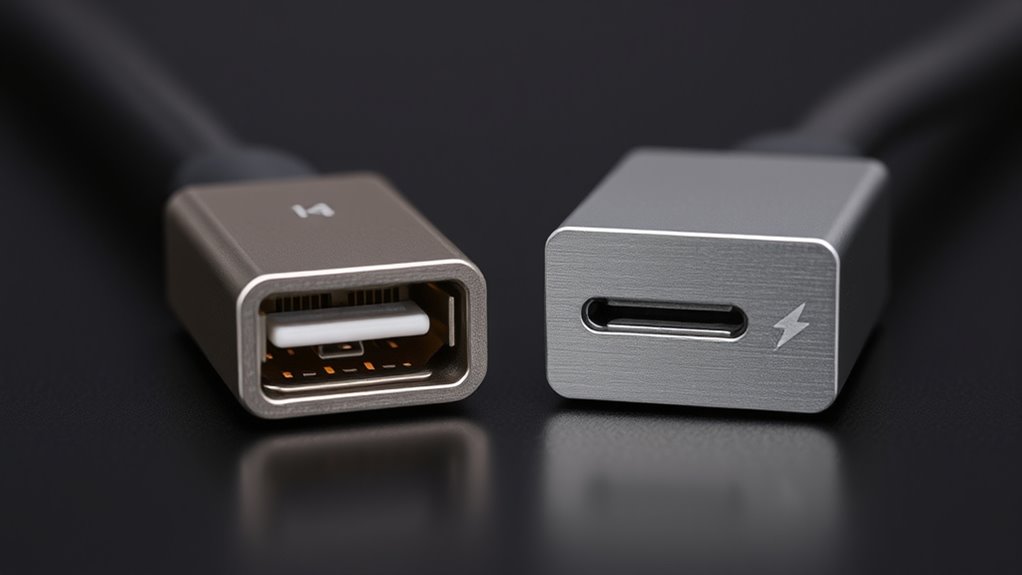
When comparing data transfer speeds, Thunderbolt 4 generally outperforms USB4, delivering up to 40 Gbps under ideal conditions. This means faster file transfers, especially with large multimedia files or professional-grade data. USB4, while slightly slower, still offers impressive speeds of up to 20 Gbps, suitable for most users. Both standards support wireless connectivity options, but Thunderbolt 4’s higher bandwidth can improve wireless tethering and data streaming. Accessory compatibility is also a key factor; Thunderbolt 4 supports a broader range of peripherals, ensuring you can connect multiple devices seamlessly. If speed and performance benchmarks are priorities, Thunderbolt 4 provides a noticeable edge, especially when handling demanding tasks or multiple peripherals simultaneously.

Razer USB 4 Dock: 14 Ports (Type C, Type A, HDMI, DP, Ethernet, SD, 3.5mm) – Dual Monitor Up to 4K 120 Hz – Laptop & Phone Fast Charge – Durable Lightweight Casing – Windows & Mac Compatible – Black
ULTRA FAST USB 4 CONNECTIVITY — Discover the new USB standard for data transfer rates, display output support…
As an affiliate, we earn on qualifying purchases.
As an affiliate, we earn on qualifying purchases.
Compatibility With Devices and Operating Systems

Thunderbolt 4 offers broader compatibility with a wide range of devices and operating systems, making it a versatile choice for many users. Its device ecosystem includes support for various peripherals like external displays, storage drives, and docks, guaranteeing seamless integration. Thunderbolt 4 is compatible with Windows and macOS, providing flexibility regardless of your platform. Additionally, Thunderbolt 4 supports Free Floating configurations, allowing for flexible workspace setups. This extensive support enhances its device ecosystem, ensuring that users can connect multiple peripherals without issues. The certification process for Thunderbolt 4 ensures a higher level of device interoperability, which helps prevent compatibility issues. Furthermore, Thunderbolt 4 certification mandates strict adherence to standards, reducing the likelihood of compatibility problems with future updates or devices. Its rigorous certification process also minimizes the risk of device disconnects, ensuring stable connections during use. USB4, while built on the same underlying technology, has more limited device ecosystem support and may not work as smoothly across all operating systems. If you rely on a diverse set of devices and need broad operating system compatibility, Thunderbolt 4’s extensive support makes it a reliable option. Overall, its compatibility guarantees you can connect and use a wide array of peripherals without hassle.

Samsung 34” ViewFinity (S65TC) Series Ultra-WQHD 1000R Curved Computer Monitor, HDR10, 100Hz, AMD FreeSync, Thunderbolt 4, Height Adjustable Stand, Built-in Speakers, Eye Care, LS34C650TANXGO, 2024
ULTRA WIDE IMMERSION: A 34" 1000R curved display surrounds you with a 21:9 aspect ratio; Its curve closely…
As an affiliate, we earn on qualifying purchases.
As an affiliate, we earn on qualifying purchases.
Power Delivery Capabilities
Both USB4 and Thunderbolt 4 offer impressive power delivery options, but they differ in maximum output and charging speeds. You’ll notice variations in how quickly devices can charge depending on the standard you choose. Compatibility with different devices also influences how effectively each technology can meet your power needs. Understanding power standards is essential for selecting the right technology for your device ecosystem.
Power Output Differences
Power delivery capabilities vary markedly between USB4 and Thunderbolt 4, impacting how much power they can supply to connected devices. Thunderbolt 4 offers a higher power capacity, typically providing up to 100W, which supports more demanding peripherals and faster charging. USB4, on the other hand, generally supplies up to 100W as well, but its energy efficiency can differ based on device implementation. This variance affects how well each standard manages power consumption, with Thunderbolt 4 often optimized for better energy efficiency during high-power tasks. Your choice depends on your device needs; if maximum power output and efficiency are priorities, Thunderbolt 4 might be preferable. Both standards are capable, but the subtle differences in power delivery can influence overall performance and energy management. Energy management plays a crucial role in ensuring device longevity and optimal operation, especially in smart home environments where multiple connected peripherals draw power simultaneously.
Charging Speeds Variance
While USB4 and Thunderbolt 4 can both deliver up to 100W of power, their charging speeds often differ due to how each standard manages power delivery. You might notice faster charging with Thunderbolt 4 devices because of more optimized power management protocols. Factors influencing charging speeds include:
- *Power delivery negotiation*: How efficiently the device and charger communicate to allocate power.
- *Cable quality*: Higher-quality cables support better power transfer, impacting charging speed.
- *Device compatibility*: Not all devices fully utilize the maximum power delivery potential, affecting overall charging times.
- *Power management protocols* play a crucial role in optimizing charging efficiency and speed.
Understanding these differences helps you choose the right setup for faster, more reliable charging. While both standards support high power delivery, the nuances in how they handle power substantially influence your charging experience.
Compatibility With Devices
Understanding the compatibility of USB4 and Thunderbolt 4 with various devices depends on their support for power delivery capabilities. Both standards aim to deliver power efficiently, but device compatibility varies based on design and manufacturer support. You’ll find that many modern devices, such as laptops and smartphones, support these standards for fast charging and data transfer, but some older or less common devices might not. Operating system support also plays a role; Windows, macOS, and Linux increasingly support these standards, ensuring broader compatibility. If your device supports power delivery through USB4 or Thunderbolt 4, you’ll enjoy seamless charging and data transfer. Additionally, the power delivery protocols used influence compatibility across different device types and brands. Compatibility is also affected by device support, which varies depending on the device’s hardware and firmware updates. Always check device specifications and OS support to ensure full compatibility with your setup, especially considering the interoperability between different hardware components. Ensuring proper hardware compatibility is crucial for optimal performance and avoiding potential issues.
Video Output and Display Support
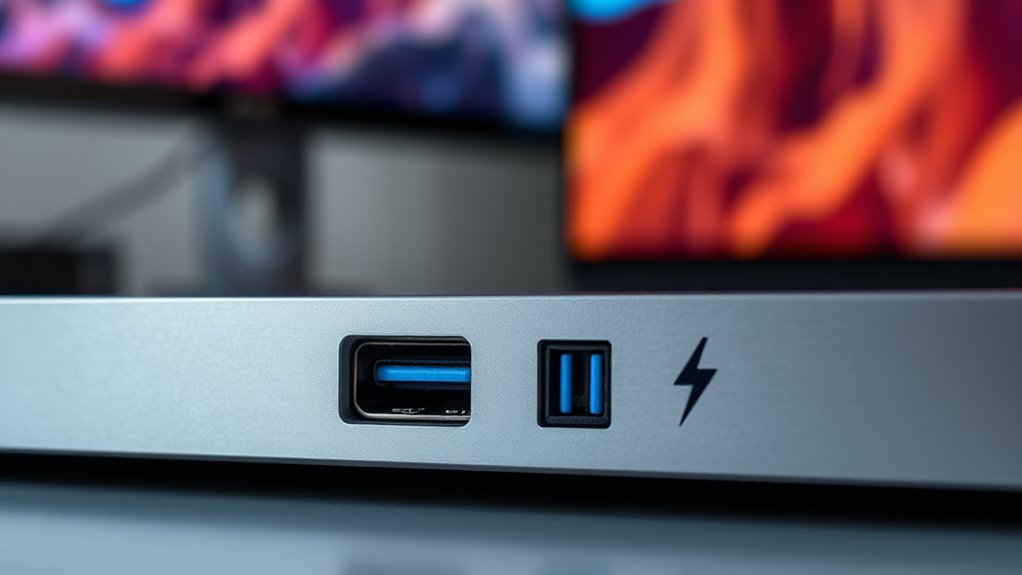
When it comes to video output and display support, you’ll want to compare their maximum resolution capabilities and how many displays each can handle simultaneously. USB4 and Thunderbolt 4 support different levels of video quality and multi-display setups, which can impact your workflow. Understanding these differences helps you choose the right port for your display needs. Additionally, video output specifications are important to consider for compatibility with your monitors and projectors. Moreover, the display bandwidth of each standard influences the quality and number of displays that can be supported effectively.
Video Resolution Capabilities
Both USB4 and Thunderbolt 4 deliver impressive video resolution capabilities, enabling high-quality display connections. You’ll find that both standards support up to 8K video resolution at 60Hz, ensuring sharp, detailed images. They also handle multiple displays with ease, broadening your display options. When it comes to display compatibility, both standards work seamlessly with a variety of monitors and adapters, making setup straightforward. The key differences lie in bandwidth and performance consistency, but for video resolution, they deliver similar high standards. To maximize your display experience, consider the following:
- Support for 8K and 4K video resolutions
- Compatibility with a wide range of displays and adapters
- Reliable performance for high-quality video output
- Powerful hardware requirements can influence overall display performance and compatibility.
Multi-Display Support
USB4 and Thunderbolt 4 excel at supporting multiple displays, allowing you to connect several high-resolution monitors simultaneously without sacrificing performance. Both standards enable you to expand your workspace easily through docking stations, enhancing peripheral compatibility and productivity. Thunderbolt 4 typically supports up to two 4K displays or one 8K display, while USB4’s capabilities may vary depending on implementation but generally offer similar multi-display support. Your choice affects how many monitors you can run and the quality you get. Consider your display needs when selecting a dock or peripherals.
| Feature | USB4 | Thunderbolt 4 |
|---|---|---|
| Max Displays | 1-2 (varies by device) | 2 (4K) or 1 (8K) |
| Docking Stations | Broad compatibility | Optimized for Thunderbolt docks |
| Peripheral Compatibility | Broad, universal support | Extensive, high-speed support |
| Performance | High, varies by device | Consistent, high-speed |
Security Features and Data Protection
While both USB4 and Thunderbolt 4 prioritize security, Thunderbolt 4 offers more robust data protection features. It employs advanced encryption protocols to safeguard data during transfer, reducing the risk of interception. Additionally, Thunderbolt 4 integrates rigorous device authentication, ensuring only trusted devices connect. This prevents malicious devices from gaining access to your data or system. USB4, while secure, relies on basic security measures that are less exhaustive than Thunderbolt 4’s offerings. The key differences include:
- Use of advanced encryption protocols for secure data transfer
- Strong device authentication to verify trusted connections
- Enhanced protection against unauthorized access and data breaches
- Vetted security measures that ensure reliable data protection. These comprehensive security protocols are essential for maintaining data integrity in environments handling sensitive information. Implementing these protocols helps mitigate the risk of security breaches and ensures a higher level of trust in data handling. Additionally, the implementation of security standards can further bolster overall data protection efforts, especially in secure environments.
Cost and Availability in the Market
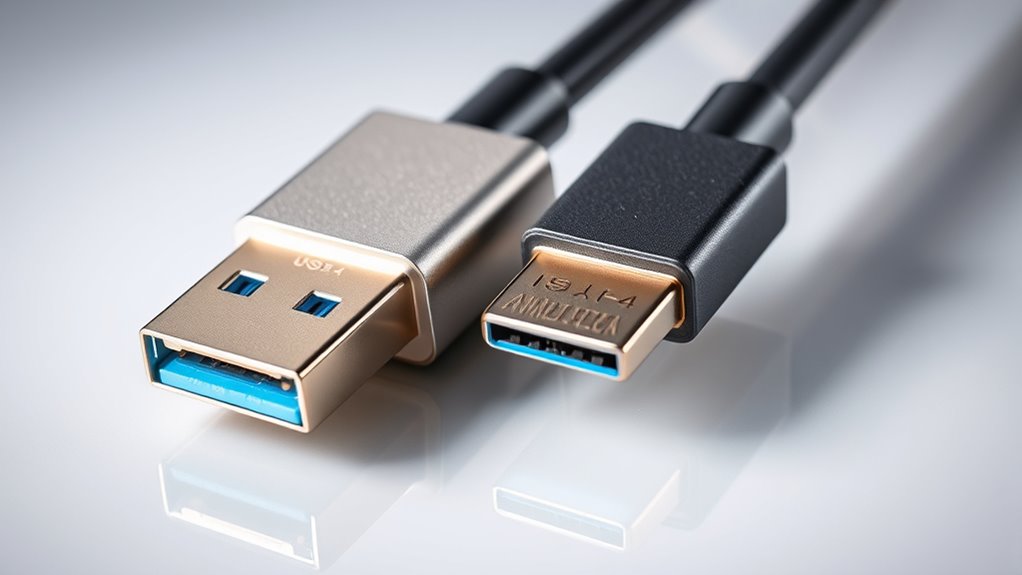
Thunderbolt 4 devices tend to be more expensive and less widely available than USB4 options, largely due to their advanced features and higher performance standards. The market competition influences pricing strategies, making Thunderbolt 4 products costlier because of demand for premium specs. USB4, however, benefits from broader adoption and lower manufacturing costs, resulting in more accessible prices. This disparity affects your choices, especially if budget or availability matters.
| Feature | Thunderbolt 4 | USB4 |
|---|---|---|
| Cost | Higher | Lower |
| Availability | Limited | Widely available |
| Market Competition | Less competitive | More competitive |
| Pricing Strategies | Premium pricing | Competitive pricing |
| Performance Standards | Higher | Similar or lower |
Future-Proofing and Technological Trends
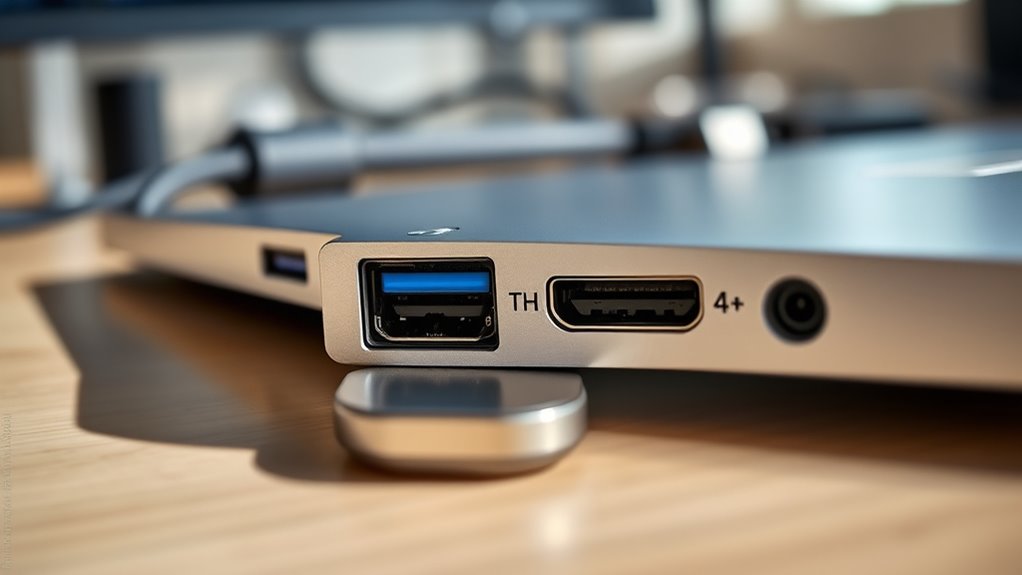
As technology continues to evolve rapidly, choosing a connection standard that offers future-proofing is vital. You want a solution with strong future compatibility, ensuring your devices remain relevant amid ongoing technological evolution. Both USB4 and Thunderbolt 4 are designed with this in mind, supporting higher data transfer rates and versatile peripherals. To stay ahead, consider how these standards adapt to upcoming trends like increased bandwidth demands and new device types. Embracing technological trends ensures your setup remains compatible and efficient over time. Additionally, paying attention to standard interoperability can help future-proof your investments as device ecosystems become more interconnected. Staying informed about industry standards can further help you make choices that align with emerging innovations and advancements in connectivity technology.
Choosing the Right Connection for Your Needs
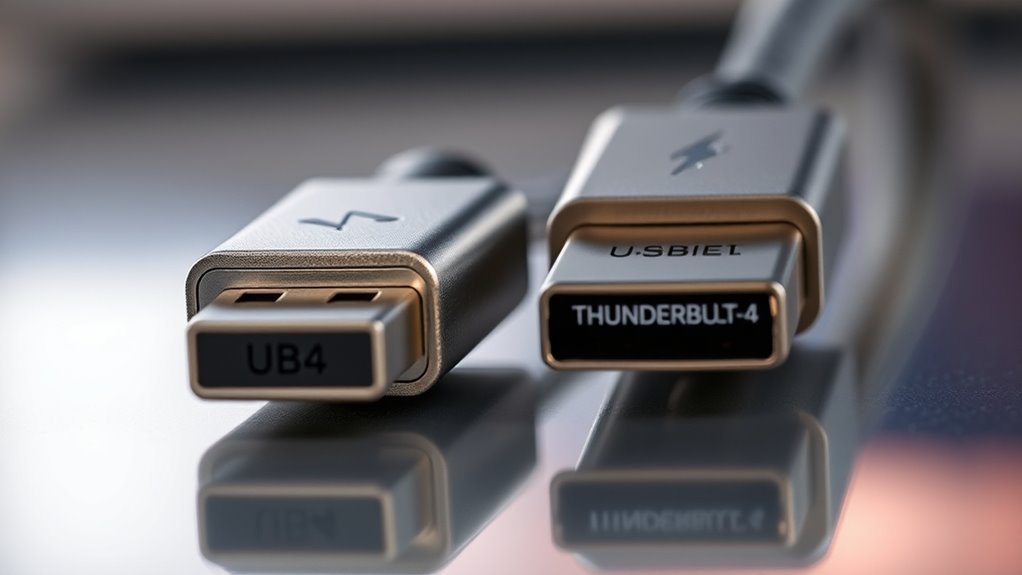
Choosing the right connection depends on your specific needs and how you plan to use your devices. If you prioritize broad device compatibility, USB4 offers excellent versatility, working with many peripherals and computers. However, if you need maximum speed and performance for professional tasks, Thunderbolt 4 provides higher data transfer rates and better support for high-end displays. Consider cable durability as well; Thunderbolt 4 cables are often more robust, making them suitable for frequent connections and heavy use. On the other hand, USB4 cables tend to be more affordable and widely available, but may not withstand the same level of wear and tear. Ultimately, matching your device compatibility requirements with cable durability and performance will help you choose the best connection for your setup.
Frequently Asked Questions
Can USB4 and Thunderbolt 4 Cables Be Used Interchangeably?
You can’t always use USB4 and Thunderbolt 4 cables interchangeably because cable compatibility depends on device interoperability. While Thunderbolt 4 cables work with USB4 ports, not all USB4 cables support Thunderbolt 4’s higher speeds and features. To guarantee peak performance, check your device specifications and use cables designed for your device’s compatibility. This way, you avoid connection issues and get the best data transfer rates.
Do Both Standards Support Daisy-Chaining Multiple Devices?
Did you know that both USB4 and Thunderbolt 4 support daisy-chaining multiple devices? You can connect up to six devices on a single Thunderbolt 4 chain, while USB4 generally supports fewer. This feature enhances device compatibility and simplifies setups. Plus, both standards deliver power, with Thunderbolt 4 providing up to 100W for device charging, making daisy-chaining more practical for power delivery and overall connectivity.
Are There Any Differences in Warranty Coverage?
You’ll find that warranty policies and coverage limitations differ between USB4 and Thunderbolt 4 devices. Thunderbolt 4 tends to offer more extensive warranty coverage, often including longer periods and better support for repairs or replacements. USB4 warranties may have more limitations, such as shorter durations or specific exclusions. It’s essential to check each device’s warranty details to understand exactly what’s covered and any restrictions, so you’re fully informed before making a purchase.
How Do These Standards Impact Data Security Protocols?
Coincidences happen when you least expect them, highlighting the importance of data security. With USB4 and Thunderbolt 4, encryption protocols help protect your data, but hardware vulnerabilities can still pose risks. You need to stay vigilant, ensuring your devices use up-to-date security measures. By understanding these standards, you can better safeguard your information and prevent potential breaches caused by hardware flaws or weak encryption.
Which Standard Offers Better Support for External GPUS?
Thunderbolt 4 offers better support for external GPUs, making it ideal if you need high-performance graphics. It provides higher bandwidth, up to 40Gbps, which minimizes bandwidth limitations that can hinder external GPU performance. USB4 also supports external GPUs, but its bandwidth varies and can be less consistent, potentially impacting your experience. If you prioritize external GPU support, Thunderbolt 4 is the more reliable choice for peak performance.
Conclusion
Ultimately, choosing between USB4 and Thunderbolt 4 is like selecting the perfect tool for your digital toolbox. Both promise speed, power, and versatility, but understanding their differences helps you make a smarter decision. Will you prioritize blazing-fast data transfer or seamless device compatibility? Remember, your tech choices shape your experience—so pick the one that aligns with your needs and activate your full potential. After all, in the world of connectivity, knowledge is your greatest power.