
TL;DR
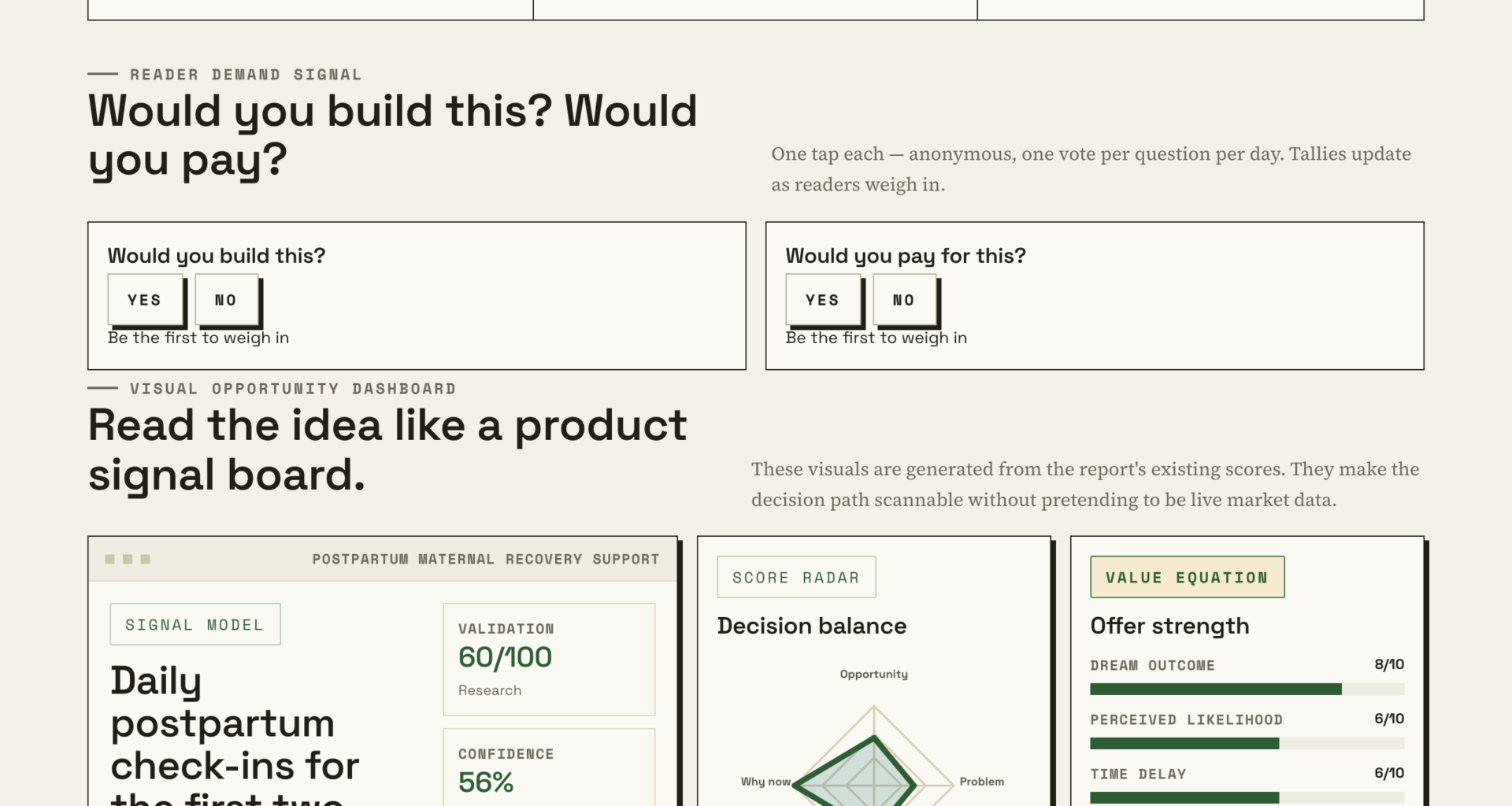
A new program is testing daily postpartum check-ins for first-time mothers discharged before six weeks. This approach aims to address the gap in postpartum care during the high-risk early weeks and improve outcomes.
A new pilot program is testing daily postpartum check-ins for first-time mothers discharged from hospital before their six-week follow-up. This initiative aims to address the gap in early postpartum care, which current practices often overlook, leaving new mothers without personalized support during the critical first two weeks after childbirth.

Get the latest gadgets delivered free with Prime
- Fast, free delivery on millions of items
- Prime Video, Amazon Music and more included
- Member-only deals all year
The program targets first-time mothers who are discharged early, typically with only a generic pamphlet and no scheduled contact until the six-week postpartum visit. It involves an onboarding process that creates a recovery profile based on delivery details, feeding method, and mental health baseline. During the first two weeks at home, mothers receive daily check-ins via smartphone, providing tailored recovery tips and prompting them to contact healthcare providers if certain symptoms arise.
This approach is currently in a pilot phase, with plans to recruit 15 first-time mothers within 48 hours of discharge. The goal is to measure engagement levels, symptom reporting accuracy, and whether flagged symptoms lead to appropriate medical contact. The initiative is supported by maternal health awareness campaigns emphasizing the need for better postpartum support.
Potential Impact on Postpartum Maternal Health
This program could significantly improve postpartum outcomes by providing timely, personalized support during the high-risk first two weeks after childbirth. It aims to reduce preventable complications, such as infections or mental health crises, by encouraging early detection and prompt medical intervention. If successful, it could influence standard postpartum care practices and inform policies for early postpartum monitoring.
Products Worth Considering

Samsung 27-inch Odyssey OLED G6 QHD Gaming Monitor

LG UltraGear 32-inch Curved QHD Gaming Monitor (2560×1440, 180Hz, 1ms, 1000R, HDR10)

Samsung Odyssey G9 QD-OLED 49 Dual QHD Curved Gaming Monitor
As an affiliate, we earn on qualifying purchases.
Addressing the Postpartum Care Gap
Current postpartum care often relies on a single check at six weeks, leaving a critical window of vulnerability in the first two weeks after discharge unmonitored. Maternal health campaigns have highlighted this gap, especially for first-time mothers who may be unsure about normal recovery versus warning signs. Smartphone technology now makes daily, tailored check-ins feasible, offering an opportunity to improve early postpartum support.
“Implementing daily check-ins could transform postpartum care by catching issues early and providing mothers with personalized guidance.”
— an anonymous researcher
Uncertainties About Program Effectiveness
It is not yet clear how effective daily check-ins will be in improving health outcomes or whether mothers will consistently engage with the system. The pilot is still underway, and data on whether flagged symptoms lead to appropriate medical contact is pending. Additionally, questions remain about the scalability and cost-effectiveness of wider implementation.
Next Steps for Pilot Evaluation and Expansion
The pilot program will conclude after recruiting 15 participants and analyzing engagement and health outcomes. If results are positive, researchers plan to expand the trial, refine the check-in system, and explore integration with existing postpartum care protocols. Further studies will assess long-term impacts on maternal health and healthcare utilization.
Key Questions
What are the main benefits of daily postpartum check-ins?
They can provide timely, personalized support, help detect complications early, and reduce the risk of postpartum health issues by encouraging prompt medical contact.
Who is eligible to participate in the pilot program?
First-time mothers discharged from the hospital before their six-week postpartum check-up are eligible, with recruitment occurring within 48 hours of discharge.
Will this program replace in-person postpartum visits?
No, it is designed to supplement existing care by providing daily monitoring during the critical first two weeks, not replace scheduled in-person visits.
How will the program determine if a mother needs medical attention?
The system flags certain symptoms based on the recovery profile, prompting mothers to contact their healthcare providers if necessary.
When will results from the pilot be available?
Results are expected after the completion of the pilot, with initial data analysis anticipated in the coming months.
Source: IdeaNavigator AI