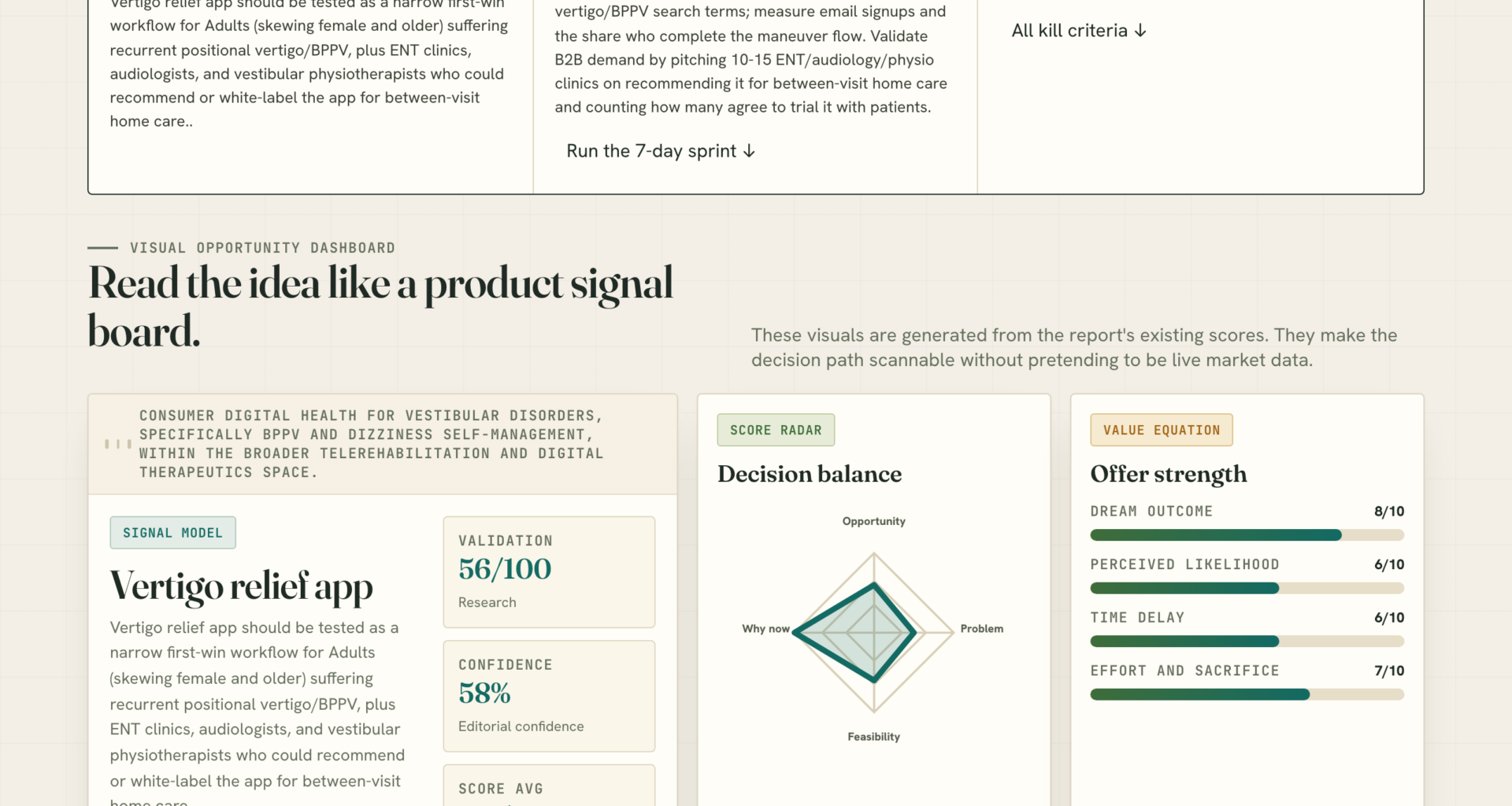

📊 Full opportunity report: Vertigo relief app on IdeaNavigator AI — validation score, market gap, and execution plan.

Get the latest gadgets delivered free with Prime
- Fast, free delivery on millions of items
- Prime Video, Amazon Music and more included
- Member-only deals all year
TL;DR
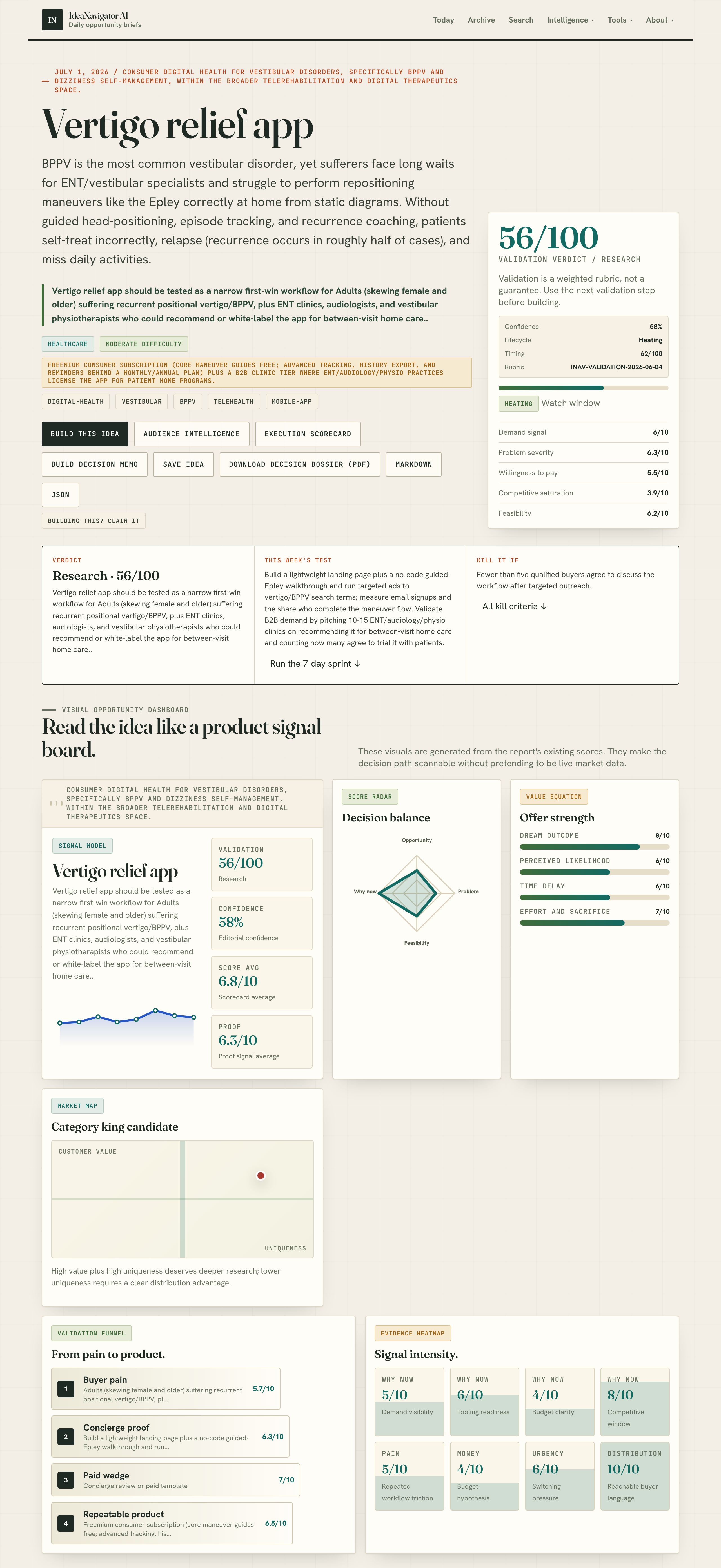
A new vertigo relief app is being developed to assist adults with recurrent BPPV in self-managing their condition through guided maneuvers and episode tracking. It aims to complement clinical care and expand digital therapeutics in vestibular health.
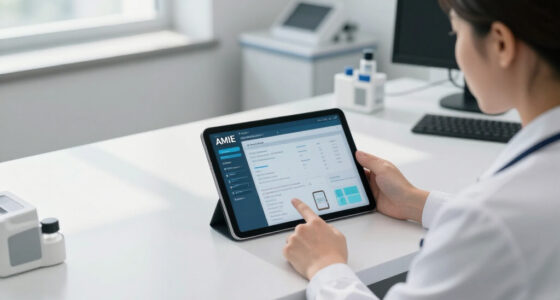
A new vertigo relief app is in development to assist adults suffering from benign paroxysmal positional vertigo (BPPV). The app aims to guide users through repositioning maneuvers like the Epley, provide symptom logging, and support self-care between clinical visits. This development responds to increased demand for telehealth solutions and digital therapeutics in vestibular disorder management.
The app is designed for adults, skewing female and older, who experience recurrent vertigo episodes caused by BPPV. It will include features such as screening for BPPV candidacy via a short safety survey, step-by-step animated guidance for maneuvers, and real-time head-angle feedback using smartphone gyroscopes. Additionally, users can log dizziness episodes, triggers, and symptom severity over time.
The initiative is supported by trends accelerated during the COVID-19 pandemic, which increased telehealth adoption. The digital vestibular rehabilitation market was valued near USD 498 million in 2024, with a projected compound annual growth rate of approximately 13.5% through 2033, indicating growing acceptance among patients and providers. The app will be available in both free and subscription tiers, with clinics able to license it for patient use.
Validation efforts include building a landing page, running targeted ads for vertigo search terms, and measuring engagement with the app’s maneuver guidance. Check for app outages to ensure accessibility. Clinics are also being approached to assess interest in recommending the app as part of home care programs.
Potential Impact on Self-Management of BPPV
This app could significantly improve the quality of life for individuals with recurrent BPPV by enabling effective self-treatment and reducing dependence on specialist visits. It also offers a scalable solution for clinics seeking to extend care between appointments, aligning with the broader shift toward digital health and remote rehabilitation. If successful, it may lead to faster symptom relief, lower healthcare costs, and increased patient engagement in managing their condition.
As an affiliate, we earn on qualifying purchases.
Growing Demand for Digital Vestibular Therapies
Benign paroxysmal positional vertigo (BPPV) is the most common vestibular disorder, affecting millions globally. Traditional treatment involves manual repositioning maneuvers performed by ENT specialists or physiotherapists, but many patients struggle to execute these correctly at home. The COVID-19 pandemic accelerated the adoption of telehealth, prompting interest in digital solutions for vestibular rehabilitation.
Market estimates place the digital vestibular therapy sector near USD 498 million in 2024, with a robust growth trajectory. The increasing availability of smartphone sensors capable of precise motion tracking makes app-based interventions feasible and appealing for both consumers and healthcare providers.
Previous efforts to develop self-management tools have faced challenges related to user guidance and adherence, which this new app aims to address with animated cues, real-time feedback, and episode tracking.
“The integration of gyroscope-based head-angle feedback could improve the accuracy of self-performed maneuvers, potentially reducing relapse rates.”
— an anonymous researcher
As an affiliate, we earn on qualifying purchases.
Unconfirmed Aspects of App Effectiveness and Adoption
It is not yet clear how effective the app will be in real-world use or whether patients will adopt it widely without clinical supervision. Validation studies are planned but have not yet been completed, and regulatory or reimbursement pathways remain to be clarified.
Clinicians’ willingness to recommend the app and patients’ adherence to guided maneuvers are still uncertain, pending trial results and user feedback.
As an affiliate, we earn on qualifying purchases.
Next Steps: Pilot Testing and Market Validation
The development team plans to launch a lightweight landing page and run targeted advertising campaigns to gauge interest and collect user data. They will also approach ENT clinics, audiologists, and physiotherapists to pilot the app with patients and assess clinical utility. Results from these efforts will inform further refinements and potential regulatory approval processes.
As an affiliate, we earn on qualifying purchases.
Key Questions
How does the app guide users through vertigo maneuvers?
The app uses animated step-by-step instructions, audio cues, and gyroscope-based head-angle feedback to ensure correct execution of maneuvers like the Epley.
Is the app intended to replace medical treatment?
No, the app is designed as a supplementary tool for self-care and between-visit management. It includes disclaimers advising users to consult healthcare professionals if red-flag symptoms occur.
Will clinics be able to license this app for their patients?
Yes, a B2B licensing model is planned, allowing ENT and physiotherapy practices to recommend or white-label the app for patient use during home care.
When might the app become publicly available?
Initial testing and validation are underway, with a rollout expected within the next 12-18 months, depending on trial outcomes and regulatory processes.
What features will the premium subscription include?
Advanced symptom tracking, history export, reminders, and personalized coaching will be part of the paid tier, while basic maneuver guidance remains free.
Source: IdeaNavigator AI
Halloween Picks
halloween
As an affiliate, we earn on qualifying purchases.