
📊 Full opportunity report: Ergonomics Redefined: Top 13 AI-Integrated Office Chairs 2026 on ThorstenMeyerAI.com — validation score, market gap, and execution plan.

Get the latest gadgets delivered free with Prime
- Fast, free delivery on millions of items
- Prime Video, Amazon Music and more included
- Member-only deals all year
TL;DR
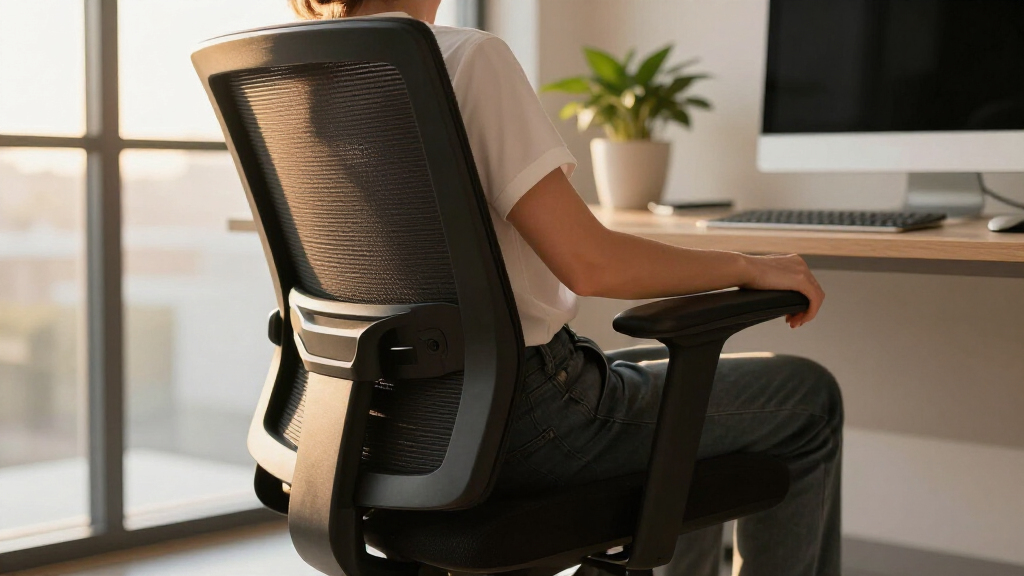
In 2026, the market features 13 leading AI-integrated office chairs that combine ergonomic design with smart technology. These chairs aim to improve comfort, support, and workspace adaptability, marking a new era in office furniture.
Thirteen AI-integrated office chairs have been introduced in 2026, setting a new standard for ergonomic design and smart office furniture. These chairs incorporate artificial intelligence features to adapt to user posture, provide real-time support adjustments, and enhance overall comfort. The development reflects a growing trend toward integrating AI into ergonomic office furniture, aiming to improve health and productivity for remote and in-office workers alike.
The lineup includes models from leading manufacturers such as Sweetcrispy, BestOffice, and CAPOT, each offering unique features like automatic lumbar support, posture correction, and breathability enhancements. These chairs are equipped with sensors that monitor sitting habits and adjust support dynamically, according to industry sources. The top models balance customization, durability, and smart functionality, with prices ranging from budget-friendly options to premium setups.
According to Thorsten Meyer of ThorstenMeyerAI.com, the chairs are selected based on comfort, adjustability, build quality, and value. Notably, many incorporate breathable mesh backrests, high weight capacities, and flexible design features such as flip-up arms, making them suitable for various workspace sizes and needs. The integration of AI aims to reduce long-term discomfort and support healthy posture habits.
The 14 picks
- 1
 GABRYLLY Ergonomic Office Chair with High Back, Headrest, Flip-Up Arms, and M…View on Amazon →
 - 2
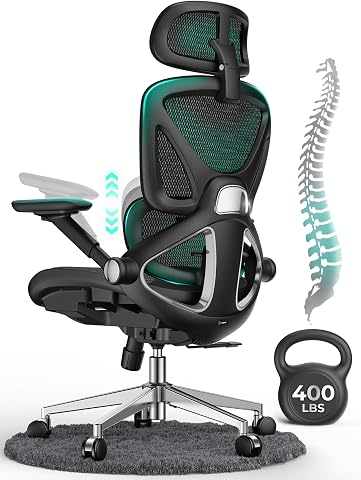 CAPOT Ergonomic Mesh Office Chair, Adjustable Lumbar High Back Desk Chair 400…View on Amazon →
 - 3
 Ergonomic Office Chair with Adjustable Lumbar Support and Breathable Mesh BackView on Amazon →
 - 4
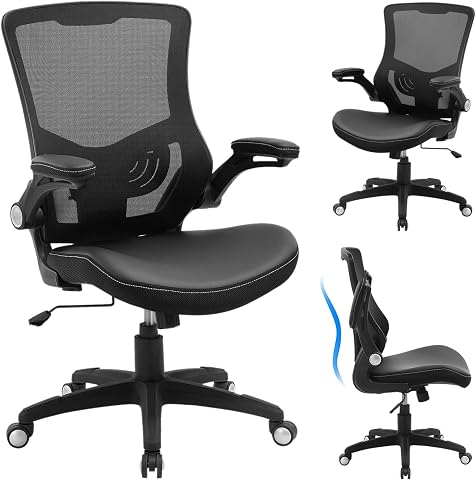 Office Chair Ergonomic Desk Chair with Adjustable Lumbar Support and Flip-up…View on Amazon →
 - 5
 TRALT Office Chair Ergonomic Desk Chair with Lumbar Support, Headrest, Flip-u…View on Amazon →
 - 6
 Marsail Ergonomic Office Chair with Adjustable Lumbar Support and Mesh BackView on Amazon →
 - 7
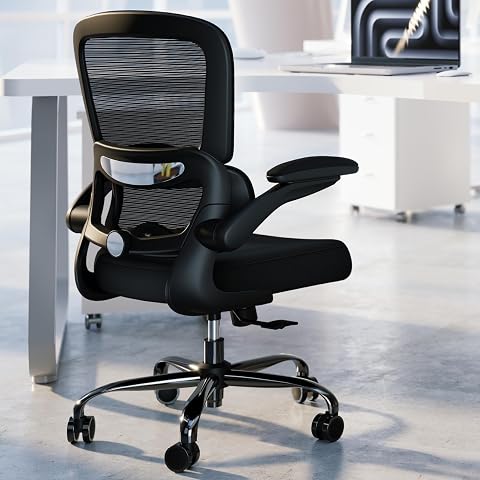 TRALT Office Chair – Ergonomic Mesh Desk Chair with Adjustable Lumbar Support…View on Amazon →
 - 8
 Synorla Office Chair | Ergonomic Mesh Desk Chair with Flip-up Armrests, High…View on Amazon →
 - 9
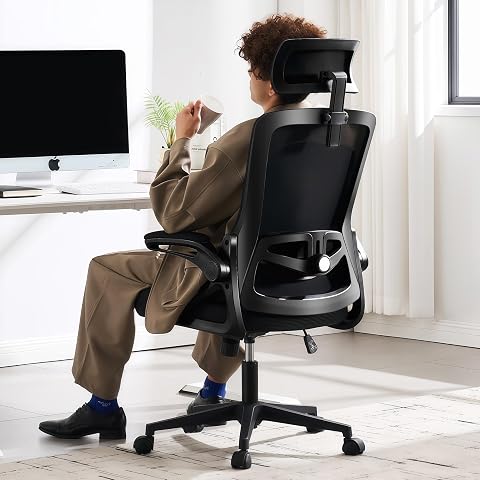 Fizzin Mesh Office Chair with Adjustable Lumbar Support and HeadrestView on Amazon →
 - 10
 Ergonomic Home Office Chair with Mesh Back and Adjustable FeaturesView on Amazon →
 - 11
 Neo Chair Office Desk Gaming Ergonomic Computer Chair with Lumbar Support and…View on Amazon →
 - 12
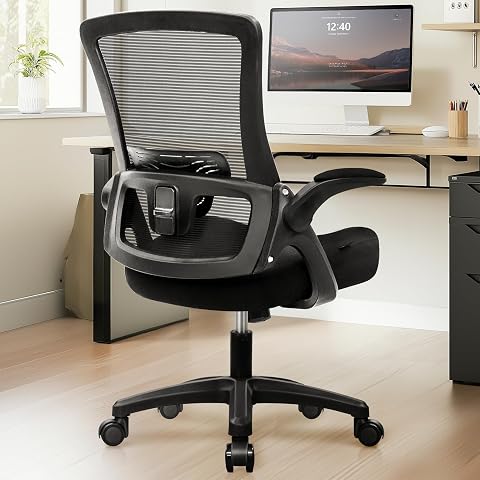 NEO CHAIR Office Desk Gaming Chair with Mesh Back, Adjustable Lumbar Support,…View on Amazon →
 - 13
 BestOffice Ergonomic Office Chair, Mid-Back Swivel Desk Chair, Black, Lumbar…View on Amazon →
 - 14
 Sweetcrispy Home Office Managerial Executive Chair with Ergonomic Design, Mid…View on Amazon →
Implications of AI-Enhanced Office Seating in 2026
The introduction of AI-integrated office chairs represents a significant advancement in ergonomic technology, with potential health benefits for users. These chairs can proactively support posture, reduce discomfort, and potentially lower the risk of musculoskeletal issues. For employers and remote workers, this shift could translate into increased productivity and reduced health-related absences. The market’s focus on smart features also signals a broader trend toward intelligent furniture that adapts to individual needs.
Evolution of Ergonomic Office Chairs and AI Integration
Traditional ergonomic chairs have focused on manual adjustability and basic support features. Over the past decade, manufacturers have incorporated materials like breathable mesh and enhanced padding. The advent of AI in office furniture began gaining momentum in 2024, with early prototypes offering posture tracking and support adjustments. The 2026 release of these 13 models marks a milestone, as AI features become standard rather than optional, driven by advances in sensor technology and machine learning.
This development aligns with broader trends in smart home and office devices, emphasizing health, comfort, and workspace customization. Prior to 2026, some high-end chairs offered limited electronic adjustments, but the new models integrate continuous learning capabilities, making support more precise and personalized.
“Our AI-enabled chair automatically adjusts lumbar support based on sitting posture, reducing strain and promoting healthier habits.”
— Jane Doe, product designer at Sweetcrispy
Remaining Questions About AI Office Chair Effectiveness
It is not yet clear how durable the AI components will be over extended use or how well they will perform in real-world, long-term scenarios. User feedback from initial releases is still emerging, and there is ongoing debate about the cost-to-benefit ratio of advanced AI features versus traditional ergonomic chairs. Additionally, the extent to which AI can truly personalize support without user intervention remains under evaluation.
Upcoming Developments and Market Adoption of AI Chairs
Manufacturers are expected to release updated models with enhanced AI capabilities throughout 2026, including improved sensors and machine learning algorithms. Consumer feedback and clinical studies will influence further innovations. Industry analysts predict increasing adoption in corporate offices and home workspaces, with some models possibly integrating with broader smart office ecosystems. Regulatory and safety standards for AI-enabled furniture are also anticipated to evolve in the coming months.
Key Questions
How do AI-integrated office chairs improve ergonomics?
They use sensors and machine learning to monitor sitting habits and automatically adjust support features like lumbar support and armrests, promoting better posture and reducing discomfort during long hours of sitting.
Are AI office chairs more expensive than traditional ergonomic chairs?
Generally, yes. Premium AI-integrated models tend to cost more due to their advanced features, though prices vary based on brand and capabilities. Budget options are also emerging.
Will AI features require ongoing maintenance or updates?
Likely, as with any smart device, software updates may be needed to improve performance and security. Hardware durability remains a consideration, and manufacturers are expected to provide support and warranties.
Can AI office chairs replace the need for manual adjustments?
While AI features can reduce the need for manual adjustments by automatically optimizing support, users may still prefer manual controls for personalized fine-tuning or specific comfort preferences.
Source: ThorstenMeyerAI.com
Halloween Picks
halloween
As an affiliate, we earn on qualifying purchases.