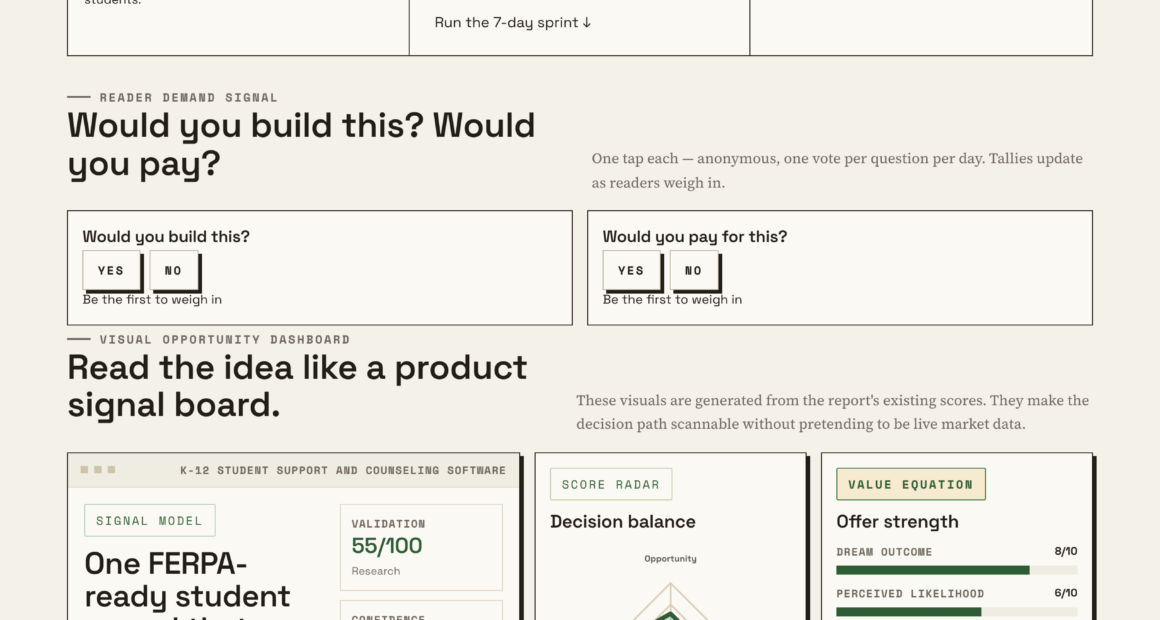
A new approach tests a unified, FERPA-ready student record system for counselors managing 300 students, aiming to improve compliance and efficiency.
Browsing Category
Legal & Law Tech
37 posts
Apple Sues OpenAI, Accuses Ex-employees Of Stealing Trade Secrets
Apple has sued OpenAI, alleging that former employees stole trade secrets related to AI technology. The case raises concerns about corporate espionage in AI development.
Apple Sues OpenAI, Accusing It Of Stealing Company Secrets
Apple files lawsuit against OpenAI, alleging theft of proprietary information related to AI technology, marking a significant legal clash in tech industry.
Estate And Inheritance Facilitator Marketplace
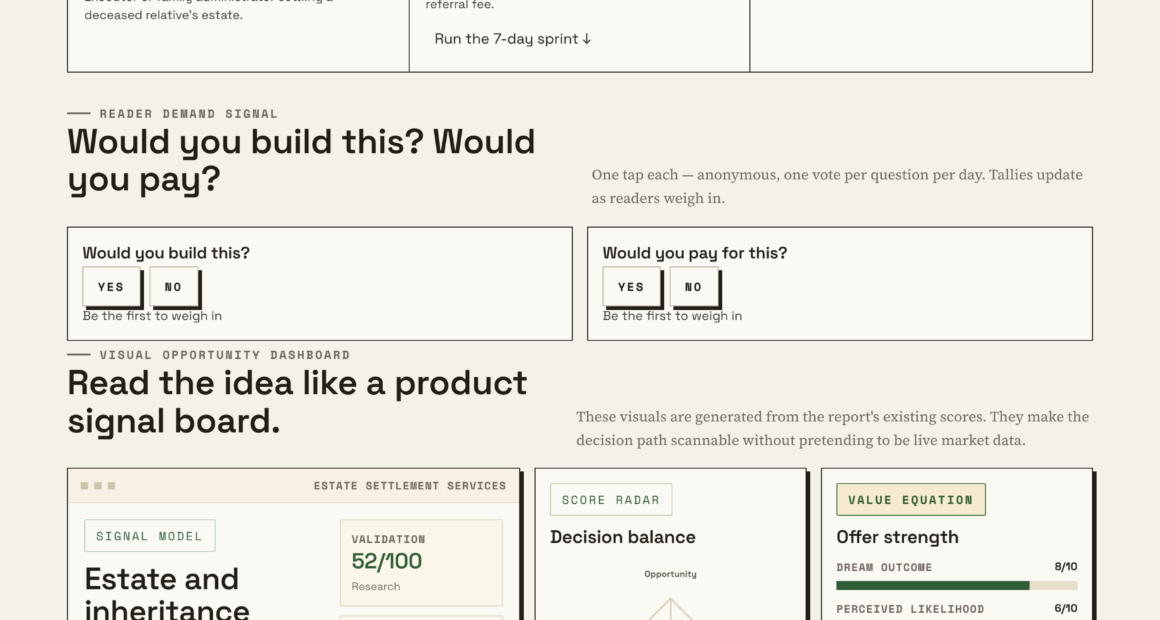
A new marketplace aims to streamline estate settlement by guiding executors and matching them with vetted facilitators, addressing a growing need amid increasing wealth transfer.
Federal vendor registration renewal assistant
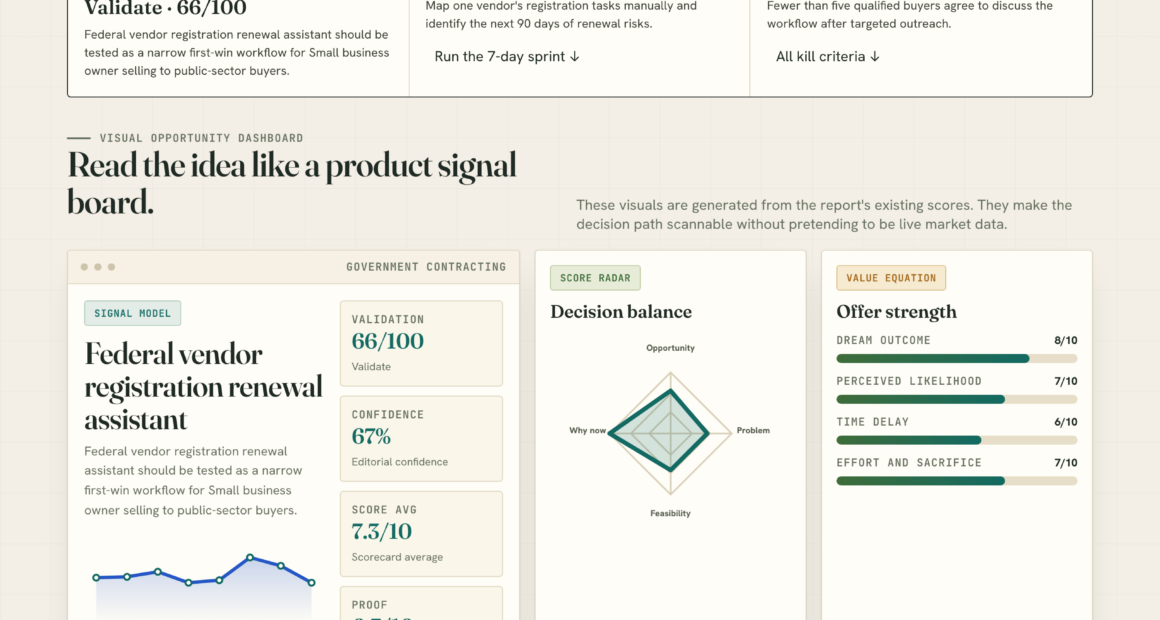
A new federal vendor registration renewal assistant is being tested to help small businesses manage renewal tasks and stay compliant when selling to government buyers.
QAtrial: Compliance That Shows Its Work
QAtrial launches a platform ensuring AI-assisted regulated QA in life sciences meets strict traceability and audit requirements.
Capability or Control: The European Enterprise AI Playbook for the AI Act Era
An overview of how European enterprises are navigating the AI Act, focusing on capability versus control, supply chain, and legal compliance strategies.
The European Union: Rules First, Cushion Always
The EU is prioritizing regulation over ownership in its social model, exemplified by the AI Act and social protections, shaping the future of work.
The conversion. What turning the largest nonprofit into a company did to charity law.
OpenAI restructured from a nonprofit foundation to retain control of its for-profit, raising legal and ethical questions about charitable asset laws.
The license. Why the AI content market pays the brand-name corpus and strands the long tail.
Analysis of how current AI licensing deals favor large publishers, leaving small publishers disadvantaged and exploring potential solutions like collective licensing.