
TL;DR

Get the latest gadgets delivered free — and shop member deals
- Fast, free delivery on millions of items
- Access to Prime Big Deal Days deals on October 6–7
- Prime Video, Amazon Music and more included
Experts forecast 13 major AI-driven disruptions in 2026, affecting industries from healthcare to finance. While some developments are confirmed, others are speculative, highlighting the rapid pace of AI innovation. Learn more about the key AI milestones expected by 2026.
Industry analysts and technology experts project 13 major AI-driven disruptions will reshape multiple sectors in 2026, marking a pivotal year for artificial intelligence adoption and impact. These forecasts highlight the rapid evolution of AI technology and its deepening integration into everyday life and business operations.
According to a recent analysis by ThorstenMeyerAI.com, these 13 disruptions include breakthroughs in healthcare diagnostics, autonomous transportation, AI-powered legal and financial services, and advances in creative AI applications. For more details, see the original analysis. While some of these developments are already underway, others are expected to emerge more fully in 2026.
Experts emphasize that these disruptions could significantly alter industry landscapes, increase efficiency, and pose regulatory and ethical challenges. This is discussed in the Future-Proof Your Business With AI-Driven Marketing Automation In 2026 article. However, the predictions are based on current technological trajectories, and specific timelines or outcomes remain uncertain. Notably, the forecast includes both confirmed trends, such as the expansion of large language models, and speculative shifts like AI-driven policymaking.
The 13 picks
- 1
 Jackery HomePower 3600 Plus Portable Power Station, 3600W AC Output, 3584Wh L…View on Amazon →
 - 2
 EF ECOFLOW DELTA 3 Max Portable Power Station, 2048Wh LFP Battery, 2400W / 34…View on Amazon →
 - 3
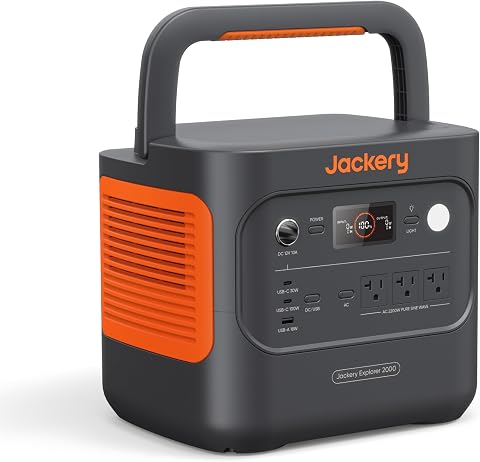 Jackery Explorer 2000 v2 Portable Power Station, 2042Wh, 2200W AC Output, LiF…View on Amazon →
 - 4
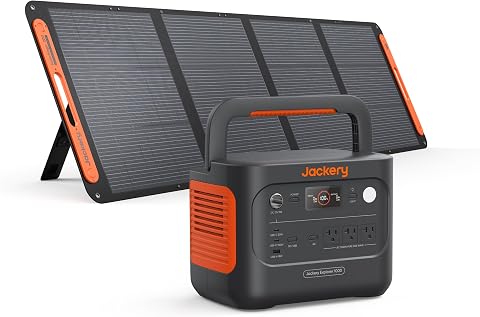 Jackery Solar Generator 1000 V2 with 200W Solar Panel, 1070Wh, 1500W AC, Fast…View on Amazon →
 - 5
 Anker SOLIX C1000 Gen 2 Portable Power Station, 1024Wh, 2000W, Camping, Emerg…View on Amazon →
 - 6
 Jackery Explorer 1000 v2 Portable Power Station, 1070Wh, 1500WView on Amazon →
 - 7
 Jackery Explorer 300 Portable Power Station, 292Wh, LiFePO4 Battery, Solar Ge…View on Amazon →
 - 8
 EF ECOFLOW Portable Power Station Delta 3 Classic, 1024Wh, 1800W AC, LiFePO4…View on Amazon →
 - 9
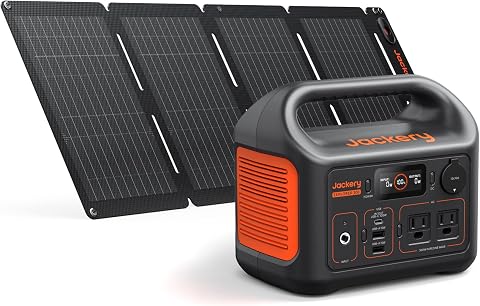 Jackery Solar Generator 300 with 40W Solar Panel, 292Wh, 300W AC OutputView on Amazon →
 - 10
 BLUETTI Elite 30 V2 Portable Power Station 288Wh 600W LFP Solar GeneratorView on Amazon →
 - 11
 Portable Power Station 300W, 192Wh LiFePO4 Battery Solar Generator with Carry…View on Amazon →
 - 12
 EnginStar Portable Power Station 300W 296Wh Battery Bank with 110V Pure Sine…View on Amazon →
 - 13
 HOWEASY Portable Power Station, 88Wh Solar Generator with 120W Peak OutputView on Amazon →
Implications of 2026’s AI Disruptions for Society and Economy
The forecasted disruptions in AI for 2026 could lead to profound societal and economic changes. These include increased automation of jobs, improved healthcare outcomes, and new ethical dilemmas concerning AI decision-making. For consumers and businesses, understanding these shifts is crucial for strategic planning and adaptation.
Moreover, the disruptions could accelerate innovation cycles and create new markets, while also raising concerns about job displacement, privacy, and security. Policymakers and industry leaders will need to prepare for these challenges to harness AI’s benefits while mitigating risks.
Current AI Trends and Foundations Supporting the 2026 Predictions
The predictions for 2026 build on current AI advancements, such as the rapid development of generative models like GPT-4 and GPT-5, increased adoption of AI in healthcare diagnostics, autonomous vehicles, and financial services. Industry reports and expert forecasts indicate that AI’s capabilities are expanding at an unprecedented rate, driven by improvements in computing power, data availability, and algorithmic innovation.
While some disruptions are already in early stages, such as AI in content creation and customer service, the forecast suggests these will become more widespread and impactful by 2026. The analysis also notes ongoing debates around regulation, ethics, and AI safety that will influence how these disruptions unfold.
Unconfirmed Aspects and Potential Variability in Disruption Timelines
While the forecast identifies 13 key disruptions, the exact timing, scale, and societal impact of each remain uncertain. Some predicted shifts, such as AI in policymaking or fully autonomous vehicles, could face regulatory hurdles or technical challenges that delay or alter their trajectory.
Additionally, unforeseen breakthroughs or setbacks in AI research could accelerate or slow down these disruptions, making precise predictions difficult.
Next Steps for Industry and Policymakers Ahead of 2026 Disruptions
Stakeholders should monitor ongoing AI developments, engage in policy discussions, and invest in workforce adaptation strategies. Researchers and industry leaders are expected to focus on advancing AI safety, ethics, and regulatory frameworks to better manage upcoming disruptions.
Expect further detailed forecasts and scenario analyses as 2026 approaches, providing clearer guidance on how to navigate these transformative changes.
Key Questions
What are the most certain AI disruptions expected in 2026?
Confirmed trends include the expansion of large language models, increased use of AI in healthcare diagnostics, and autonomous transportation technologies that are already progressing and are expected to become more widespread.
Which sectors will be most affected by AI disruptions in 2026?
Healthcare, transportation, finance, legal services, and creative industries are expected to see the most significant changes due to AI innovations and automation.
Are there risks associated with these AI disruptions?
Yes, potential risks include job displacement, privacy concerns, security vulnerabilities, and ethical dilemmas related to AI decision-making and autonomy.
How reliable are these predictions for 2026?
The forecasts are based on current trends and expert analysis, but actual developments depend on technological breakthroughs, regulatory actions, and unforeseen challenges, making some aspects uncertain.
What should consumers and businesses do in response to these predictions?
Stakeholders should stay informed about AI advancements, prepare for potential changes in workforce needs, and advocate for responsible AI policies to maximize benefits and minimize risks.
Source: ThorstenMeyerAI.com
Fall Picks
fall essentials
As an affiliate, we earn on qualifying purchases.