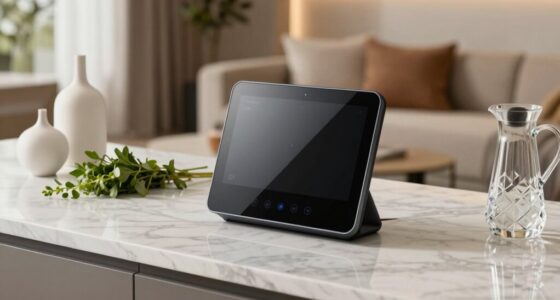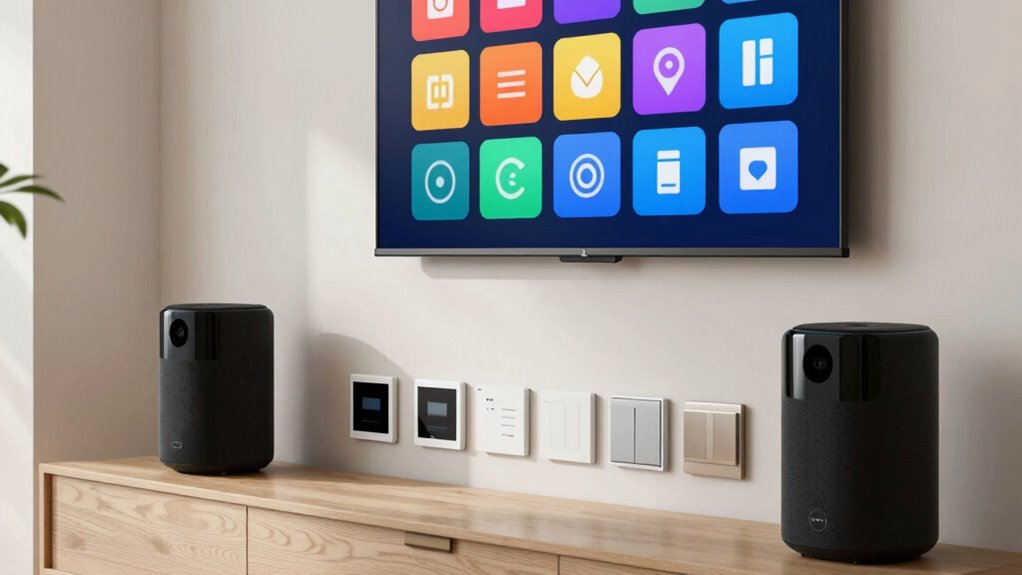

Smart home standards are making devices from different brands work together more easily, creating a seamless ecosystem you can manage effortlessly. With common protocols, you can control your lights, thermostats, and security cameras using voice commands across various products. These standards also prioritize security and data protection, giving you greater trust and peace of mind. As standards evolve, compatibility improves, and innovation accelerates—if you want to discover how these changes impact your smart home setup, keep exploring.

Get the latest gadgets delivered free — and shop member deals
- Fast, free delivery on millions of items
- Access to Prime Big Deal Days deals on October 6–7
- Prime Video, Amazon Music and more included
Key Takeaways
- Standards enable devices from different brands to communicate seamlessly, enhancing cross-compatibility.
- Common protocols allow easy integration of new devices without compatibility issues.
- Voice control standards ensure commands work uniformly across various smart home gadgets.
- Security protocols standardize data protection, fostering greater trust and device interoperability.
- Evolving standards promote an open ecosystem, encouraging innovation and flexible device management.
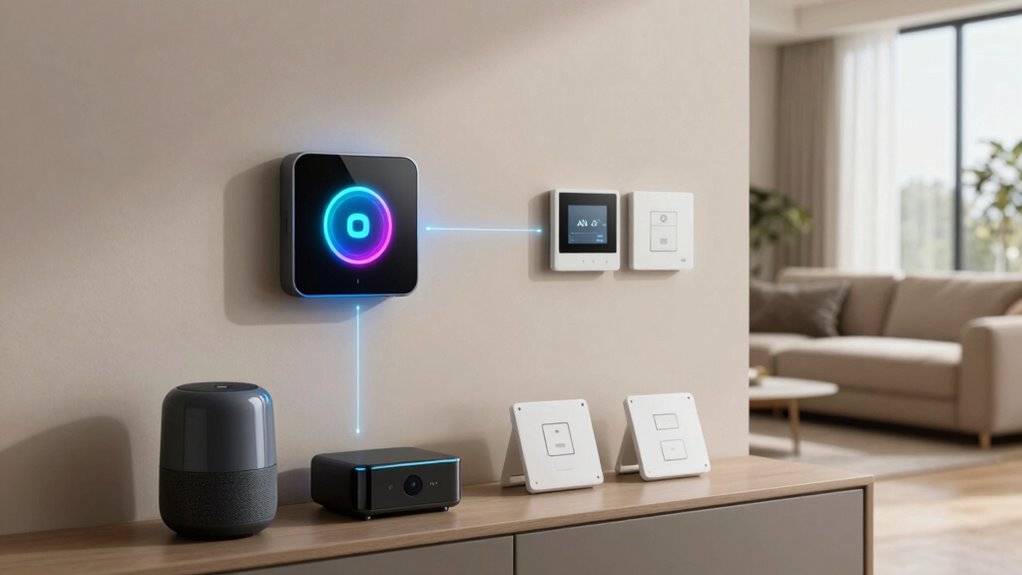
Have you ever wondered how your smart home devices work seamlessly together? It all boils down to the evolving standards that make interoperability possible. These standards guarantee that devices from different brands can communicate smoothly, creating a cohesive ecosystem that’s easy to manage. As technology advances, companies are aligning their products with common protocols, which means you no longer have to stick with one brand or worry about incompatible gadgets. This shift toward standardization is giving you more freedom to customize your smart home without sacrificing convenience.
One of the key elements fueling this change is the focus on voice control. With a growing range of voice assistants like Alexa, Google Assistant, and Siri, standards are ensuring that your devices recognize commands no matter who made them. When your smart speaker can control your lights, thermostat, and security cameras, it’s because manufacturers are adhering to shared protocols that enable these interactions. This universality makes it easier for you to add new devices without the headache of figuring out whether they’ll work with your existing setup. The integration of voice control across brands is transforming the way you interact with your home, making commands more natural and accessible.
Security protocols are also at the heart of these standards. As your smart home becomes more connected, protecting your data and privacy becomes critical. Manufacturers are working together to develop robust security protocols that safeguard your devices from hacking and unauthorized access. These standards set clear guidelines for encryption, authentication, and firmware updates, so you can trust that your smart home isn’t just convenient but also secure. When all devices follow these protocols, they can communicate securely, reducing vulnerabilities and giving you peace of mind. Additionally, security standards are fostering greater consumer confidence in adopting smart home technology. The development of these standards is also encouraging the adoption of interoperability principles, which further enhance device compatibility. This ongoing focus on security protocols ensures that as your smart home grows, it remains resilient against emerging threats. A comprehensive understanding of smart home standards helps consumers make informed choices about device compatibility and security.
The ripple effect of these standards extends beyond individual devices. They foster a more open ecosystem where manufacturers compete to deliver better compatibility and security features. This competition drives innovation, making your smart home smarter and safer. It also means that in the future, you’ll be able to upgrade or replace devices without worrying about losing functionality or compromising your security. As standards continue to evolve, they’ll further simplify setup processes, improve device reliability, and ensure that your smart home environment remains flexible and resilient.
In essence, the ongoing development of smart home standards is reshaping compatibility. By emphasizing voice control and security protocols, these standards are making your smart home more intuitive, trustworthy, and customizable. You’re empowered to build a connected space that works seamlessly, giving you more control and peace of mind in your everyday life.
As an affiliate, we earn on qualifying purchases.
Frequently Asked Questions
How Do Standards Impact Device Security in Smart Homes?
Standards profoundly enhance device security in your smart home by mandating encryption protocols, which protect your data from unauthorized access. They also promote consistent security practices, reducing vulnerabilities, and ensuring your data privacy remains intact. When devices follow these standards, you benefit from a safer environment, as security becomes a core feature rather than an afterthought. This helps prevent hacking and keeps your smart home ecosystem secure and private.
Are There Regional Differences in Smart Home Compatibility Standards?
You might think smart home compatibility is seamless worldwide, but regional regulations create real compatibility challenges. Different regions often adopt varying standards, which can prevent devices from working together across borders. These differences stem from local laws, safety rules, and industry preferences, making global interoperability tough. So, if you’re expanding your smart home internationally, be prepared for compatibility challenges due to these regional regulations shaping how devices connect and communicate.
How Often Are Smart Home Standards Updated or Revised?
Smart home standards are updated periodically, often every few years, to accommodate device networking advancements and evolving technology needs. The standard evolution is driven by industry collaborations, security concerns, and user demands, ensuring compatibility across devices and brands. As a result, you should expect updates that improve interoperability, security, and performance, encouraging manufacturers to adapt their products to meet new standards and make your smart home more seamless and future-proof.
Can Existing Devices Be Upgraded to Meet New Standards?
Yes, existing devices can often be upgraded to meet new standards through upgrade pathways, but device compatibility varies. Some manufacturers provide firmware updates or software patches that enhance compatibility, while others may require hardware upgrades. Check your device’s manufacturer support page for available upgrades. Keep in mind that not all devices will be compatible with future standards, so researching upgrade options early helps guarantee your smart home remains integrated.
What Role Do Consumers Play in Shaping Future Standards?
You shape future standards through your consumer feedback, acting like a steady drumbeat that echoes in the industry’s corridors. Your preferences and frustrations influence market trends, guiding manufacturers to prioritize compatibility and innovation. As you share experiences and demand seamless integration, you become an essential voice in setting the rhythm of change, ensuring that smart home technology evolves in ways that truly meet your needs and expectations.
voice controlled smart home gadgets
As an affiliate, we earn on qualifying purchases.
As an affiliate, we earn on qualifying purchases.
Conclusion
As smart home standards evolve, they’re like a symphony coming together, each device playing its part in harmony. By embracing these changes, you’re building a seamless, interconnected space where everything works in concert, rather than clashing notes. Stay adaptable, keep learning, and you’ll find your smart home becoming a well-orchestrated masterpiece—an effortless dance of technology that makes your life easier and more enjoyable. The future’s bright when everything moves in harmony.
As an affiliate, we earn on qualifying purchases.
interoperable smart home systems
As an affiliate, we earn on qualifying purchases.
As an affiliate, we earn on qualifying purchases.
Fall Picks
fall essentials
As an affiliate, we earn on qualifying purchases.