TL;DR
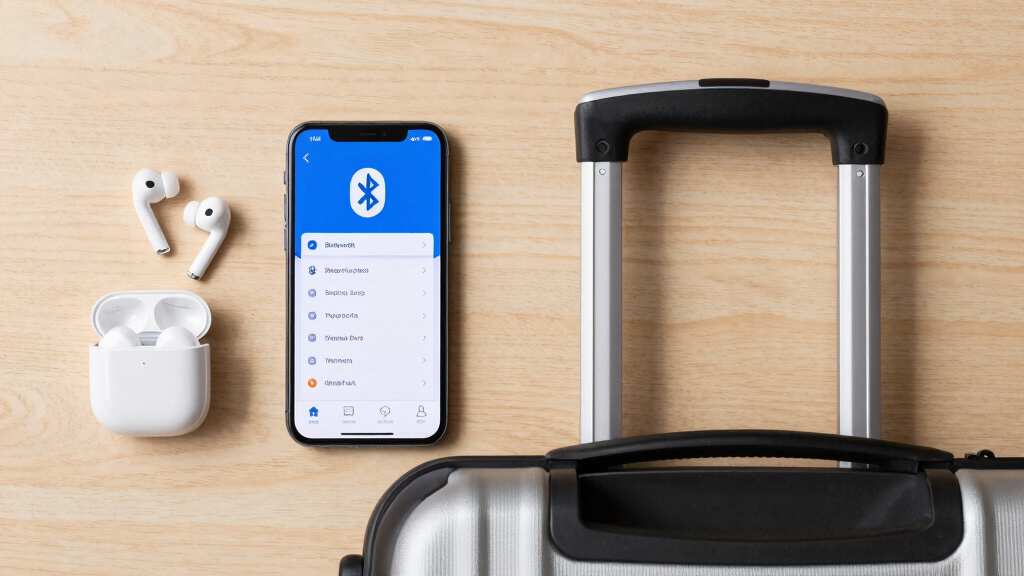
A United Airlines flight from Newark to Palma de Mallorca turned back after a passenger’s Bluetooth device named ‘BOMB’ prompted a security response. The aircraft returned to Newark, and passengers were evacuated for security checks. The incident highlights ongoing security concerns related to electronic device threats onboard flights.
A United Airlines Boeing 767-400ER flight from Newark to Palma de Mallorca returned to Newark after a passenger’s Bluetooth device named ‘BOMB’ triggered a security alert mid-flight. The incident prompted a security response and the aircraft’s immediate return, highlighting ongoing concerns about electronic device threats onboard aircraft.

Get the latest gadgets delivered free with Prime
- Fast, free delivery on millions of items
- Prime Video, Amazon Music and more included
- Member-only deals all year
According to flight tracking data, United Flight 236 departed Newark Liberty International Airport at 6:08 PM local time and was approximately one hour into its transatlantic flight when the security alert was triggered. Passengers reported that a flight attendant announced the need to turn off Bluetooth devices immediately, warning that failure to comply could result in the aircraft turning back. Despite multiple warnings, two Bluetooth devices remained active, prompting the crew to declare a general emergency by squawking code 7700. The aircraft subsequently turned around and landed back at Newark at 8:50 PM after nearly three hours in the air. Passengers were instructed to leave their belongings on the aircraft and disembark for security sweeps. Reports indicate that a ground team identified a Bluetooth device set to ‘BOMB,’ which caused the alert. The flight was operated by a Boeing 767-400ER with registration N67052, and a replacement flight was scheduled for early the next morning, departing Newark around 2:30 AM. No injuries or arrests have been reported, and authorities are investigating the incident.
Why It Matters
This incident underscores the security vulnerabilities posed by electronic devices with threatening or suspicious names onboard commercial flights. It also demonstrates the airline and authorities’ readiness to respond swiftly to potential threats, even if they turn out to be false alarms. Such events can cause significant disruption, passenger distress, and heightened security measures, emphasizing the ongoing importance of vigilance in aviation security protocols.
Products Worth Considering

Bose TV Speaker Compact Soundbar with Bluetooth and HDMI-ARC, Black

Apple Watch Series 10 GPS 46mm with Silver Aluminum Case and Blue Cloud Sport Loop

Bose QuietComfort Headphones (2nd Gen), Wireless Over-Ear Noise-Cancelling Headphones, Black
As an affiliate, we earn on qualifying purchases.
Background
This is not the first time a Bluetooth or Wi-Fi device name has triggered security concerns on United Airlines flights. Earlier this month, a Wi-Fi hotspot named ‘Free Palestine, F Zionists’ prompted a similar warning, and in April, two United flights were evacuated following bomb threats. These incidents reveal a pattern of electronic device-related threats, which authorities continue to treat seriously due to their potential for misuse or misinterpretation. The incident on May 30 follows a series of heightened security alerts related to electronic devices, reflecting ongoing concerns about unconventional threats to aviation safety.
“The Bluetooth speaker name had been set to a ‘four-letter word,’ later reported as ‘BOMB.'”
— a United ground team member
“The crew told us we had to turn off Bluetooth immediately or the plane might turn back.”
— a passenger onboard
What Remains Unclear
It is not yet clear whether the Bluetooth device was intentionally set with a threatening name or if it was a prank. Authorities are still investigating the incident, and no formal charges or arrests have been reported. The full extent of security procedures following the incident remains to be detailed.
What’s Next
Authorities are expected to complete their investigation into the device and the incident. The airline will likely review security protocols related to electronic devices onboard. The replacement flight has already departed, and further updates are anticipated as officials analyze the security breach and assess potential risks.
Key Questions
Was there any real threat to the flight?
According to authorities, the threat was based on a Bluetooth device name set to ‘BOMB,’ which triggered a security alert. No actual explosive device was found, and the incident appears to have been a false alarm or prank.
Will this delay affect future flights?
The delay caused by this incident has already resulted in a replacement flight departing Newark early the next morning. Additional security reviews may temporarily impact scheduling, but there are no indications of widespread disruptions.
Are Bluetooth device names monitored for threats?
Currently, electronic device names are not actively monitored by airlines or authorities for threats, but incidents like this highlight the potential security risks and may lead to increased scrutiny or new protocols.
Could this happen on other airlines?
While this incident involved United Airlines, similar threats could potentially occur on other carriers, as electronic device naming is a common feature. Security protocols are designed to respond swiftly to such alerts regardless of airline.
Source: Hacker News