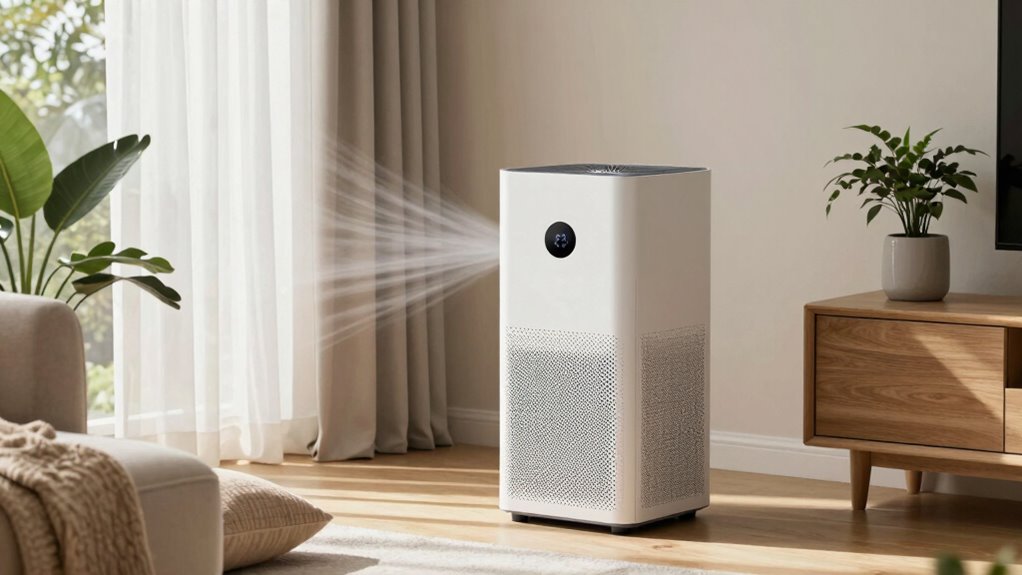

Air purifiers have become a home tech staple because they effectively remove airborne pollutants, allergens, and viruses, helping you breathe healthier air. Sophisticated filtration technologies like HEPA, activated carbon, and UV-C light work together to target a wide range of airborne threats. With smart features and real-time air quality monitoring, they make it easy to maintain a cleaner environment effortlessly. If you want to discover how these devices can transform your indoor space, keep exploring.

Get the latest gadgets delivered free with Prime
- Fast, free delivery on millions of items
- Prime Video, Amazon Music and more included
- Member-only deals all year
Key Takeaways
- Increasing awareness of indoor air pollution risks has driven demand for effective purification solutions.
- Advanced filtration technologies, like HEPA and UV-C, enhance air quality and health benefits at home.
- Smart features provide real-time air monitoring and maintenance alerts, optimizing device performance and user convenience.
- Growing health concerns, including allergies and respiratory issues, make air purifiers essential for cleaner indoor environments.
- Continuous technological innovations ensure air purifiers effectively address emerging airborne threats, solidifying their home tech status.
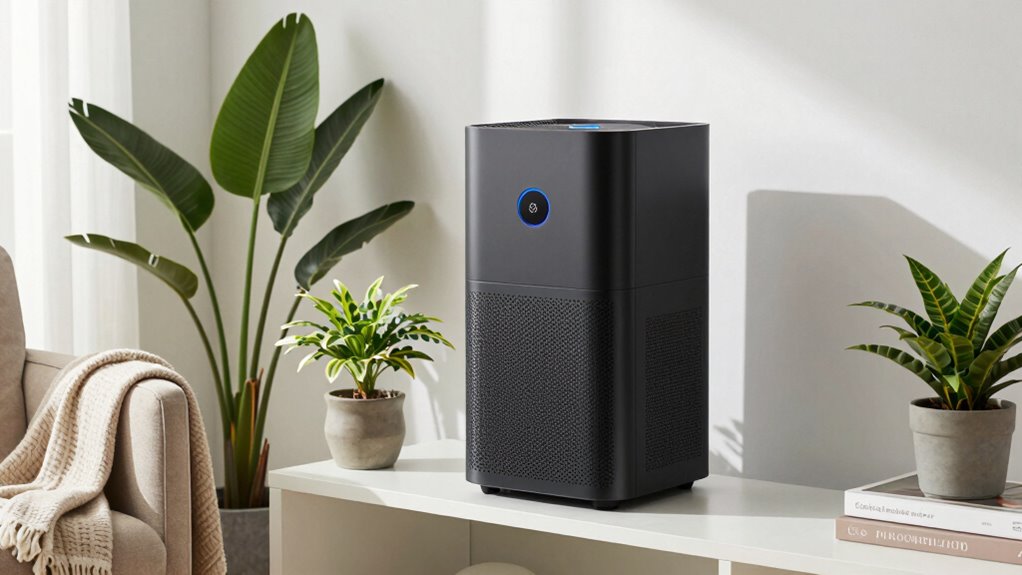
Modern air purifiers use multiple layers of filtering, such as HEPA filters, activated carbon, and sometimes UV-C light, to remove a broad range of airborne pollutants. HEPA filters are especially effective at trapping tiny particles like pollen, pet dander, and bacteria, ensuring you breathe cleaner air. Activated carbon filters absorb odors and harmful gases, improving indoor air quality beyond just removing particles. Some models incorporate UV-C light to neutralize viruses and bacteria, adding another layer of protection. These filtration systems work together to ensure that the air circulating in your home is free of contaminants, which is especially important if you suffer from allergies or respiratory issues. Additionally, many advanced models feature high-efficiency filtration that maximizes pollutant removal while minimizing energy consumption. The integration of smart technology with filtration systems has transformed air purifiers from simple appliances into essential home tech. You no longer have to guess when filters need changing or wonder if your air quality is deteriorating. Instead, your device provides precise data, helping you make informed decisions about maintenance and usage. This efficiency not only improves your health but also extends the lifespan of your purifier, saving you money over time. Plus, smart features often include voice control compatibility with virtual assistants, making it even easier to operate your air purifier with just a simple command. Understanding air quality monitoring helps consumers appreciate the importance of real-time data for maintaining a healthy indoor environment. Incorporating microplastics in dust awareness highlights how advanced filtration can reduce tiny pollutants that may impact health. Innovations in filtration technology ensure that air purifiers stay effective against evolving airborne threats, providing peace of mind for users. In addition, filter replacement indicators provide alerts to ensure optimal performance and continuous air quality improvement.
HEPA air purifier with smart features
As an affiliate, we earn on qualifying purchases.
As an affiliate, we earn on qualifying purchases.
Frequently Asked Questions
How Often Should I Replace My Air Purifier’s Filters?
You should replace your air purifier’s filters every 6 to 12 months, depending on the filter lifespan and your maintenance schedule. Check the manufacturer’s recommendations, as some filters, like HEPA or carbon filters, need more frequent changes if you have allergies or pets. Regularly inspecting the filters guarantees peak performance, so set reminders to replace them on time, maintaining clean, healthy air in your home.
Are Air Purifiers Safe for Pets and Children?
Absolutely, air purifiers are safe for pets and children. They promote pet safety by removing pet dander and minimize risks to child health by filtering out allergens and airborne pollutants. You can confidently clean the air in your home, knowing that air purifiers work silently and safely. Just make certain you choose models with non-toxic filters and keep units well-maintained for maximum safety and effectiveness.
Do Air Purifiers Eliminate All Types of Indoor Pollutants?
Air purifiers don’t eliminate all indoor pollutants, but they considerably reduce many, including airborne bacteria through bacterial filtration and indoor VOCs. They’re effective at capturing particles like dust, pollen, and pet dander, but some gases and tiny particles may still slip through. To maximize air quality, choose a purifier with HEPA filters and activated carbon, and combine it with proper ventilation for the best results.
Can Air Purifiers Help With Allergies and Asthma Symptoms?
Air purifiers act like a gust of fresh air for allergy relief and asthma management. They trap airborne allergens, dust, and pet dander, reducing triggers that worsen symptoms. With a steady flow of clean air, you’ll notice fewer sneezing fits and easier breathing. By continuously filtering the air, you help create a healthier environment, making it easier to manage allergies and asthma effectively, so you can breathe easier every day.
What Is the Energy Consumption of Most Air Purifiers?
Most air purifiers are quite energy-efficient, with power consumption ranging from 20 to 100 watts depending on the model and fan speed. You’ll find that higher settings use more energy, but many modern units are designed to minimize power consumption while maintaining effectiveness. If you’re concerned about energy efficiency, look for models with ENERGY STAR ratings, which guarantee lower power use and help you save on electricity bills.
As an affiliate, we earn on qualifying purchases.
Conclusion
With over 60% of households now owning an air purifier, it’s clear they’ve become essential home tech. Not only do they improve air quality, but they also create healthier living spaces. As more people recognize the impact of indoor pollutants—like allergens and viruses—air purifiers will only grow in popularity. Investing in one means you’re actively protecting your health and well-being every day, making your home a safer, cleaner place to breathe.
air purifier with real-time air quality monitor
As an affiliate, we earn on qualifying purchases.
As an affiliate, we earn on qualifying purchases.
activated carbon filter air purifier
As an affiliate, we earn on qualifying purchases.
As an affiliate, we earn on qualifying purchases.
Fall Picks
fall essentials
As an affiliate, we earn on qualifying purchases.