In 2025, whether a budget phone is good enough depends on your priorities. If you need top performance, advanced camera features, and long-term support, a flagship is the better choice. However, if your use is casual and you prefer saving money, a budget device can still handle daily tasks well. To find out which option suits your needs best and learn more about their differences, keep exploring what these phones offer.
Key Takeaways
- Flagship phones offer superior performance, camera quality, and durability, making them ideal for demanding tasks and long-term use.
- Budget phones are sufficient for casual use but may struggle with intensive apps, gaming, and advanced photography.
- Longer software support and better build quality in flagships ensure devices remain functional and secure over several years.
- Cost-effectiveness depends on individual needs; budget models provide good value for basic tasks, while flagships excel in features.
- In 2025, high-end flagships generally justify their higher price through durability, advanced features, and future-proofing.

Samsung Galaxy S25 FE Cell Phone (2025), 128GB AI Smartphone, Unlocked Android, Large Display, 4900mAh Battery, High Res-Camera, AI Photo Edits, Durable, US 1 Yr Warranty, White
BIG. BRIGHT. SMOOTH : Enjoy every scroll, swipe and stream on a stunning 6.7” wide display that’s as…
As an affiliate, we earn on qualifying purchases.
As an affiliate, we earn on qualifying purchases.
Comparing Performance and Speed
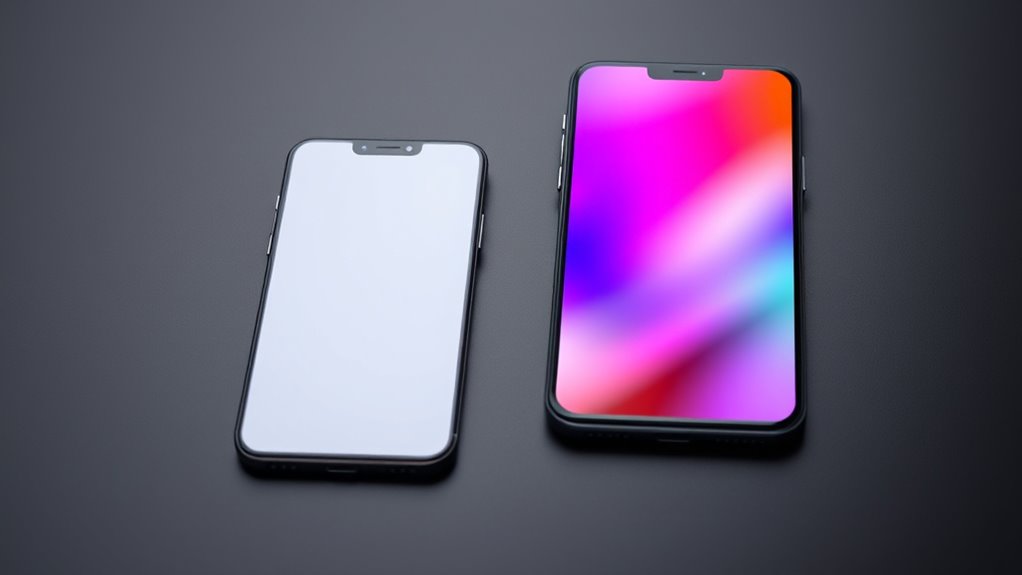
When it comes to performance and speed, flagship phones generally outperform budget models thanks to their more powerful processors and higher RAM capacity. Your experience depends heavily on these specs, but screen size also plays a role; larger screens in flagship devices often require more processing power, which premium brands optimize for. The brand reputation influences the quality of hardware and software integration, ensuring smoother operation and quicker responses. Budget phones may have decent performance for basic tasks, but flagship models are built for intensive use, multitasking, and gaming. With their advanced chipsets and reliable brand backing, flagship phones deliver a faster, more responsive experience. Additionally, energy-efficient hardware in flagship devices can help prolong battery life and reduce power consumption, aligning with sustainable technology trends. Furthermore, the inclusion of advanced cooling systems can improve device longevity and maintain performance during extended use. Additionally, the integration of AI-powered optimization can enhance overall device performance, making flagship phones more adaptable to user needs. Moreover, performance-enhancing features like optimized software and hardware synergy further set flagship devices apart from budget options.

Samsung Galaxy S26 Ultra, Unlocked Android Smartphone, 512GB, Privacy Display, Galaxy AI, AI Camera, Super Fast Charging 3.0, Durable Battery, 2026, US 1 Year Warranty, Black
PRIVACY DISPLAY: Automatically hide your screen from those beside you. The built-in privacy display can be preset¹ to…
As an affiliate, we earn on qualifying purchases.
As an affiliate, we earn on qualifying purchases.
Camera Capabilities and Photo Quality

While budget phones can capture decent photos in good lighting, flagship devices excel with their advanced camera systems, delivering superior image quality across various conditions. They offer higher photo resolution, sharper details, and better color accuracy. With advanced image stabilization, your photos stay clear and blur-free, even in low light or when capturing fast-moving subjects. Flagship phones often feature multiple lenses, including wide, ultra-wide, and telephoto options, expanding your creative possibilities. They also excel in capturing dynamic range, ensuring bright highlights and detailed shadows. multiple lenses and sophisticated sensor technology are incorporated to further enhance photo quality, enabling more versatile and professional-looking images. Additionally, flagship phones frequently incorporate advanced computational photography techniques to improve photo outcomes in challenging environments. Moreover, these phones often include specialized sensor technology that enhances image processing and color fidelity, making your photos more vibrant and true to life. A dedicated image processing chip is also commonly used to optimize photo quality and processing speed. Overall, if photo quality matters to you, flagship phones provide a noticeable upgrade, especially in challenging environments.

2025 Unlocked Smartphones, 6.3" Android 11, 8GB RAM, Dual SIM, 2800mAh, Purple
【2025 Smartphone Available Frequency 】Make sure your SIM card is compatible with the following frequencies: GSM 850/900/1800/1900; 3G…
As an affiliate, we earn on qualifying purchases.
As an affiliate, we earn on qualifying purchases.
Battery Life and Charging Technology
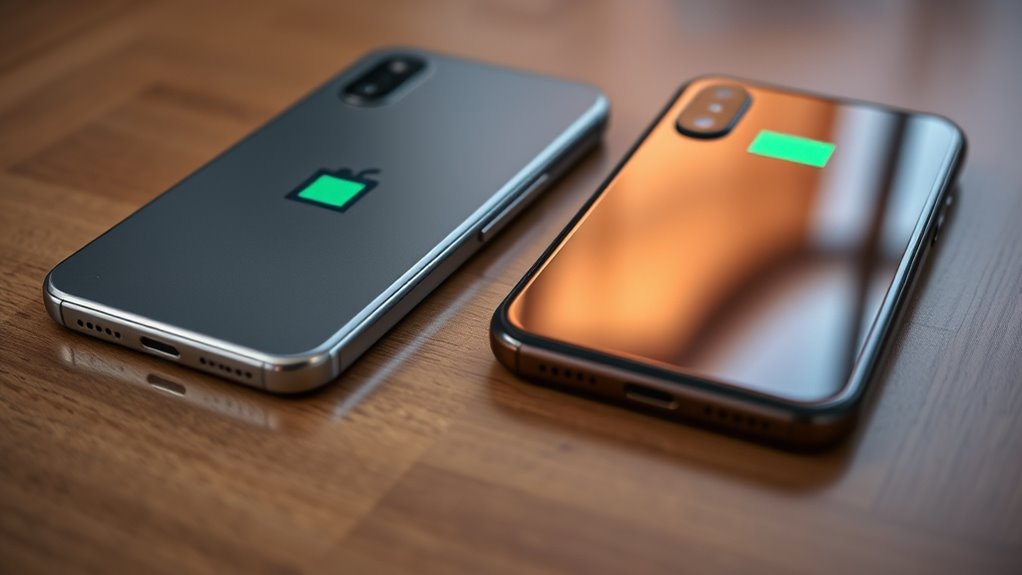
Flagship phones typically offer longer battery life and faster charging options compared to budget models. You’ll find features like fast charging that can recharge your device in minutes, keeping you connected without long waits. Wireless charging adds convenience, allowing you to simply place your phone on a compatible pad instead of plugging in cables. While budget phones may have decent battery life, they often lack rapid charging and wireless options, which can be frustrating when you need a quick boost. Flagship devices optimize power management and include advanced charging tech to extend usage throughout the day. If staying powered up on the go is essential to you, investing in a flagship with fast charging and wireless charging capabilities makes a noticeable difference, especially in 2025’s fast-paced world. Additionally, flagship phones frequently incorporate power management techniques that help conserve battery life over extended periods of heavy usage, and understanding battery technology advancements can help you keep your device in top condition for longer.
Furthermore, battery health maintenance features in premium models assist in prolonging overall battery lifespan, ensuring your device remains reliable over years of use.

Samsung Galaxy S26, Unlocked Android Smartphone, 256GB, Powerful Processor, Galaxy AI, Immersive Viewing, Durable Battery, 2026, US 1 Year Warranty, Black
TYPE IT IN. TRANSFORM IT FAST: Enhance any shot in seconds on your smartphone by using Photo Assist¹…
As an affiliate, we earn on qualifying purchases.
As an affiliate, we earn on qualifying purchases.
Software Updates and Support
Although budget phones often receive software updates less frequently and for a shorter period, flagship devices typically offer longer-term support and more consistent updates. This means you’ll get timely software updates and security patches that keep your device secure and running smoothly over time. With flagships, you’re more likely to receive major OS upgrades and quick security patches after vulnerabilities are discovered. Budget phones may lag behind, leaving you vulnerable or missing out on new features. You’ll want to contemplate how important it is for your device to stay current and secure.
- Longer support lifespan for software updates
- Faster delivery of security patches
- More frequent OS upgrades
- Better app compatibility over time
- Improved device security and stability
Design and Build Quality

Budget phones often feature plastic frames and lower-quality materials that can feel cheap and less durable. These materials used in budget models tend to lack the premium feel of flagship devices, which often incorporate metal or glass for a more solid, high-end impression. Despite these drawbacks, some budget phones still offer ergonomic design, making them comfortable to hold and operate. However, the overall build quality may be compromised, leading to concerns about longevity and resistance to daily wear and tear. build quality can influence the device’s ability to withstand accidental drops and impacts, which is an essential factor for many consumers. In addition, the choice of materials can impact the device’s resistance to environmental factors such as moisture and dust, further affecting longevity. For instance, water and dust resistance ratings are more common in flagship models, contributing to their durability and longevity over time. Moreover, durability standards are often higher in premium devices, offering better protection against common hazards.
Price-to-Value Ratio

While flagship phones typically come with a higher price tag, they often justify the cost through superior features, build quality, and performance, offering better value for those who prioritize cutting-edge technology and durability. You might find that the price-to-value ratio favors budget phones when considering daily use, especially if brand loyalty influences your choice. High-end devices often provide a seamless user interface, faster updates, and premium materials, but these benefits may not justify the extra cost for everyone. Budget phones now pack impressive specs and smooth interfaces that meet most needs without breaking the bank.
- Affordable price with solid performance
- Enhanced user interface for a better experience
- Trusted brand loyalty for ongoing support
- Features that rival mid-tier phones
- Better value for casual or everyday use
Long-Term Durability and Longevity

Long-term durability and longevity are essential factors to contemplate when choosing between budget and flagship phones. Budget phones often have less robust case durability, making them more susceptible to damage from drops or impacts. Flagship phones usually feature stronger materials like Gorilla Glass and premium metal frames, extending their lifespan. Repairability also plays a significant role; budget models tend to be easier and cheaper to fix, but their components may wear out faster. Flagships might be more complex to repair, but their superior build quality often means they remain functional longer. Additionally, material quality greatly influences how well a phone withstands daily wear and tear. The manufacturing standards of flagship devices typically ensure better resistance to environmental factors such as moisture and dust, further contributing to their longevity. Furthermore, design considerations in flagship models often include features that enhance durability, like reinforced edges or water resistance coatings, which are less common in budget options. Material selection also impacts the overall durability, with higher-quality materials providing better protection against damage. It is also worth noting that technological advancements in flagship phones often introduce features that improve durability, such as improved shock absorption or corrosion resistance. Ultimately, your choice depends on how much you value a durable case and the ease of repairs. Investing in a flagship could pay off if you seek a device that lasts several years without significant issues.
Making the Right Choice for Your Needs

To select the right phone, you need to weigh performance against your budget and what features matter most to you. Budget models offer good value but may come with limitations, while flagships provide top-tier performance at a higher cost. Finding the right balance between cost and features guarantees you get a device that truly fits your needs. Considering auditory processing and other factors can also help inform your decision, especially if you’re influenced by celebrity endorsements or personal branding.
Budget vs. Performance
Choosing between a budget phone and a flagship often comes down to balancing your performance needs with your budget. If gaming performance and software customization are priorities, a flagship offers more powerful processors and better graphics, ensuring smoother gameplay. Budget phones, however, can handle casual gaming and basic tasks but may struggle with intensive apps. Consider these factors:
- High refresh rate screens for fluid gaming
- Advanced chipsets for better performance
- More RAM for multitasking and gaming
- Custom ROM support for software tweaks
- Longer software update support
While flagship phones excel in gaming performance and customization options, budget phones deliver decent performance for everyday use. Your choice depends on how much you value top-tier features versus cost savings for less demanding tasks.
Features and Limitations
When selecting between budget and flagship phones, understanding their features and limitations is essential to making the right choice for your needs. Budget phones often offer decent gaming performance, but they may struggle with high-end games or sustained use, leading to lag or overheating. Audio quality can also be limited, with cheaper models sometimes providing less clear sound or weaker speakers. Flagship phones, on the other hand, excel in gaming performance thanks to powerful processors and advanced graphics, delivering smoother gameplay. They also feature superior audio quality, with richer sound and better speakers or headphone support. However, these enhancements come at a higher price. Knowing these differences helps you decide whether a budget phone meets your basic needs or if investing in a flagship is worth it for enhanced features. Additionally, performance limitations of budget models can impact overall user experience, especially during intensive tasks, which is crucial when considering long-term usability and future software updates.
Cost-Effectiveness Balance
Balancing cost and features is essential when deciding between budget and flagship phones, especially if you want to get the best value for your money. To make an informed choice, consider a thorough price comparison to see where each model stands. Brand reputation plays a pivotal role, as trusted brands often offer better software updates and durability. Think about your actual needs: do you prioritize camera quality, battery life, or overall performance? Sometimes, a slightly cheaper model offers the best cost-effectiveness if it meets your core requirements. Keep in mind that flagship phones may have higher upfront costs but could save you money long-term through software support. Ultimately, finding the right balance depends on your budget and what features matter most to you.
Frequently Asked Questions
How Do Budget Phones Compare to Flagships in Gaming Performance?
Budget phones generally struggle with gaming performance compared to flagships. They often have less powerful processors, which reduces processor efficiency, leading to lower frame rates and lag. You’ll notice that budget devices can’t handle high graphics settings smoothly, unlike flagship phones that feature top-tier processors and better graphics support. If you’re serious about gaming, investing in a flagship ensures smoother gameplay and higher graphics quality, making your experience much more enjoyable.
Are Cheaper Smartphones More Vulnerable to Security Threats?
You might notice that cheaper smartphones can be a bit more prone to security vulnerabilities, which means they could be slightly more inviting to threats. This could impact your data privacy if not carefully managed. However, many budget devices still receive regular security updates, so staying cautious and installing updates promptly helps protect your information. Overall, it’s wise to choose devices with good security practices, regardless of price.
Can Budget Phones Support Future Software Updates as Long as Premium Models?
Budget phones can support future software updates, but their software longevity and update support vary. Typically, premium models receive longer and more consistent updates, while budget phones may only get limited or shorter-term support. If you want your device to stay secure and feature-rich over time, consider how long the manufacturer promises updates. Budget phones might suffice initially, but their update support often doesn’t match that of flagship models.
Do Budget Phones Have Better or Worse Resale Value Than Flagship Devices?
You might think budget phones have better resale value, but they actually suffer faster depreciation rates, leaving you with less cash when you upgrade. Flagship devices hold their value longer, thanks to higher demand and premium build quality. So, while you save upfront, your cheaper phone’s resale value drops quickly, making it a poor investment in the long run. Ironically, spending more often pays off later.
How Do Repair Costs Differ Between Budget and Flagship Smartphones?
You’ll find that repair costs for budget smartphones are generally lower, especially since they often have simpler components and less expensive parts. Warranty coverage might be more limited, leading to longer repair turnaround times compared to flagship devices, which usually come with extensive warranties and quicker repairs. However, flagship repairs tend to cost more due to premium parts and advanced technology, making budget phones a more economical choice for repairs.
Conclusion
In 2025, choosing between budget and flagship phones is like weighing a sturdy, reliable car against a luxury vehicle. While the budget phone might get you from point A to B, the flagship offers speed, elegance, and cutting-edge features. It’s about balancing your needs with your budget—whether you prefer the practicality of a daily driver or the thrill of top-tier tech. Ultimately, your choice depends on what matters most to you in a smartphone experience.