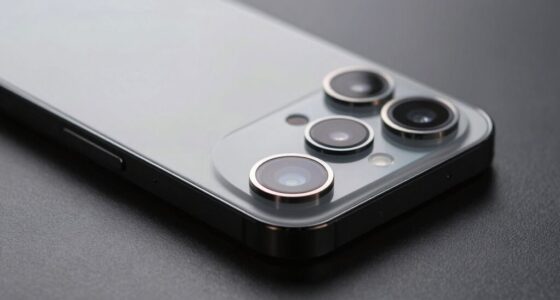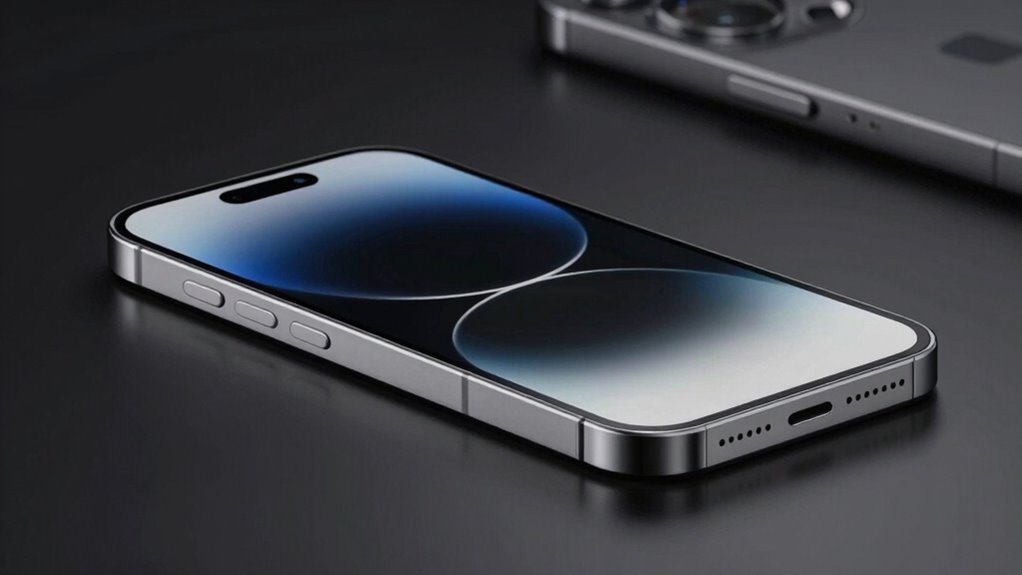

Smartphones no longer have removable batteries because manufacturers prioritize sleek, slim designs that are more durable and water-resistant. They use unibody structures and integrated components to maximize internal space and improve strength, though this makes repairs more difficult. Advances in battery tech also mean longer-lasting, safer, and faster-charging batteries, reducing the need for swapping. If you want to explore how these trends impact repairability and sustainability, there’s more to uncover.
Key Takeaways
- Modern smartphones prioritize slim, sleek designs that limit space for removable batteries.
- Unibody construction enhances durability and structural integrity but makes battery removal difficult.
- Integrated batteries enable better internal component integration and support faster charging technologies.
- Manufacturing efficiency and cost reduction favor sealed designs over removable battery options.
- Focus on device longevity and safety features reduce the need for user-replaceable batteries.
The Shift Toward Slimmer, More Compact Devices
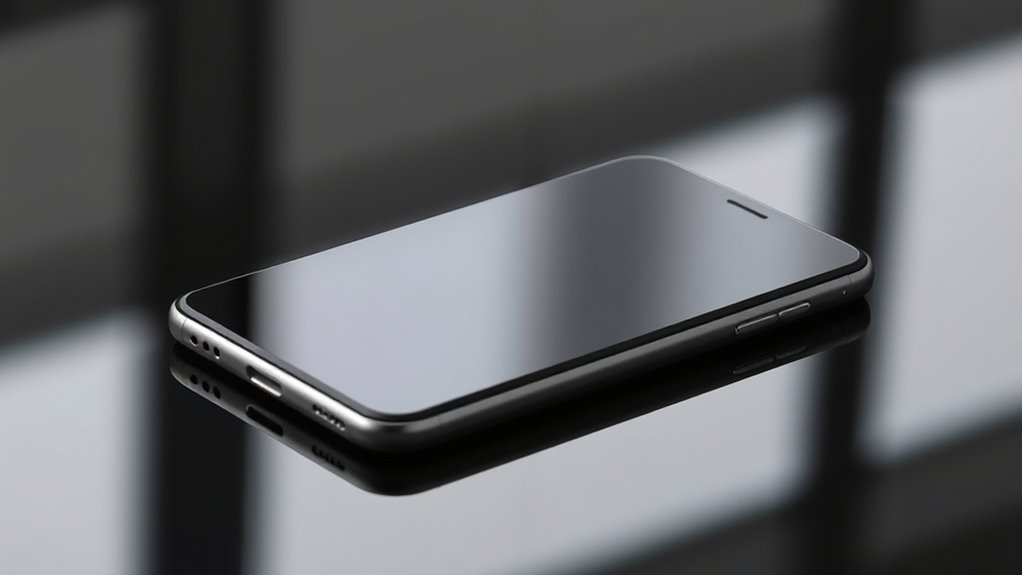
As smartphones become thinner and more streamlined, manufacturers prioritize compact design over removable batteries. This shift allows for sleeker devices that fit comfortably in your hand and pocket, appealing to modern aesthetics. However, it affects battery longevity, as integrated batteries are harder to replace, potentially reducing overall lifespan. Despite this, manufacturers aim to enhance user convenience with fast charging and optimized power management, compensating for the lack of removable options. Thinner profiles mean fewer components taking up space, allowing for more efficient use of internal room. Advances in energy-efficient technology also help extend battery life despite the non-removable design. Additionally, some manufacturers incorporate smart battery management systems to prolong battery health and performance over time. While you might lose the ability to swap batteries easily, the design improvements often lead to a better overall user experience. Moreover, integrated battery design enables more seamless integration of other internal components, further supporting the device’s slim profile. Ultimately, the focus on slimness balances aesthetics with practical features, shaping how you use your device daily.
Advances in Battery Technology and Safety Measures
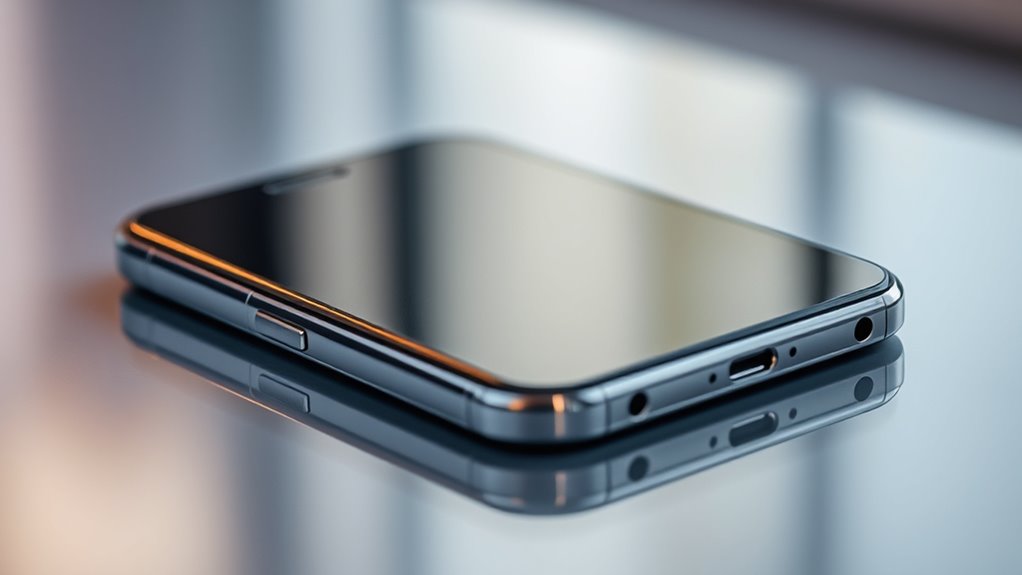
Recent advances in battery technology have markedly improved both performance and safety, addressing many concerns linked to non-removable batteries. Modern batteries now have a longer lifespan, reducing the need for frequent replacements and making devices more durable. Safety measures, such as better thermal management and built-in protection circuits, minimize risks of overheating or fires. Additionally, charging speed has considerably increased, allowing you to recharge your phone quickly without compromising battery health. These innovations mean you can enjoy faster charging times and longer-lasting batteries, all within a sealed design that enhances device integrity. Furthermore, the development of vetted battery materials and systems ensures higher reliability and safety standards. As a result, manufacturers can prioritize sleek, unibody designs while still delivering reliable battery performance and safety, making removable batteries less necessary for everyday use.
The Influence of Unibody Designs on Repairability
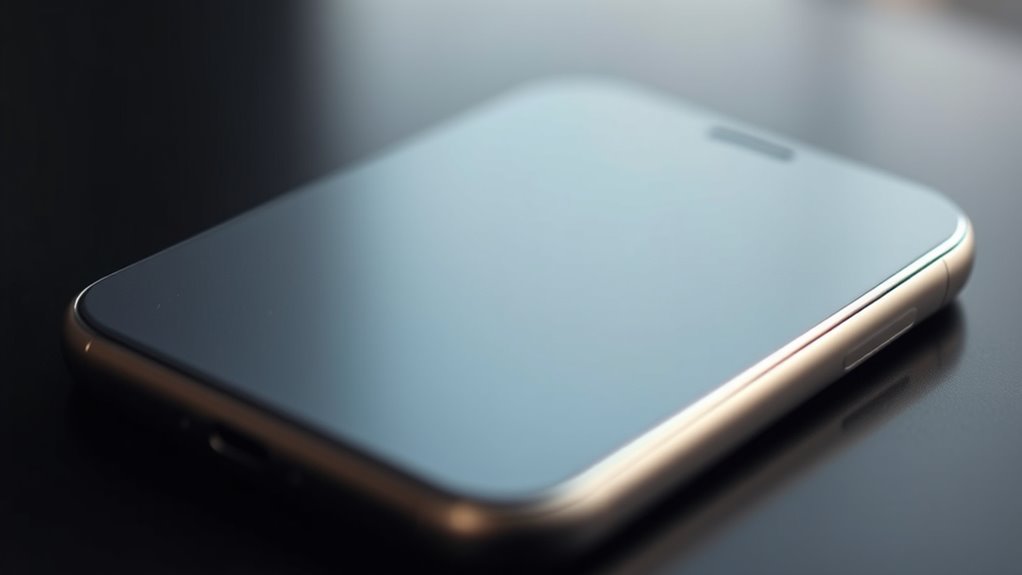
Unibody designs make phones stronger and more durable, so your device can withstand everyday bumps. They also allow manufacturers to create slimmer profiles that fit comfortably in your hand. However, this design choice can make repairs more complicated and costly, as removing or replacing components becomes trickier. Additionally, repairability challenges arise because integrated structures limit the ability to easily access or replace individual parts. The design integration often means that some components are permanently fused or glued, further complicating repairs. This trend reflects a broader move towards compact device architecture, which prioritizes aesthetics and performance over repairability.
Structural Integrity Benefits
The shift to unibody designs considerably enhances a phone’s structural integrity, making the device more durable and resistant to bending or breaking under stress. You benefit from improved *structural stability*, which helps protect internal components like the *battery compartment*. This design reduces points of weakness and distributes stress evenly across the phone’s body.
In particular:
- The seamless construction minimizes gaps where cracks could start.
- Increased rigidity prevents bending, protecting internal parts.
- Fewer removable parts mean less vulnerability to external shocks.
While this design boosts durability, it also means your phone is less likely to suffer damage from everyday stress, ensuring the device remains intact longer and maintains its overall *structural integrity*.
Slimmer Device Profiles
Without removable batteries, manufacturers can design phones with slimmer profiles that fit more comfortably in your hand or pocket. Unibody designs eliminate bulky casing, enabling a sleek, seamless look. This slimness often means battery swapping isn’t feasible, pushing you toward sealed devices with non-removable batteries. Here’s what this means:
| Benefits of Slim Profiles | Trade-offs |
|---|---|
| More comfortable to carry | Reduced repairability |
| Aesthetically appealing | Harder to replace or upgrade |
| Enhanced durability | Limited options for battery swapping |
While these sleek designs boost style and portability, they also make repairs more complex, reinforcing the trend away from removable batteries. Ultimately, slim profiles prioritize form over traditional repair methods.
Repair Challenges Increase
As smartphones become more sleek and compact, repairability takes a hit. Unibody designs mean that opening your phone isn’t straightforward, making tasks like battery replacement more challenging. You might find yourself facing three common issues:
- Complex disassembly: Removing the back cover often requires special tools and skills, increasing the risk of damage.
- Limited user repairability: When components are glued or soldered in place, replacing the battery becomes a professional job, not a DIY fix.
- Higher repair costs: Because of the design complexity, repairs take longer and cost more, discouraging users from attempting their own fixes.
- Essential oils are sometimes used in device cleaning and maintenance to ensure safe handling of delicate parts, emphasizing the importance of proper repair techniques.
- The trend toward unibody construction aims to improve device durability and aesthetic appeal but inadvertently reduces the ease of repair and customization options. This approach often involves adhesive bonding, which further complicates disassembly.
- This design evolution prioritizes a sleeker look over user-friendly repairability, often leaving consumers with limited options for maintenance. Additionally, the integration of glued components makes separating parts more difficult and increases the likelihood of damage during repair attempts.
Ultimately, these design choices protect the device’s form but make it harder for you to perform simple repairs or battery replacements on your own.
Manufacturing Efficiency and Cost Reduction Strategies

Manufacturing simpler, unified designs helps cut production costs and speed up assembly. When parts fit together seamlessly, you save time and reduce errors, which lowers overall expenses. By focusing on efficiency, manufacturers can deliver smartphones at more competitive prices. Additionally, integrated components eliminate the need for additional assembly steps, further streamlining the manufacturing process. This approach also minimizes design complexity, making repairs and upgrades less feasible but enhancing overall reliability and manufacturing speed. Moreover, the use of water-resistant designs has become a common feature, which requires integrated sealing solutions that contribute to the streamlined construction.
Design Simplification Benefits
Design simplification offers significant advantages for manufacturers by streamlining the production process. Fewer parts mean quicker assembly and fewer points of failure, directly boosting battery longevity and reducing repair costs. As a user, you benefit from a sleeker device with fewer gaps and less dust buildup. To achieve these benefits, manufacturers focus on:
- Reducing component complexity to speed up manufacturing.
- Eliminating removable parts that require additional seals, saving costs.
- Designing integrated batteries that enhance overall device durability and user convenience.
While this approach may limit your ability to swap batteries, it ensures your phone is more reliable and easier to handle. Simplified designs help maintain a slim profile, making your device more durable and visually appealing without sacrificing essential features.
Mass Production Cost Savings
To keep production costs low, manufacturers focus on optimizing each step of the assembly process and reducing material expenses. By creating sealed, integrated batteries, they streamline manufacturing, which lowers labor and material costs. This approach also reduces the likelihood of faulty battery replacements, saving money over time. Although some users may see this as less convenient for battery replacement, it allows for slimmer, more durable phone designs that appeal to a broad market. Mass production techniques like automated assembly and bulk component sourcing further cut costs, making devices more affordable. While this strategy sacrifices user convenience in terms of battery swaps, it considerably improves manufacturing efficiency, enabling manufacturers to produce high-quality phones at scale while maintaining competitive prices. Additionally, the use of standardized components helps reduce costs and simplify assembly processes across different models. Incorporating automated assembly lines further accelerates production and minimizes errors, contributing to overall cost savings. Moreover, utilizing cost-effective manufacturing strategies is essential for sustaining profitability in the highly competitive smartphone industry.
Enhanced Water and Dust Resistance Features
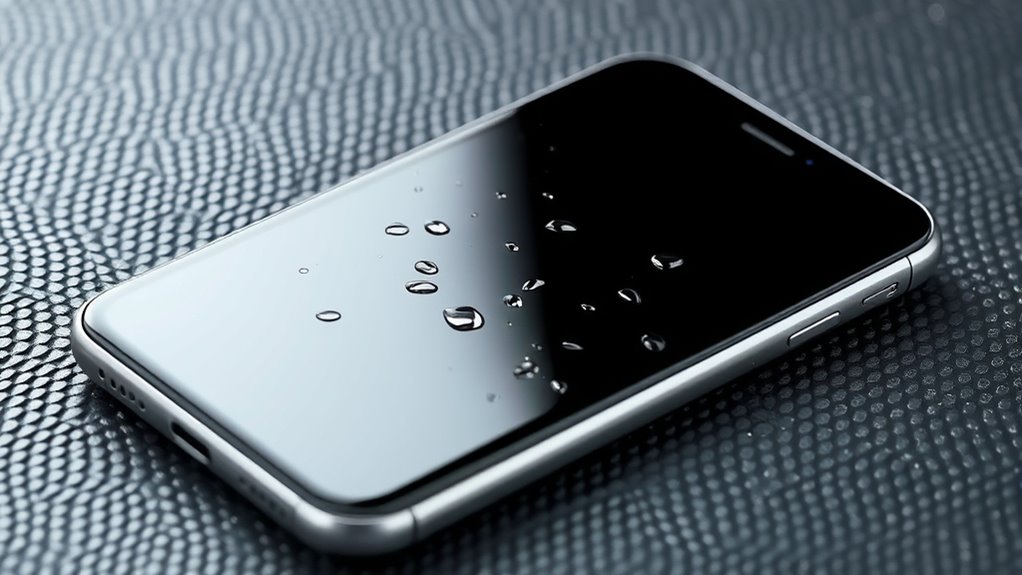
Enhanced water and dust resistance features have become a key reason why phones no longer have removable batteries. By sealing components tightly, manufacturers protect internal parts from moisture and debris, which boosts battery longevity and overall device durability. This design shift also improves user convenience, as you no longer need to worry about water damage or dust intrusion. To achieve this, companies often implement:
- Seamless, waterproof seals around ports and edges
- Corrosion-resistant internal components
- Special coatings on circuit boards and batteries
- Trusted sealing techniques help maintain device integrity over time. These advanced sealing methods incorporate waterproof materials that further enhance device protection. These features enable your phone to withstand accidental splashes or dust exposure without sacrificing performance. As a result, you enjoy a more reliable device that lasts longer in challenging environments, all while benefiting from a sleeker, more integrated design that eliminates the need for removable parts.
Consumer Preferences and Market Trends

Consumer preferences have shifted toward sleek, all-in-one smartphones that prioritize aesthetics and ease of use. You now want a device that fits comfortably in your hand, with a seamless design that looks modern and stylish. This trend influences manufacturers to maximize battery capacity within a slim profile, enhancing user convenience without bulky batteries. Imagine the difference:
| Traditional Phone | Modern Smartphone |
|---|---|
| Removable battery | Integrated, high-capacity |
| Bulky design | Slim, streamlined |
| Limited convenience | Effortless charging |
| Frequent replacements | Longer-lasting power |
These changes reflect what you value: a device that’s easy to carry, looks good, and keeps up with your daily activities without constant battery swaps. Additionally, the move away from removable batteries aligns with market trends focused on reliability and safety, ensuring your device remains durable and less prone to damage over time. The compact design also allows for more innovative features and better water resistance, further improving overall durability. The shift also supports market demands for devices that require less maintenance and provide better overall user experience. Moreover, manufacturers are increasingly prioritizing device longevity, which benefits consumers seeking reliable and enduring technology. This focus on durability and safety is supported by advances in battery technology, leading to more integrated solutions that maintain performance over time.
Environmental Considerations and Recycling Efforts
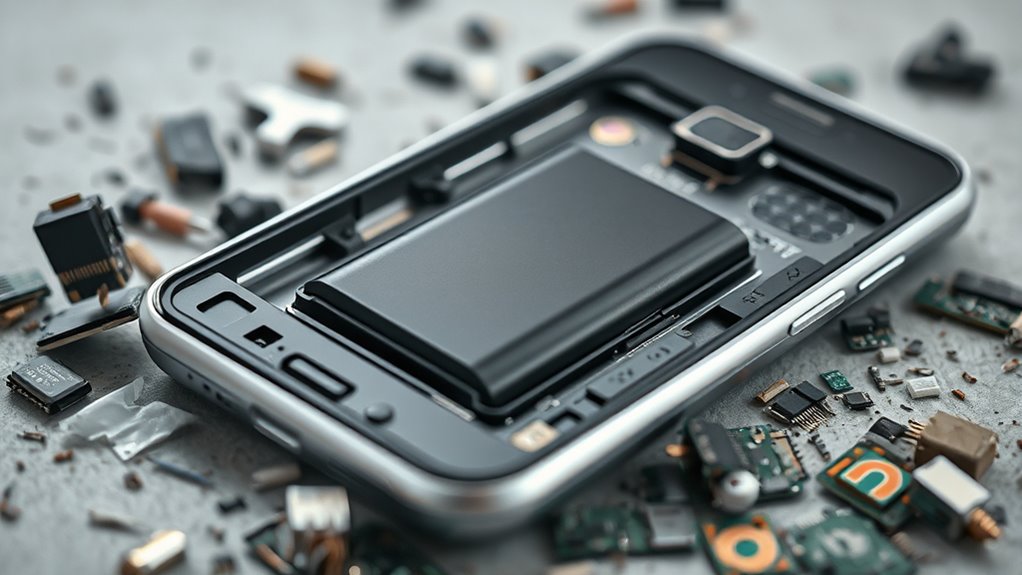
As smartphones have become more integrated into daily life, their environmental impact has gained increased attention. You can help reduce this impact through effective battery recycling efforts. Proper disposal prevents hazardous materials from polluting ecosystems and conserves valuable resources. Here are three ways you can contribute:
- Participate in official battery recycling programs—many retailers and manufacturers offer convenient drop-off locations.
- Educate others about the importance of battery recycling to minimize environmental harm.
- Choose devices with eco-friendly initiatives that promote responsible disposal and materials recovery.
- Incorporate advanced manufacturing techniques in the production of sustainable batteries to further reduce environmental impact, especially considering the diverse ethnic backgrounds of consumers and their preferences for eco-friendly products.
The Impact of Wireless Charging and Power Management
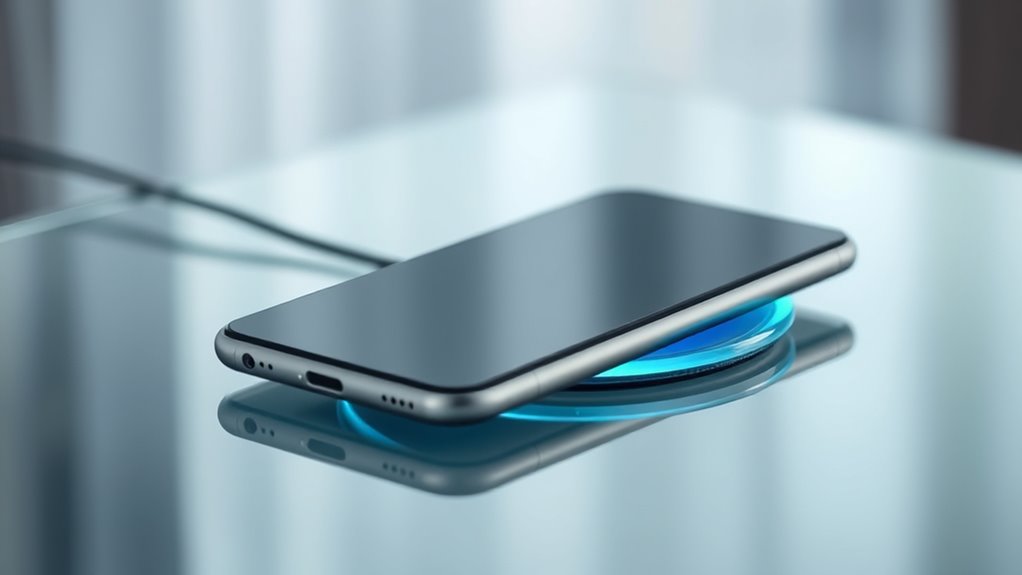
Have you ever wondered how wireless charging has changed the way we power our phones? It simplifies recharging by eliminating cables, but it also influences power management. Phones now rely on smarter internal systems to optimize charging speed, prevent overheating, and extend battery life. Wireless charging pads can deliver varying power levels, so your device needs precise control to avoid damage. This shift means manufacturers design phones with integrated batteries and advanced power management circuits, reducing the need for removable batteries. Wireless charging encourages a seamless user experience, but it also demands more sophisticated internal components to handle efficient energy transfer. As a result, the focus moves from removable batteries to smarter power management systems that ensure longevity and safe charging.
Future Directions in Smartphone Design and Battery Innovation
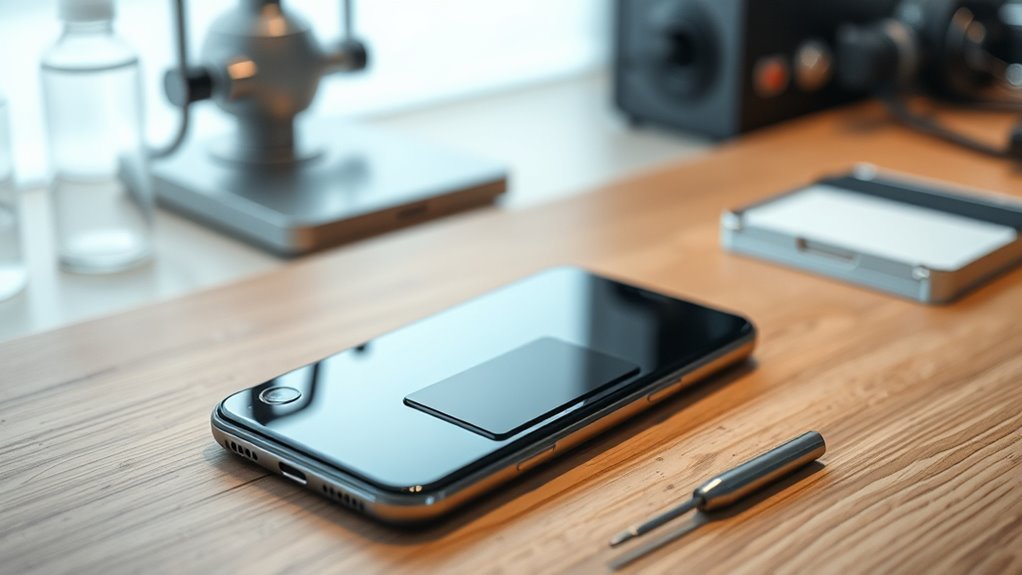
Advancements in smartphone technology are paving the way for innovative battery solutions that prioritize both performance and sustainability. Future designs focus on integrating modular components to allow easier upgrades and repairs, reducing e-waste and extending device lifespan. By emphasizing user accessibility, manufacturers aim to make battery replacements simpler without removing the entire device. Here are key directions to watch:
- Modular components that enable quick, tool-free battery swaps.
- Enhanced battery materials for longer life and faster charging.
- designs that balance sleek aesthetics with easier access to critical parts.
These innovations aim to empower you to maintain your device, reduce environmental impact, and keep up with technological advancements without sacrificing convenience. The future of smartphones blends durability, sustainability, and user-centric design.
Frequently Asked Questions
Are Removable Batteries Still Safer Than Built-In Ones?
Removable batteries are generally safer for replacement convenience because you can swap them out easily if they malfunction or degrade. This reduces risks like overheating or fire from damaged batteries, as you can replace them promptly. Built-in batteries, on the other hand, often require professional help, which can be less convenient and might pose safety concerns if replaced improperly. So, removable batteries still offer an advantage in battery safety and replacement ease.
How Do Removable Batteries Affect Device Durability?
Removable batteries can make your device feel like a superhero with endless battery lifespan, but they often compromise durability. While you can easily swap out a worn battery, the device’s overall structure might weaken over time, making it more prone to damage. However, removable batteries offer repairability benefits, allowing you to extend your phone’s life without costly repairs. Just be mindful that frequent removal can wear out the battery compartment.
Can Removable Batteries Be Upgraded for Better Performance?
Yes, removable batteries can be upgraded for better performance. You can swap out your current battery for a higher-capacity one, which enhances battery life and overall device performance. This battery upgrade allows you to extend usage time and improve efficiency without replacing your entire phone. Keep in mind, though, that not all phones support easy battery upgrades, so check compatibility before attempting to boost your device’s performance with a new battery.
Do Removable Batteries Impact Phone Waterproof Capabilities?
Removable batteries are like open books, making it harder to keep water out. They can compromise waterproof sealing, so phones with removable batteries often aren’t as water-resistant. When you replace a battery, it might weaken the seal, increasing water damage risk. That’s why many manufacturers prefer sealed designs, prioritizing waterproof capabilities over easy battery replacement, even if it means sacrificing the convenience of swapping out batteries yourself.
Will Future Phones Ever Revert to Removable Battery Designs?
Future phones might revert to removable batteries if modular designs become more popular, allowing easy replacement and upgrades. This shift could also promote better battery recycling, reducing electronic waste. As companies focus on sustainability and user convenience, you may see more devices with accessible batteries. Although current trends favor sealed designs, advancements in modular technology could bring back removable batteries, benefiting both consumers and the environment.
Conclusion
While removable batteries once offered convenience, today’s smartphones prioritize sleekness and durability. You trade easy swaps for water resistance, thinner profiles, and improved safety. It’s a push toward seamless design, even if it means sacrificing repairability. As technology evolves, you gain better safety and longer-lasting devices, but lose the simple ability to swap batteries on your own. In this race for innovation, convenience takes a backseat to progress—reminding you that sometimes, progress means letting go of the old.