TL;DR

Get the latest gadgets delivered free — and shop member deals
- Fast, free delivery on millions of items
- Access to Prime Big Deal Days deals on October 6–7
- Prime Video, Amazon Music and more included
UC San Diego is deploying a 2,000-phone computing cluster made from retired smartphones to reduce the carbon footprint of cloud computing. Supported by Google, this project aims to reuse existing hardware for sustainable data processing.
Researchers at the University of California San Diego are constructing a 2,000-phone computing cluster from retired smartphones to provide low-carbon, cost-effective cloud computing for educational and research purposes, with deployment planned for Fall 2026.
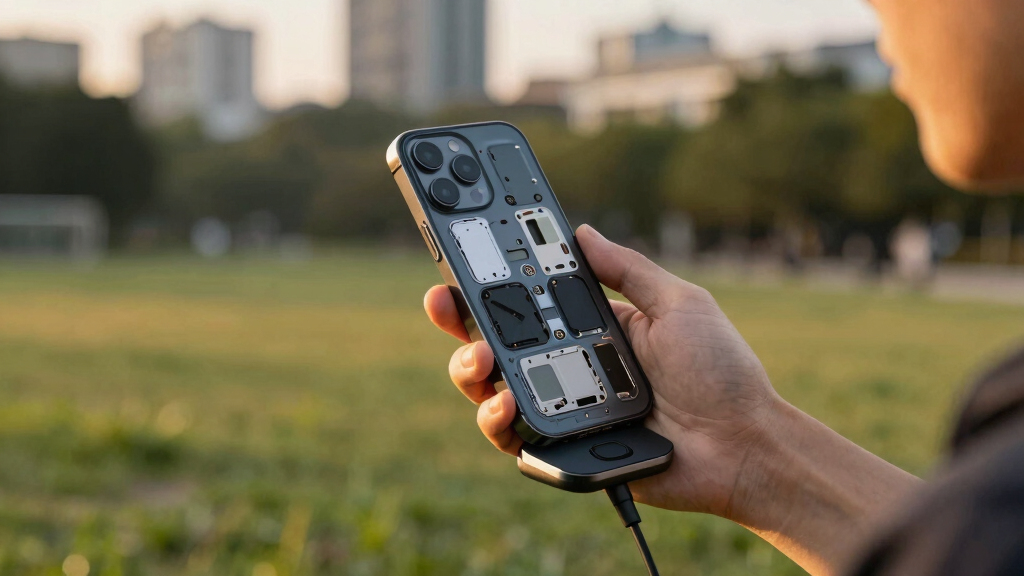
The project involves extracting motherboards from discarded smartphones, primarily Pixel devices, and reconfiguring them into a scalable computing platform. This initiative aims to reduce the environmental impact associated with manufacturing new hardware by repurposing existing devices.
Supported by Google, the cluster will serve hundreds of researchers and students, supporting applications such as grading and research workloads that are within the capacity of individual smartphones. The system will utilize containerized applications managed via Kubernetes, organizing the phones into self-managing clusters of 25-50 devices.
Early experiments with smaller clusters have demonstrated that 20 phones can support the workload of a small class, with the full 2,000-phone system expected to support hundreds of classes simultaneously, providing a significant reduction in operational carbon footprint compared to traditional data centers.
Potential Impact on Sustainable Cloud Computing
This project represents a significant step toward reducing the environmental footprint of cloud infrastructure, leveraging existing consumer electronics instead of manufacturing new server hardware. It could influence future approaches to sustainable computing, especially in educational and research settings where high-volume, low-cost cloud resources are needed.
By demonstrating the viability of repurposing retired smartphones, the initiative could inspire similar projects at other institutions, contributing to broader efforts to decouple digital infrastructure growth from carbon emissions.
smartphone motherboard repair tools
As an affiliate, we earn on qualifying purchases.
As an affiliate, we earn on qualifying purchases.
Background on Smartphone Recycling and Cloud Sustainability
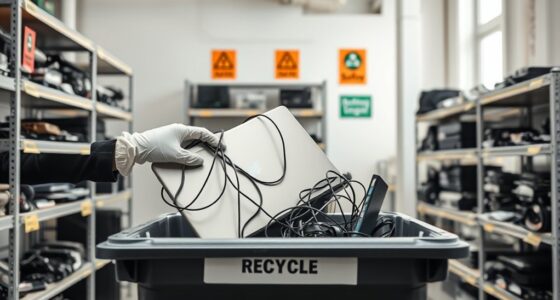
Smartphones are replaced approximately every four years, with many devices still retaining core computing capabilities after disposal. Traditionally, these devices are discarded or recycled, but recent research explores their potential for repurposing in computing infrastructure.
Previous efforts have focused on extending device lifespan or recycling materials, but the UC San Diego project is among the first to build a large-scale, cloud-compatible platform from consumer devices. The initiative aligns with broader industry goals to address the high embodied carbon of hardware manufacturing and operational emissions from data centers.
“Repurposing smartphones for cloud computing not only reduces environmental impact but also offers a cost-effective alternative to traditional data centers.”
— UC San Diego researcher
retired smartphone recycling kits
As an affiliate, we earn on qualifying purchases.
As an affiliate, we earn on qualifying purchases.
Uncertainties About Hardware Reliability and Performance
It remains unclear how consumer-grade smartphones will perform under sustained, large-scale use, and what maintenance or failure rates might look like over time. The project is still in the testing phase, and long-term reliability data is not yet available.
Additionally, the efficiency of managing such a large number of devices and ensuring security and data integrity in a cloud environment is still being evaluated.
As an affiliate, we earn on qualifying purchases.
Next Steps Toward Deployment and Broader Adoption
The UC San Diego team plans to complete the full deployment of the 2,000-phone cluster by Fall 2026. During this period, they will conduct extensive testing on hardware reliability, system performance, and energy consumption.
Further, the project aims to publish findings on operational challenges and environmental benefits, potentially paving the way for adoption by other universities and organizations interested in sustainable computing solutions.
Kubernetes compatible smartphone cluster
As an affiliate, we earn on qualifying purchases.
As an affiliate, we earn on qualifying purchases.
Key Questions
How will the smartphones be repurposed for cloud computing?
The phones’ motherboards will be extracted from discarded devices, with non-essential components removed. The remaining hardware will be reconfigured to run a Linux-based operating system, then organized into clusters managed via Kubernetes for scalable computing tasks.
What types of applications can run on this smartphone cluster?
Applications that require modest computing resources, such as grading systems, research notebooks, or small-scale data processing, are suitable. The system is designed to support workloads comparable to small cloud instances like AWS’s t3.micro.
What are the environmental benefits of this project?
By reusing existing hardware, the project aims to significantly reduce the embodied carbon associated with manufacturing new servers and lower operational emissions compared to traditional data centers.
When will the full system be operational?
The full 2,000-phone cluster is expected to be launched in Fall 2026, after completing testing and system optimization phases.
Are there limitations to this approach?
Yes, concerns remain about long-term hardware reliability, managing large device fleets, and ensuring security. These issues are currently under investigation during the testing phase.
Source: Hacker News
Fall Picks
fall essentials
As an affiliate, we earn on qualifying purchases.