

A premium tech brand feels credible when it consistently delivers high-quality products and maintains transparency about its processes, from manufacturing to data security. When you see clear, honest communication and a focus on innovation, it builds trust. Engaging with customer feedback and showcasing industry leadership also enhance its reliability. If you want to discover how these elements come together to create true credibility, keep exploring what makes a brand stand out.

Get the latest gadgets delivered free with Prime
- Fast, free delivery on millions of items
- Prime Video, Amazon Music and more included
- Member-only deals all year
Key Takeaways
- Consistent delivery of high-quality, reliable products builds trust and reinforces brand credibility.
- Transparent communication about manufacturing, data security, and development processes fosters honesty.
- Innovative branding and compelling storytelling enhance perceived sophistication and industry leadership.
- Active engagement with customers and prompt support strengthen loyalty and authenticity.
- Long-term commitment to quality, innovation, and meeting customer needs sustains credibility over time.
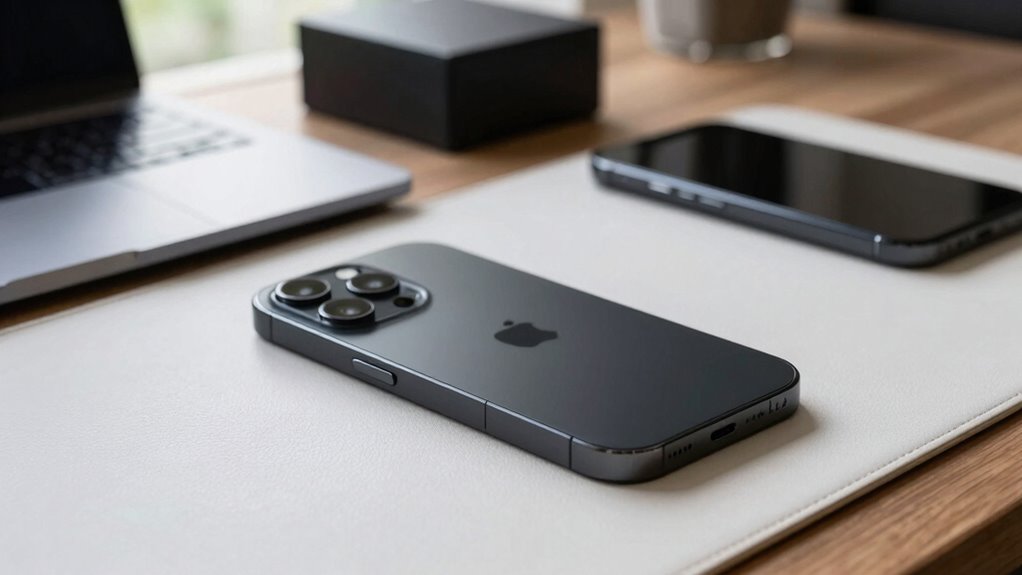
When it comes to premium tech brands, credibility isn’t just about sleek designs or cutting-edge features — it’s about trust. You want to feel confident that the brand behind the product stands behind its promises, delivers quality consistently, and values your experience. Trust is the foundation that elevates a brand from just another option to a credible leader in the industry. To achieve this, a premium tech company must prioritize customer trust at every touchpoint, ensuring that users feel valued, respected, and confident in their purchases. This involves not only delivering exceptional products but also maintaining transparency about manufacturing processes, data security, and customer service. When a brand openly shares its development journey or actively addresses user concerns, it reinforces that they’re committed to honesty and integrity — key elements of credibility. Additionally, implementing comprehensive requirements traceability practices helps ensure that every aspect of a product’s development aligns with quality and compliance standards, further bolstering trust. Recognizing the importance of color accuracy and other technical specifications in premium products demonstrates a brand’s commitment to delivering a truly high-quality experience. Consistent quality control and supply chain transparency also play vital roles in building consumer confidence, as they assure customers of responsible and reliable manufacturing processes. Moreover, a focus on innovative product features can distinguish a brand as a leader in the industry and foster greater trust among consumers. Recognizing the significance of consumer confidence in establishing credibility underscores how vital trust is for long-term success in the industry.
Trust and transparency are the pillars that define credibility in premium tech brands.
Innovative branding plays a crucial role in shaping how a premium tech brand is perceived. It’s not enough to simply have a high-quality product; the way the brand presents itself influences your perception of its credibility. When a company employs innovative branding, it demonstrates a forward-thinking mindset that resonates with your desire for the latest technology and trends. This could mean creating compelling narratives around their products, engaging storytelling, or visually striking designs that communicate sophistication and reliability. Consistent branding across all channels — websites, packaging, advertising, and customer interactions — signals professionalism and attention to detail, which enhances your trust in the brand’s credibility.
Furthermore, a credible premium tech brand invests in building a strong reputation for customer satisfaction. They listen to feedback, offer responsive support, and continuously improve their offerings based on user insights. When you see a brand actively engaging with its community and demonstrating a genuine commitment to your needs, it fosters a sense of loyalty and trust. These brands also stand out by maintaining high standards for quality control, ensuring that every product leaving their facilities meets expectations. This consistency reassures you that your investment is worthwhile and that the brand values your trust enough to uphold rigorous standards.
In essence, credibility for a premium tech brand isn’t built overnight. It’s cultivated through a combination of transparent practices, innovative branding, and unwavering focus on customer trust. When you encounter a brand that consistently delivers on its promises and presents itself as a leader in innovation, you naturally develop confidence in its credibility. That trust, once established, becomes the cornerstone of your loyalty and the reason you keep returning for their latest offerings.
As an affiliate, we earn on qualifying purchases.
Frequently Asked Questions
How Does Brand Heritage Influence Perceived Credibility?
Brand heritage boosts credibility by showcasing a company’s long-standing expertise and consistent quality. When you see brand storytelling that highlights heritage authenticity, it reassures you of the brand’s reliability and tradition. This history creates a sense of trust, making you feel confident about their products. You’re more likely to believe in a brand that has a rich legacy, perceiving it as credible and committed to excellence over time.
What Role Does Customer Service Play in Credibility?
Customer service acts like the backbone of your brand’s credibility, holding everything steady. When you provide consistent, high-quality support, you foster customer loyalty and trust. Service consistency reassures customers that they’ll get reliable help whenever needed, strengthening your brand’s reputation. Your prompt, genuine responses show you care, making customers more likely to believe in your products and recommend your brand, elevating it to premium status.
How Important Is Innovation in Establishing Trust?
Innovation is vital in establishing trust because it shows you’re staying ahead of emerging trends and embracing disruptive technologies. When you consistently introduce new features or improve existing ones, you demonstrate a commitment to progress, which reassures customers. This proactive approach signals that your brand isn’t stagnant but dedicated to providing cutting-edge solutions, enhancing credibility and fostering long-term loyalty among users seeking the latest tech advancements.
Does Sustainability Impact a Tech Brand’s Credibility?
Sustainability profoundly impacts a tech brand’s credibility. When you see eco-friendly materials and ethical sourcing, you trust the brand more. It shows they care about the environment and social responsibility, which resonates with your values. By prioritizing sustainable practices, the brand proves its commitment to quality and integrity. This transparency builds loyalty, making you more confident in their products and long-term vision.
How Do Visual Design Elements Affect Trustworthiness?
Your perception of trust is a bridge built with visual design. Color psychology acts as a guiding map, evoking emotions that foster confidence, while typography choices are like the sturdy pillars supporting your understanding. When these elements harmonize, they create a visual symphony that signals credibility, making you feel assured that the tech brand is reliable and innovative. fundamentally, good design whispers trust into your subconscious.
transparent data security laptop
As an affiliate, we earn on qualifying purchases.
As an affiliate, we earn on qualifying purchases.
Conclusion
You now understand how credibility hinges on consistent quality, transparency, and customer trust. Did you know that 84% of consumers say they’re more likely to buy from a brand they trust? By prioritizing these elements, you can elevate your tech brand’s reputation and foster loyalty. Remember, credibility isn’t built overnight—it’s a continuous effort. Keep delivering value and maintaining integrity, and your brand will naturally feel more premium and trustworthy to your audience.
As an affiliate, we earn on qualifying purchases.
As an affiliate, we earn on qualifying purchases.
Halloween Picks
halloween
As an affiliate, we earn on qualifying purchases.