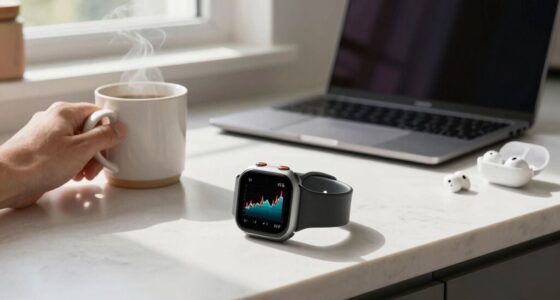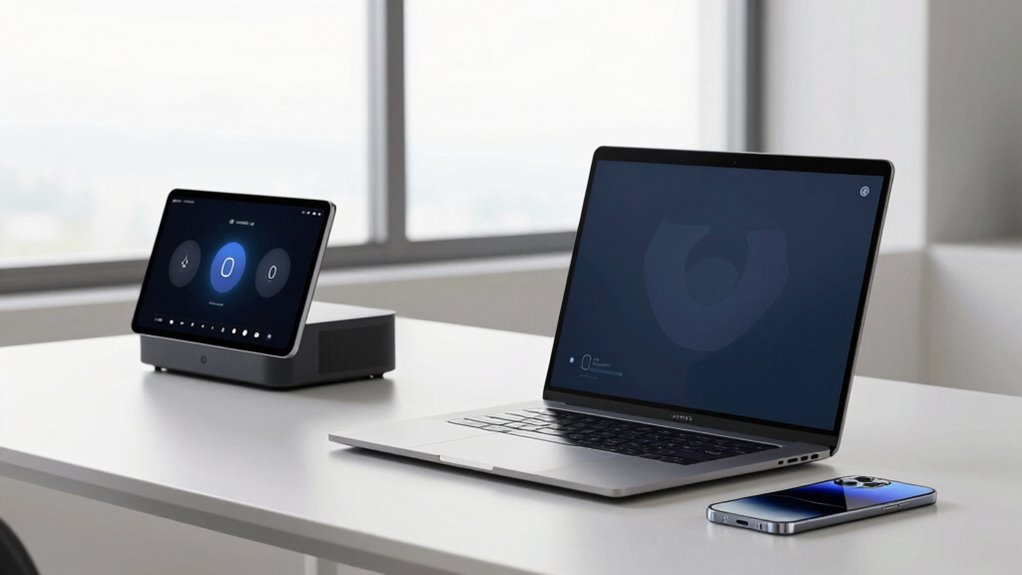

Today, fewer devices are designed to do more by connecting, learning, and adapting to your needs. This consolidation simplifies your life, reducing clutter and making tasks more efficient. Smart technology automatically adjusts settings to save energy and extends device lifespan through updates. As devices become more durable and integrated, they support sustainability and help you stay organized. If you want to discover how these advancements can truly benefit your daily routine, there’s more to explore below.

Get the latest gadgets delivered free — and shop member deals
- Fast, free delivery on millions of items
- Access to Prime Big Deal Days deals on October 6–7
- Prime Video, Amazon Music and more included
Key Takeaways
- Integrated devices combine multiple functions, reducing the need for multiple separate gadgets.
- Smart technology automates tasks, saving time and energy while enhancing user convenience.
- Software updates extend device lifespan, minimizing replacements and electronic waste.
- Consolidation decreases clutter and physical space requirements in daily life.
- Future trends focus on adaptable, efficient devices that do more with less, supporting sustainability.
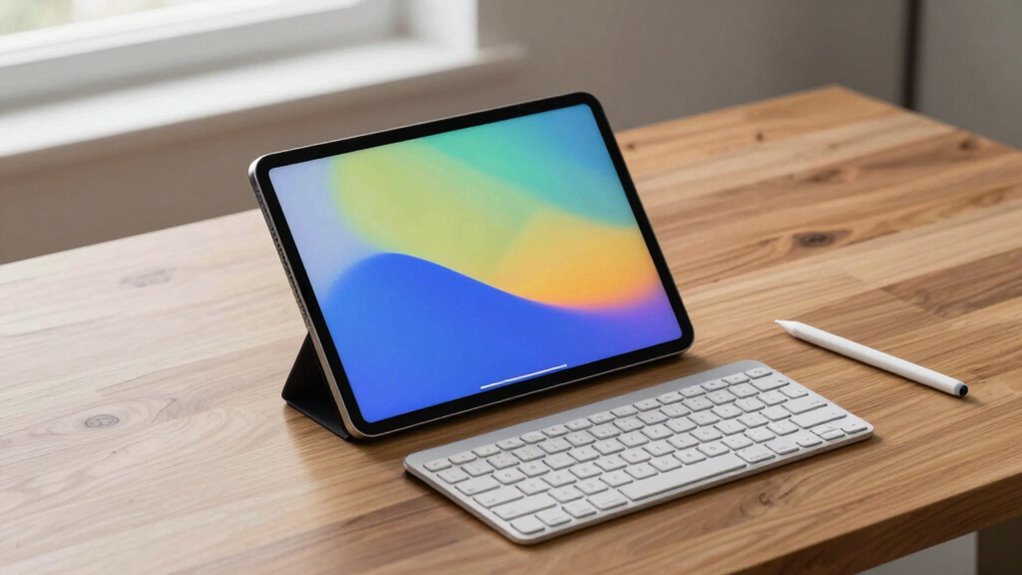
In today’s fast-paced digital world, fewer devices are required to handle more tasks than ever before. Thanks to advances in smart technology, your gadgets now do more than just perform single functions. They connect, learn, and adapt, streamlining your daily routines and reducing the need for multiple, separate devices. Instead of juggling a phone, a camera, and a GPS device, you’ve got all of these capabilities packed into a single, intelligent device. This consolidation not only simplifies your life but also boosts energy efficiency, helping you cut down on power consumption and reduce your carbon footprint.
Fewer devices, smarter technology—streamlining your life while reducing energy use and environmental impact.
Smart technology drives this shift by enabling devices to communicate seamlessly with each other and optimize their functions. For example, your smart home system can automatically adjust the thermostat, turn off unused lights, and even lock doors when you’re away. These interconnected devices eliminate unnecessary energy wastage, making your home more efficient and environmentally friendly. As a result, you don’t need multiple standalone gadgets for different tasks; instead, you rely on integrated systems that do everything smarter and more effectively. This integration minimizes redundancy, allowing fewer devices to handle what once required several, saving space and reducing clutter. Additionally, device integration enhances user experience by providing more intuitive and cohesive control over various functions.
You also benefit from energy efficiency through smarter power management. Modern devices are designed to consume less energy while maintaining high performance. Features like adaptive brightness on screens, power-saving modes, and automatic shutdowns help you conserve energy without sacrificing usability. This means you can enjoy the same level of convenience and functionality while spending less on electricity and reducing your impact on the environment. Over time, these energy-efficient devices contribute to lower utility bills, making them a smart investment. Additionally, advancements in smart technology enable these devices to be more durable, longer-lasting, and easier to update, which helps reduce electronic waste and supports sustainability. Furthermore, the integration of software updates allows devices to stay current without needing physical replacements, emphasizing their adaptability and longevity.
Moreover, the evolution of smart technology means your devices are more durable, longer-lasting, and easier to update. Instead of replacing multiple gadgets, you upgrade a single device’s software to access new features, which extends its lifespan. This ongoing improvement reduces electronic waste and helps you stay current with technological advancements without constantly buying new devices. A focus on device longevity ensures that your investments are more sustainable and environmentally friendly over time.
Ultimately, the trend toward fewer, smarter devices offers a practical, efficient, and environmentally conscious way to stay connected and productive. You no longer need to carry around a multitude of gadgets to perform various tasks. Instead, you harness the power of integrated, energy-efficient technology that adapts to your needs, simplifies your life, and supports sustainability. The future is about doing more with less, and smart technology is making that possible every day.
As an affiliate, we earn on qualifying purchases.
Frequently Asked Questions
How Do Multi-Functional Devices Impact User Privacy?
Multi-functional devices impact your privacy by collecting and storing more data, which raises concerns about data privacy. You might worry about how your information is used or shared. However, these devices can also enhance your control over personal data through settings and permissions. By staying informed and adjusting user controls, you can better protect your privacy while enjoying the convenience of multifunctional technology.
What Are the Environmental Effects of Fewer Devices?
Simplifying your tech setup gently reduces the environmental impact, conserving valuable resources. When fewer devices are needed, less energy is consumed, and manufacturing demands decrease, leading to lower waste and pollution. This approach promotes resource conservation by minimizing electronic waste and reducing raw material extraction. Ultimately, fewer devices doing more help protect our planet, making your choices more eco-friendly and encouraging sustainable habits without sacrificing functionality.
How Do Companies Decide Which Features to Combine?
You decide which features to combine through device integration and feature prioritization, focusing on what users need most. Companies analyze customer feedback, usage patterns, and technological feasibility to determine essential features. They streamline functions to enhance user experience while reducing complexity. This process involves balancing innovation with practicality, ensuring the combined features add value without overloading the device. Ultimately, thoughtful device integration and clear feature prioritization guide these decisions effectively.
Are There Security Risks With Integrated Devices?
Integrated devices do pose security risks, such as increased device vulnerabilities and potential data exposure. When multiple functions are combined, a single breach can compromise more data or systems. You should verify your devices have strong security measures like updated firmware, secure passwords, and encryption. Regularly monitoring for vulnerabilities and applying patches helps protect against hackers exploiting weaknesses in integrated systems. Staying vigilant minimizes risks associated with device integration.
How Do Fewer Devices Affect Repair and Maintenance?
Fewer devices simplify repair and maintenance, boosting user convenience and device durability. With fewer components to manage, you spend less time troubleshooting and replacing parts. This streamlined approach reduces potential failure points, making devices more reliable over time. You’ll find maintenance becomes quicker and less disruptive, allowing you to focus on your tasks without frequent interruptions. Overall, fewer devices mean easier upkeep and more dependable performance, enhancing your daily experience.
smart device consolidation gadgets
As an affiliate, we earn on qualifying purchases.
As an affiliate, we earn on qualifying purchases.
Conclusion
So, as devices become smarter and more capable, you might wonder if you’ll ever need as many gadgets cluttering your space. With fewer devices doing more, your life could become simpler, more efficient, and less stressful. Isn’t it time to embrace this shift and enjoy the convenience of technology that truly works for you? After all, why settle for multiple devices when one can do it all? The future’s here—are you ready to keep up?
energy-efficient smart home devices
As an affiliate, we earn on qualifying purchases.
As an affiliate, we earn on qualifying purchases.
As an affiliate, we earn on qualifying purchases.
Fall Picks
fall essentials
As an affiliate, we earn on qualifying purchases.