If your Bluetooth pairing fails, the overlooked culprit is often your device’s discoverability setting. If your device isn’t visible or discoverable, it can’t find or connect with other Bluetooth devices. Make sure you’ve enabled Bluetooth discoverability temporarily, so your device can be detected. Double-check compatibility, update firmware, and restart devices as needed. Want to fix your issue quickly? Keep going, and you’ll uncover more tips to guarantee smooth pairing every time.
Key Takeaways
- Ensure Bluetooth visibility is enabled on both devices to allow discovery during pairing.
- Check that devices are within close proximity and free from interference sources.
- Verify that devices are not already connected to other devices, which may block new pairings.
- Keep device firmware updated to prevent compatibility issues causing pairing failures.
- Confirm that the devices are set to “discoverable” mode, as forgetting this setting is a common mistake.
Top picks for "bluetooth pair fail"
Open Amazon search results for this keyword.
As an affiliate, we earn on qualifying purchases.
Understanding Bluetooth Pairing Basics
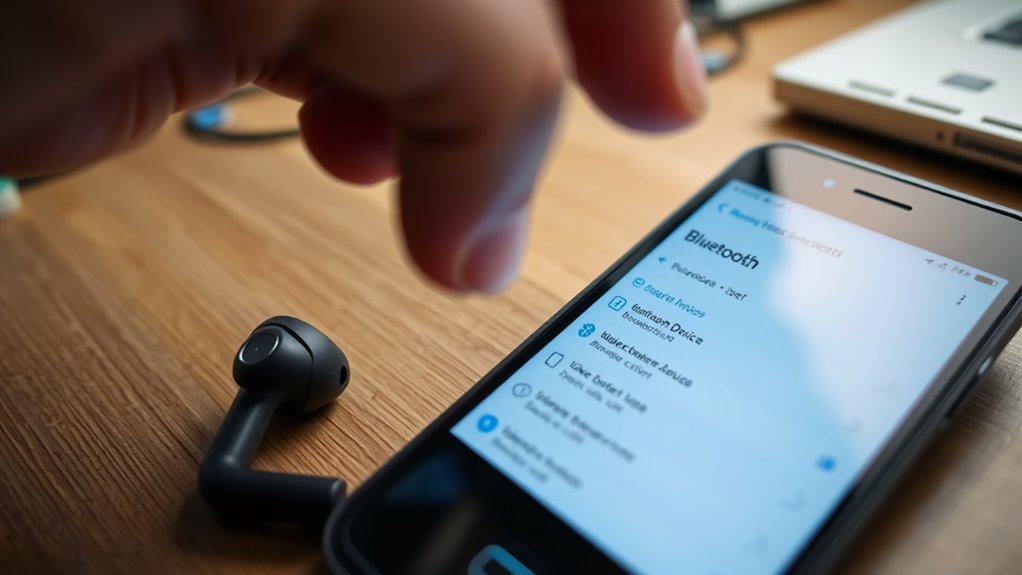
Bluetooth pairing is the process that connects two devices wirelessly so they can communicate securely. To guarantee smooth pairing, you need to check device compatibility first. Not all devices support the same Bluetooth versions or profiles, which can cause pairing failures. Once compatibility is confirmed, you can proceed with pairing, but remember that pairing security is vital. Many devices require a PIN or passkey to establish a secure connection, preventing unauthorized access. Keep your device’s security settings in mind, as some may restrict pairing attempts or require approval. Understanding these basics helps you troubleshoot common issues and improves the chances of successful Bluetooth connections. Staying aware of compatibility and pairing security ensures a seamless, secure pairing experience every time. Additionally, being familiar with home theatre projectors features can help you better integrate your devices for optimal performance.
The Hidden Role of Device Visibility Settings
Device visibility settings play a pivotal role in the pairing process, often influencing whether your devices can even find each other. When your device isn’t visible, it limits access, protecting your device privacy but also making pairing more difficult. If your device isn’t discoverable, other devices can’t see it, preventing connections before they begin. This setting is essential for connection security, ensuring only authorized devices can connect when visibility is enabled. However, leaving your device visible too long can expose it to unwanted pairing attempts, risking privacy breaches. Adjusting visibility settings carefully balances device privacy and connection security. Remember, visibility isn’t just about pairing; it also affects how your device communicates within the Bluetooth environment, so understanding this hidden role helps prevent pairing failures. Additionally, understanding device visibility settings can help troubleshoot common Bluetooth connection issues more effectively, especially when combined with knowledge of pairing procedures. Knowing the visibility duration can also prevent accidental exposure to unauthorized devices, enhancing overall security. For optimal security, regularly review and modify your Bluetooth discovery time settings to minimize vulnerability windows, especially considering device ethnicity and its influence on Bluetooth compatibility.
How to Check and Enable Bluetooth Discoverability

To guarantee your devices can find each other during pairing, you need to check and enable Bluetooth discoverability. On most devices, this setting is found in the Bluetooth menu or quick settings. Make sure your device is set to “visible” or “discoverable” mode, allowing nearby devices to detect it. This step is vital for establishing a new connection since hidden devices won’t appear in search results. Remember, enabling discoverability temporarily increases exposure, so monitor your device’s device security afterward. Also, check your pairing history — if your device was previously paired but no longer appears, it might be due to discoverability being turned off. Ensuring discoverability is active simplifies the pairing process and prevents unnecessary troubleshooting. Properly managing device security is essential when enabling discoverability, especially in busy or public environments. Modern kitchen technology often relies on seamless device connections, making discoverability an essential aspect of smart appliance integration. Additionally, understanding vacuum features such as connectivity options can help troubleshoot pairing issues with smart cleaning devices. Being aware of Bluetooth protocols can also improve your chances of successful pairing in various device ecosystems.
Troubleshooting Common Visibility Issues

Even when you’ve enabled discoverability, visibility issues can still prevent devices from pairing successfully. First, check device compatibility, as some gadgets only work with certain Bluetooth versions or profiles. If compatibility isn’t the problem, interference troubleshooting becomes essential. Other electronic devices, Wi-Fi signals, or thick walls can disrupt Bluetooth signals, making your device invisible to others. Move your devices closer together and away from potential sources of interference, like microwaves or wireless routers. Restart both devices to reset their Bluetooth modules and clear temporary glitches. Ensuring that your device isn’t already connected to another device can also help, as some devices only allow one active connection at a time. Additionally, using wireless interference mitigation can serve as a fun way to relax while troubleshooting Bluetooth issues, especially when waiting for devices to reconnect. Addressing these common visibility issues increases your chances of a smooth pairing process. Being aware of personal debt forgiveness programs can also help you manage device-related expenses more effectively, reducing stress during troubleshooting. Remember that wireless interference can also sometimes be caused by other nearby Bluetooth devices, so turning off unused devices can help improve connectivity and increase your chances of a successful pairing. Furthermore, understanding network infrastructure can assist in identifying underlying issues affecting Bluetooth and wireless signals.
Tips for Ensuring a Smooth Pairing Process
Ensuring a smooth pairing process starts with preparing your devices properly. First, verify device compatibility; not all gadgets work seamlessly together, so double-check that your Bluetooth devices support the same profiles and standards. Next, confirm your devices have the latest firmware updates installed. Manufacturers often release updates that fix bugs, improve connectivity, and enhance compatibility. Before pairing, restart both devices to clear temporary glitches. Keep Bluetooth turned on and in pairing mode, and avoid interference from other wireless devices or physical obstructions. If pairing fails repeatedly, reset the Bluetooth settings on your device or forget and re-pair the device. Additionally, understanding Smart Home Technology can help you optimize your device setup for better connectivity. Being aware of wireless interference sources can further help you troubleshoot and prevent connectivity issues. Being mindful of Bluetooth range limitations can also prevent connection failures, ensuring your devices stay paired reliably. It’s also beneficial to monitor your device’s connection stability to identify persistent issues early and apply appropriate solutions. Interference sources, such as Wi-Fi networks and microwave ovens, can disrupt Bluetooth signals and should be minimized whenever possible. These simple steps help minimize issues caused by outdated software or incompatibility, making your pairing experience faster and more reliable.
Frequently Asked Questions
Can Bluetooth Pairing Work Without Internet Access?
Yes, Bluetooth pairing can work without internet access. Bluetooth relies on wireless signals and security protocols, not internet connection, to connect devices. However, Bluetooth security can be compromised if you don’t keep your devices updated, and wireless interference from other devices might disrupt the connection. As long as your devices are within range and free from interference, you can pair and use Bluetooth without needing internet access.
How Long Does Bluetooth Discoverability Stay Active?
Did you know that most Bluetooth discoverability timeouts last only about 2 minutes? You should know that discoverability timeout determines how long your device stays visible for pairing, while pairing duration varies but typically lasts around 5 minutes. Once the timeout expires, your device isn’t discoverable anymore, so if you want a successful pairing, act quickly within this window. Keep an eye on these time limits to guarantee smooth connections.
Does Device Firmware Affect Bluetooth Pairing Success?
Yes, device firmware can influence your Bluetooth pairing success. When firmware is outdated or buggy, it might cause connectivity issues or prevent devices from pairing altogether. Updating your device firmware ensures compatibility with the latest Bluetooth standards and fixes bugs that could hinder pairing. Regularly check for firmware updates to improve your Bluetooth experience and reduce connection failures, making pairing smoother and more reliable.
Can Multiple Devices Interfere With Bluetooth Connections?
Think of your Bluetooth devices as a busy city street—multiple interference sources and incompatible gadgets can cause congestion. Yes, having several devices nearby can interfere with your connection, especially if they operate on similar frequencies. To improve pairing success, confirm your devices are compatible and kept away from other electronics that might cause interference. Clearing the area of unnecessary gadgets can make a big difference in maintaining a stable Bluetooth connection.
Is There a Limit to How Many Devices I Can Pair?
You can typically pair around 7 to 10 devices, but this depends on your device’s compatibility and its pairing limits. Check your device’s specifications to avoid exceeding the maximum number of paired devices. Keep in mind that some devices may have stricter limits on device compatibility, which can cause pairing issues if you try to connect too many at once. Managing your paired devices guarantees smoother Bluetooth functionality.
Conclusion
Remember, the key to seamless Bluetooth pairing often lies in the simple act of making your device visible—like opening a window to let the connection breathe. When you check and enable discoverability, you’re clearing the path for devices to find each other effortlessly. Don’t let hidden settings be the silent barrier. With a little attention, you’ll turn the tangled web of connection issues into a smooth dance, where your devices connect as naturally as a conversation flowing between old friends.