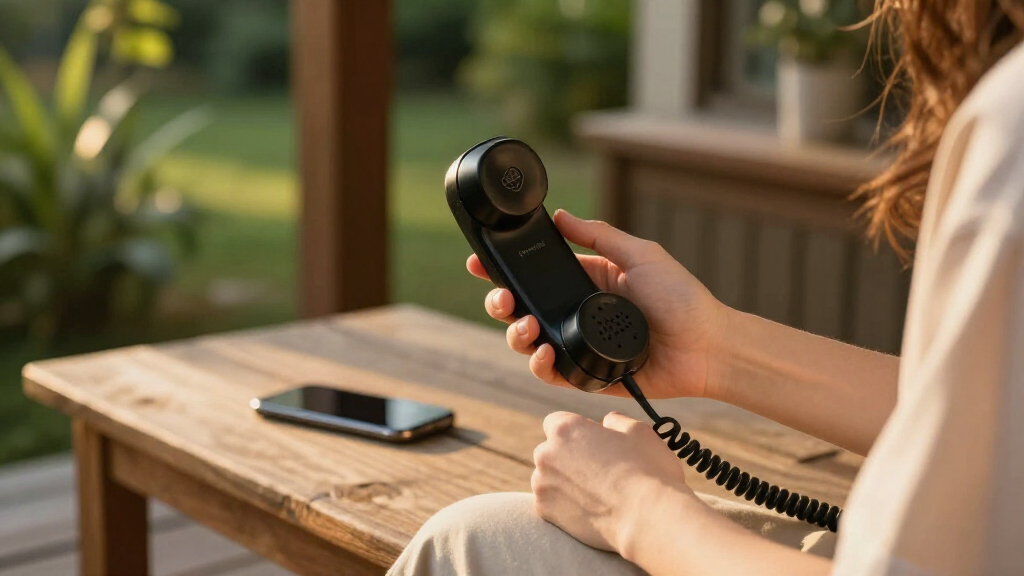

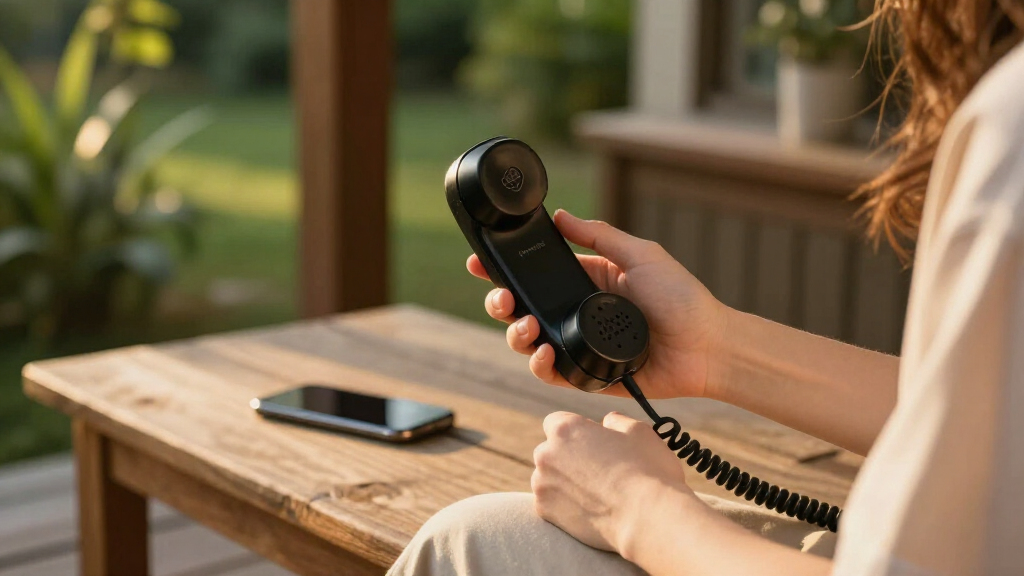
If you’re looking for the best rotary phone adapters in 2026, you’ve come to the right place. The top pick, the Enhanced Dialor2 0 Module, stands out for its reliable signal conversion and easy setup. The Vintage Phone Pulse to DTMF Converter offers a classic feel with modern compatibility, while the Pulse to Tone Converter Module for Old Rotary Phones delivers essential redial functions for vintage enthusiasts. Readers face a key tradeoff between affordability, ease of installation, and compatibility with different vintage models. Keep reading to explore detailed reviews and find the best fit for your needs.

Get the latest gadgets delivered free with Prime
- Fast, free delivery on millions of items
- Prime Video, Amazon Music and more included
- Member-only deals all year
Complete the kit



Key Takeaways
- Top picks balance signal reliability with ease of installation, making them suitable for both novices and experienced users.
- Converters with additional features like redial and star pound keys tend to cost more but offer greater functionality.
- Price varies significantly; the most affordable options may lack some modern features or ease of use.
- Compatibility with vintage phone models and voltage requirements is critical for proper operation.
- The best adapters often include clear installation instructions, reducing setup time and potential frustration.
| Pulse to Dual Tone Multi-Frequency (DTMF) Converter Module |  | Best Overall for Versatile Landline Compatibility | DC Voltage: 32V, 48V | Current: 20-40 mA | VIEW LATEST PRICE | See Our Full Breakdown | |
| Pulse to Tone Converter Module for Old Rotary Phones with Redial and Star Pound Functions |  | Best for Vintage Phone Enthusiasts Preserving Classic Design | Functionality: Pulse to tone conversion | Features: Redial, Star Pound | Material: ABS circuit board | VIEW LATEST PRICE | See Our Full Breakdown |
| Pulse to Tone Converter for Rotary Phones – Adapter for Vintage Telephones |  | Best for Simple Installation and Reliable Classic Compatibility | Function: Pulse to tone conversion | Compatibility: Vintage rotary phones | Installation: Two-wire connection | VIEW LATEST PRICE | See Our Full Breakdown |
| Vintage Phone Pulse to DTMF Converter Module with Redial and Easy Installation |  | Best for Simple, Reliable Conversion with Redial Features | Function: Pulse to DTMF conversion | Compatibility: Vintage rotary phones | Power Requirements: DC 32V or 48V, 20–40 mA | VIEW LATEST PRICE | See Our Full Breakdown |
| Dual Tone Pulse to Tone Converter Module for Vintage Rotary Phones |  | Best for Advanced Features and PBX Compatibility | Function: Converts pulse to tone | Compatibility: Vintage rotary phones, city lines, PBXs | Features: Redial, hook-flash, tone navigation | VIEW LATEST PRICE | See Our Full Breakdown |
| Dual Tone Multi-Frequency Converter Module for Rotary Phones – DIALOR2.0 |  | Best Overall for Vintage Preservation with Modern Compatibility | Compatibility: Old rotary phones | Functions: Pulse to DTMF conversion, redial, dial-out | Material: ABS PCB circuit board | VIEW LATEST PRICE | See Our Full Breakdown |
| Dual Tone Multi-Frequency Converter Module for Rotary Phones with Redial and Star Pound Keys |  | Best for Landline Compatibility with Traditional Key Functions | Function: Signal conversion for rotary phones | Features: Redial, Star (#), and Pound (*) keys | Material: ABS and PCB | VIEW LATEST PRICE | See Our Full Breakdown |
| Dual Tone Multi-Frequency Converter Module for Vintage Phones, 32-48V |  | Best for Vintage or Collector Use with Voltage Specificity | Voltage: 32-48V | Functionality: Pulse to tone conversion, redial, hook-flash | Compatibility: Old pulse phones, modern networks | VIEW LATEST PRICE | See Our Full Breakdown |
| Dual Tone Multi-Frequency Converter Module for Old Telephone with Redial Function |  | Best for Simple, Compact Vintage Conversion | Compatibility: Old rotary phones | Conversion Type: Pulse to DTMF | Redial Function: Yes | VIEW LATEST PRICE | See Our Full Breakdown |
| Pulse to Dual Tone Multi-Frequency Converter Module for DTMF Signal Conversion |  | Best for Ease of Use with Minimal Setup | Compatibility: Pulse to DTMF | Voltage: 32V-48V DC | Current: 20-40mA | VIEW LATEST PRICE | See Our Full Breakdown |
| Enhanced Dialor2 0 Module Converts Old Phone Signals to Modern Dual Tone |  | Best for Vintage Phone Enthusiasts Who Want Modern Functionality | Function: Pulse to dual-tone conversion | Compatibility: Vintage phones with pulse signals | Features: Redial, dial-out | VIEW LATEST PRICE | See Our Full Breakdown |
| rotary phone adapter | Compatibility | Installation |
|---|---|---|
| Pulse to Dual Tone Multi-Frequ | — | — |
| Pulse to Tone Converter Module | — | — |
| Pulse to Tone Converter for Ro | Vintage rotary phones | Two-wire connection |
| Vintage Phone Pulse to DTMF Co | Vintage rotary phones | Simple wiring |
| Dual Tone Pulse to Tone Conver | Vintage rotary phones, city lines, PBXs | Two-wire plug-in |
| Dual Tone Multi-Frequency Conv | Old rotary phones | — |
| Dual Tone Multi-Frequency Conv | Old rotary phones with modern landline systems | — |
| Dual Tone Multi-Frequency Conv | Old pulse phones, modern networks | Minimal wiring |
| Dual Tone Multi-Frequency Conv | Old rotary phones | Two-wire |
| Pulse to Dual Tone Multi-Frequ | Pulse to DTMF | Two wires |
| Enhanced Dialor2 0 Module Conv | Vintage phones with pulse signals | Requires basic technical setup |
More Details on Our Top Picks
Pulse to Dual Tone Multi-Frequency (DTMF) Converter Module
This converter stands out for its broad compatibility with most landline phones and its ability to enhance functionality by supporting redial and special features. Compared with the Pulse to Tone Converter Module for Rotary Phones, it offers a more straightforward wiring process and better integration with existing systems, making it suitable for those seeking a reliable upgrade without complex setup. However, it requires a separate power source and is limited to landline systems, which could be a drawback for users looking for a more integrated, all-in-one device. Its simple installation and compatibility make it a strong choice for those who want to retain their existing phones while adding modern capabilities, but it might fall short for users with non-standard or incompatible landline setups.
Pros:- Easy to install with simple wiring
- Enhances phone functionality with redial and special features
- Compatible with most old landline phones
Cons:- Requires connection to telephone line and separate power source
- Limited to landline phone systems
- No detailed compatibility info available for all models
Best for: Homeowners with traditional landline phones who want to add features like redial and improve compatibility with modern systems.
Not ideal for: Users with cordless or VoIP systems, as this is designed specifically for analog landlines and requires line connection.
- DC Voltage:32V, 48V
- Current:20-40 mA
Our verdict“This module is ideal for landline users seeking reliable feature upgrades without complex setup.”
Pulse to Tone Converter Module for Old Rotary Phones with Redial and Star Pound Functions
This module excels at transforming vintage rotary phones into functional modern devices by converting pulse signals into tones, with added redial and star/pound key features. Unlike the Pulse to DTMF Converter Module for Rotary Phones, it emphasizes preserving the classic rotary experience while enabling compatibility with current lines. Its ease of installation makes it appealing for hobbyists and collectors, but users should double-check their phone model compatibility beforehand, as it may not support all vintage phones. This pick makes sense for those who value authenticity but want modern usability, though its reliance on model-specific compatibility limits its universal application.
Pros:- Modernizes vintage rotary phones for current use
- Includes redial and star/hashtag functions
- Easy to install and operate
Cons:- Compatibility depends on phone model
- Requires checking before installation
- Limited to landline tone conversion
Best for: Collectors or vintage phone lovers wanting to keep their classic rotary phones functional on modern lines.
Not ideal for: People with newer digital or VoIP phone systems, since it only converts pulse to tone for analog lines.
- Functionality:Pulse to tone conversion
- Features:Redial, Star Pound
- Material:ABS circuit board
Our verdict“Best suited for vintage phone collectors needing a straightforward way to keep their phones operational today.”
Pulse to Tone Converter for Rotary Phones – Adapter for Vintage Telephones
This converter emphasizes straightforward, two-wire installation, making it accessible for users comfortable with basic wiring. Compared with the Pulse to DTMF Converter Module for Old Telephone, it offers a more durable build with ABS and PCB materials, ensuring longevity. It effectively restores dialing functions and adds redial, star, and hash features, but may not support all vintage models due to pulse-to-tone limitations. Its simplicity is an advantage for DIY enthusiasts, yet some technical knowledge is required for optimal setup. This device makes the most sense for those who want a simple, durable solution to keep their vintage rotary phones working on modern lines.
Pros:- Enables vintage rotary phones on modern lines
- Simple two-wire installation
- Built with durable ABS and PCB materials
Cons:- Limited support for all vintage models
- Requires some technical knowledge for installation
Best for: DIY enthusiasts and vintage phone owners seeking a straightforward, reliable pulse-to-tone adapter.
Not ideal for: Users with complex or non-standard vintage phones that require more advanced features or extensive compatibility.
- Function:Pulse to tone conversion
- Compatibility:Vintage rotary phones
- Installation:Two-wire connection
- Material:ABS and PCB
Our verdict“Ideal for users wanting a durable, easy-to-install solution for vintage rotary phones on modern lines.”
Vintage Phone Pulse to DTMF Converter Module with Redial and Easy Installation
This model emphasizes ease of installation and reliable pulse-to-DTMF conversion, making it a practical choice for collectors or everyday users. Unlike the Pulse to Tone Converter Module for Rotary Phones, it highlights simple wiring to existing telephone wires, reducing complexity. Its inclusion of redial and extended key functions adds value for those who want more from their vintage phones, but it still shares the limitation of supporting only pulse-to-tone conversion, which may not be compatible with all vintage models. Its straightforward approach makes it a good fit for users who prioritize ease and reliability over advanced features.
Pros:- Enables vintage phones to work with modern systems
- Includes redial and extended key features
- Easy wiring to existing telephone lines
Cons:- Limited to pulse to tone conversion
- Basic wiring knowledge required for installation
Best for: Collectors or everyday users seeking an uncomplicated, dependable way to modernize vintage rotary phones.
Not ideal for: Technically demanding users or those with non-standard vintage phones that need broader compatibility.
- Function:Pulse to DTMF conversion
- Compatibility:Vintage rotary phones
- Power Requirements:DC 32V or 48V, 20–40 mA
- Housing Material:ABS
- Installation:Simple wiring
Our verdict“Best suited for those who want a simple, reliable upgrade for vintage rotary phones with minimal fuss.”
Dual Tone Pulse to Tone Converter Module for Vintage Rotary Phones
This converter offers a comprehensive set of features, including redial, hook-flash, and tone menu navigation, making it ideal for more complex setups like PBX or multi-line systems. Compared with other options, it provides a plug-in, two-wire installation that suits users needing quick setup on standard city lines. Its support for both pulse and dual-tone signals broadens its usability, but it is limited to compatible lines and requires a physical connection to the existing telephone line. This makes it an excellent choice for those managing multiple lines or requiring advanced features, though it might be overkill for simple residential use.
Pros:- Enables vintage phones on modern networks
- Supports redial, hook-flash, and tone menu navigation
- Plug-in two-wire installation
Cons:- Limited to compatible line types
- Requires physical connection to the line
Best for: Users with multi-line setups or PBX systems who need advanced features and reliable conversion.
Not ideal for: Casual users or those with basic vintage phones on single-line, analog lines, as they may not need such complexity.
- Function:Converts pulse to tone
- Compatibility:Vintage rotary phones, city lines, PBXs
- Features:Redial, hook-flash, tone navigation
- Installation:Two-wire plug-in
Our verdict“Best suited for multi-line systems or users requiring advanced functionality and quick setup.”
Dual Tone Multi-Frequency Converter Module for Rotary Phones – DIALOR2.0
This module stands out as the most versatile option for those who want to keep their rotary phones functional on today’s networks. Unlike the simpler modules, the DIALOR2.0 not only converts pulse signals to dual-tone multi-frequency but also adds redial and dial-out functions, making it especially appealing to collectors and enthusiasts. Compared to the B0GHR6N3RY, which focuses mainly on basic pulse-to-tone conversion, the DIALOR2.0 offers a broader feature set at a comparable price, though it depends heavily on ensuring your specific phone model is compatible. Its ease of installation makes it accessible for hobbyists, but some users may need to double-check fit and wiring details before setup. Overall, this choice makes the most sense for those who want a reliable, feature-rich upgrade for classic phones without sacrificing authenticity.
Pros:- Enables vintage rotary phones to work with modern landlines
- Includes redial and dial-out functions for convenience
- Relatively easy to install for enthusiasts and collectors
Cons:- Compatibility depends on specific phone models, requiring verification
- Installation may require careful fitting and wiring checks
Best for: Vintage phone collectors seeking a comprehensive, easy-to-install solution with extra features
Not ideal for: People wanting a simple, plug-and-play adapter without additional functions or those with incompatible phone models
- Compatibility:Old rotary phones
- Functions:Pulse to DTMF conversion, redial, dial-out
- Material:ABS PCB circuit board
- Enhanced Features:Redial and *# functions
Our verdict“Ideal for collectors who want a feature-rich, reliable upgrade for their vintage rotary phones.”
Dual Tone Multi-Frequency Converter Module for Rotary Phones with Redial and Star Pound Keys
This product is tailored for users who want their vintage rotary phones to work seamlessly with modern landline systems. It excels in restoring full functionality, including redial and the *# keys, which are often lost in simpler adapters. Compared with the B0GHR6N3RY, which primarily handles pulse-to-tone conversion, this module emphasizes the inclusion of special keys, making it ideal for those who need more than just basic dialing. Its durable build and straightforward installation appeal to hobbyists, although users should note that it’s limited to systems supporting dual-tone multi-frequency signals. This model is perfect for collectors or vintage phone owners who also want the ability to use traditional key functions on modern lines.
Pros:- Restores full functionality, including redial and *# keys
- Easy to install with quick setup
- Built with durable materials for long-term use
Cons:- Limited to landline systems supporting DTMF
- Requires basic wiring knowledge for proper installation
Best for: Collectors and enthusiasts wanting full feature restoration for vintage rotary phones on landlines
Not ideal for: Users with VoIP systems or non-DTMF landlines, where compatibility may be limited
- Function:Signal conversion for rotary phones
- Features:Redial, Star (#), and Pound (*) keys
- Material:ABS and PCB
- Compatibility:Old rotary phones with modern landline systems
Our verdict“A great choice for vintage phone owners needing complete key functionality on modern landlines.”
Dual Tone Multi-Frequency Converter Module for Vintage Phones, 32-48V
This converter targets vintage phone enthusiasts who operate within a 32-48V range, translating pulse signals into DTMF for compatibility. Compared to the B0H947SRPF, which offers broader compatibility and additional features, this model is more focused on supporting a specific voltage range, making it ideal for museum displays or retro-styled homes. Its support for redial, hook-flash, and interaction with automated systems aligns with the needs of dedicated collectors, though it’s less flexible for general use outside this voltage window. Installation involves minimal wiring, but users should be comfortable working within the specified voltage limits. Overall, this is a solid choice for vintage setups requiring precise voltage compatibility.
Pros:- Restores pulse phone functionality with modern features
- Supports redial and hook-flash functions
- Simple wiring with minimal setup
Cons:- Limited to specific voltage range (32-48V)
- Not suitable for general or universal use
Best for: Collectors or museums focused on vintage rotary phones within 32-48V systems
Not ideal for: Users with modern VoIP lines or outside the voltage range, seeking universal compatibility
- Voltage:32-48V
- Functionality:Pulse to tone conversion, redial, hook-flash
- Compatibility:Old pulse phones, modern networks
- Installation:Minimal wiring
Our verdict“A specialized adapter best suited for vintage setups operating within 32-48V voltage limits.”
Dual Tone Multi-Frequency Converter Module for Old Telephone with Redial Function
This module emphasizes straightforward, two-wire installation while providing essential features like redial and special key functions. It’s a practical solution for those who prefer minimal hardware—more so than the B0H947SRPF, which offers a wider feature set but with potentially more complex setup. Its white casing and compact design make it suitable for discreet installations, but the lack of detailed technical specifications might concern more advanced users. It’s best for users who want a reliable, no-fuss converter that gets the job done without extra bells and whistles, especially in small or simple setups.
Pros:- Easy two-wire installation
- Includes redial and special key functions
- Compact, discreet design
Cons:- Limited specifications and technical details
- Basic design may not appeal to those seeking advanced features
Best for: Home users looking for a basic, space-efficient adapter for vintage phones
Not ideal for: Technically inclined users needing detailed features or advanced configuration options
- Compatibility:Old rotary phones
- Conversion Type:Pulse to DTMF
- Redial Function:Yes
- Installation:Two-wire
- Design:ABS plastic, white casing
Our verdict“Perfect for users who want a simple, reliable converter with minimal setup and footprint.”
Pulse to Dual Tone Multi-Frequency Converter Module for DTMF Signal Conversion
This converter is tailored for straightforward pulse-to-DTMF conversion, supporting essential features like redial and *# dialing. Compared with the B0H947SRPF, which offers broader compatibility and enhanced features, this model focuses on ease of installation—just connect two wires and you’re set. Its operation at 32V-48V DC makes it suitable for a range of vintage phones, but users should be aware of its voltage limitations. The ABS housing and simple setup make it ideal for those who want a quick, reliable fix without fuss, though it lacks advanced features or detailed technical specs that more dedicated collectors might desire.
Pros:- Enables vintage phones to operate on modern systems
- Supports redial and *# functions
- Easy two-wire installation
Cons:- Limited to 32V-48V line voltages
- Basic features without advanced options
Best for: Home users or hobbyists seeking a hassle-free, quick-install converter for vintage pulse phones
Not ideal for: Advanced users or those needing broader voltage support or extra features beyond basic conversion
- Compatibility:Pulse to DTMF
- Voltage:32V-48V DC
- Current:20-40mA
- Housing Material:ABS
- Installation:Two wires
Our verdict“A simple, effective solution for quick conversion of pulse phones within specified voltage limits.”
Enhanced Dialor2 0 Module Converts Old Phone Signals to Modern Dual Tone
The Enhanced Dialor2.0 Module stands out for its ability to convert pulse signals from vintage phones into dual-tone multi-frequency signals, making classic phones compatible with current systems. Unlike simpler adapters, this module preserves the nostalgic feel while adding features like redial and dial-out, which modern users expect. Compared with the Pulse to Tone Converter Module for Rotary Phones, the Dialor2.0 offers a more reliable conversion process, especially for collectors who value authenticity combined with usability. However, compatibility can depend heavily on the specific vintage model, requiring careful verification before purchase. This makes it less suitable for users with a wide variety of old phones or those unfamiliar with technical details.
Pros:- Enables vintage phones to operate on modern systems
- Supports useful features like redial and dial-out
- Preserves the nostalgic feel of classic phones
Cons:- Compatibility depends on specific phone models, requiring verification
- Installation may require technical knowledge or additional accessories
Best for: Vintage phone collectors or enthusiasts who want authentic operation with modern features without replacing their entire setup
Not ideal for: Casual users or those with newer rotary phones, as compatibility may be limited and some models may not work without additional adjustments
- Function:Pulse to dual-tone conversion
- Compatibility:Vintage phones with pulse signals
- Features:Redial, dial-out
- Power Requirements:Requires verification
- Installation:Requires basic technical setup
- Size:Compact module fitting most setups
- Material:Electronic components
- Warranty:Varies by seller
Our verdict“This module is ideal for dedicated vintage phone fans who prioritize authenticity and modern features, provided they verify compatibility first.”
How We Picked
To determine the best rotary phone adapters, I evaluated each product based on performance, build quality, ease of installation, and value for money. Compatibility with common vintage phones and signal clarity were key factors, as these directly impact usability. I also considered user feedback and the presence of additional features like redial functions or star pound keys. Products were ranked according to how well they balanced reliability, affordability, and ease of use, making them suitable for different types of vintage phone users.Factors to Consider When Choosing Best Rotary Phone Adapters
Choosing the best rotary phone adapter involves understanding several key factors that influence performance and usability. It’s essential to match the adapter’s voltage and signal compatibility with your vintage phone to prevent damage and ensure clear communication. Ease of installation can vary, especially for those who aren’t technically inclined—some models include detailed instructions or plug-and-play features. Price differences often reflect added functionalities like redial or star pound keys, which can be valuable depending on your needs. Considering these aspects helps avoid common pitfalls, such as buying an incompatible or overly complicated unit.Compatibility with Vintage Phones
Not all adapters work with every vintage rotary phone, especially considering voltage and signal type differences. Check your phone’s specifications and ensure the adapter supports your model’s voltage range and pulse or tone signaling. Compatibility issues can lead to poor call quality or damage to your device, so this should be a priority in your decision. Some adapters specify compatibility with certain brands or periods, making it worthwhile to confirm before purchasing.
Ease of Installation and Use
Some adapters are designed for simple plug-and-play operation, ideal for those without technical skills. Others may require wiring or configuration, which can be daunting for beginners. Look for models with clear instructions, labeled connections, and minimal setup steps. Ease of use also includes how intuitively the adapter handles redial functions or star pound keys, which can enhance your vintage phone experience without adding complexity.
Signal Quality and Reliability
The primary function of these adapters is to convert signals accurately from pulse to tone or DTMF. Poor signal conversion results in dropped calls, static, or no connection at all. Pay attention to reviews mentioning stability and clarity, especially for long-distance or frequent use. Higher-quality units often feature advanced circuitry that reduces noise and ensures consistent performance, which is worth the investment if reliable communication is essential.
Additional Features and Functionality
Extras like redial, star, and pound keys can significantly enhance usability, particularly if you plan to use your vintage phone regularly. These features tend to come at a higher price but add convenience, especially for dialing out and redialing numbers. Evaluate whether these features match your intended use, as unnecessary extras can increase costs without providing tangible benefits for some users.
Price and Value
While affordability is tempting, paying too little may mean sacrificing reliability or compatibility. Conversely, premium models often include robust features and better build quality, justifying higher costs for serious enthusiasts or professional use. Balance your budget with your needs—consider whether investing in a slightly more expensive unit offers long-term savings through durability and fewer setup hassles.
Frequently Asked Questions
Will a rotary phone adapter work with all vintage phones?
Most adapters are designed to support a range of vintage phones, but compatibility depends on voltage and signaling type. Check your phone’s specifications before purchasing and look for adapters that specify support for your model or era. Some models focus on classic rotary phones from a particular manufacturer or time period, so verifying compatibility can save you time and avoid potential damage.
Do I need technical skills to install a rotary phone adapter?
Many modern adapters are designed for straightforward installation, often just plugging into your phone and line socket. However, some models may require wiring or more detailed setup, which could be challenging for non-technical users. Reading reviews and choosing a product with clear instructions can make the process smoother and reduce frustration.
Are there adapters that support redial and other advanced functions?
Yes, several high-end adapters include features like redial, star, and pound keys, which replicate modern dialing functions. These features are especially useful if you plan to use your vintage phone frequently and want to avoid manual re-dialing. Be aware that these models tend to be more expensive and may require more careful installation.
Will using an adapter damage my vintage phone?
When choosing a compatible adapter that matches your phone’s voltage and signaling requirements, the risk of damage is minimal. Poorly matched or low-quality adapters can cause issues, so it’s important to verify specifications and read user reviews. Proper installation and adherence to manufacturer instructions further reduce any potential for harm.
How long do rotary phone adapters typically last?
With proper use and care, most adapters are designed to last several years. Factors influencing longevity include build quality, environmental conditions, and frequency of use. Investing in a reputable, well-reviewed model often results in better durability, whereas cheaper options may need replacement sooner due to wear or malfunction.
Conclusion
The best overall choice for most users is the Enhanced Dialor2 0 Module, offering dependable performance and ease of installation. For those prioritizing affordability, a simple converter without extra features may suffice, though it might sacrifice some reliability. Vintage enthusiasts who want authentic experience and advanced dialing should consider models with redial and star pound keys, despite the higher price. Beginners or casual users benefit from plug-and-play options, while collectors needing long-term durability should opt for higher-quality, well-reviewed adapters. Matching your specific vintage phone model and usage needs is key to making the right choice.
Halloween Picks
halloween
As an affiliate, we earn on qualifying purchases.