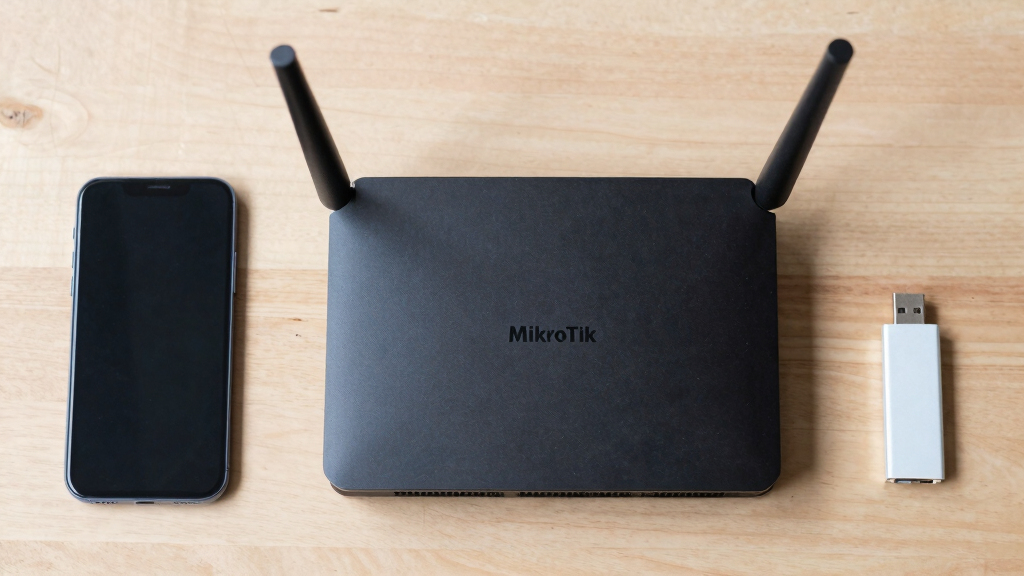

Finding the best MikroTik router depends on your specific networking needs, budget, and technical expertise. The MikroTik RB4011iGS+5HacQ2HnD-IN stands out as the overall top choice for its powerful performance and versatility. For those prioritizing Wi-Fi 6, the MikroTik hAP ax S offers cutting-edge wireless technology, while the Mikrotik CCR2004 is ideal for demanding enterprise environments. Each option balances features against price, complexity, and intended use. Continue reading for a full breakdown of these top contenders and how to choose the right one for you.

Get the latest gadgets delivered free with Prime
- Fast, free delivery on millions of items
- Prime Video, Amazon Music and more included
- Member-only deals all year
Complete the kit



Key Takeaways
- The top picks balance raw performance with ease of use, making them suitable for both pros and enthusiasts.
- Price ranges vary significantly; higher-priced models often include more ports, advanced features, and future-proofing.
- Wi-Fi 6 support is a major factor for wireless-heavy setups, but not all MikroTik routers include this technology.
- Management complexity differs: some models are designed for advanced users, while others cater to beginners.
- Tradeoffs often involve size, port count, and feature set—more advanced routers tend to be larger and more complex.
| MikroTik RB4011iGS+5HacQ2HnD-IN Router |  | Best Overall Performance for Power Users | Model: RB4011iGS+5HacQ2HnD-IN | CPU: Quad-core Cortex A15 | RAM: 1 GB | VIEW LATEST PRICE | See Our Full Breakdown |
| MikroTik hAP ax S Wi-Fi 6 Wireless Router |  | Best for Future-Proof Home Connectivity | Model: W129280721 | Wi-Fi Standard: Wi-Fi 6 (802.11ax) | VIEW LATEST PRICE | See Our Full Breakdown | |
| MikroTik hAP ac2 RBD52G-5HacD2HnD-TC |  | Best Dual-Band Wi-Fi for Versatile Coverage | Wi-Fi Frequencies: 2.4 GHz and 5 GHz | Ethernet Ports: 5 Gigabit | USB: Yes | VIEW LATEST PRICE | See Our Full Breakdown |
| MikroTik hAP ac3 US Version |  | Best for Small Office and Home Networks | VIEW LATEST PRICE | See Our Full Breakdown | |||
| Mikrotik CCR2004-16G-2S+ Router |  | Best for High-Density, Demanding Environments | Ports: 16 Gigabit Ethernet, 2 10G SFP+ | CPU: ARM 64-bit, 4 cores, 1700 MHz | RAM: 4 GB | VIEW LATEST PRICE | See Our Full Breakdown |
| MikroTik L009UiGS-RM |  | Best for Small to Medium Networks | Number of Ports: Multiple | Designed For: Small to medium networks | Performance Focus: Reliable connectivity | VIEW LATEST PRICE | See Our Full Breakdown |
| Mikrotik RouterBOARD 5009UG+S+ |  | Best for High-Performance Demanding Networks | CPU: Marvell Armada ARMv8, 4 cores, 1.4GHz | RAM: 1GB DDR4 | Ethernet Ports: Multiple | VIEW LATEST PRICE | See Our Full Breakdown |
| Mikrotik hEX 5 Port Gigabit Router (E50UG) |  | Best for Home or Small Office Users | Ports: 5 Gigabit Ethernet | Processor: ARM CPU | Designed For: Home or small office | VIEW LATEST PRICE | See Our Full Breakdown |
| Mikrotik Routerboard hEX PoE RB960PGS 5 Port Gigabit Ethernet Router |  | Best for Power over Ethernet Applications | Number of Ports: 5 Gigabit Ethernet | PoE Output: Yes, 802.3at | CPU: 800MHz | VIEW LATEST PRICE | See Our Full Breakdown |
| MikroTik hEX S (2025) E60iUGS Wired Router |  | Best for Versatile High-Speed Wired Networking | Ethernet Ports: 5 | SFP Port: 2.5G | PoE Out: Yes | VIEW LATEST PRICE | See Our Full Breakdown |
| MikroTik hAP ax2 US Version (C52iG-5HaxD2HaxD-TC-US) |  | Best for Home WiFi Upgrades | Model: C52iG-5HaxD2HaxD-TC-US | Processor: IPQ-6010, 864 MHz | RAM: 1GB | VIEW LATEST PRICE | See Our Full Breakdown |
| Mikrotik hEX RB750Gr3 5-port Ethernet Gigabit Router |  | Best for Wired Small Office Networks | Number of Ports: 5 Gigabit Ethernet | CPU: Dual-core 880MHz | RAM: 256MB | VIEW LATEST PRICE | See Our Full Breakdown |
| MikroTik IPQ-6010 Dual-Band Wireless Router (W127080453) |  | Best for High-Performance Whole-Home Coverage | Model: IPQ-6010 | Frequency Band: Dual-Band (2.4 GHz and 5 GHz) | Wi-Fi Standard: 802.11ax (Wi-Fi 6) | VIEW LATEST PRICE | See Our Full Breakdown |
More Details on Our Top Picks
MikroTik RB4011iGS+5HacQ2HnD-IN Router
The MikroTik RB4011iGS+5HacQ2HnD-IN stands out for delivering a high level of throughput and connectivity options. Its quad-core Cortex A15 CPU, combined with 10 Gigabit ports and a 10Gbps SFP+ interface, makes it ideal for demanding networks that need both wired and wireless performance. Compared with the MikroTik hAP ac2, it offers significantly more ports and higher data rates, but its complexity and higher price point mean it’s best suited for users with advanced networking knowledge. The robust metal enclosure adds durability, and PoE output on port 10 simplifies deployment. However, its 1GB RAM can limit performance with very large networks, and setup may be intimidating for beginners. This router is best for network administrators or tech-savvy users who need maximum throughput and flexibility.
Pros:- Supports high-speed 10Gbps SFP+ and multiple Gigabit ports
- Powerful quad-core CPU for demanding tasks
- Durable metal enclosure for professional environments
- PoE output on port 10 for simplified power management
Cons:- Limited 1GB RAM may bottleneck larger networks
- Complex setup requiring technical expertise
Best for: Small to medium-sized businesses or advanced home users needing high-speed wired and wireless connectivity.
Not ideal for: Casual home users or those with simple network needs, as its setup complexity may be overwhelming.
- Model:RB4011iGS+5HacQ2HnD-IN
- CPU:Quad-core Cortex A15
- RAM:1 GB
- Number of Gigabit Ports:10
- SFP+ Interface:Yes, 10Gbps
- Wireless Standard:Wi-Fi 5 (802.11ac)
- Wireless Data Rate:Up to 1733 Mbps in 5GHz
- PoE Output:Yes, on port 10
- Antenna Count:6
Our verdict“This is the best choice for experienced users who need a high-performance, versatile router capable of handling complex network demands.”
MikroTik hAP ax S Wi-Fi 6 Wireless Router
The MikroTik hAP ax S introduces Wi-Fi 6 (802.11ax), making it a compelling choice for users seeking faster, more reliable wireless connections in home or small office environments. Its support for Wi-Fi 6 means better capacity, lower latency, and improved performance in crowded networks, surpassing older Wi-Fi standards like those in the MikroTik hAP ac2. While detailed specifications are limited, its modern wireless technology makes it ideal for users who want to future-proof their network. The absence of detailed hardware info and the lack of reviews might raise questions about performance and value. This pick makes the most sense for tech-savvy homeowners or small offices prioritizing cutting-edge wireless tech.
Pros:- Supports Wi-Fi 6, enabling faster speeds and higher capacity
- Modern wireless standard improves reliability in dense environments
- Compact design suitable for home deployment
Cons:- Limited detailed specifications available
- No pricing or user ratings for context
Best for: Homeowners or small office users planning to upgrade to Wi-Fi 6 for faster internet and better device support.
Not ideal for: Users seeking detailed hardware specs or needing enterprise-level management features, as info is sparse.
- Model:W129280721
- Wi-Fi Standard:Wi-Fi 6 (802.11ax)
Our verdict“Best suited for users eager to adopt Wi-Fi 6 technology for enhanced home or small office wireless performance.”
MikroTik hAP ac2 RBD52G-5HacD2HnD-TC
The MikroTik hAP ac2 provides reliable dual-band Wi-Fi, supporting both 2.4 GHz and 5 GHz simultaneously, making it a flexible choice for small networks. Its five Gigabit Ethernet ports allow for wired device connections, and its USB port adds versatility for external storage or LTE modems. Compared to simpler single-band access points, this model offers better coverage and capacity, but its limited RAM (128MB) can restrict advanced networking features or high traffic loads. Its passive PoE power supply means additional setup steps, which could be a hurdle for less experienced users. This router suits small households or offices needing reliable dual-band Wi-Fi with wired options.
Pros:- Supports dual-band Wi-Fi for broader coverage
- Multiple Gigabit Ethernet ports for wired connectivity
- USB port for external storage or LTE modem
Cons:- Requires PoE power supply, adding setup complexity
- Limited RAM may hinder heavy networking tasks
Best for: Small offices or homes requiring dual-band Wi-Fi with multiple wired connections and USB support.
Not ideal for: Large networks or power users needing extensive RAM or advanced features, due to hardware limitations.
- Wi-Fi Frequencies:2.4 GHz and 5 GHz
- Ethernet Ports:5 Gigabit
- USB:Yes
- CPU:4-core
- RAM:128MB
- PoE:Passive PoE
Our verdict“A solid choice for small networks that need dependable dual-band Wi-Fi combined with wired and USB options.”
MikroTik hAP ac3 US Version
The MikroTik hAP ac3 offers reliable dual-band Wi-Fi and multiple Ethernet ports in a straightforward package, making it suitable for small office or home environments. Its dual-band support provides flexibility in device placement and network management, while the multiple Ethernet ports ensure wired connectivity for various devices. Its simplicity and proven performance make it an attractive option for users who want dependable Wi-Fi without complex features. However, the lack of detailed specifications and absence of user feedback mean potential buyers should verify compatibility with their needs. This model makes the most sense for users who prioritize stability and ease of use over advanced features.
Pros:- Dual-band Wi-Fi for flexible device placement
- Multiple Ethernet ports for wired devices
- Reliable performance for small networks
Cons:- Limited detailed specifications available
- No user ratings or price info provided
Best for: Home users or small offices seeking dependable Wi-Fi with straightforward setup.
Not ideal for: Network professionals requiring advanced features or detailed management options, as info is limited.
Our verdict“Ideal for small-scale deployments where reliable Wi-Fi and simplicity are a priority.”
Mikrotik CCR2004-16G-2S+ Router
The Mikrotik CCR2004-16G-2S+ is designed for professional environments that demand high port density and processing power. Its 16 Gigabit Ethernet ports and dual 10G SFP+ cages facilitate extensive wired networks, while the 4-core ARM 64-bit CPU running at 1700 MHz ensures robust performance for demanding tasks. Compared with smaller routers like the MikroTik hAP ac2, this model offers far greater scalability and throughput, but its setup complexity and lack of included power supply may deter less experienced users. Its compact form factor still provides a professional-grade solution suitable for data centers or enterprise branches. This router is ideal for network administrators managing large or high-traffic environments.
Pros:- High port density with 16 Gigabit Ethernet ports
- Dual 10G SFP+ cages for high-speed uplinks
- Powerful ARM 64-bit CPU handles demanding workloads
- Compact, professional design
Cons:- No included power supply details
- Requires advanced networking knowledge for configuration
Best for: Enterprises or service providers needing extensive port options and high-speed data processing.
Not ideal for: Home users or small offices lacking the technical expertise or need for such high-capacity hardware.
- Ports:16 Gigabit Ethernet, 2 10G SFP+
- CPU:ARM 64-bit, 4 cores, 1700 MHz
- RAM:4 GB
- Storage:128 MB NAND
- Dimensions:443 x 210 x 44 mm
- Power Consumption:48 W
Our verdict“Best suited for professional environments where high throughput, port density, and scalability are essential.”
MikroTik L009UiGS-RM
The MikroTik L009UiGS-RM earns its spot for delivering reliable performance across small to medium-sized setups, with multiple ports that support versatile connections. Unlike more advanced models like the RouterBOARD 5009UG+S+, it lacks detailed specifications and user reviews, which can make troubleshooting or future upgrades less straightforward. Its straightforward design makes it ideal for users who prioritize stable connectivity over complex features. However, the limited information available means it’s less suited for those wanting granular control or extensive customization. This device makes the most sense for small business environments or offices needing dependable routing without the need for high-end specs.
Pros:- Reliable network performance
- Multiple ports for versatile connectivity
- Suitable for small to medium networks
Cons:- Limited detailed specifications available
- No user reviews or ratings provided
Best for: Small to medium-sized business networks requiring dependable, straightforward connectivity
Not ideal for: Large enterprise environments or users seeking detailed configuration options and extensive specs
- Number of Ports:Multiple
- Designed For:Small to medium networks
- Performance Focus:Reliable connectivity
Our verdict“This router suits users needing reliable, simple network management for small to medium setups without complex features.”
Mikrotik RouterBOARD 5009UG+S+
The MikroTik RouterBOARD 5009UG+S+ stands out for its powerful quad-core Marvell Armada ARMv8 CPU, making it a top choice for demanding networking tasks. Compared with the more modest MikroTik hEX 5 Port Gigabit Router, it offers significantly higher processing power and multiple Ethernet ports, making it suitable for larger, high-traffic environments. The main tradeoff is its limited RAM—1GB—which might not suffice for very high-traffic or complex configurations. Its lack of detailed specifications can also challenge users seeking precise hardware info. This model makes sense for network administrators managing busy small to medium enterprises that need robust throughput and processing capabilities.
Pros:- Powerful quad-core processor
- Adequate RAM for most tasks
- Multiple Ethernet ports for flexible connectivity
Cons:- Limited RAM for extremely high traffic loads
- Lack of detailed specifications may hinder advanced planning
Best for: IT professionals managing demanding small to medium enterprise networks
Not ideal for: Home users or small offices with modest needs, due to its higher complexity and cost
- CPU:Marvell Armada ARMv8, 4 cores, 1.4GHz
- RAM:1GB DDR4
- Ethernet Ports:Multiple
Our verdict“Ideal for demanding network environments where high processing power and multiple connections are priorities over simple setups.”
Mikrotik hEX 5 Port Gigabit Router (E50UG)
The Mikrotik hEX E50UG offers a budget-friendly option with modern ARM CPU and five Gigabit ports, making it suitable for reliable home or small office networks. Its affordability and performance make it more accessible than the MikroTik RouterBOARD 5009UG+S+ for casual users. However, it doesn’t include Wi-Fi, limiting its use for wireless setups, and lacks detailed specs, which might concern those wanting to plan future upgrades. Its focus on wired connections and simplicity makes it a good choice for users prioritizing cost-effectiveness and straightforward wired networking.
Pros:- Affordable price point
- Five Gigabit Ethernet ports
- Modern ARM CPU improves speed
Cons:- No wireless capabilities
- Limited detailed specifications
Best for: Home users or small offices needing a reliable wired router with straightforward setup
Not ideal for: Environments requiring wireless connectivity or advanced routing features
- Ports:5 Gigabit Ethernet
- Processor:ARM CPU
- Designed For:Home or small office
Our verdict“A solid choice for users who need reliable wired connectivity without wireless or advanced features.”
Mikrotik Routerboard hEX PoE RB960PGS 5 Port Gigabit Ethernet Router
The MikroTik hEX RB960PGS combines affordability with PoE out capabilities, making it ideal for powering other network devices like IP cameras or VoIP phones. Its 800MHz CPU and USB/SFP ports support advanced configurations, surpassing basic routers like the hEX 5 Port Gigabit Router. The main tradeoff is the absence of wireless features, limiting its use to Ethernet-based setups. This router is perfect for environments where powering devices via Ethernet is a priority, with the added benefit of fiber connectivity options through its SFP port. It’s best suited for wired installations requiring PoE and fiber integration, but demands some technical knowledge for setup.
Pros:- PoE out capability for powering devices
- Includes USB and SFP ports for fiber connections
- Compact and affordable design
Cons:- No wireless connectivity
- Limited to Ethernet connections
- Requires technical setup knowledge
Best for: Small businesses deploying PoE-powered devices with fiber connectivity needs
Not ideal for: Wireless-focused environments or casual home users
- Number of Ports:5 Gigabit Ethernet
- PoE Output:Yes, 802.3at
- CPU:800MHz
- Additional Ports:USB 2.0, SFP
Our verdict“This router is an excellent choice for wired environments requiring PoE and fiber support, with a focus on device powering.”
MikroTik hEX S (2025) E60iUGS Wired Router
The MikroTik hEX S (2025) combines five Gigabit Ethernet ports with a 2.5G SFP port, making it a versatile choice for high-speed wired networks. Its dual-core CPU and PoE out features enable complex routing and device powering, making it stand out over simpler models like the hEX 5 Port. While it lacks wireless capabilities, its focus on wired connectivity and advanced features like the 2.5G SFP port make it suitable for small offices or home labs aiming for future-proofed fiber connections. The main limitation is the absence of Wi-Fi, which could be a drawback for users needing all-in-one wireless solutions.
Pros:- Multiple Gigabit Ethernet ports
- Includes a 2.5G SFP port for high-speed fiber
- PoE out for powering devices
Cons:- No wireless support
- Limited details on wireless capabilities
- Requires technical expertise for configuration
Best for: Small offices or tech-savvy users prioritizing high-speed wired connectivity and PoE
Not ideal for: Users needing integrated wireless or easy plug-and-play setups
- Ethernet Ports:5
- SFP Port:2.5G
- PoE Out:Yes
- Processor:Dual-core
Our verdict“This router is best suited for wired networks demanding high-speed fiber and device powering, especially in tech-focused environments.”
MikroTik hAP ax2 US Version (C52iG-5HaxD2HaxD-TC-US)
The MikroTik hAP ax2 stands out for bringing WiFi 6 technology into a home environment without complexity. Compared with the MikroTik IPQ-6010, it offers dual-band Wi-Fi 6 that boosts wireless speeds, making it ideal for streaming or smart home devices. While it excels at improving home wireless coverage, this model’s software setup requires an initial update, which could delay deployment. It’s primarily designed for households needing reliable, fast wireless without extra ports or advanced networking features. Tradeoffs include limited wired ports and no mention of additional functionalities like USB or microSD support. If your focus is on a straightforward, high-speed Wi-Fi upgrade for a residence, this makes a compelling choice.
Pros:- Supports WiFi 6 for faster wireless speeds
- Quad-core processor ensures reliable performance
- Ideal for primary home use with strong signal coverage
Cons:- Software update required upon initial setup
- Limited to home network applications
- No additional ports or advanced features
Best for: Homeowners seeking a simple yet fast WiFi 6 upgrade with strong signal coverage
Not ideal for: Power users or small offices needing extensive wired ports or advanced features
- Model:C52iG-5HaxD2HaxD-TC-US
- Processor:IPQ-6010, 864 MHz
- RAM:1GB
- WiFi:WiFi 6, dual-band, dual-chain 4-4
- License Level:4
Our verdict“Best suited for households wanting a quick, reliable WiFi 6 upgrade without complex features.”
Mikrotik hEX RB750Gr3 5-port Ethernet Gigabit Router
The Mikrotik hEX RB750Gr3 is a compact, budget-friendly router designed for environments where wired connectivity is paramount. It features five Gigabit Ethernet ports and a powerful dual-core 880MHz CPU, making it suitable for small office or dedicated network segments. In comparison to the MikroTik IPQ-6010, which offers Wi-Fi and broader coverage, the hEX is an excellent choice for wired setups that require security and hardware encryption. Its lack of wireless capability limits its use to wired networks, and the absence of built-in storage means it’s less flexible for advanced configurations. Its small size and PoE support simplify deployment in tight spaces. Tradeoffs involve limited flexibility in wireless or multimedia features. This device is ideal for users prioritizing wired security and speed with minimal fuss.
Pros:- Compact and easy to deploy
- Powerful dual-core processor
- Supports hardware IPsec encryption
- Includes microSD slot for storage
Cons:- No wireless connectivity
- Limited storage capacity
- Requires PoE power source
Best for: Small offices or network segments requiring secure wired routing
Not ideal for: Home users or those needing wireless access or multimedia features
- Number of Ports:5 Gigabit Ethernet
- CPU:Dual-core 880MHz
- RAM:256MB
- Storage:16MB microSD slot
- Dimensions:113x89x28mm
- Power:Passive PoE
Our verdict“Best for wired network segments needing secure, high-speed routing without wireless features.”
MikroTik IPQ-6010 Dual-Band Wireless Router (W127080453)
The MikroTik IPQ-6010 offers a robust Wi-Fi 6 experience with a data transfer rate up to 1200 Mbps, making it well-suited for demanding home or small office environments. Its seven ports and four internal antennas provide extensive connectivity options, surpassing the simpler dual-band models like the hAP ax2. Although its setup can be complex, it supports WPA3 security, making it a good fit for users concerned about privacy. Unlike the hEX, which is wired-only, the IPQ-6010 combines high-speed Wi-Fi with multiple ports, but its extensive feature set can be overwhelming for those unfamiliar with RouterOS. It does not support modem functions, limiting its use as a primary internet gateway if a separate modem is needed. Tradeoffs involve a steeper learning curve and no built-in modem. This makes sense for tech-savvy users wanting a high-performance, secure network across a large space.
Pros:- Supports Wi-Fi 6 with high data transfer speeds
- Multiple ports and antennas for strong connectivity
- Advanced WPA3 security protocol
- Suitable for whole apartment or office coverage
Cons:- No modem compatibility
- Limited RAM for complex tasks
- Setup complexity may be challenging for novices
Best for: Tech-savvy users or small offices needing high-speed Wi-Fi with multiple wired connections
Not ideal for: Less experienced users or setups that require integrated modem support
- Model:IPQ-6010
- Frequency Band:Dual-Band (2.4 GHz and 5 GHz)
- Wi-Fi Standard:802.11ax (Wi-Fi 6)
- Data Transfer Rate:1200 Megabits Per Second
- Number of Ports:7
- Antenna Count:4
- Security Protocol:WPA3
Our verdict“Best for users who need a high-speed, secure Wi-Fi 6 router capable of covering large areas with extensive wired options.”
How We Picked
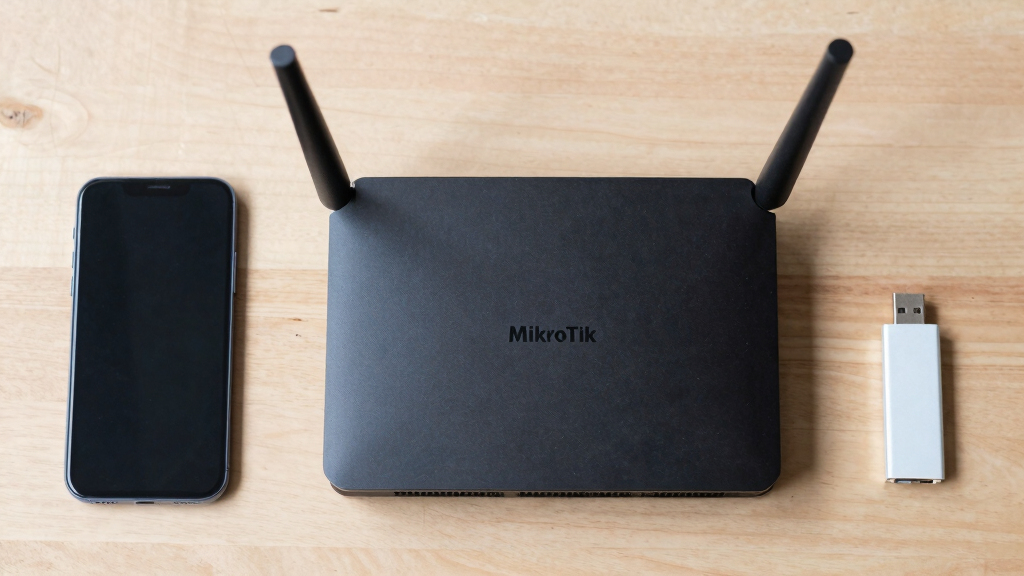
Our evaluation focused on a combination of performance, build quality, feature set, user interface, and value for money. We prioritized routers that offer robust hardware, reliable connectivity, and future-proof features like Wi-Fi 6 and multiple gigabit ports. Compatibility with current networking standards and ease of management also played key roles. The ranking reflects a balance between high-end capabilities for demanding environments and more accessible options for everyday use, ensuring that each product serves a clear purpose for different buyer needs.Factors to Consider When Choosing Best MikroTik Routers
Choosing the best MikroTik router hinges on understanding your network size, usage patterns, and technical comfort. Not all models are suitable for every environment, so weighing these factors carefully can save you money and frustration. Here are key considerations that go beyond just specs and prices.Performance and Speed
Look beyond theoretical speeds and consider real-world throughput, especially if you have multiple devices or high-bandwidth activities. Higher-end models often feature faster CPUs and more RAM, which help maintain stability under load. Overpaying for raw speed can be unnecessary if your network usage is modest, but under-speccing can bottleneck your setup.Number of Ports and Expandability
Assess your current and future connectivity needs—more Ethernet ports mean less reliance on switches later. If you plan to expand or connect multiple wired devices, prioritize routers with sufficient ports and SFP+ cages for fiber connections. Smaller models with fewer ports are suitable for simple setups but can limit growth.Wireless Technology and Coverage
Wi-Fi 6 support is increasingly common and offers better speed, range, and efficiency, especially in dense environments. However, not all MikroTik routers include Wi-Fi 6, so if wireless performance is critical, choose models explicitly supporting it. For larger spaces, consider additional access points or mesh setups.Ease of Management
Advanced features are powerful but can be daunting for less experienced users. MikroTik’s RouterOS provides extensive customization, yet some models include simplified management interfaces. Think about your comfort level with network configuration—if you prefer plug-and-play, opt for models with more user-friendly dashboards.Price and Long-Term Value
Higher-cost models often include features that future-proof your network, but may be overkill for basic needs. Conversely, budget options might save money upfront but lack scalability. Consider your long-term plans and whether investing in a more capable router now will pay off later.Frequently Asked Questions
Do I need a MikroTik router with Wi-Fi 6 support?
If you rely heavily on wireless devices or have a dense environment, a Wi-Fi 6 compatible MikroTik router can significantly improve speed and efficiency. It provides better handling of multiple devices and reduces latency. However, if your primary needs are wired connections or your current devices don’t support Wi-Fi 6, opting for a non-Wi-Fi 6 model may save money without sacrificing performance.
Is a higher port count always better?
Not necessarily. While more ports offer flexibility for wired devices, they also increase size and complexity. If you only have a handful of wired devices, a router with fewer ports will suffice and often cost less. Consider your current setup and potential future growth to avoid paying for unused ports or, conversely, facing limitations later.
Are MikroTik routers easy to set up for beginners?
Many MikroTik models are designed for advanced users, thanks to RouterOS’s extensive customization options. However, MikroTik has introduced some models with simplified interfaces aimed at newcomers. If you’re new to networking, look for routers that offer basic setup wizards or management tools that don’t require deep technical knowledge.
Should I buy a more expensive MikroTik router for future-proofing?
Investing in a higher-end MikroTik router can be worthwhile if you anticipate network growth or increased demands. More expensive models typically feature faster processors, more RAM, and additional ports, which help keep your network running smoothly as your needs evolve. However, for small or static networks, a mid-range model often provides sufficient performance without overspending.
How important is hardware quality in MikroTik routers?
Hardware quality directly impacts reliability, longevity, and performance. Well-built models with quality components tend to run cooler, have fewer hardware failures, and support more demanding workloads. While cheaper options might save money initially, they often compromise on durability and stability over time, making premium models a better long-term investment for critical networks.
Conclusion
For most users seeking a reliable, high-performance router that balances features and ease of use, the MikroTik RB4011iGS+5HacQ2HnD-IN stands out as the best overall choice. Buyers on a budget or needing simple wired solutions will find the Mikrotik hEX RB750Gr3 offers excellent value. Those demanding top-tier wireless performance should consider the MikroTik hAP ax S or MikroTik hAP ax2. For enterprise environments or future-proofing, the Mikrotik CCR2004 provides extensive ports and processing power. Ultimately, your choice depends on your network size, technical comfort, and specific demands—match these to the right model to get the best fit.
As an affiliate, we earn on qualifying purchases.Halloween Picks
halloween