
When searching for student-friendly laptops, the key considerations include affordability, portability, battery life, and software compatibility. The HP Pavilion with 16GB RAM stands out as the best overall for its balance of power and price, ideal for students who need to run multiple applications smoothly. The Lenovo IdeaPad offers excellent value with a solid Windows experience, while the Chromebooks excel in simplicity and battery longevity, perfect for light tasks. Despite these strengths, tradeoffs often involve balancing performance with budget constraints or choosing between Chrome OS and Windows. Continue reading for a detailed breakdown of these options and more to find the best fit for your needs.

Get the latest gadgets delivered free with Prime
- Fast, free delivery on millions of items
- Prime Video, Amazon Music and more included
- Member-only deals all year
Complete the kit



Key Takeaways
- The most versatile laptops balance performance with affordability, favoring models with at least 8GB RAM for multitasking.
- Chromebooks remain ideal for students focused on browsing, note-taking, and streaming due to their simplicity and longer battery life.
- Laptops with Windows tend to offer more software flexibility, but often come at a higher cost or weight compared to Chromebooks.
- Portability hinges on screen size and weight; smaller, lighter models are better for carrying around campus but may compromise screen real estate.
- Battery life varies significantly; models with at least 10 hours of usage are more reliable for all-day classes without constant charging.




| student-friendly laptop | Processor | RAM | Storage | Display |
|---|---|---|---|---|
| HP Chromebook 14 Laptop | Intel Celeron N4120 | 4 GB | 64 GB eMMC | 14-inch HD (1366 x 768) |
| Lenovo IdeaPad 2026 Student La | Intel Dual Core | 8 GB | 128 GB SSD | 14-inch anti-glare |
| Lenovo Flagship Chromebook 14" | MediaTek Kompanio 520 (Octa-Core) | 4 GB | 64 GB eMMC | 14-inch FHD Touchscreen |
| HP 14-inch Laptop 2026 Edition | Intel N150 Quad-Core | 8 GB DDR4 | 128 GB UFS | 14-inch HD (1366×768) Anti-Glare |
| HP Stream 14 Student Business | Intel N150 Quad-core | 4 GB | 128 GB UFS | 14-inch anti-glare HD |
| 15.6-inch FHD IPS Student Lapt | Celeron J4105 quad-core | 12GB | 256GB SSD (expandable up to 2TB SSD or 1TB TF card) | 15.6-inch FHD IPS, 1920×1080 resolution |
| HP Chromebook 14-inch HD Lapto | Intel Celeron N4500, 1.1 GHz (up to 2.8 GHz) | 4GB DDR4 | 64GB eMMC | 14-inch HD (1366 x 768), micro-edge, anti-glare, 250 nits |
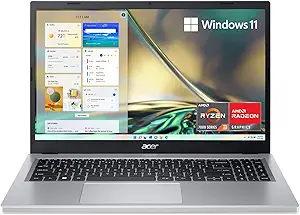
| Acer Aspire 3 A315-24P-R7VH Sl | AMD Ryzen 3 7320U | 8GB LPDDR5 | 128GB NVMe SSD | 15.6" Full HD IPS |
| Samsung 14" Galaxy Chromebook | Intel Celeron N4500 | 4GB | 64GB | 14 inches |
| HP 14-Inch HD Student Laptop w | Intel Celeron N4500 | 4GB DDR4 | 64GB eMMC | 14-inch HD (1366 x 768) |
| HP 2026 Pavilion Laptop for St | Intel N100 | 16GB DDR4 | 256GB NVMe SSD | 15.6-inch Full HD anti-glare |
| HP 14" HD Chromebook Laptop fo | Intel Celeron N4120 | 4 GB LPDDR4x | 64 GB eMMC | 14-inch HD (1366 x 768), anti-glare |
| HP Chromebook 14" HD Laptop | Intel Celeron N4500 | 4GB DDR4 | 64GB eMMC | 14-inch HD (1366 x 768), anti-glare |
| HP 14" Ultra-Light Laptop for | Intel Celeron N4500 | 4GB DDR4 | 128GB (64GB eMMC + SD Card) | 14-inch micro-edge, anti-glare |
More Details on Our Top Picks
HP Chromebook 14 Laptop, Intel Celeron N4120, 4 GB RAM, 64 GB eMMC, 14″ HD Display, Chrome OS, Thin Design, 4K Graphics, Long Battery Life, Ash Gray Keyboard
This Chromebook stands out for its portability and long battery life, making it an ideal choice for students who need a device primarily for browsing, note-taking, and streaming. Compared to the Lenovo Flagship Chromebook, it offers similar screen quality but with a less powerful processor, which can limit multitasking with multiple tabs or apps. The 64 GB eMMC storage is tight, especially if students plan to store many files locally, but it’s sufficient for cloud-based workflows. The HD display is adequate for basic tasks but may feel lackluster for detailed work or creative projects. This model’s lightweight build and up to 14 hours of battery life make it perfect for carrying around campus all day.
Pros:- Lightweight and highly portable for on-the-go use
- Excellent battery life up to 14 hours
- Supports 4K streaming and light gaming
Cons:- Limited storage at 64 GB eMMC can quickly fill up
- HD resolution may not satisfy those needing sharper visuals
- Processor may struggle with heavy multitasking or demanding apps
Best for: Students needing a simple, affordable device for web-based learning and streaming
Not ideal for: Students who work with large files, creative software, or require intensive multitasking
- Processor:Intel Celeron N4120
- RAM:4 GB
- Storage:64 GB eMMC
- Display:14-inch HD (1366 x 768)
- Graphics:Intel UHD Graphics 600
- Battery Life:Up to 14 hours
Our verdict“This Chromebook is best suited for students who prioritize portability and basic online tasks over storage and processing power.”
Lenovo IdeaPad 2026 Student Laptop with Microsoft 365, 8GB RAM, 128GB Storage, 500GB External HDD, Windows 11 S
This Lenovo IdeaPad offers a solid balance of performance and productivity, with 8GB RAM and a 128GB SSD, making it suitable for multitasking, document editing, and online research. Compared to the HP 14-inch Edition, it provides a larger RAM capacity, which helps with multitasking, but the internal storage is still limited, requiring reliance on the included external HDD for large files. The Windows 11 S mode enhances security but restricts app installation, which could hinder flexibility for advanced users. The inclusion of Microsoft 365 and a privacy shutter adds value for students who need ready-to-use productivity tools and privacy features in a compact design.
Pros:- 8GB RAM facilitates smoother multitasking
- Includes Microsoft 365 subscription for productivity
- Lightweight at under 3 lbs with a portable design
Cons:- Limited internal storage at 128GB may require external drives
- Windows 11 S mode restricts app installation options
- Performance may be basic for heavy multitasking or creative tasks
Best for: Students who need a dependable laptop for productivity, online classes, and light multimedia use
Not ideal for: Students working with large media files or requiring advanced software outside of Windows Store apps
- Processor:Intel Dual Core
- RAM:8 GB
- Storage:128 GB SSD
- External Hard Drive:500 GB
- Display:14-inch anti-glare
- Operating System:Windows 11 S
Our verdict“This laptop is best suited for students seeking a portable, office-ready machine with good multitasking ability.”
Lenovo Flagship Chromebook 14″ FHD Touchscreen Laptop, MediaTek Kompanio 520, 4GB RAM, 64GB eMMC, WiFi 6, Abyss Blue
This Chromebook’s bright 14-inch FHD touchscreen, combined with a powerful MediaTek octa-core processor, makes it stand out for interactive learning and media consumption. Compared with the HP Chromebook 14, it offers a sharper display and WiFi 6 for faster wireless speeds, though the 4GB RAM can limit multitasking during heavy use. The 64GB storage is sufficient for cloud-based activities but may be restrictive for large downloads or offline projects. The lightweight and slim profile make it easy to carry, and the touchscreen enhances engagement for younger students or those who prefer tablet-like interactions. However, the absence of a dedicated GPU limits graphics performance for more demanding tasks.
Pros:- Bright, high-resolution touchscreen with IPS technology
- Powerful octa-core processor for smooth performance
- Lightweight and portable with WiFi 6 connectivity
Cons:- Limited 4GB RAM can hinder multitasking
- Only 64GB storage may require external storage solutions
- No dedicated GPU for intensive graphics tasks
Best for: Students wanting a versatile, touchscreen device for online learning, browsing, and light creative work
Not ideal for: Students needing to run demanding applications or store large files locally
- Display:14-inch FHD Touchscreen
- Processor:MediaTek Kompanio 520 (Octa-Core)
- RAM:4 GB
- Storage:64 GB eMMC
- Connectivity:WiFi 6, Bluetooth 5.1
- Weight:2.86 lbs
Our verdict“This Chromebook is well-suited for interactive learning and casual multimedia use on the go.”
HP 14-inch Laptop 2026 Edition, Intel Processor, 8GB RAM, 128GB Storage
This HP 14-inch model delivers a reliable experience for students who need a versatile device for homework, browsing, and media. It surpasses the HP Stream 14 with a more capable Intel N150 quad-core processor and 8GB RAM, enhancing performance for multitasking. The 128GB UFS storage offers faster access speeds and decent space for documents and apps, though it may still be tight for large media libraries. The anti-glare display reduces eye strain during long study sessions, and Windows 11 with Microsoft 365 support adds productivity. The device’s simple design and solid performance make it a practical choice for daily use, but the HD resolution and limited storage could be a concern for some users.
Pros:- Reliable performance with quad-core processor and 8GB RAM
- Bright anti-glare display reduces eye fatigue
- Includes Windows 11 and Microsoft 365 for productivity
Cons:- HD resolution (1366×768) may feel less sharp
- Limited internal storage at 128GB
- Basic graphics only suitable for light tasks
Best for: Students requiring a dependable everyday laptop with good performance and productivity tools
Not ideal for: Students working heavily with large files, media editing, or gaming
- Processor:Intel N150 Quad-Core
- Display:14-inch HD (1366×768) Anti-Glare
- RAM:8 GB DDR4
- Storage:128 GB UFS
- Connectivity:WiFi 6, Bluetooth 5.4
- Operating System:Windows 11 Home in S Mode
Our verdict“This laptop strikes a good balance for students seeking a reliable, everyday Windows device for schoolwork and browsing.”
HP Stream 14 Student Business Laptop, 4GB RAM, 128GB UFS, Intel N150, Windows 11 Home, Willow Green
The HP Stream 14 combines portability with durability, thanks to its lightweight design and military-grade drop resistance, making it a strong choice for students on the move. Its 4GB RAM and 128GB UFS storage provide decent performance for basic tasks, and the inclusion of Office 365 and AI-powered tools adds productivity right out of the box. Compared to the Lenovo IdeaPad, it offers a more rugged build, suitable for rough handling, but the limited RAM might hinder multitasking if many applications are open simultaneously. The 14-inch anti-glare display and fast UFS storage make it a practical device for everyday tasks and quick data transfer, though it’s not intended for intensive multitasking or media editing.
Pros:- Lightweight with military-grade drop resistance
- Pre-installed Office 365 and AI tools for productivity
- Fast boot and file transfer with UFS storage
Cons:- Limited 4GB RAM can restrict multitasking
- Only 128GB storage may be tight for large files
- MicroSD card not included for expansion
Best for: Students seeking a durable, portable device with essential productivity tools for academic and light business tasks
Not ideal for: Students needing high-performance multitasking or large local storage for media-heavy projects
- Processor:Intel N150 Quad-core
- Display:14-inch anti-glare HD
- RAM:4 GB
- Storage:128 GB UFS
- Weight:3.24 lbs
- Operating System:Windows 11 Home
Our verdict“This device is ideal for students who prioritize durability and basic productivity in a portable form factor.”
15.6-inch FHD IPS Student Laptop with Office 365 and AI Assistant
This laptop stands out for its large, vibrant 15.6-inch FHD IPS display, making it ideal for multitasking and media consumption. Compared to smaller-screen options like the Samsung Galaxy Chromebook Go, it offers a more immersive viewing experience, though the inclusion of a modest Celeron processor means it may struggle with intensive tasks. The 12GB RAM and expandable storage provide flexibility for students managing multiple files and projects, while the 180° hinge offers practical viewing angles. However, the Celeron processor limits performance during demanding applications, and the battery, while sizeable, might not last through an entire school day without charging. This pick makes the most sense for students who need a balance of productivity, media use, and versatility, accepting some performance limitations for a larger display and improved usability.
Pros:- Flexible 180° hinge for versatile use
- Preinstalled Office 365 and AI assistant for productivity
- Bright, immersive FHD display with narrow bezels
- Expandable storage options
Cons:- Powered by an entry-level Celeron processor, limiting performance
- Battery capacity might be insufficient for all-day use
Best for: Students needing a reliable, flexible laptop for multitasking, media, and productivity tasks
Not ideal for: Students who require heavy processing power for gaming, video editing, or complex software
- Display:15.6-inch FHD IPS, 1920×1080 resolution
- Processor:Celeron J4105 quad-core
- RAM:12GB
- Storage:256GB SSD (expandable up to 2TB SSD or 1TB TF card)
- Battery:7000mAh
- Connectivity:5G Wi-Fi, Bluetooth 4.2, USB 3.2, Type-C, Mini HDMI
Our verdict“This is a well-rounded choice for students who prioritize screen size and productivity features over raw processing power.”
HP Chromebook 14-inch HD Laptop, Intel Celeron N4500, 4GB RAM, 64GB eMMC, Chrome OS, Gray
This Chromebook offers a straightforward, portable experience with a 14-inch HD display and a dependable Intel Celeron N4500 processor, making it ideal for students who primarily use web-based applications. Compared with the Acer Aspire 3 with its full Windows environment, this device sacrifices some processing capacity for a lighter weight and easier use. Its 4GB RAM and 64GB storage are sufficient for basic tasks like browsing, note-taking, and streaming, but may quickly become limiting for students juggling multiple apps or larger files. The long battery life and fast charging support students on the move, yet the HD resolution can feel cramped during extended work sessions. This device suits students who prioritize portability and simplicity over high performance or storage capacity.
Pros:- Lightweight and portable design
- Fast boot times with seamless Google service integration
- Long battery life with fast charging
Cons:- Limited storage capacity for large files
- HD resolution may not be ideal for detailed visuals
- Processor may be less capable for demanding apps
Best for: Students who need a lightweight, easy-to-carry device for web-based tasks and basic schoolwork
Not ideal for: Students requiring extensive multitasking, offline storage, or more detailed visuals
- Processor:Intel Celeron N4500, 1.1 GHz (up to 2.8 GHz)
- Display:14-inch HD (1366 x 768), micro-edge, anti-glare, 250 nits
- RAM:4GB DDR4
- Storage:64GB eMMC
- Operating System:Chrome OS
- Connectivity:WiFi 6, Bluetooth 4.2
Our verdict“This Chromebook is perfect for students who prioritize mobility and cloud-based workflows over raw power or storage.”
Acer Aspire 3 A315-24P-R7VH Slim Laptop, 15.6″ Full HD, AMD Ryzen 3 7320U, 8GB LPDDR5, 128GB NVMe SSD, Wi-Fi 6, Windows 11 Home
This model balances everyday performance with portability thanks to its lightweight design and a sharp 15.6-inch Full HD IPS display. Compared with the HP Chromebook 14, it offers a more capable processor and more RAM, making it suitable for students who need to run multiple applications or light multitasking. The AMD Ryzen 3 processor and 8GB RAM deliver better responsiveness for schoolwork, though the 128GB SSD might fill quickly if students work with large files or multimedia. The inclusion of Wi-Fi 6 enhances connectivity, yet the device lacks a dedicated graphics card, limiting gaming or heavy graphical tasks. Overall, this pick makes the most sense for students who want a Windows-based laptop with solid multitasking capabilities without sacrificing portability.
Pros:- Lightweight and stylish design
- Sharp, bright Full HD display with narrow bezels
- Fast SSD storage and Wi-Fi 6 connectivity
- High-quality camera with noise reduction
Cons:- Limited storage capacity for large media files
- Basic Ryzen 3 processor may limit heavy multitasking
Best for: Students seeking a versatile Windows laptop for multitasking and media use
Not ideal for: Students who need extensive storage or high-end graphics for demanding tasks
- Display:15.6″ Full HD IPS
- Processor:AMD Ryzen 3 7320U
- Graphics:AMD Radeon Graphics
- RAM:8GB LPDDR5
- Storage:128GB NVMe SSD
- Connectivity:Wi-Fi 6
Our verdict“This is a solid choice for students who want a portable, capable Windows laptop for everyday tasks and media consumption.”
Samsung 14″ Galaxy Chromebook Go Laptop PC with Intel Celeron N4500, 4GB RAM, 64GB Storage, ChromeOS, Silver
This lightweight, durable Chromebook is designed for students who need a tough, long-lasting device. Its long 12-hour battery life and military-grade durability make it ideal for busy students on the move. Compared to the HP Chromebook 14, its rugged build adds resilience at the expense of a slightly smaller screen and basic specs. The 14-inch HD display suffices for browsing and note-taking, but might feel limited for detailed visuals or multitasking. The 4GB RAM and 64GB storage are adequate for cloud-based work but can be restrictive for offline heavy-duty use. Its fast Wi-Fi connectivity supports seamless online learning, yet the limited storage and processing power make it less suitable for demanding applications. This device is best for students who prioritize durability and portability over high performance.
Pros:- Long-lasting 12-hour battery life
- Durable, military-grade build
- Lightweight and portable design
- Fast Wi-Fi connectivity
Cons:- Limited storage capacity for offline files
- Processor may be insufficient for demanding tasks
- Only 4GB RAM may limit multitasking
Best for: Students needing a highly durable, portable device for light tasks and frequent movement
Not ideal for: Students requiring extensive offline storage or multitasking capabilities
- Processor:Intel Celeron N4500
- Display:14 inches
- Operating System:ChromeOS
- RAM:4GB
- Storage:64GB
- Battery:Up to 12 hours
Our verdict“This Chromebook excels for students needing a tough, portable device primarily for web-based learning and light use.”
HP 14-Inch HD Student Laptop with Intel Celeron N4500, 4GB RAM, 64GB eMMC, Windows 11S, White
This HP model offers a straightforward Windows experience with a 14-inch HD display and a modest Intel Celeron N4500 processor. Compared with the Acer Aspire 3, it emphasizes portability and affordability, though with less performance headroom. Its 4GB RAM and 64GB eMMC storage suit basic tasks like browsing, typing, and streaming, but can quickly limit multitasking or storage-heavy projects. The Windows 11 S mode provides a familiar environment with added security, but the lower resolution display may feel cramped for longer sessions. The device’s lightweight design and modern ports make it suitable for students who need a simple, reliable machine for routine use, accepting some limitations in power and storage.
Pros:- Lightweight and easy to carry
- Decent performance for everyday tasks
- Modern connectivity options including WiFi 6
Cons:- Limited storage and lower resolution display
- Performance may be insufficient for multitasking or demanding apps
Best for: Students needing an affordable, portable Windows laptop for basic tasks and schoolwork
Not ideal for: Students who plan to run demanding applications or store large files offline
- Display:14-inch HD (1366 x 768)
- Processor:Intel Celeron N4500
- RAM:4GB DDR4
- Storage:64GB eMMC
- Operating System:Windows 11 S
- Ports:1 x USB-C 3.0, 2 x USB-A 3.0, 1 x HDMI, Headphone/microphone combo
Our verdict“Ideal for students seeking an affordable, portable Windows device for routine, light use.”
HP 2026 Pavilion Laptop for Students, Intel N100, 16GB RAM, 256GB SSD
This HP Pavilion model stands out for its powerful 16GB RAM, which enables smooth multitasking across multiple apps — a notable upgrade over the HP Chromebook 14 with its 4GB limit. The 15.6-inch Full HD anti-glare display offers a comfortable viewing experience, making it suitable for both study and entertainment. Its lightweight design (3.64 lbs) and modern connectivity, including Wi-Fi 6 and Bluetooth 5.3, make it portable and future-proof. However, the Intel N100 processor may struggle with intensive tasks like video editing, and the battery life isn’t specified, which could be a concern for all-day use. Compared to lightweight Chromebooks, this provides more power but at a potentially higher power draw and cost. This pick is ideal for students who need a well-rounded device capable of handling multitasking without breaking the bank.
Pros:- Excellent multitasking with 16GB RAM
- Lightweight and portable at 3.64 lbs
- Fast SSD for quick start-up and file access
- Modern connectivity options including Wi-Fi 6
Cons:- Processor may limit performance for demanding applications
- Battery life details are absent, raising questions about longevity
Best for: Students who need a versatile laptop for both schoolwork and light multimedia tasks
Not ideal for: Students who prioritize maximum battery life or require high-end graphics performance
- Processor:Intel N100
- RAM:16GB DDR4
- Storage:256GB NVMe SSD
- Display:15.6-inch Full HD anti-glare
- Weight:3.64 lbs
- Connectivity:Wi-Fi 6, Bluetooth 5.3
Our verdict“This laptop suits students seeking a powerful, portable device for everyday productivity and multitasking.”
HP 14″ HD Chromebook Laptop for Students, Intel Quad-Core N4120, 4GB RAM, 64GB eMMC, WiFi, Webcam, HDMI, USB-A & C, 14 Hours Battery Life, Chrome OS
This Chromebook excels with its 14-hour battery life and ultra-lightweight design, making it perfect for students on the go, especially compared to the HP 2026 Pavilion which is bulkier and less battery-efficient. Its micro-edge anti-glare 14-inch display offers a decent viewing experience for typical schoolwork, but the HD resolution might fall short for media editing or detailed visuals. The quad-core Intel N4120 processor provides sufficient performance for web browsing, document editing, and streaming, yet it may lag when multitasking or running more demanding apps. The 64GB eMMC storage is limited, making it less suitable for storing large files locally, though cloud storage can offset that. This Chromebook’s long battery life and portability make it ideal for students with a heavy class schedule who need a simple, reliable device for basic tasks.
Pros:- Exceptional 14-hour battery life
- Very lightweight and portable
- Multiple ports including USB-C and HDMI
- Reliable Chrome OS environment
Cons:- Limited storage capacity for heavy files
- HD display resolution not ideal for media-intensive tasks
- Processor may struggle with multitasking
Best for: Students needing a lightweight, long-lasting device primarily for browsing, note-taking, and remote classes
Not ideal for: Students who want to do multimedia editing or store large files locally
- Processor:Intel Celeron N4120
- RAM:4 GB LPDDR4x
- Storage:64 GB eMMC
- Display:14-inch HD (1366 x 768), anti-glare
- Battery Life:Up to 14 hours
- Operating System:Chrome OS
Our verdict“This Chromebook is best for students prioritizing battery life and portability over local storage and advanced performance.”
HP Chromebook 14″ HD Laptop, Intel Celeron N4500, 4GB RAM, 64GB eMMC, Chrome OS, Gray
This Chromebook offers a straightforward solution for students who need a simple device, with its 14-inch HD anti-glare display and fast boot times. Its Intel Celeron N4500 processor and 4GB RAM make it comparable to the HP 14″ N4120 model but with a slightly newer CPU, making everyday tasks smooth enough for most students. The device’s modest 64GB eMMC storage limits local file capacity, but for students relying on cloud storage, this is less of an issue. The HD resolution and basic specs mean it’s less suitable for media editing or intensive multitasking. Its lightweight design and fast charging are beneficial for daily use, yet its performance ceiling is modest. This Chromebook makes the most sense for students comfortable with basic web-based tasks and minimal local storage needs.
Pros:- Affordable price point
- Lightweight and portable
- Fast boot-up with Chrome OS
- Decent battery life for everyday tasks
Cons:- Limited storage capacity
- HD display not suitable for media-intensive work
- Processor may be less capable for multitasking
Best for: Budget-conscious students with light use requirements and cloud storage reliance
Not ideal for: Power users or students needing to run demanding applications or store large files locally
- Processor:Intel Celeron N4500
- RAM:4GB DDR4
- Storage:64GB eMMC
- Display:14-inch HD (1366 x 768), anti-glare
- Graphics:Intel UHD Graphics
- Operating System:Chrome OS
Our verdict“This Chromebook offers a basic, affordable option for students focused on web-based learning and minimal local storage.”
HP 14″ Ultra-Light Laptop for Student & Home with 1-Year Office 365, Intel Celeron N4500, 4GB RAM, 128GB Storage, Wi-Fi 6, Windows 11 Home in S Mode
This HP model combines portability with the convenience of included Office 365, making it ideal for students who need a device for both schoolwork and light home tasks. Its 12-hour battery life and fast charging outperform many similar models, including the HP Chromebook 14, especially for students who spend long hours away from power outlets. The 128GB storage, split between local and SD card options, offers more room for documents and media. The Intel Celeron N4500 processor provides basic performance suitable for web browsing, document editing, and casual media consumption, yet it may lag with demanding multitasking. The device’s modest display color gamut and HD resolution are acceptable for typical student work but less ideal for media creation. Overall, this model is a compelling choice for students needing a lightweight, long-lasting device with Office 365 included.
Pros:- Long-lasting 12-hour battery with fast charging
- Includes a 1-year Microsoft 365 subscription
- Lightweight and portable at a competitive price
- Wi-Fi 6 and Bluetooth 5.4 for reliable connectivity
Cons:- Limited storage for large files
- Processor may be insufficient for demanding multitasking
- Display color gamut is modest for media editing
Best for: Students balancing schoolwork, remote learning, and home use with long battery needs
Not ideal for: Students who require high-performance multitasking or media editing capabilities
- Processor:Intel Celeron N4500
- RAM:4GB DDR4
- Storage:128GB (64GB eMMC + SD Card)
- Display:14-inch micro-edge, anti-glare
- Battery Life:Up to 12 hours
- Operating System:Windows 11 Home in S Mode
Our verdict“This laptop suits students seeking a portable, long-lasting device with productivity software included for everyday tasks.”

How We Picked
These laptops were selected based on a combination of performance, build quality, price, and usability specifically for students. We prioritized models with a balance of affordability and functionality, ensuring they handle common student tasks like note-taking, research, and light productivity. Battery life was a major factor, as students need laptops that last through long days. We also considered portability, with lighter models favored for their ease of carrying. Finally, software compatibility and operating system preferences were evaluated to recommend options suitable for different academic needs. The ranking reflects the overall value and versatility for a broad student audience, from beginners to more advanced users.| student-friendly laptop | Operating System |
|---|---|
| HP Chromebook 14 Laptop | — |
| Lenovo IdeaPad 2026 Student La | Windows 11 S |
| Lenovo Flagship Chromebook 14" | — |
| HP 14-inch Laptop 2026 Edition | Windows 11 Home in S Mode |
| HP Stream 14 Student Business | Windows 11 Home |
| 15.6-inch FHD IPS Student Lapt | — |
| HP Chromebook 14-inch HD Lapto | Chrome OS |
| Acer Aspire 3 A315-24P-R7VH Sl | — |
| Samsung 14" Galaxy Chromebook | ChromeOS |
| HP 14-Inch HD Student Laptop w | Windows 11 S |
| HP 2026 Pavilion Laptop for St | — |
| HP 14" HD Chromebook Laptop fo | Chrome OS |
| HP Chromebook 14" HD Laptop | Chrome OS |
| HP 14" Ultra-Light Laptop for | Windows 11 Home in S Mode |
Factors to Consider When Choosing Student-friendly Laptops
Choosing a student-friendly laptop involves more than just picking the cheapest or smallest device. Key factors include performance, portability, battery life, and software ecosystem. Understanding these factors helps prevent common mistakes, such as buying a device too underpowered for coursework or one that’s too heavy to carry around comfortably. Considering your specific needs—whether you mainly browse, do light editing, or need multitasking capabilities—ensures you get a device that supports your academic life without unnecessary expense. Below are the main aspects to evaluate when selecting a student laptop.Performance and Specifications
For most students, a laptop with at least 8GB RAM and a modern processor provides enough power for multitasking, document editing, and web browsing. If your coursework involves photo editing or programming, consider a slightly more capable CPU and increased RAM. Avoid models with outdated processors or minimal RAM, as they can slow down productivity and frustrate multitasking. Striking the right balance between performance and price helps you avoid overpaying for features you won’t use, or worse, struggling with sluggish performance during critical assignments.
Portability and Size
Portability is often the deciding factor for students who carry their laptops daily. Smaller screen sizes, such as 13 or 14 inches, tend to be lighter and more compact, making them easier to slip into backpacks. However, very small screens can hinder multitasking or detailed work. Conversely, larger screens are better for media consumption and productivity but add weight and bulk. Consider how much you’ll carry and whether portability outweighs screen size for your specific use case.
Battery Life
Long-lasting battery life is essential for students who spend hours in lectures or libraries without easy access to charging outlets. Most models in this roundup offer between 8 to 14 hours of runtime, with Chromebooks generally leading in endurance. Keep in mind that real-world battery performance depends on usage; intensive tasks like video editing will drain power faster. Choosing a device with at least 10 hours of expected battery life minimizes the risk of running out mid-class or study session.
Operating System and Ecosystem
The choice between Chrome OS and Windows significantly impacts software compatibility and user experience. Chromebooks are straightforward, secure, and excel in web-based tasks, making them ideal for students who primarily use Google services. Windows laptops, while often more expensive, support a wider range of software, including specialized academic tools. Consider your coursework requirements and whether you need specific applications that are only available on Windows or Mac, and choose accordingly.
Budget and Future-proofing
Balancing cost with longevity is key. A slightly higher investment in a more capable machine can extend its useful lifespan, saving money over time. Be wary of ultra-low-cost models that may lack durability or sufficient specs for future needs. Look for models with upgrade options or a bit more RAM and storage than you currently need, providing some headroom for future tasks or software updates. Remember, spending a little more upfront can lead to a more satisfying long-term experience.
Frequently Asked Questions
Should I prioritize battery life or performance for school work?
Battery life and performance are both important, but your choice depends on your daily routine. If you often spend long hours in classes or libraries without easy access to power, prioritize a model with at least 10-12 hours of battery life. Conversely, if your coursework involves multitasking or running demanding applications, opt for a slightly more powerful device, even if it sacrifices some battery longevity. Ideally, look for a balance that covers your typical day’s needs without forcing compromises on either side.
Are Chromebooks suitable for all types of students?
Chromebooks are excellent for students whose tasks are primarily web-based, such as note-taking, research, and streaming. They are generally more affordable, lightweight, and have longer battery life. However, if your coursework involves specialized software, programming, or media editing, a Windows or Mac device may be necessary. Consider your academic requirements and whether the Chromebook ecosystem can support your software needs before making a decision.
Is it worth paying more for a laptop with higher RAM or better processor?
Investing in additional RAM or a more capable processor can significantly improve your laptop’s longevity and multitasking ability. For students who run multiple applications simultaneously or engage in light creative work, 8GB RAM is often sufficient. If you anticipate future coursework requiring more power or want a device that stays responsive longer, paying extra for 16GB RAM or a faster CPU makes sense. It’s a tradeoff: spending more now can prevent needing an upgrade sooner.
How important is weight and size for a student laptop?
Weight and size are critical for students who carry their laptops daily. A lighter, smaller device reduces strain and makes it easier to transport between classes. However, very compact laptops often have smaller screens and keyboards, which might impact usability. Balance your need for portability with your comfort and functional preferences. If you tend to work mostly at a desk, a slightly larger but more comfortable model could serve you better in the long run.
Should I consider a 2-in-1 convertible laptop?
2-in-1 convertibles can be appealing for their versatility, allowing you to switch between laptop and tablet modes. They are generally lightweight and can be useful for note-taking or reading in tablet mode. However, they may come at a higher price and sometimes have less powerful hardware compared to traditional laptops. If your coursework involves a lot of drawing, note-taking, or presentations, a convertible might be worth the investment. Otherwise, a standard clamshell laptop often provides better performance and durability for the price.
Conclusion
For students seeking the best overall balance of features and affordability, the HP Pavilion stands out. Those on a strict budget or prioritizing simplicity may find the Chromebooks like the Samsung Galaxy Chromebook Go ideal. If you need a device capable of multitasking with more demanding applications, the Lenovo IdeaPad offers excellent value. Beginners or casual users will appreciate lightweight models like the HP 14″ Ultra-Light, while students with more intensive needs should consider higher-spec options like the HP 14-inch Laptop with 16GB RAM. Ultimately, your choice should align with your academic demands, portability preferences, and budget constraints, ensuring your laptop supports your success in 2026 and beyond.
Halloween Picks
halloween
As an affiliate, we earn on qualifying purchases.