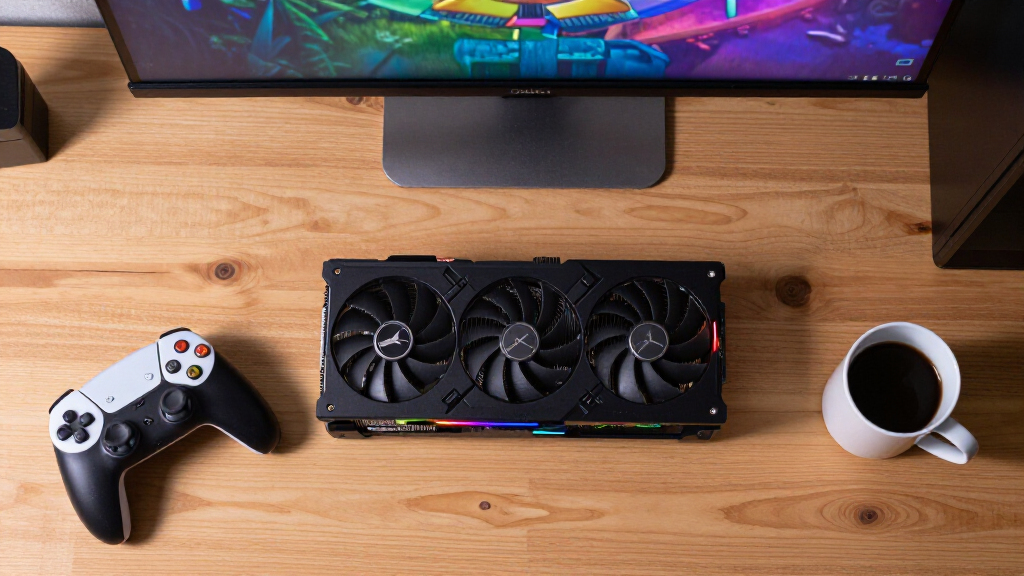

Choosing the best gaming graphics card in 2026 means balancing performance, price, and future-proofing. The GIGABYTE GeForce RTX 4070 Super Gaming OC stands out for its excellent price-to-performance ratio, making it ideal for gamers who want solid 1440p performance without overspending. Meanwhile, the ASUS TUF Gaming GeForce RTX 5080 16GB offers top-tier power for 4K gaming, but at a higher cost. The main tradeoffs involve balancing raw power against budget constraints and considering how much future-proofing you need. Keep reading for an in-depth breakdown of these options and more to find the best fit for your setup.

Get the latest gadgets delivered free — and shop member deals
- Fast, free delivery on millions of items
- Access to Prime Big Deal Days deals on October 6–7
- Prime Video, Amazon Music and more included
Complete the kit



Key Takeaways
- High-end models like the RTX 5080 excel at 4K gaming but come with a premium price tag, making them best for enthusiasts.
- Mid-range options such as the RTX 4070 Super provide excellent performance for 1440p gaming at a more accessible price point.
- AMD offerings like the ASUS Prime Radeon RX 9070 XT deliver competitive performance and better value for some gamers.
- Power consumption and size vary significantly; compact builds may require smaller cards like the ASUS Dual RX 9060 XT.
- Future-proofing depends on VRAM and support for the latest standards; consider PCIe 5.0 and DDR7 support if planning for the long term.
| GIGABYTE GeForce RTX 4070 Super Gaming OC 12G Graphics Card |  | Best Overall Gaming Graphics Card | Graphics Coprocessor: NVIDIA GeForce RTX 4070 SUPER | Memory: 12 GB | Video Output Interface: DisplayPort, HDMI | VIEW LATEST PRICE | See Our Full Breakdown |
| ASUS TUF Gaming GeForce RTX 5080 16GB GDDR7 OC Edition Graphics Card | 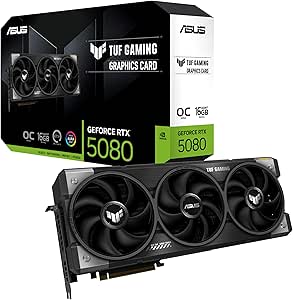 | Best High-End for Long-Term Durability | Graphics Coprocessor: NVIDIA GeForce RTX 5080 | Memory: 16 GB | GPU Clock Speed: 2730 MHz | VIEW LATEST PRICE | See Our Full Breakdown |
| ASUS TUF Gaming GeForce RTX 4080 OC Edition Graphics Card |  | Best for High-End Gaming and Creative Use | Graphics Coprocessor: NVIDIA GeForce RTX 4080 | Memory: 16 GB | GPU Clock Speed: 4000 MHz | VIEW LATEST PRICE | See Our Full Breakdown |
| ASUS TUF Gaming GeForce RTX 5070 12GB GDDR7 OC Edition Graphics Card |  | Best for Demanding 1440p and 4K Gaming | Graphics Coprocessor: NVIDIA GeForce RTX 5070 | Memory: 12 GB | GPU Clock Speed: 2640 MHz | VIEW LATEST PRICE | See Our Full Breakdown |
| ASUS Prime Radeon RX 9070 XT 16GB GDDR6 OC Edition Gaming Graphics Card |  | Best AMD Alternative for High-Resolution Gaming | Graphics Coprocessor: AMD RX9070 | Memory: 16 GB | GPU Clock Speed: 3030 MHz | VIEW LATEST PRICE | See Our Full Breakdown |
| ASUS TUF Gaming GeForce RTX 5070 Ti 16GB GDDR7 OC Edition Graphics Card |  | Best Overall Performance for Enthusiasts | Graphics Coprocessor: NVIDIA GeForce RTX 5070 Ti | RAM: 16 GB | GPU Clock Speed: 2610 MHz | VIEW LATEST PRICE | See Our Full Breakdown |
| ASRock Radeon RX 9070 Challenger 16GB OC Graphics Card, RDNA 4, 2520MHz Boost, PCIe 5.0, Triple Fans, 0dB Silent, LED Indicator |  | Best for 4K and 8K Gaming with Quiet Operation | Graphics Coprocessor: AMD Radeon RX 9070 | RAM: 16 GB | GPU Clock Speed: 2520 MHz | VIEW LATEST PRICE | See Our Full Breakdown |
| GIGABYTE GeForce RTX 5080 Gaming OC 16G Graphics Card |  | Best for Creative Professionals and 4K/8K Gaming | Graphics Coprocessor: NVIDIA GeForce RTX 5080 | RAM: 16 GB | GPU Clock Speed: 2.73 GHz | VIEW LATEST PRICE | See Our Full Breakdown |
| GIGABYTE GeForce RTX 3060 Gaming OC 12G (REV2.0) Graphics Card |  | Best for Entry-Level High-Quality Gaming | Graphics Coprocessor: NVIDIA GeForce RTX 3060 | RAM: 12 GB | GPU Clock Speed: 1837 MHz | VIEW LATEST PRICE | See Our Full Breakdown |
| ASUS Dual GeForce RTX 3050 6GB GDDR6 OC Edition Gaming Graphics Card |  | Best for Budget-Friendly 1080p Gaming with Ray Tracing | Graphics Coprocessor: NVIDIA GeForce RTX 3050 | RAM: 6 GB | GPU Clock Speed: 1500 MHz | VIEW LATEST PRICE | See Our Full Breakdown |
| ASUS TUF Gaming NVIDIA GeForce RTX 4070 Ti Graphics Card (12GB GDDR6X, PCIe 4.0, HDMI 2.1A, DisplayPort 1.4A) with 3-Year Warranty |  | Best Overall for High-End Gaming Performance | Graphics Coprocessor: NVIDIA GeForce RTX 4070 Ti | Memory: 12 GB GDDR6X | GPU Clock Speed: 2.64 MHz | VIEW LATEST PRICE | See Our Full Breakdown |
| GIGABYTE Radeon RX 9070 XT Gaming OC 16G Graphics Card |  | Best Value for High-Performance Gaming | Memory: 16GB GDDR6 | Interface: PCIe 5.0 | Cooling System: WINDFORCE | VIEW LATEST PRICE | See Our Full Breakdown |
| NVIDIA GeForce RTX 4080 16GB GDDR6X Graphics Card |  | Best for High-Resolution and Professional-Grade Gaming | Graphics Coprocessor: NVIDIA GeForce RTX 4080 | RAM: 16 GB | Video Output Interface: DisplayPort, HDMI | VIEW LATEST PRICE | See Our Full Breakdown |
| ASUS Dual Radeon RX 9060 XT 16GB GDDR6 Gaming Graphics Card |  | Best Compact Card for Demanding Gaming in Small Spaces | Graphics Coprocessor: AMD Radeon RX 9060 XT | Memory: 16 GB | GPU Clock Speed: 3250 MHz | VIEW LATEST PRICE | See Our Full Breakdown |
| ASRock Radeon RX 7700 XT Challenger 12GB OC Graphics Card |  | Best for Versatile Gaming and Content Creation | Graphics Coprocessor: AMD Radeon RX 7700 XT | Memory: 12 GB GDDR6 | Boost Clock: 2584 MHz | VIEW LATEST PRICE | See Our Full Breakdown |
| gaming graphics card | Graphics Coprocessor | Video Output Interface | GPU Clock Speed | Memory |
|---|---|---|---|---|
| GIGABYTE GeForce RTX 4070 Supe | NVIDIA GeForce RTX 4070 SUPER | DisplayPort, HDMI | — | 12 GB |
| ASUS TUF Gaming GeForce RTX 50 | NVIDIA GeForce RTX 5080 | DisplayPort 2.1a x3, HDMI 2.1b x2 | 2730 MHz | 16 GB |
| ASUS TUF Gaming GeForce RTX 40 | NVIDIA GeForce RTX 4080 | DisplayPort, HDMI | 4000 MHz | 16 GB |
| ASUS TUF Gaming GeForce RTX 50 | NVIDIA GeForce RTX 5070 | DisplayPort 2.1a x3, HDMI 2.1b x2 | 2640 MHz | 12 GB |
| ASUS Prime Radeon RX 9070 XT 1 | AMD RX9070 | DisplayPort 2.1a x 3, HDMI 2.1b | 3030 MHz | 16 GB |
| ASUS TUF Gaming GeForce RTX 50 | NVIDIA GeForce RTX 5070 Ti | DisplayPort 2.1a x3, HDMI 2.1b x2 | 2610 MHz | — |
| ASRock Radeon RX 9070 Challeng | AMD Radeon RX 9070 | DisplayPort, HDMI | 2520 MHz | — |
| GIGABYTE GeForce RTX 5080 Gami | NVIDIA GeForce RTX 5080 | DisplayPort, HDMI | 2.73 GHz | — |
| GIGABYTE GeForce RTX 3060 Gami | NVIDIA GeForce RTX 3060 | DisplayPort, HDMI | 1837 MHz | — |
| ASUS Dual GeForce RTX 3050 6GB | NVIDIA GeForce RTX 3050 | HDMI | 1500 MHz | — |
| ASUS TUF Gaming NVIDIA GeForce | NVIDIA GeForce RTX 4070 Ti | DisplayPort | 2.64 MHz | 12 GB GDDR6X |
| GIGABYTE Radeon RX 9070 XT Gam | — | — | — | 16GB GDDR6 |
| NVIDIA GeForce RTX 4080 16GB G | NVIDIA GeForce RTX 4080 | DisplayPort, HDMI | — | — |
| ASUS Dual Radeon RX 9060 XT 16 | AMD Radeon RX 9060 XT | DisplayPort 2.1a x2, HDMI 2.1b | 3250 MHz | 16 GB |
| ASRock Radeon RX 7700 XT Chall | AMD Radeon RX 7700 XT | — | — | 12 GB GDDR6 |
More Details on Our Top Picks
GIGABYTE GeForce RTX 4070 Super Gaming OC 12G Graphics Card
This GIGABYTE RTX 4070 Super stands out for delivering a balanced mix of high performance and future-proof features. Its 12GB GDDR6X memory ensures smooth gameplay and creative work alike, while the triple WINDFORCE fans provide solid cooling for extended sessions. Compared with the RTX 4080, the 4070 Super offers comparable resolution support but at a more accessible price point, making it ideal for gamers who want high-end visuals without going all-in on premium cost. The large size and premium price are tradeoffs, as it requires a spacious case and a significant budget. Still, its 4-year warranty offers peace of mind for sustained use.
Pros:- High-performance 12GB GDDR6X memory for gaming and creative tasks
- Triple WINDFORCE fans provide effective cooling during demanding use
- Supports resolutions up to 7680×4320 for stunning visuals
- Four-year warranty enhances reliability
Cons:- Large size may require a spacious case
- Premium price can be a barrier for budget-conscious buyers
Best for: High-end gamers seeking excellent performance at a more manageable price point than the RTX 4080
Not ideal for: Small form factor PC builders or budget-conscious users due to its size and cost
- Graphics Coprocessor:NVIDIA GeForce RTX 4070 SUPER
- Memory:12 GB
- Video Output Interface:DisplayPort, HDMI
- Graphics Ram Type:GDDR6X
- Maximum Resolution:7680×4320
- Item Dimensions:11.81″L x 5.11″W
Our verdict“This card is perfect for gamers who demand high performance with reliable cooling and are willing to invest in a premium solution.”
ASUS TUF Gaming GeForce RTX 5080 16GB GDDR7 OC Edition Graphics Card
This ASUS TUF RTX 5080 is tailored for gamers who prioritize longevity and raw power. Its 16GB GDDR7 memory and 2730 MHz boost clock push gaming and rendering to new levels, especially compared to the RTX 4070 models. The military-grade components and advanced thermal management mean it excels in intense, prolonged sessions—ideal for enthusiasts and streamers. However, its size—over 13 inches long—and high power requirements, including a minimum 850W PSU, make it less suited for smaller or less upgraded PCs. While it’s a hefty investment, the durability and performance justify the cost for those seeking future-proofing.
Pros:- High-performance RTX 5080 GPU with 16GB GDDR7 memory
- Robust cooling system with three axial-tech fans
- Military-grade components ensure durability
- Advanced thermal management for sustained heavy loads
Cons:- Requires a minimum 850W PSU, limiting upgrade options
- Large size may not fit all cases
- High power consumption increases operational costs
Best for: Enthusiasts and content creators needing top-tier performance with long-term reliability
Not ideal for: Casual gamers or users with small or modest power supply setups due to size and power demands
- Graphics Coprocessor:NVIDIA GeForce RTX 5080
- Memory:16 GB
- GPU Clock Speed:2730 MHz
- Video Output Interface:DisplayPort 2.1a x3, HDMI 2.1b x2
- Graphics RAM Type:GDDR7
- Item Dimensions:13.7″L x 5.7″W
Our verdict“This card is suited for gamers and creators who need maximum performance and durability over the long haul, despite higher power and space needs.”
ASUS TUF Gaming GeForce RTX 4080 OC Edition Graphics Card
The ASUS TUF RTX 4080 OC combines NVIDIA’s Ada Lovelace architecture with high clock speeds, making it a top choice for demanding gamers and creative professionals. Its 16GB GDDR6X memory and efficient cooling system ensure smooth performance at 4K and beyond, outperforming many previous generation cards. Compared to the RTX 4070 Super, the 4080 offers a significant leap in power and efficiency but at a higher price and larger size. Its premium build and customizable software make it ideal for users who want the best available, though the size and cost could be drawbacks for those with limited space or tighter budgets.
Pros:- Advanced Ada Lovelace architecture offers up to 2x the performance of previous generations
- Efficient cooling with axial-tech fans and heat vents
- Durable components including military-grade capacitors
- Customizable with GPU Tweak III software
Cons:- Requires a spacious case to fit comfortably
- Premium price point
- Needs compatible PCIe slot and substantial power supply
Best for: High-end gamers and artists seeking maximum performance and customization
Not ideal for: Casual players or those with smaller or less powerful PCs due to size and price
- Graphics Coprocessor:NVIDIA GeForce RTX 4080
- Memory:16 GB
- GPU Clock Speed:4000 MHz
- Video Output Interface:DisplayPort, HDMI
- Memory Type:GDDR6X
- Item Dimensions:13.7″L x 5.9″W
Our verdict“This card is ideal for performance-focused users who want cutting-edge graphics and customization, accepting the larger size and cost.”
ASUS TUF Gaming GeForce RTX 5070 12GB GDDR7 OC Edition Graphics Card
The ASUS TUF RTX 5070 OC offers a compelling blend of performance and durability, thanks to NVIDIA’s Blackwell architecture and 12GB GDDR7 memory. Its 2640 MHz boost clock and triple axial-tech fans make it a strong choice for gamers targeting high settings at 1440p or 4K, especially compared to lower-tier models like the RTX 3050. While the 3.125-slot design demands ample case space, its sturdy build and PCIe 5.0 support ensure longevity and compatibility with future systems. The main tradeoff centers on size and cost, which might be prohibitive for budget builds, but for demanding gameplay, it’s a solid investment.
Pros:- High-performance RTX 5070 GPU with 12GB GDDR7 memory
- Robust cooling with three axial-tech fans
- Supports PCIe 5.0 for future compatibility
- Dual BIOS for performance and quiet modes
Cons:- Requires a 2.5-slot space, limiting case options
- Higher cost than entry-level cards
- Complex setup for newcomers
Best for: Serious gamers aiming for high settings at 1440p or 4K with future-proofing in mind
Not ideal for: Small case owners or budget-conscious users who can’t accommodate its size or cost
- Graphics Coprocessor:NVIDIA GeForce RTX 5070
- Memory:12 GB
- GPU Clock Speed:2640 MHz
- Video Output Interface:DisplayPort 2.1a x3, HDMI 2.1b x2
- Graphics RAM Type:GDDR7
- Item Dimensions:13″L x 5.5″W
Our verdict“This GPU suits gamers seeking high-performance 1440p and 4K experiences with future-ready features, despite its larger size and price premium.”
ASUS Prime Radeon RX 9070 XT 16GB GDDR6 OC Edition Gaming Graphics Card
The ASUS Prime RX 9070 XT OC is designed for gamers who prefer AMD’s ecosystem and need a versatile high-performance card. Its 16GB GDDR6 memory supports demanding games and creative workloads, with a boost clock reaching 3030 MHz. Supporting PCIe 5.0 and featuring axial-tech fans, it offers strong thermal management and future-proofing. Compared to NVIDIA counterparts like the RTX 4080, it often provides similar or better raw memory, making it appealing for those who want AMD’s ecosystem benefits. However, its size—over 12 inches long—and complex setup, especially for beginners, are notable tradeoffs. It’s best suited for users ready to leverage AMD-specific features and who have spacious cases.
Pros:- High-performance 16GB GDDR6 memory suitable for demanding gaming and rendering
- Supports PCIe 5.0 for compatibility with latest systems
- Dual BIOS and axial-tech fans for thermal efficiency
- Up to 3030 MHz boost clock enhances gaming performance
Cons:- Requires a 2.5-slot space, limiting case compatibility
- Setup complexity may challenge beginners
- Price information is unavailable, making value assessment difficult
Best for: AMD loyalists and gamers seeking high-memory capacity for resolutions up to 4K
Not ideal for: NVIDIA fans or users with smaller cases and simpler setup needs
- Graphics Coprocessor:AMD RX9070
- Memory:16 GB
- GPU Clock Speed:3030 MHz
- Video Output Interface:DisplayPort 2.1a x 3, HDMI 2.1b
- Graphics RAM Type:GDDR6
- Item Dimensions:12.3″L x 5.1″W
Our verdict“This AMD card is a strong choice for high-resolution gaming and professional workloads, provided users have the space and technical comfort for installation.”
ASUS TUF Gaming GeForce RTX 5070 Ti 16GB GDDR7 OC Edition Graphics Card
The ASUS TUF Gaming GeForce RTX 5070 Ti stands out for its exceptional performance, thanks to NVIDIA’s Blackwell architecture and a high boost clock of 2610MHz. Compared with the RTX 5080 options, it offers a compelling balance of power and durability, thanks to military-grade components and advanced thermal management. Its support for resolutions up to 7680×4320 makes it ideal for demanding gaming and creative workflows. However, its large 3.125-slot design and high power requirements, including an 850W PSU, mean it’s best suited for high-end systems and enthusiasts willing to upgrade their power setup. This card makes the most sense for gamers and creators seeking top-tier performance without stepping into the ultra-premium price zone of the RTX 5080 series.
Pros:- Exceptional boost clock of 2610MHz for top-level performance
- Military-grade components ensure longevity and stability
- Advanced cooling system with axial-tech fans for thermal efficiency
- Supports ultra-high resolutions up to 7680×4320
Cons:- Requires a substantial 850W power supply, increasing overall system cost
- Large 3.125-slot size may not fit in smaller cases
- Potentially high power consumption impacting operating costs
Best for: High-end gamers and creative professionals who want maximum performance and durability in a flagship card.
Not ideal for: Budget-conscious users or small-form-factor builds, as its size and power needs are demanding.
- Graphics Coprocessor:NVIDIA GeForce RTX 5070 Ti
- RAM:16 GB
- GPU Clock Speed:2610 MHz
- Video Output Interface:DisplayPort 2.1a x3, HDMI 2.1b x2
- Memory Type:GDDR7
- Maximum Resolution:7680×4320
Our verdict“This card is ideal for enthusiasts seeking uncompromising performance in demanding gaming and creative tasks, with the tradeoff of size and power requirements.”
ASRock Radeon RX 9070 Challenger 16GB OC Graphics Card, RDNA 4, 2520MHz Boost, PCIe 5.0, Triple Fans, 0dB Silent, LED Indicator
The ASRock Radeon RX 9070 Challenger makes a strong case for 4K and even 8K gaming, with its 16GB GDDR6 memory and a boost clock of 2520 MHz. Compared to the GIGABYTE RTX 5080, it offers a quieter experience thanks to its 0dB fan technology, making it suitable for users who prioritize silence during intense gaming sessions. Its PCIe 5.0 interface and high resolution support up to 8192×4320 demonstrate its readiness for future-proof systems. On the downside, it demands a 700W power supply and has a 2.5-slot design that might not fit in smaller cases, limiting versatility. This pick is best for gamers wanting high frame rates at 1440p or 4K while maintaining a quiet build, especially in multimedia or streaming setups.
Pros:- High-performance 16GB GDDR6 memory for demanding gaming
- Quiet operation with 0dB fan technology
- Supports ultra-high resolutions up to 8K
- Future-proof PCIe 5.0 support
Cons:- Requires a 700W power supply, which may necessitate upgrading
- 2.5-slot size could limit compatibility with smaller cases
- Potentially high power consumption
Best for: Gamers seeking high performance at 1440p or 4K with a preference for silent operation in a spacious case.
Not ideal for: Small-form-factor builds or users on a tight power budget, due to its size and power requirements.
- Graphics Coprocessor:AMD Radeon RX 9070
- RAM:16 GB
- GPU Clock Speed:2520 MHz
- Video Output Interface:DisplayPort, HDMI
- Graphics RAM Type:GDDR6
- Maximum Resolution:8192×4320
Our verdict“This card excels for users wanting high-res gaming with silent operation, provided their system can accommodate its size and power needs.”
GIGABYTE GeForce RTX 5080 Gaming OC 16G Graphics Card
The GIGABYTE RTX 5080 Gaming OC offers a cutting-edge experience with NVIDIA’s latest RTX architecture and 16GB GDDR7 memory. Its 2.73GHz boost clock and WINDFORCE cooling system make it suitable for demanding gaming and creative workloads alike. Compared to the RTX 5070 Ti, it provides even more raw power and higher performance ceilings, making it a prime choice for those who want the best for 4K and beyond. The size and high power draw, however, mean it’s less suitable for compact builds and requires a robust power supply. This card is best suited to users who prioritize raw performance and have the system capacity to support it, especially content creators and hardcore gamers pushing high resolutions and settings.
Pros:- Latest RTX architecture with excellent performance
- Large 16GB GDDR7 memory for demanding applications
- Effective WINDFORCE cooling with 3 fans
- High boost clock of 2.73GHz
Cons:- Requires a high-capacity power supply, potentially over 750W
- Size may restrict compatibility with smaller cases
- Premium pricing, not suitable for budget builds
Best for: Power users who demand top-tier performance for gaming and creative tasks in large, well-equipped systems.
Not ideal for: Small or budget-constrained builds, due to its size and high power consumption.
- Graphics Coprocessor:NVIDIA GeForce RTX 5080
- RAM:16 GB
- GPU Clock Speed:2.73 GHz
- Video Output Interface:DisplayPort, HDMI
- Memory Type:GDDR7
- Maximum Resolution:7680×4320
Our verdict“This card is perfect for enthusiasts who want maximum performance and are prepared for its size and power demands.”
GIGABYTE GeForce RTX 3060 Gaming OC 12G (REV2.0) Graphics Card
The GIGABYTE RTX 3060 Gaming OC offers solid performance with NVIDIA’s Ampere architecture and 12GB GDDR6 memory, making it a dependable choice for 1080p and 1440p gaming. Compared to higher-tier options like the RTX 5080, it provides excellent value for gamers who don’t need the highest resolutions but still want ray-tracing and DLSS support. Its triple WINDFORCE fans keep thermals in check, and RGB Fusion 2.0 adds aesthetic appeal. However, its 12GB VRAM may limit future-proofing at 4K, and it’s less suited for demanding creative workloads. It’s best for budget-conscious gamers or those upgrading from integrated graphics without the need for ultra-high resolutions or cutting-edge features.
Pros:- Solid performance with 12GB GDDR6 memory
- Effective cooling with triple WINDFORCE fans
- Supports high resolutions up to 8K
- RGB Fusion 2.0 for aesthetic customization
Cons:- Limited to 12GB VRAM, which may affect longevity at high resolutions
- Not suitable for demanding creative workloads
- No significant overclocking headroom beyond factory settings
Best for: Casual gamers or newcomers who want reliable performance at 1080p or 1440p without overspending.
Not ideal for: High-end users aiming for 4K gaming or intensive creative work, as its specs may fall short of demanding tasks.
- Graphics Coprocessor:NVIDIA GeForce RTX 3060
- RAM:12 GB
- GPU Clock Speed:1837 MHz
- Video Output Interface:DisplayPort, HDMI
- Graphics RAM Type:GDDR6
- Maximum Resolution:7680×4320
Our verdict“This GPU offers a reliable entry point into gaming at 1080p and 1440p, with room to grow for casual players.”
ASUS Dual GeForce RTX 3050 6GB GDDR6 OC Edition Gaming Graphics Card
The ASUS Dual GeForce RTX 3050 OC Edition offers a compact and cost-effective solution for gamers targeting 1080p performance, with its 6GB GDDR6 and ray-tracing capabilities. Compared to higher-end cards like the RTX 3060, it sacrifices VRAM and raw power but compensates with a smaller form factor and durable features like dust resistance and stainless steel brackets. Its dual Axial-tech fans and IP5X dust resistance enhance longevity, making it suitable for casual or first-time builders. However, the limited VRAM and lower clock speeds mean it’s less suited for demanding modern titles at higher settings or resolutions. This card is best for entry-level gamers or those with small cases who want consistent 1080p performance without breaking the bank.
Pros:- Cost-effective for entry-level gaming
- Compact 2-slot design fits small cases easily
- Effective cooling with dual Axial-tech fans
- Dust-resistant and durable build
Cons:- Limited to 6GB VRAM, potentially limiting future-proofing
- Lower performance ceiling compared to higher-tier GPUs
- No RGB lighting or aesthetic features
Best for: Budget-conscious gamers who want reliable 1080p gaming and ray-tracing in a small, durable package.
Not ideal for: High-end gamers or creative professionals requiring 8K or intensive workloads, due to VRAM and performance limitations.
- Graphics Coprocessor:NVIDIA GeForce RTX 3050
- RAM:6 GB
- GPU Clock Speed:1500 MHz
- Video Output Interface:HDMI
- Graphics RAM Type:GDDR6
- Maximum Resolution:3840×2160
Our verdict“This GPU makes sense for gamers seeking solid 1080p performance on a budget, with minimal size and maintenance concerns.”
ASUS TUF Gaming NVIDIA GeForce RTX 4070 Ti Graphics Card (12GB GDDR6X, PCIe 4.0, HDMI 2.1A, DisplayPort 1.4A) with 3-Year Warranty
The ASUS TUF Gaming RTX 4070 Ti stands out for delivering exceptional ray tracing capabilities thanks to NVIDIA’s Ada Lovelace architecture, making it ideal for gamers seeking cutting-edge visuals. Compared to the RTX 4080, it offers similar performance at a more accessible price point, though it still demands a high-power system and can be costly for budget gamers. Its three axial-tech fans and durable dual ball bearings promote better airflow and longevity, which is essential for extended gaming sessions. The 12GB GDDR6X memory ensures smooth rendering of modern titles at 4K resolution, but this card’s requirement for a PCIe 4.0 slot and its price may deter some. For those prioritizing top-tier ray tracing and durability, this pick makes the most sense.
Pros:- Exceptional ray tracing performance with Ada Lovelace architecture
- Enhanced airflow with three axial-tech fans
- Durable dual ball fan bearings extend lifespan
- 3-year warranty offers peace of mind
Cons:- Requires a compatible PCIe 4.0 slot, limiting upgrade options
- Higher power consumption compared to lower-tier cards
- Premium price point may be prohibitive for some
Best for: High-end gamers who want the best ray tracing and future-proofing in their builds
Not ideal for: Casual gamers on a tight budget or owners of older PCIe 3.0 systems
- Graphics Coprocessor:NVIDIA GeForce RTX 4070 Ti
- Memory:12 GB GDDR6X
- GPU Clock Speed:2.64 MHz
- Video Output Interface:DisplayPort
- Memory Clock Speed:4000 MHz
- Number of Fans:3
- Maximum Display Resolution:7680×4320 pixels
- Item Dimensions:12″L x 5.4″W
Our verdict“This card is perfect for gamers demanding premium ray tracing and durability in their high-end builds.”
GIGABYTE Radeon RX 9070 XT Gaming OC 16G Graphics Card
The GIGABYTE RX 9070 XT Gaming OC packs 16GB of GDDR6 memory and PCIe 5.0 support, making it a compelling choice for gamers who want both high performance and future compatibility. While it competes directly with the RTX 4080, details on its specs are somewhat limited, and it demands a PCIe 5.0 slot, which isn’t yet universal. Its WINDFORCE cooling system and server-grade thermal gel help keep temperatures in check during demanding sessions, but the lack of extensive detailed specifications and potentially high power draw could be drawbacks for some. This card makes sense for those who want a large memory buffer and advanced cooling at a more accessible price than premium Nvidia options.
Pros:- Massive 16GB GDDR6 memory for demanding applications
- Advanced WINDFORCE cooling system for thermal management
- Supports PCIe 5.0 for faster data transfer
- RGB lighting for customizable aesthetics
Cons:- Limited detailed technical specs available
- Requires a PCIe 5.0 slot, limiting upgrade options
- Potentially high power consumption
Best for: Enthusiasts seeking high memory capacity and PCIe 5.0 support for future-proofing
Not ideal for: Users with older motherboards lacking PCIe 5.0 support or those on a strict budget
- Memory:16GB GDDR6
- Interface:PCIe 5.0
- Cooling System:WINDFORCE
- Lighting:RGB
Our verdict“This card offers a solid blend of high memory and future-ready features for gamers with compatible systems.”
NVIDIA GeForce RTX 4080 16GB GDDR6X Graphics Card
The NVIDIA RTX 4080 excels with 16GB of GDDR6X memory and support for the latest graphics APIs, making it a top choice for gamers pushing 4K or engaging in content creation. Its 2.51 GHz boost clock and compatibility with PCIe 4.0 systems position it as a high-end option for those who want both raw power and compatibility. Compared with the RTX 4070 Ti, it offers more memory and slightly higher performance, but at a steep price, which might be overkill for casual players. The dual-fan cooling is efficient, yet the overall cost and high power requirements mean it’s best suited for dedicated enthusiasts or professionals.
Pros:- High-performance 16GB GDDR6X memory
- Supports latest APIs like DirectX 12 Ultimate
- Compatible with PCIe 4.0 systems for broad system support
- Ideal for 4K gaming and professional workloads
Cons:- Requires a high-power, compatible system
- Expensive compared to mid-range options
- May be excessive for casual or 1080p gamers
Best for: Gamers and creators seeking premium performance at 4K resolution
Not ideal for: Budget-conscious users or those with older power supplies and systems
- Graphics Coprocessor:NVIDIA GeForce RTX 4080
- RAM:16 GB
- Video Output Interface:DisplayPort, HDMI
- Graphics RAM Type:GDDR6X
- Memory Clock Speed:2.51 GHz
- Number of Fans:2
- Maximum Display Resolution:3840×2160
- Item Dimensions:11.97″L x 4.84″W
Our verdict“This card is best suited for enthusiasts demanding professional-grade performance at high resolutions.”
ASUS Dual Radeon RX 9060 XT 16GB GDDR6 Gaming Graphics Card
The ASUS Dual RX 9060 XT offers impressive gaming power within a compact 2.5-slot design, making it suitable for smaller builds that need high performance. Its boost clock of up to 3250 MHz rivals larger cards, and the Axial-tech fans with 0dB technology provide quiet operation and effective cooling. Compared to the Nvidia options, it offers robust performance at a potentially lower price point, though the lack of detailed warranty info and limited aesthetic features might be a concern for some users. This card makes the most sense for gamers who want high-end performance without sacrificing space or compatibility with smaller cases.
Pros:- High gaming performance with up to 3250 MHz boost clock
- Efficient cooling with Axial-tech fans and 0dB technology
- Compact 2.5-slot design for broad compatibility
- Supports high-resolution monitors
Cons:- Limited details on warranty and aesthetic features
- Availability may be limited in high-demand markets
- Potentially higher cost for a compact card
Best for: Gamers with compact builds seeking high performance and efficient cooling
Not ideal for: Users preferring RGB aesthetics or expecting extensive warranty coverage
- Graphics Coprocessor:AMD Radeon RX 9060 XT
- Memory:16 GB
- GPU Clock Speed:3250 MHz
- Video Output Interface:DisplayPort 2.1a x2, HDMI 2.1b
- Graphics Ram Type:GDDR6
- Maximum Resolution:7680 x 4320
Our verdict“This card is ideal for gamers needing powerful performance in a smaller, compatible form factor.”
ASRock Radeon RX 7700 XT Challenger 12GB OC Graphics Card
The ASRock RX 7700 XT Challenger combines AMD RDNA 3 architecture with a 12GB GDDR6 buffer, making it suitable for both gaming and content creation. Its boost clock of up to 2584 MHz enables smooth gameplay at high resolutions, while the dual fan cooling system helps manage heat during extended sessions. Compared to the GIGABYTE RX 9070 XT, it offers a slightly lower memory capacity but compensates with solid performance and a durable metal backplate. Its multiple display outputs support multi-monitor setups, but the dual 8-pin power connectors and compatibility considerations mean users should verify their system readiness first. This card appeals to those who want versatility without the premium price of higher-end models.
Pros:- Powerful gaming and content creation performance with high boost clock
- Efficient dual fan cooling and metal backplate for durability
- Supports multiple high-resolution displays
- Good balance of price and performance
Cons:- Not compatible with all pre-built systems; verify before purchase
- Requires dual 8-pin power connectors, potentially limiting some builds
- Limited detailed warranty info
Best for: Gaming and content creators seeking balanced performance in a reliable package
Not ideal for: Pre-built system owners with limited space or those who lack dual 8-pin power connectors
- Graphics Coprocessor:AMD Radeon RX 7700 XT
- Memory:12 GB GDDR6
- Boost Clock:2584 MHz
- Memory Clock:18000 MHz
- Interface:PCI-Express 4.0
- Display Outputs:3 x DisplayPort 2.1, 1 x HDMI 2.1
Our verdict“This card offers a versatile option for gamers and creators wanting reliable high performance without needing top-tier premium features.”
How We Picked
To determine the best gaming graphics cards, I focused on performance benchmarks across popular games, considering resolution and frame rate targets. Build quality, cooling efficiency, and noise levels influenced rankings, as these impact daily usability. Price-to-performance ratio was a key factor, ensuring that each card offers value at its respective tier. I also evaluated features such as VRAM, support for the latest standards, and warranty coverage. This process ensures that each pick addresses different needs, from budget-conscious gamers to high-end enthusiasts.| gaming graphics card | Video Output Interface | Graphics Ram Type |
|---|---|---|
| GIGABYTE GeForce RTX 4070 Supe | DisplayPort, HDMI | GDDR6X |
| ASUS TUF Gaming GeForce RTX 50 | DisplayPort 2.1a x3, HDMI 2.1b x2 | GDDR7 |
| ASUS TUF Gaming GeForce RTX 40 | DisplayPort, HDMI | — |
| ASUS TUF Gaming GeForce RTX 50 | DisplayPort 2.1a x3, HDMI 2.1b x2 | GDDR7 |
| ASUS Prime Radeon RX 9070 XT 1 | DisplayPort 2.1a x 3, HDMI 2.1b | GDDR6 |
| ASUS TUF Gaming GeForce RTX 50 | DisplayPort 2.1a x3, HDMI 2.1b x2 | — |
| ASRock Radeon RX 9070 Challeng | DisplayPort, HDMI | GDDR6 |
| GIGABYTE GeForce RTX 5080 Gami | DisplayPort, HDMI | — |
| GIGABYTE GeForce RTX 3060 Gami | DisplayPort, HDMI | GDDR6 |
| ASUS Dual GeForce RTX 3050 6GB | HDMI | GDDR6 |
| ASUS TUF Gaming NVIDIA GeForce | DisplayPort | — |
| GIGABYTE Radeon RX 9070 XT Gam | — | — |
| NVIDIA GeForce RTX 4080 16GB G | DisplayPort, HDMI | GDDR6X |
| ASUS Dual Radeon RX 9060 XT 16 | DisplayPort 2.1a x2, HDMI 2.1b | GDDR6 |
| ASRock Radeon RX 7700 XT Chall | — | — |
Factors to Consider When Choosing Best Gaming Graphics Cards
When selecting a gaming graphics card, several factors influence how well it will serve your gaming needs. Beyond raw performance, consider compatibility with your system, your target resolutions, and future upgrade plans. The right choice balances current gaming demands with potential future requirements, avoiding overspending on unnecessary features or underestimating power needs.Performance and Resolution Targets
Determine your primary gaming resolution—1080p, 1440p, or 4K—and choose a card that can handle it comfortably. High-end cards like the RTX 5080 are geared towards 4K gaming at high settings, while mid-range options excel at 1080p or 1440p. Matching the GPU to your monitor ensures smooth gameplay without bottlenecks or wasted investment.
VRAM and Future-Proofing
VRAM size directly impacts the ability to run demanding games and future titles at high settings. For 4K gaming, 12GB or more is recommended, especially with upcoming game assets increasing in size. Support for the latest standards like PCIe 5.0 and DDR7 can extend the useful lifespan of your GPU, but often at a premium. Balance your current needs with these future-proofing features to avoid early obsolescence.
Compatibility and System Fit
Ensure your PC case can accommodate the card’s size and cooling setup. Power supply capacity and connectors are equally important—overestimating your power needs can prevent stability issues. Check for feature compatibility, such as HDMI 2.1 or DisplayPort 1.4a, especially if you’re planning multi-monitor setups or high-refresh-rate screens.
Price and Value
While high-end cards offer peak performance, they come at a steep cost. Mid-range options often strike a better balance for most gamers, delivering excellent gameplay at a lower price. Avoid overspending on features you won’t use, but don’t compromise on essentials like VRAM or cooling if you aim for longevity and stability.
Cooling and Noise Levels
Effective cooling is vital for maintaining performance and longevity, especially under load. Cards with triple-fan setups or advanced heatsinks tend to run quieter and cooler, but may be larger and more expensive. Consider your case airflow and noise sensitivity when choosing a cooling solution to ensure a comfortable gaming environment.
Frequently Asked Questions
Is a more expensive graphics card always better for gaming?
Not necessarily. While higher-priced cards often offer better performance and features, the best choice depends on your gaming resolution, frame rate targets, and system compatibility. For many gamers, mid-range options provide excellent value and sufficient power without overspending. It’s important to match the GPU to your actual needs, rather than assuming price equates directly to gaming performance.
Should I prioritize VRAM over raw speed?
VRAM is crucial for high-resolution gaming and future-proofing, but raw speed also matters for frame rates and responsiveness. For 4K gaming, aim for at least 12GB of VRAM; however, a card with faster core performance can deliver smoother gameplay at lower resolutions. Balancing both aspects ensures a more versatile GPU that performs well across different titles.
Is PCIe 5.0 necessary for gaming now?
PCIe 5.0 offers higher bandwidth, which can benefit future GPUs and data transfer, but current gaming performance gains are minimal. Most games are still limited by GPU and CPU performance rather than PCIe bandwidth. If you’re planning a future upgrade or want maximum longevity, PCIe 5.0 support is worth considering, but it’s not a priority for immediate gaming performance.
How important is cooling noise when choosing a GPU?
Cooling noise varies between models and affects the overall gaming experience, especially if you prefer a quiet environment. Cards with advanced cooling solutions often run quieter under load, but may be larger or more expensive. Consider your environment and sensitivity to noise when choosing a GPU, particularly if you game in a shared space or want minimal distraction.
Can I upgrade my graphics card without changing other components?
In many cases, you can upgrade your GPU without altering other parts, provided your system meets the power and size requirements. However, compatibility issues may arise if your power supply isn’t rated for the new card or if the new GPU is significantly larger. It’s wise to verify connector types, power capacity, and case space before purchasing an upgrade to prevent surprises.
Conclusion
For gamers seeking the best overall experience, the GIGABYTE GeForce RTX 4070 Super offers a balanced mix of performance and affordability. Those aiming for top-tier 4K gaming should consider the ASUS TUF Gaming GeForce RTX 5080, despite its higher price. Budget-conscious gamers and newcomers will find the ASUS Dual GeForce RTX 3050 provides solid 1080p performance without breaking the bank. Enthusiasts wanting premium features and future-proofing should look at the GIGABYTE RTX 5080 Gaming OC or the NVIDIA GeForce RTX 4080. Ultimately, your choice depends on your resolution targets, budget, and system compatibility—select the card that best aligns with your gaming ambitions.
As an affiliate, we earn on qualifying purchases.Fall Picks
fall essentials