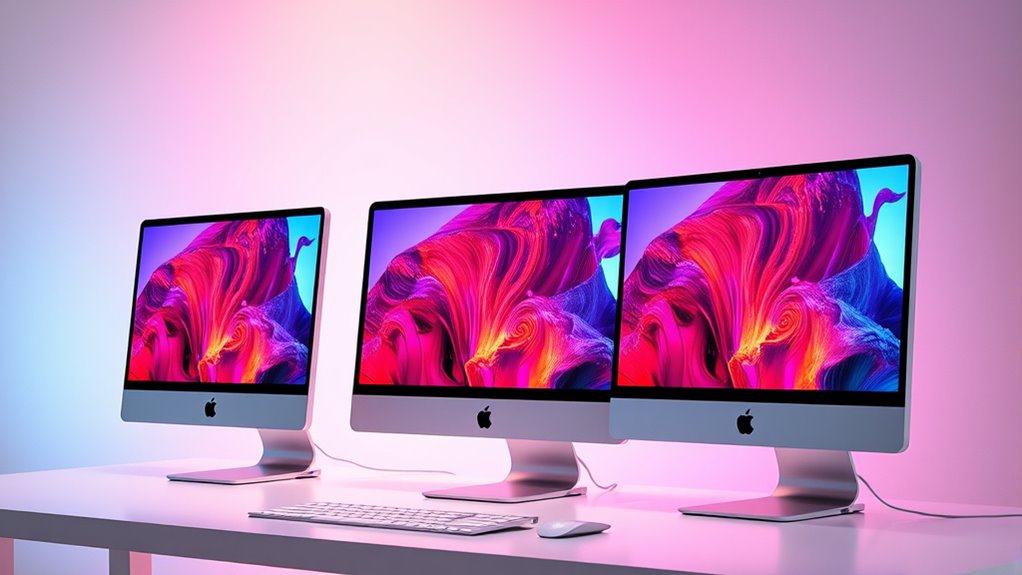

Choosing the right iMac for photography in 2026 involves balancing performance, display quality, storage, and budget. The Apple 2024 iMac with M4 chip and 24-inch Retina display stands out as the best overall, thanks to its powerful processor and stunning visuals. For a more budget-conscious choice, the refurbished 2017 iMac offers solid performance at a lower price, though it lacks the latest features. If you prefer a colorful design with balanced specs, the Blue 2024 iMac provides excellent connectivity and a vibrant display, but with limited storage. Whether you’re editing high-resolution images, managing large photo libraries, or doing color-sensitive work, these options provide different tradeoffs to fit various needs.

Get the latest gadgets delivered free with Prime
- Fast, free delivery on millions of items
- Prime Video, Amazon Music and more included
- Member-only deals all year
Complete the kit



Key Takeaways
- The 2024 iMac with M4 chip offers the best performance for professional photography tasks.
- Storage capacity, especially on the base models, remains a key consideration for large photo libraries.
- Color accuracy and display quality are paramount; all models with Retina displays support high-fidelity editing.
- Budget options like the refurbished 2017 iMac can work for entry-level or casual editing but fall short on power.
- Connectivity options, including Thunderbolt 4 and support for multiple 6K displays, enhance workflow flexibility.


| imac for photographer | Display | Processor | Storage | Memory |
|---|---|---|---|---|
| Apple 2024 iMac All-in-One Des | 24-inch Retina 4.5K | M4 chip with 10-core CPU and GPU | 512GB SSD | 24GB Unified Memory |
| Apple 2024 iMac All-in-One Des | 24-inch Retina 4.5K | M4 chip with 8-core CPU and GPU | 256GB SSD | 16GB Unified Memory |
| Apple 2024 iMac All-in-One Des | 24-inch Retina 4.5K | M4 chip with 8-core CPU and GPU | 256GB SSD | 16GB Unified Memory |
| Apple 2024 iMac All-in-One Des | 24-inch Retina 4.5K | M4 chip with 10-core CPU and GPU | 512GB SSD | 24GB Unified Memory |
| Apple 2017 iMac with 2.3GHz In | 21.5-inch | 2.3GHz Intel Core i5 | 256GB SSD | — |
More Details on Our Top Picks
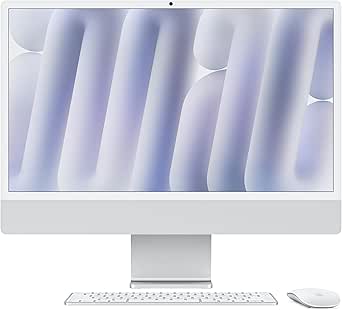
Apple 2024 iMac All-in-One Desktop Computer with M4 Chip, 24-inch Retina Display, 24GB Memory, 512GB SSD – Silver
This iMac with M4 chip and 24-inch Retina display is the top choice for photographers who demand speed and stunning visuals. Its 10-core CPU and GPU deliver rapid rendering and editing, while the vibrant 4.5K display supports over a billion colors, ensuring accurate color grading. The 24GB of unified memory helps handle large files comfortably. Compared to lower-spec models, this version offers more memory and performance headroom, making it ideal for demanding workflows. Its sleek design and seamless Apple ecosystem integration add to its appeal. The main drawback is its premium price and limited storage—512GB can fill quickly with high-resolution images, requiring external drives for larger libraries.
Pros:- Exceptional processing power with M4 chip
- Vivid 24-inch Retina display supporting high color fidelity
- Seamless Apple ecosystem integration
Cons:- High cost compared to other options
- Limited internal storage for large photo libraries
- No upgrade options post-purchase
Best for: Professional photographers needing top-tier performance and display quality
Not ideal for: Budget-conscious users or those with extensive large libraries without external storage
- Display:24-inch Retina 4.5K
- Processor:M4 chip with 10-core CPU and GPU
- Memory:24GB Unified Memory
- Storage:512GB SSD
- Color:Silver
- Dimensions:21.54 x 5.79 x 18.15 inches
- Weight:9.77 pounds
- Ports:Up to four Thunderbolt 4
- Connectivity:Wi-Fi 6E, Bluetooth 5.3
Our verdict“The best choice for pros who prioritize performance and display fidelity over cost.”
Apple 2024 iMac All-in-One Desktop Computer with M4 Chip, 24-inch Retina Display, 16GB Memory, 256GB SSD, Pink
This pink 2024 iMac with M4 chip offers a vibrant, eye-catching design with solid performance for everyday editing and creative work. Its 8-core CPU and GPU deliver quick responsiveness, and the 24-inch Retina display provides impressive visuals for photo editing. The 16GB of memory supports multitasking, while the 256GB SSD is suitable for users with smaller photo libraries or those who offload files regularly. Compared to the higher-spec models, this one sacrifices some performance and storage capacity but remains highly capable for hobbyists or casual professionals. Its support for two 6K displays and excellent connectivity make it versatile, though the limited internal storage can be a bottleneck for large projects.
Pros:- Vibrant color options and sleek design
- Strong performance with M4 chip
- Excellent connectivity including support for multiple displays
Cons:- Limited internal storage at 256GB
- Premium price for the specs
- Less future-proof than higher-end models
Best for: Photographers seeking a colorful, stylish machine for moderate editing tasks
Not ideal for: Power users with large libraries or demanding workflows requiring extensive storage
- Display:24-inch Retina 4.5K
- Processor:M4 chip with 8-core CPU and GPU
- Memory:16GB Unified Memory
- Storage:256GB SSD
- Color:Pink
- Connectivity:Wi-Fi 6E, Bluetooth 5.3, Thunderbolt 4, supports two 6K displays
Our verdict“A stylish, capable choice for casual and semi-professional photographers who value aesthetics and decent performance.”
Apple 2024 iMac All-in-One Desktop Computer with M4 Chip, 24-inch Retina Display, 16GB Memory, 256GB SSD, Blue
This blue 2024 iMac provides a strong balance of performance and expandability with its M4 chip and vivid Retina display. Its 8-core CPU and GPU are well-suited for editing workflows, while the 16GB memory ensures smooth multitasking. The 24-inch display supports up to a billion colors and high brightness, essential for color-sensitive work. The inclusion of four Thunderbolt 4 ports and support for two 6K displays makes it a flexible option for photographers who need multiple high-resolution monitors. The main downside is the limited storage at 256GB, which can be restrictive for large photo collections. This model is ideal for users who need connectivity and display flexibility but don’t want to overspend on storage.
Pros:- Excellent connectivity options including four Thunderbolt 4 ports
- Vivid, high-brightness Retina display
- Support for multiple high-resolution external displays
Cons:- Limited internal storage at 256GB
- High price for its feature set
- No dedicated GPU options
Best for: Photographers who value connectivity and display flexibility with decent performance
Not ideal for: Photographers with very large libraries or those who need extensive onboard storage
- Display:24-inch Retina 4.5K
- Processor:M4 chip with 8-core CPU and GPU
- Memory:16GB Unified Memory
- Storage:256GB SSD
- Color:Blue
- Connectivity:Wi-Fi 6E, Bluetooth 5.3, four Thunderbolt 4, supports two 6K displays
Our verdict“Ideal for photographers needing multiple high-res displays and flexible connectivity, but not suited for large local libraries.”
Apple 2024 iMac All-in-One Desktop Computer with M4 Chip, 24-inch Retina Display, 24GB Memory, 512GB SSD, Blue
This blue 2024 iMac with 24GB RAM and 512GB SSD is tailored for photographers working with large or complex files. Its 10-core CPU and GPU provide rapid rendering and editing, while the 24-inch Retina display supports over a billion colors with high brightness, making color grading precise. The 512GB SSD offers more breathing room for sizable photo collections. The sleek design and seamless Apple ecosystem make it a strong contender for professional workflows. The main concern is its premium price point, which might be steep for hobbyists or casual users. Its high performance and storage make it a future-proof choice, especially for those who prioritize speed and capacity.
Pros:- Powerful 10-core CPU and GPU
- Large 512GB SSD for heavy workflows
- Vivid display with high brightness and color fidelity
Cons:- High cost compared to other models
- Limited to Apple ecosystem, less flexible for peripherals
- No upgrade options for storage or RAM
Best for: Professionals and serious hobbyists with extensive storage needs
Not ideal for: Entry-level photographers or those on a tight budget
- Display:24-inch Retina 4.5K
- Processor:M4 chip with 10-core CPU and GPU
- Memory:24GB Unified Memory
- Storage:512GB SSD
- Color:Blue
- Dimensions:21.54 x 5.79 x 18.15 inches
- Weight:9.72 pounds
- Connectivity:Wi-Fi 6E, Bluetooth 5.3, up to four Thunderbolt 4, supports two 6K displays
Our verdict“A high-performance, large-storage iMac suited for demanding photography workflows, though at a premium price.”
Apple 2017 iMac with 2.3GHz Intel Core i5, 21.5-inch, 8GB RAM, 256GB SSD (Renewed)
This refurbished 2017 iMac offers a more affordable entry point for basic photo editing and light workflow needs. Its 21.5-inch display and 2.3GHz Intel Core i5 processor are adequate for casual editing, but it falls behind in speed and display quality compared to newer models. The 8GB RAM limits multitasking and handling large files, and the 256GB SSD may require external storage for larger libraries. While it’s a good deal for those on a tight budget or starting out, it lacks the raw power, display fidelity, and future-proofing of recent Macs. Accessories are not original, and it might not support the latest software updates for long.
Pros:- Affordable refurbished option
- Good SSD performance for its age
- In decent cosmetic condition with minimal imperfections
Cons:- Outdated processor and RAM limitations
- Small internal storage for large libraries
- Not compatible with the latest software updates long-term
Best for: Beginners and hobbyists with small photo libraries
Not ideal for: Professional photographers or those working with large, high-res images regularly
- Processor:2.3GHz Intel Core i5
- Display:21.5-inch
- RAM:8GB
- Storage:256GB SSD
- Condition:Renewed
Our verdict“A budget-friendly choice for casual photographers, but not suitable for demanding professional workflows.”

How We Picked
Our selection process focused on the core needs of photographers: display quality, processing power, color accuracy, expandability, and value. We prioritized Apple’s latest M4 chip-powered models for their speed and efficiency, especially in handling large files and editing workflows. The comparison also considers storage options, connectivity, and design, ensuring each pick serves a distinct user profile. Older or refurbished models were included for those seeking affordability, but they come with notable tradeoffs in performance and future-proofing. Each product was evaluated against these criteria to match different types of photography workflows and budgets.
| imac for photographer | Color | Connectivity |
|---|---|---|
| Apple 2024 iMac All-in-One Des | Silver | Wi-Fi 6E, Bluetooth 5.3 |
| Apple 2024 iMac All-in-One Des | Pink | Wi-Fi 6E, Bluetooth 5.3, Thunderbolt 4, supports two 6K displays |
| Apple 2024 iMac All-in-One Des | Blue | Wi-Fi 6E, Bluetooth 5.3, four Thunderbolt 4, supports two 6K displays |
| Apple 2024 iMac All-in-One Des | Blue | Wi-Fi 6E, Bluetooth 5.3, up to four Thunderbolt 4, supports two 6K displays |
| Apple 2017 iMac with 2.3GHz In | — | — |
Factors to Consider When Choosing Imac For Photographers
When selecting an iMac for photography in 2026, your primary focus should be on display quality, processing power, and storage capacity. Photographers require accurate color reproduction and high resolution for editing and proofing. Processing power impacts how smoothly you can work with large files and perform complex edits. Storage needs vary depending on your workflow—large libraries demand more internal space or external solutions. Budget considerations influence whether you opt for the latest models or refurbished older versions. Compatibility with your existing setup and future-proofing also play a role in making the best choice.Display Quality and Color Accuracy
For photographers, a display with high resolution, wide color gamut, and high brightness levels is essential. The Retina displays on newer iMacs consistently support over a billion colors, providing the color fidelity needed for professional editing. While all models here offer 4.5K Retina screens, the newer M4-based models have the edge in brightness and color accuracy, making them better suited for demanding color grading tasks.
Processor and Performance
The M4 chip in the latest iMacs delivers significant performance gains over older Intel-based models, especially for handling large RAW files, batch processing, and rendering. For casual editing, a less powerful CPU may suffice, but professionals will benefit from the speed and efficiency of the M4. The choice depends on workload intensity and budget constraints.
Storage Capacity
Large photo libraries require substantial storage. The base models with 256GB SSD can be restrictive unless complemented by external drives, while models with 512GB or 24GB RAM offer more breathing room. Consider your current library size and future growth when choosing internal storage, balancing cost against convenience.
Connectivity and Expandability
Multiple Thunderbolt 4 ports and support for high-resolution external displays are vital features for professional workflows. The newer iMacs with four Thunderbolt ports and support for two 6K displays allow flexible setups, enabling multiple monitors and fast data transfer—both valuable for editing large images efficiently.
Budget and Future-Proofing
While the latest models provide cutting-edge performance and features, they come at a premium. Refurbished or older models can be affordable options for hobbyists but might lack the speed and compatibility needed for demanding professional tasks. Assess your long-term needs and budget to choose the right balance.
Frequently Asked Questions
Is the Retina display necessary for professional photography?
Absolutely. A Retina display with high resolution and support for a wide color gamut ensures accurate color representation and sharp detail, which are essential for professional editing and color grading. All modern iMacs in this lineup support these features, making them suitable for serious work.
How much storage do I need for large photo libraries?
It depends on your workflow, but generally, 512GB or more is recommended for large collections of RAW files and high-resolution images. Many professionals prefer models with 512GB or higher, or rely on external drives to store their libraries, especially if working with multiple high-res files regularly.
Does more RAM significantly improve photo editing performance?
Yes. More RAM allows for smoother multitasking and handling of large files, reducing lag and processing times. For most professional workflows, 16GB is the minimum, with 24GB or more offering even better performance when working with complex projects or multiple applications open simultaneously.
Are older or refurbished iMacs viable options?
Refurbished models like the 2017 iMac can be suitable for entry-level or casual photographers on a budget. However, they lack the processing power, display technology, and future software support of newer models. For demanding workflows, investing in the latest hardware is often more cost-effective in the long run.
What connectivity features should I look for?
Multiple Thunderbolt 4 ports, support for high-resolution external displays, and fast Wi-Fi (like Wi-Fi 6E) are valuable for professional photographers. These features facilitate faster data transfer, multiple monitor setups, and seamless peripheral integration, enhancing overall efficiency.
Conclusion
For professional photographers with demanding workflows and large libraries, the Apple 2024 iMac with M4 chip and 24GB RAM remains the best investment. Hobbyists or those with smaller libraries may find the refurbished 2017 iMac or the Pink or Blue 2024 iMacs more budget-friendly, with the latter offering vibrant aesthetics and good connectivity. If display fidelity and future-proofing are priorities, sticking with the latest models is advisable, but budget-conscious users should weigh the performance tradeoffs carefully.
Fall Picks
fall essentials
As an affiliate, we earn on qualifying purchases.