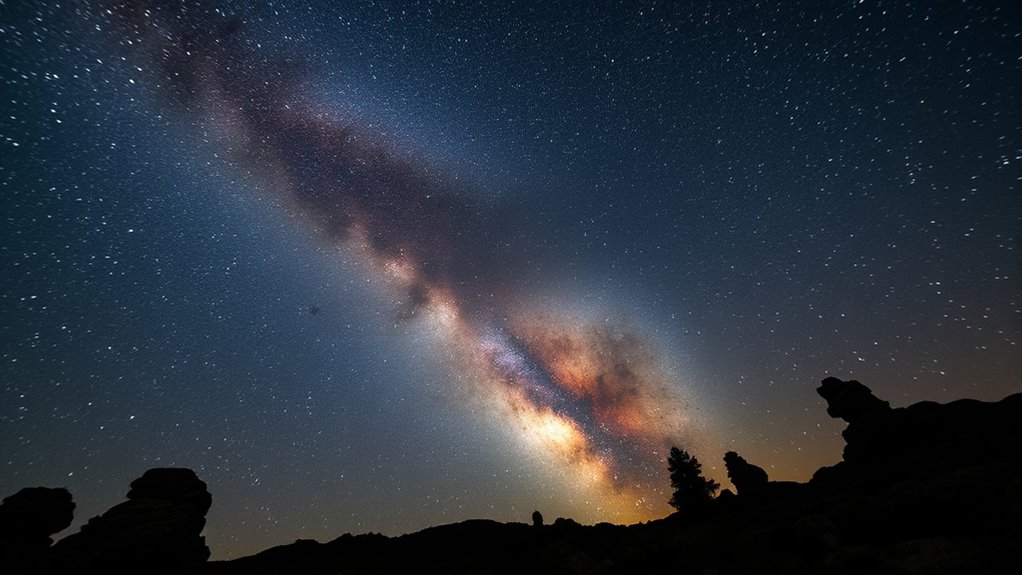

Capturing the Milky Way requires the right lens—ideally, one that offers an ultra-wide field of view, a fast aperture, and minimal distortion. Among the top picks, the Laowa 10mm f/2.8 Zero-D stands out for its near-zero distortion and bright aperture, making it ideal for expansive nightscapes. The Viltrox AF 14mm f/4 is an excellent lightweight choice for those who prioritize portability and autofocus, though its slower f/4 limits low-light performance. For budget-conscious astrophotographers, the Rokinon FE14M-C offers a fast f/2.8 aperture and edge-to-edge sharpness, but manual focus can be a challenge for some users. Each of these lenses balances different tradeoffs—such as aperture speed, autofocus, and size—that influence its suitability for Milky Way photography.

Get the latest gadgets delivered free — and shop member deals
- Fast, free delivery on millions of items
- Access to Prime Big Deal Days deals on October 6–7
- Prime Video, Amazon Music and more included
Complete the kit



Key Takeaways
- Ultra-wide angles (10-14mm) maximize sky coverage for astrophotography.
- Fast apertures (f/2.8) improve low-light performance, but often add size and weight.
- Autofocus lenses favor quick setup, though manual focus options often deliver better optical quality.
- Weight and size are key considerations for portability during outdoor night shoots.
- Distortion control varies, with some lenses offering near-zero distortion ideal for straight-line compositions.
| Laowa 10mm f/2.8 Zero-D Auto Focus Ultra-Wide Angle Lens for Sony FE Full-Frame |  | Best Overall for Minimal Distortion and Bright Aperture | Focal Length: 10mm | Max Aperture: f/2.8 | Mount: Sony FE | VIEW ON AMAZON | See Our Full Breakdown |
| Viltrox AF 14mm f/4 Air Prime Full-Frame Lens for Sony FE Mount |  | Best Lightweight Autofocus Option | Focal Length: 14mm | Max Aperture: f/4 | Mount: Sony E | VIEW ON AMAZON | See Our Full Breakdown |
| Rokinon FE14M-C 14mm f/2.8 Ultra Wide Lens for Canon EF |  | Best Budget Manual Focus for Serious Nightscapers | Focal Length: 14mm | Max Aperture: f/2.8 | Mount: Canon EF | VIEW ON AMAZON | See Our Full Breakdown |
| TTArtisan 14mm f/2.8 Full Frame Ultra-Wide Angle Lens for Leica L Mount Cameras |  | Best Compact Manual Focus for Travel and Nightscapes | Focal Length: 14mm | Max Aperture: f/2.8 | Mount: Leica L | VIEW ON AMAZON | See Our Full Breakdown |
| Canon RF16mm F2.8 STM Ultra Wide-Angle Prime Lens for EOS R Series Mirrorless Cameras |  | Best Compact Auto Focus Lens for Versatile Night Shooting | Focal Length: 16mm | Max Aperture: f/2.8 | Mount: Canon RF | VIEW ON AMAZON | See Our Full Breakdown |
| wide field lenses for milky way photography | Focal Length | Max Aperture | Mount | Angle of View |
|---|---|---|---|---|
| Laowa 10mm f/2.8 Zero-D Auto F | 10mm | f/2.8 | Sony FE | 130.4 degrees |
| Viltrox AF 14mm f/4 Air Prime | 14mm | f/4 | Sony E | 112.6 degrees |
| Rokinon FE14M-C 14mm f/2.8 Ult | 14mm | f/2.8 | Canon EF | 115.7 degrees |
| TTArtisan 14mm f/2.8 Full Fram | 14mm | f/2.8 | Leica L | 114 degrees |
| Canon RF16mm F2.8 STM Ultra Wi | 16mm | f/2.8 | Canon RF | 108 degrees |
More Details on Our Top Picks
Laowa 10mm f/2.8 Zero-D Auto Focus Ultra-Wide Angle Lens for Sony FE Full-Frame
The Laowa 10mm f/2.8 Zero-D is remarkable for its near-zero distortion, a rare feature among wide-angle lenses, which keeps straight lines true without post-processing. Its ultra-wide 130.4° field of view is perfect for capturing expansive night skies, and the bright f/2.8 aperture enhances low-light performance. Compared with other options, it’s more travel-friendly thanks to its compact size and light weight. However, the lens’s manual focus design could be limiting for those seeking autofocus convenience, especially in dynamic shooting conditions. Despite this, its optical construction with ED and aspherical elements ensures sharpness across the frame, making it a top pick for astrophotography.
Pros:- Near-zero distortion maintains straight lines perfectly
- Fast f/2.8 aperture boosts low-light capability
- Compact, lightweight, travel-ready design
- Direct 77mm filter thread simplifies accessory use
Cons:- Manual focus only, less convenient for fast setup
- Limited aperture blades (5) may produce less attractive bokeh
Best for: Astrophotographers seeking minimal distortion and excellent optical quality
Not ideal for: Beginners who prefer autofocus or need quick setup in changing conditions
- Focal Length:10mm
- Max Aperture:f/2.8
- Mount:Sony FE
- Angle of View:130.4 degrees
- Minimum Focus Distance:12cm
- Weight:0.93 lb
Our verdict“This lens is the top choice for those prioritizing optical fidelity and minimal distortion in night sky photography.”
Viltrox AF 14mm f/4 Air Prime Full-Frame Lens for Sony FE Mount
The Viltrox AF 14mm f/4 stands out for its ultra-lightweight design, weighing just 6 ounces, making it ideal for handheld astrophotography or long outdoor shoots. Its 112.6° field of view offers a generous sky coverage, suitable for capturing the Milky Way’s grandeur. Autofocus with STM motor, plus face and eye detection, simplifies nighttime shooting, especially for beginners or those who switch quickly between subjects. However, the slower f/4 aperture can be a limitation in very dark conditions, requiring longer exposures or higher ISO settings. Its optical design includes ED and HR elements that help control aberrations, but it may not match the sharpness of more specialized manual lenses in demanding astrophotography conditions.
Pros:- Extremely lightweight and portable
- Autofocus with face/eye detection simplifies shooting
- Good optical correction with ED and HR elements
- USB-C firmware updates add future-proofing
Cons:- Maximum aperture of f/4 limits low-light performance
- Filters sold separately, adding extra cost
Best for: Photographers seeking a portable, autofocus lens suitable for handheld Milky Way shots
Not ideal for: Night sky purists who need maximum low-light capability or prefer manual focus
- Focal Length:14mm
- Max Aperture:f/4
- Mount:Sony E
- Angle of View:112.6 degrees
- Weight:6oz
- Minimum Focus Distance:5 in
Our verdict“Ideal for travelers and casual astrophotographers who value portability and autofocus over maximum brightness.”
Rokinon FE14M-C 14mm f/2.8 Ultra Wide Lens for Canon EF
The Rokinon FE14M-C offers a fast f/2.8 aperture with a broad 115.7° field of view, making it a compelling choice for astrophotographers on a budget. Its manual focus design demands patience, but it’s built with high-quality aspherical elements that significantly reduce distortion and aberrations, ensuring sharp images from edge to edge. Its durability and built-in petal hood make it suitable for outdoor use, though the weight—over 31 ounces—may be a drawback for extended hikes or handheld shooting. This lens provides excellent value, especially for those comfortable with manual focus, delivering good starry sky images at a lower cost.
Pros:- Fast f/2.8 aperture enhances low-light performance
- Wide 115.7° field of view captures expansive skies
- Edge-to-edge sharpness with minimal distortion
- Built-in lens hood for outdoor protection
Cons:- Manual focus only, less suitable for quick shots
- Heavy weight can be tiring for handheld use
Best for: Budget-conscious astrophotographers who prefer manual focus and sharp optical performance
Not ideal for: Beginners or those who prefer autofocus and lightweight setups
- Focal Length:14mm
- Max Aperture:f/2.8
- Mount:Canon EF
- Angle of View:115.7 degrees
- Weight:31.7 oz
- Closest Focus Distance:10.8 in
Our verdict“A cost-effective, high-quality option for experienced astrophotographers who are comfortable manual focusing.”
TTArtisan 14mm f/2.8 Full Frame Ultra-Wide Angle Lens for Leica L Mount Cameras
The TTArtisan 14mm f/2.8 combines a wide 114° field of view with a compact, full-metal body, weighing around 440 grams. Its f/2.8 aperture performs well in low-light conditions, and dual aspherical elements minimize distortion, making it suitable for Milky Way photography. Its manual focus system, paired with crisp 8-blade sunstars, appeals to photographers seeking a tactile experience and sharp results. However, the lack of image stabilization and weather sealing limits its appeal for harsh outdoor conditions or quick, spontaneous shots. This lens makes sense for those who value portability and manual control in their astrophotography kit.
Pros:- Fast f/2.8 aperture suitable for dark skies
- Lightweight and compact for travel
- Edge-to-edge sharpness with minimal distortion
- Attractive sunstars from 8-blade aperture
Cons:- Manual focus only, requiring skill and patience
- No weather sealing or stabilization
Best for: Travelers and dedicated night sky photographers who prefer manual focus and compact gear
Not ideal for: Users needing autofocus or weather-resistant lenses for rugged environments
- Focal Length:14mm
- Max Aperture:f/2.8
- Mount:Leica L
- Angle of View:114 degrees
- Weight:Approx. 440g
- Aperture Blades:8
Our verdict“A travel-friendly, manual focus lens that offers sharp, wide views suitable for astrophotography on the go.”
Canon RF16mm F2.8 STM Ultra Wide-Angle Prime Lens for EOS R Series Mirrorless Cameras
The Canon RF16mm F2.8 STM is a highly portable choice, combining a bright f/2.8 aperture with a 16mm focal length that offers a 108° view—slightly narrower but still very capable for Milky Way scenes. Its ultra-compact design makes it ideal for vlogging, interior shots, and quick captures of the night sky. The STM autofocus is smooth and quiet, making it well-suited for video work. However, the fixed focal length limits compositional flexibility, and some distortion typical of wide-angle lenses may need correction in post-processing. This lens is perfect for those who prioritize portability and autofocus for casual or multi-purpose night photography.
Pros:- Ultra-compact and lightweight
- Bright f/2.8 aperture for low-light shots
- Quiet autofocus ideal for video
- Close focusing distance for creative shots
Cons:- Narrower field of view compared to 14mm or 10mm options
- No optical stabilization (digital only)
Best for: Vloggers, travelers, and casual astrophotographers prioritizing size and autofocus
Not ideal for: Serious astrophotographers seeking maximum field of view or minimal distortion
- Focal Length:16mm
- Max Aperture:f/2.8
- Mount:Canon RF
- Angle of View:108 degrees
- Minimum Focusing Distance:5.11 inches
- Filter Size:43mm
Our verdict“A versatile, pocket-sized lens that balances night sky photography with everyday usability and video features.”

How We Picked
Our selection process focused on lenses that deliver wide fields of view suitable for Milky Way photography, emphasizing optical quality, aperture speed, and size. We considered compatibility with full-frame cameras, as the larger sensors better capture night sky details. Each lens was evaluated for its distortion control, low-light capabilities, autofocus performance, weight, and overall versatility. We prioritized lenses that strike a balance between image quality and practicality, ensuring options for different budgets and experience levels.
| wide field lenses for milky way photography | Max Aperture | Mount |
|---|---|---|
| Laowa 10mm f/2.8 Zero-D Auto F | f/2.8 | Sony FE |
| Viltrox AF 14mm f/4 Air Prime | f/4 | Sony E |
| Rokinon FE14M-C 14mm f/2.8 Ult | f/2.8 | Canon EF |
| TTArtisan 14mm f/2.8 Full Fram | f/2.8 | Leica L |
| Canon RF16mm F2.8 STM Ultra Wi | f/2.8 | Canon RF |
Factors to Consider When Choosing Wide Field Lenses For Milky Way Photography
Choosing the right wide-angle lens for Milky Way photography involves balancing several key factors. Field of view, aperture speed, weight, and autofocus capabilities all influence your results and convenience. The best lens for you depends on your experience level, typical shooting conditions, and whether portability or optical perfection is your priority. Here, I break down these considerations to help you find the lens that aligns with your goals and shooting style.Field of View and Focal Length
For capturing the Milky Way, a wider field of view—typically between 10mm and 14mm—allows you to encompass more sky, creating dramatic, sweeping nightscapes. Longer focal lengths (like 16mm) can still work, but they narrow the scene, requiring more precise framing. Consider how much of the sky you want to include and whether you prefer to emphasize the stars or incorporate foreground elements.
Aperture Speed
A fast aperture (f/2.8 or wider) is essential for night photography, as it gathers more light and reduces the exposure time needed to capture the stars. Slower apertures (f/4 or f/4.5) can still produce good results but often require longer exposures, increasing the risk of star trails unless you use star-tracking equipment. Keep in mind that faster lenses tend to be larger and more expensive but are worth it for night sky clarity.
Size, Weight, and Portability
If you often shoot outdoors or hike to remote locations, a lightweight, compact lens becomes invaluable. Manual focus lenses tend to be smaller and lighter, but autofocus options add convenience for quick compositions. Consider how much gear you’re willing to carry and whether you prefer a dedicated astrophotography setup or a versatile lens for multiple scenarios.
Optical Quality and Distortion
Distortion can ruin otherwise stunning shots, especially for landscapes and architectural elements in the scene. Lenses like the Laowa 10mm Zero-D excel here with near-zero distortion, making post-processing easier. Others may introduce barrel or pincushion distortion, requiring correction in software. Sharpness across the frame and control of aberrations also play a critical role in the overall quality of your astrophotos.
Frequently Asked Questions
Is a fast aperture necessary for Milky Way photography?
Yes, a fast aperture such as f/2.8 or wider significantly improves your ability to gather enough light during night shoots. It allows for shorter exposure times, reducing star trailing and ensuring sharp images. However, lenses with wider apertures tend to be larger and more costly, so choose one that balances your budget and portability needs.
Should I prefer manual focus or autofocus for astrophotography?
Manual focus is generally preferred for astrophotography because it offers precise control over focus, especially in low-light conditions where autofocus can struggle. Many high-quality astrophotos are taken with manual focus lenses, although autofocus options with quiet motors can be convenient for beginners or quick shots, like the Viltrox 14mm f/4.
How important is distortion control in wide-angle astrophotography?
Distortion can distort the shapes of stars and landscapes, making correction necessary in post-processing. Lenses with minimal distortion, like the Laowa Zero-D, are preferable for clean, professional-looking images. If you plan to include architectural elements or straight lines, choosing a lens with near-zero distortion simplifies editing.
Can I use a regular landscape lens for Milky Way photography?
While you can, specialized wide-angle lenses with faster apertures and minimal distortion generally produce better results. Regular landscape lenses might lack the wide field of view or low-light performance needed to capture the night sky effectively, leading to longer exposures and more post-processing work.
What is the best focal length for Milky Way photography?
Typically, lenses between 10mm and 14mm are ideal, offering wide coverage to capture the expansive sky. Longer focal lengths, like 16mm, can work but require more precise framing. The choice depends on whether you prefer dramatic wide scenes or more focused compositions.
Conclusion
For dedicated astrophotographers who want the best image quality with minimal distortion, the Laowa 10mm f/2.8 Zero-D is the top pick. Those seeking a lightweight, autofocus option should consider the Viltrox AF 14mm f/4, especially for travel and quick setups. Budget-conscious users comfortable with manual focus will find the Rokinon FE14M-C offers excellent optical performance at a lower cost. Meanwhile, the TTArtisan 14mm f/2.8 provides a compact, manual-focus solution for travel and nightscape lovers, and the Canon RF16mm F2.8 is perfect for Canon shooters who want a versatile, portable lens for multiple scenarios. Choose based on your priorities—optical quality, portability, autofocus, or budget—and your specific shooting environment for the best Milky Way results in 2026.
Fall Picks
fall essentials
As an affiliate, we earn on qualifying purchases.