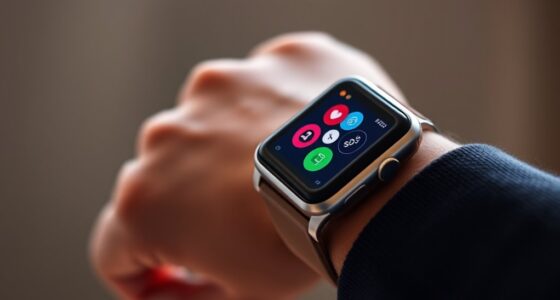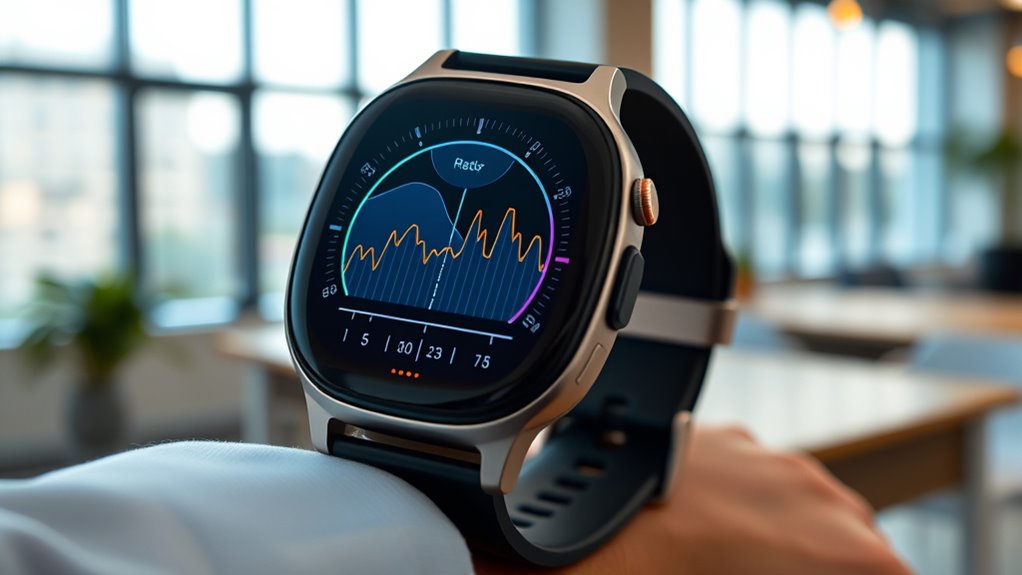

When using cycle tracking on wearables, you should be aware that your personal menstrual data is highly sensitive and needs strong security measures to prevent breaches. Make certain you understand the privacy policies and give explicit consent for data collection, sharing, and storage. While these devices can provide helpful insights, their predictions depend on accurate, consistent logging, and they have limitations. If you want to make sure your privacy and get reliable results, there’s more to take into account as you continue to explore.

Get the latest gadgets delivered free — and shop member deals
- Fast, free delivery on millions of items
- Access to Prime Big Deal Days deals on October 6–7
- Prime Video, Amazon Music and more included
Key Takeaways
- Ensure the wearable’s privacy policy clearly details data collection, storage, and sharing practices for cycle tracking information.
- Obtain explicit user consent before logging sensitive menstrual data and review permission settings regularly.
- Be aware that data sharing with third parties, even anonymized, should be transparent and consensual.
- Accurate cycle predictions depend on consistent, high-quality data entry, but algorithm limitations may affect reliability.
- Use trusted manufacturers with robust security measures to protect sensitive menstrual health data from breaches.
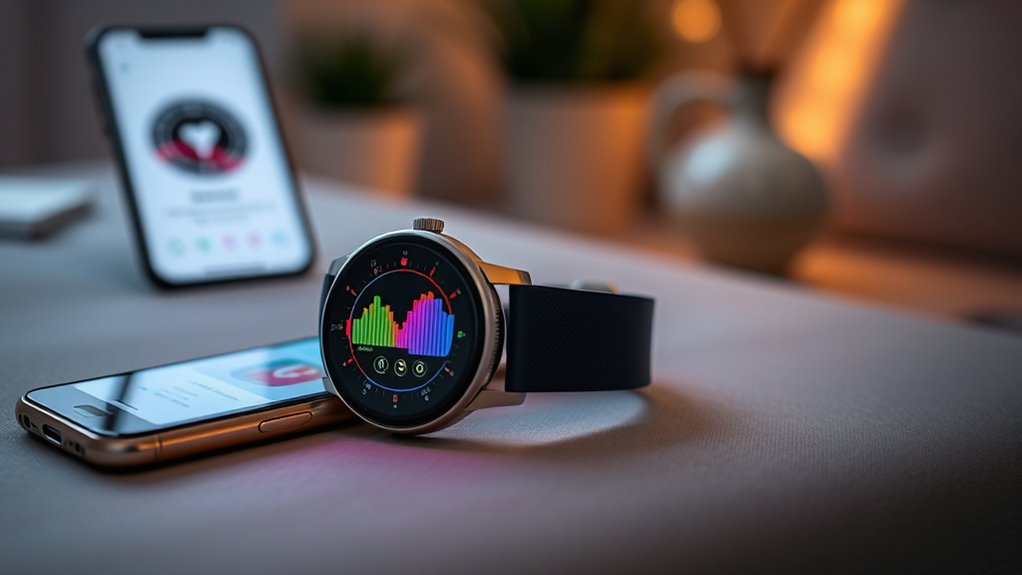
Many wearables now include cycle tracking features that help you monitor your menstrual health more easily. These devices can log your periods, track symptoms, and predict ovulation, giving you valuable insights into your reproductive health. However, as you rely more on these tools, it’s essential to contemplate how your personal data is handled. Data security becomes a critical concern, especially since menstrual information is deeply personal. Manufacturers must implement robust security measures to protect your data from breaches or unauthorized access. It’s wise to review their privacy policies and understand how your information is stored, used, and shared. Trustworthy companies will prioritize your privacy and ensure your data remains confidential. Additionally, your user consent is fundamental. Before you start using a cycle tracking feature, read the terms carefully to see what permissions you’re granting. Many apps and devices ask for your explicit consent to collect, analyze, and sometimes share your data. Being aware of this helps you make informed choices about what information you’re comfortable sharing. If you’re uncomfortable with certain permissions, you should have the option to customize your settings or opt out entirely. It’s also worth noting that some wearables may share anonymized data with third parties for research or product improvement, but this should always be transparent, and your consent should be obtained beforehand.
Understanding the limitations of accuracy in predictions**** is important, as algorithms depend heavily on the quality and consistency of logged data.
menstrual cycle tracking wearable
As an affiliate, we earn on qualifying purchases.
As an affiliate, we earn on qualifying purchases.
Frequently Asked Questions
How Do Wearables Handle Data Sharing With Third Parties?
Wearables handle data sharing with third parties by typically requiring your consent before granting access to your cycle tracking information. They often share data with third-party apps or services to improve features or for targeted advertising. However, it’s essential that you review privacy policies, as some devices may automatically allow third-party access or share data without explicit approval. Always stay informed about how your data is being used and manage your privacy settings accordingly.
Can Cycle Tracking Predict Fertility Windows Accurately?
Yes, cycle tracking can predict fertility windows fairly accurately, especially if your cycle is regular. Wearables analyze your cycle data, such as temperature and hormonal changes, to identify fertile days. However, if your cycle is irregular, predictions may be less reliable. For best results, use consistent tracking and combine it with other fertility indicators. Remember, these tools offer estimates, not guarantees, so consult a healthcare professional for detailed advice.
What Are Common User Concerns About Menstrual Data Security?
You might worry about your menstrual data security, and it’s valid. Common concerns include whether your data is protected through data encryption and if your user consent is truly respected. You want to make certain that your sensitive information stays private, not shared without permission. Always check if the app or device uses strong data encryption methods and if they clearly ask for your consent before collecting or sharing your menstrual data.
Do All Wearables Offer the Same Level of Cycle Tracking Accuracy?
Ever wondered if all wearables offer the same level of cycle tracking accuracy? Not quite. You’ll find that device accuracy varies depending on the brand and model. Some wearables excel at tracking consistency, providing reliable data, while others may have gaps. To get the most precise insights, choose a device known for high wearable accuracy and consistent tracking features. Does your current device meet these standards, or could it be improved?
How Can Users Improve the Privacy of Their Cycle Data?
You can improve your cycle data privacy by enabling data encryption settings on your wearable. Always review and grant user consent carefully before sharing your information, and limit data sharing permissions to trusted apps only. Regularly update your device’s software to guarantee security features stay current. These steps help protect your sensitive information from unauthorized access and maintain your privacy while using cycle tracking features.
As an affiliate, we earn on qualifying purchases.
Conclusion
While cycle tracking on wearables offers valuable insights, some worry about privacy or accuracy. But remember, most devices use strong encryption, so your data stays protected. Plus, recent updates improve accuracy, making your predictions more reliable. So, don’t let concerns hold you back—embrace the convenience and health benefits. With mindful use, wearables can be a helpful tool without sacrificing your privacy or peace of mind.
privacy-focused cycle tracking device
As an affiliate, we earn on qualifying purchases.
As an affiliate, we earn on qualifying purchases.
menstrual health app with data security
As an affiliate, we earn on qualifying purchases.
As an affiliate, we earn on qualifying purchases.
Halloween Picks
halloween
As an affiliate, we earn on qualifying purchases.