TL;DR

Get the latest gadgets delivered free with Prime
- Fast, free delivery on millions of items
- Prime Video, Amazon Music and more included
- Member-only deals all year
A Christchurch-based startup is leveraging smart watch data to enhance its virtual reality therapy for mental health. Confirmed developments include new integration features, with ongoing testing and potential for broader clinical use. The innovation could reshape digital mental health treatments.
A Christchurch-based startup has confirmed it is integrating smart watch technology into its virtual reality therapy platform, aiming to improve treatment outcomes for mental health conditions. This development marks a significant step in combining wearable device data with immersive therapy, and it has attracted attention from mental health professionals and tech industry observers.
The startup, whose name has not been disclosed, revealed that it is now incorporating data from commercially available smart watches into its virtual reality (VR) therapy sessions. This integration allows real-time monitoring of physiological signals such as heart rate, activity levels, and stress indicators, which are then used to tailor virtual environments to individual patient responses.
According to the company, initial testing has shown promising results, with patients experiencing more personalized and adaptive therapy sessions. The firm is currently conducting clinical trials to evaluate the effectiveness of this approach, with plans to expand the technology to broader mental health applications if successful.
Experts note that this innovative use of wearable data could significantly enhance the precision of VR therapy, making treatments more responsive to patient needs and potentially increasing engagement and efficacy. The startup emphasizes that the technology is compatible with popular smart watches, making it accessible and scalable.
Impact of Wearable Tech on Mental Health VR Treatments
This integration of smart watch data into VR therapy could transform digital mental health care by providing more personalized, real-time treatment adjustments. It offers a pathway to more effective therapies, potentially reducing treatment times and improving patient outcomes. If successful, this approach could set new standards for combining wearable health data with immersive therapy, influencing both clinical practices and technological development in mental health services.
As an affiliate, we earn on qualifying purchases.
Background of VR and Wearable Tech in Mental Health
Virtual reality therapy has been increasingly adopted for treating anxiety, PTSD, and other mental health conditions, offering immersive environments that facilitate exposure therapy and relaxation techniques. Simultaneously, smart watches and other wearables have gained popularity for health monitoring, providing continuous physiological data outside clinical settings.
Previous efforts to integrate wearable data into mental health treatment have been limited, often focusing on tracking metrics rather than real-time adaptive therapy. The Christchurch startup’s approach represents a new step, combining these technologies to create more responsive and personalized interventions.
As an affiliate, we earn on qualifying purchases.
Unconfirmed Aspects of Technology Integration and Effectiveness
It is not yet clear how widely the technology will be adopted, or how much the integration will improve treatment outcomes in large-scale clinical settings. Details about the specific algorithms used to interpret wearable data and how they adapt virtual environments remain undisclosed. Additionally, the long-term efficacy of this combined approach has yet to be established through comprehensive trials.
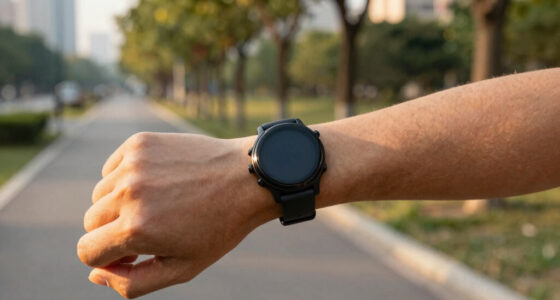
fitness smartwatch with health metrics
As an affiliate, we earn on qualifying purchases.
As an affiliate, we earn on qualifying purchases.
Next Steps for Validation and Broader Deployment
The startup plans to complete ongoing clinical trials within the next year to validate the effectiveness of integrating smart watch data into VR therapy. Pending positive results, it intends to seek regulatory approval and partnerships with healthcare providers to scale the technology. Further research will also explore how different wearable devices and physiological signals can optimize treatment personalization.
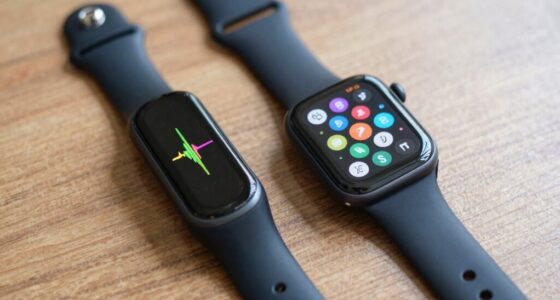
smart watch for mental health monitoring
As an affiliate, we earn on qualifying purchases.
As an affiliate, we earn on qualifying purchases.
Key Questions
How does the smart watch data improve VR therapy?
Real-time physiological signals like heart rate and stress levels help tailor virtual environments to individual patient responses, making therapy more personalized and adaptive.
Is this technology available for general use now?
No, it is currently in testing and clinical trial phases. Broader deployment depends on trial results and regulatory approval, expected within the next year.
Which smart watches are compatible with this system?
The startup states that the system is compatible with popular commercial smart watches, including Apple Watch and Samsung Galaxy Watch, among others.
What mental health conditions could benefit most from this technology?
Conditions such as anxiety, PTSD, and depression are primary targets, as VR therapy is already used for these, and real-time physiological data can enhance treatment responsiveness.
What are the potential risks or limitations?
Risks include data privacy concerns and the need for robust algorithms to accurately interpret physiological signals. Effectiveness across diverse populations still requires validation.
Source: rss
Halloween Picks
halloween
As an affiliate, we earn on qualifying purchases.