TL;DR
FreeOberon, an open-source, cross-platform development environment for the Oberon language, has been released. It aims to provide a Pascal-like programming experience with modern compatibility. The project is currently available for Windows, macOS, and Linux, with ongoing development and community interest.
FreeOberon, an open-source integrated development environment (IDE) and compiler for the Oberon programming language, was officially released on January 11, 2023, offering a cross-platform solution for developers familiar with Pascal-like languages.

Get the latest gadgets delivered free with Prime
- Fast, free delivery on millions of items
- Prime Video, Amazon Music and more included
- Member-only deals all year
The project provides a modern, yet classic, pseudo-graphic interface reminiscent of the traditional Pascal environment, and is compatible with Windows, macOS, and Linux. It includes a console-based compiler called Fob, which supports modular programming and automatic dependency management. The environment is designed to be simple, powerful, and accessible, aiming to rejuvenate interest in Oberon among programmers seeking a lightweight, efficient language.
Developed by a community of enthusiasts, FreeOberon is available via GitHub and the official website, with installation instructions tailored for various Linux distributions and Windows. The environment supports writing, compiling, and running Oberon programs, with features such as error highlighting and multi-module management. The project is currently in alpha, with ongoing updates and community contributions.
Potential Impact on Programming Language Ecosystem
FreeOberon’s release could influence the niche of lightweight, educational, and research-oriented programming languages. By providing an open-source, cross-platform environment for Oberon, it lowers the barrier for new users and educators interested in exploring Pascal-like languages. Its simplicity and power may attract developers seeking alternatives to more complex IDEs, while revitalizing interest in the Oberon language itself, which has historically been influential but less mainstream today.
Products Worth Considering

Samsung 32 Odyssey G5 QHD Gaming Monitor
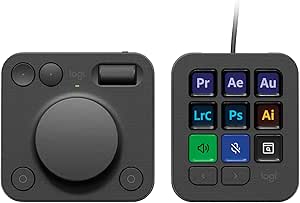
Logitech MX Creative Console with 9 Customizable Keys, Graphite

Jackery HomePower 3000 Portable Power Station, 3072Wh, 3600W
As an affiliate, we earn on qualifying purchases.
Historical and Technical Background of Oberon
The Oberon language was developed in the late 1980s at ETH Zurich by Niklaus Wirth and colleagues as a successor to Pascal and Modula-2, emphasizing simplicity and efficiency. Historically, Oberon has been used mainly in academic and research settings, with limited commercial adoption. Prior to FreeOberon, existing implementations were often platform-specific or outdated, limiting its accessibility. The new project aims to modernize and democratize Oberon development, following trends seen in other open-source language ecosystems.
“FreeOberon aims to revive the Oberon language with a modern, cross-platform environment that is easy to use and maintain.”
— Project Maintainer
Development Stage and Community Adoption Unclear
As of now, FreeOberon remains in alpha, and its long-term stability, feature set, and community adoption are still developing. It is not yet clear how widely it will be adopted or how actively it will be maintained in the future. Feedback from early users and community engagement will be crucial to determine its trajectory.
Upcoming Updates and Community Engagement Plans
The project team plans to release subsequent updates to improve stability, add features, and expand documentation. They also intend to foster a community of users and contributors through forums, tutorials, and collaborative projects. Developers and enthusiasts are encouraged to test the environment, report issues, and contribute code via GitHub to help shape the future of FreeOberon.
Key Questions
What is FreeOberon?
FreeOberon is an open-source, cross-platform IDE and compiler for the Oberon programming language, inspired by Pascal and Modula-2, designed for modern development environments.
Which operating systems does it support?
It supports Windows, macOS, and Linux distributions, with installation instructions tailored for each platform.
Is FreeOberon suitable for beginners?
Yes, its simple interface and modular design make it accessible for learners, especially those interested in Pascal-like languages or academic programming.
How active is the development?
The project is currently in alpha, with ongoing updates. Community involvement and feedback will influence its future development.
Can I contribute to FreeOberon?
Yes, the source code is available on GitHub, and contributions are encouraged to help improve features and stability.
Source: Hacker News