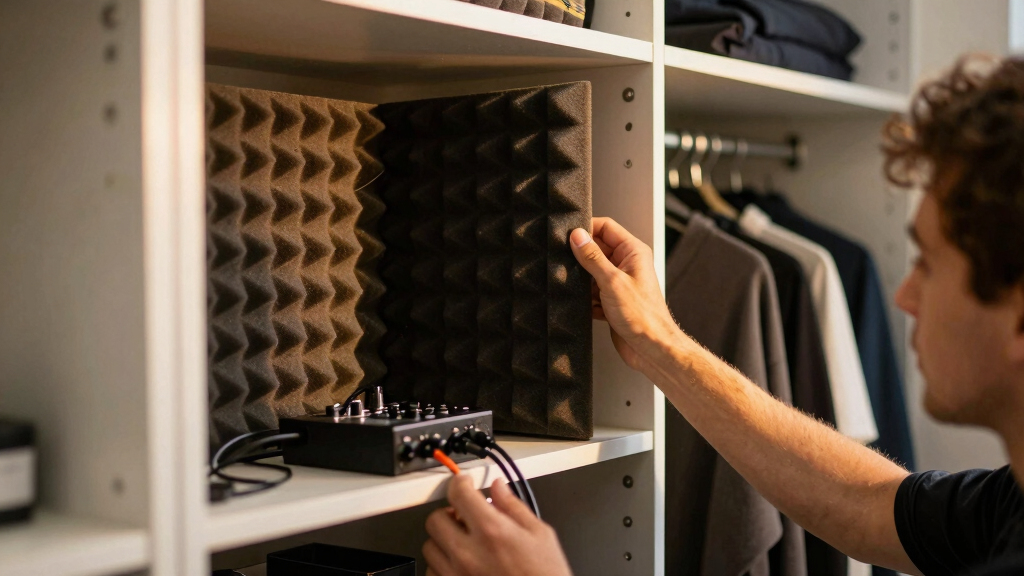

📊 Full opportunity report: Acoustic Dampening, Placement, and the “Rig in the Closet” Setup on ThorstenMeyerAI.com — validation score, market gap, and execution plan.
TL;DR
This article explains how moving AI workstations out of the workspace and using proper ventilation can significantly reduce noise. It covers placement strategies, the ‘rig in the closet’ setup, and the importance of airflow. These methods are more effective than acoustic foam alone.
Moving high-power AI workstations out of the immediate workspace into separate rooms or enclosed cabinets is the most effective way to reduce noise, according to technical experts. This approach, especially the ‘rig in the closet’ setup, offers significant noise reduction without relying solely on acoustic foam or absorption materials.
Experts from ThorstenMeyerAI.com emphasize that the most impactful method to minimize noise from AI rigs is to physically distance the equipment from the user. Placing the workstation in another room, such as a closet or basement, and accessing it remotely via network connections can eliminate noise disturbance entirely. This strategy leverages the fact that noise transmission is most effectively mitigated by separation, rather than absorption.
However, placing a powerful, heat-generating machine in an enclosed space requires careful ventilation. Sealed closets or cabinets can trap heat, causing the equipment to throttle performance or even overheat. To prevent this, active ventilation—such as quiet exhaust fans or ducted airflow—is essential. Purpose-built soundproof cabinets combine acoustic dampening with temperature-controlled airflow, allowing for quiet operation without overheating.
The article notes that acoustic foam, commonly used for soundproofing, is a last resort and only effective against airborne noise within a room, not for reducing structure-borne hum or heat transfer. Mechanical decoupling, like rubber feet or anti-vibration pads, can also help reduce vibrations transmitted through the floor or desk.
Acoustic dampening
& the rig in the closet.
The most powerful noise fix isn’t a material — it’s a floor plan. A rig you can’t hear because it’s in another room beats any amount of foam. Tap the approaches in Part 1 to see what actually works.
(another room)
(levers 1–4)
(door / barrier)
(acoustic foam)
Contain the noise, not the heat
Why Placement and Ventilation Are Key for Quiet AI Setups
Understanding and implementing proper placement and ventilation strategies can dramatically improve the working environment for AI practitioners. Moving the rig into another room or using a dedicated soundproof cabinet not only reduces noise but also prevents overheating, extending hardware lifespan and maintaining performance. This approach is especially relevant for remote or shared workspaces where noise can be disruptive.
Given that many users rely on network access rather than direct interaction with the hardware, the physical location becomes less critical for workflow but highly impactful for noise management. Proper airflow and ventilation are essential to prevent thermal throttling, which can degrade computational performance and increase fan noise.
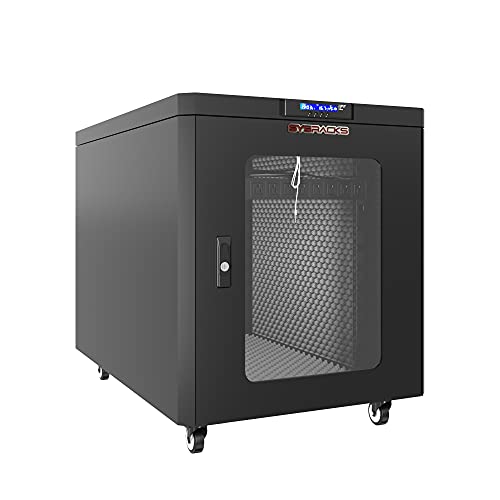
Sysracks Soundproof Server Rack Quiet - Acoustic Sound Proof Cabinet for Servers - Up to 36% Noise Reduction - Locking Server Enclosure - Silent Networking Cabinet - Noise Sound Dampening Box (15U)
- Size: 15U Soundproof Cabinet (26x35x36 inches)
- Air Control: LED screen with 2 fans for temperature and energy saving
- Adjustable Rails: U-Mark rails and shelf for versatile equipment installation
As an affiliate, we earn on qualifying purchases.
As an affiliate, we earn on qualifying purchases.
Effective Noise Reduction Strategies for High-Power AI Workstations
Traditionally, users have relied on acoustic foam and sound barriers to dampen noise from their workstations. However, experts highlight that these methods are less effective than physical separation, such as placing the rig in another room or a dedicated enclosure. The hierarchy of noise mitigation prioritizes distance and isolation over absorption, especially for high-power setups that generate significant heat and airborne noise.
The concept of a 'rig in the closet' has gained popularity as a practical solution, provided that proper ventilation measures are in place. This approach aligns with the broader understanding that airborne and structure-borne noises require different fixes—absorption for the former, mechanical decoupling for the latter—and that heat management is critical in enclosed spaces.
"The most effective way to silence a noisy rig is to put it in another room and access it remotely. Acoustic foam alone won't cut it for high-power setups."
— Thorsten Meyer, AI hardware expert
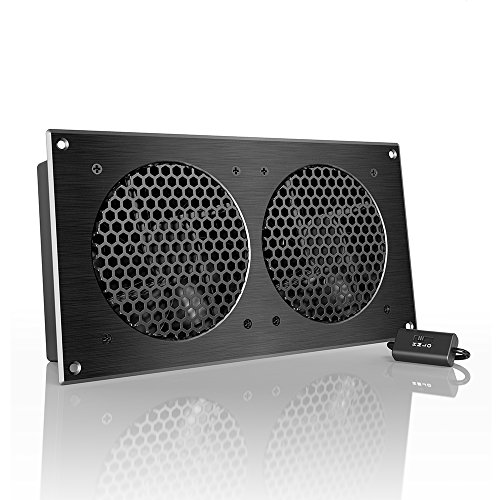
AC Infinity AIRPLATE S7, Quiet Cooling Fan System 12" with Speed Control
- Quiet UL-Certified Fan: Ultra-quiet cooling for cabinets
- Multi-Speed Controller: Adjust fan speed for optimal noise and airflow
- Aluminum Frame: CNC machined with brushed black finish
As an affiliate, we earn on qualifying purchases.
As an affiliate, we earn on qualifying purchases.
Remaining Challenges in Quiet, High-Performance AI Setups
While the benefits of placement and ventilation are clear, specifics about optimal airflow configurations, cost-effective soundproof enclosures, and long-term thermal management are still evolving. The effectiveness of various commercial soundproof cabinets varies depending on setup and environment, and some users report challenges balancing noise reduction with cooling efficiency.
It is also not yet confirmed how different hardware configurations respond to various enclosure designs, or how best to retrofit existing setups for optimal silence and cooling.

24 Pack 2” Thick Pyramid Acoustic Foam, Sound Proof Foam Panels for Walls
- Effective Sound Absorption: Reduces echo and reverberation
- High-Quality Material: Durable, flame-retardant acoustic foam
- Stylish Pyramid Design: Enhances sound diffusion and decor
As an affiliate, we earn on qualifying purchases.
As an affiliate, we earn on qualifying purchases.
Next Steps in Developing Quiet AI Infrastructure
Researchers and hardware manufacturers are expected to continue refining soundproof enclosure designs with integrated cooling solutions. Additionally, new materials and ventilation technologies may improve the balance between noise reduction and heat dissipation. Users are advised to evaluate their specific hardware and workspace conditions to implement the most effective combination of placement and airflow solutions.
Further studies and product innovations will clarify best practices, making quiet, high-performance AI workstations more accessible and easier to implement.

Duttek Mini DP 4K EDID Dummy Plug Virtual Display Emulator, Mini DisplayPort Headless Ghost Monitor Adapter for Headless PC Remote Access Mining Workstation 2 Pack
- Virtual Ghost Monitor for 4K Display: Preprogrammed EDID chip simulates 4K display
- Compact Aluminum Design: Durable housing with blue LED indicator
- Plug and Play Compatibility: No drivers needed for Windows, Mac, Linux
As an affiliate, we earn on qualifying purchases.
As an affiliate, we earn on qualifying purchases.
Key Questions
Is placing my AI rig in a closet enough to eliminate noise?
Placing the rig in a closet can significantly reduce noise if proper ventilation is provided. Without airflow, heat buildup can cause overheating and performance issues.
What are the best ways to ventilate an enclosed AI workstation?
Active ventilation with quiet exhaust fans, ducted airflow, or purpose-built soundproof cabinets with temperature control are recommended for effective cooling.
Does acoustic foam help if my rig is in another room?
No, acoustic foam mainly dampens airborne sound within a room. It does not prevent noise transmission through walls or structural vibrations.
Can I retrofit my existing setup for better noise control?
Yes, adding anti-vibration pads, improving ventilation, and moving the rig to a separate room or enclosure can enhance noise reduction and thermal management.
Source: ThorstenMeyerAI.com