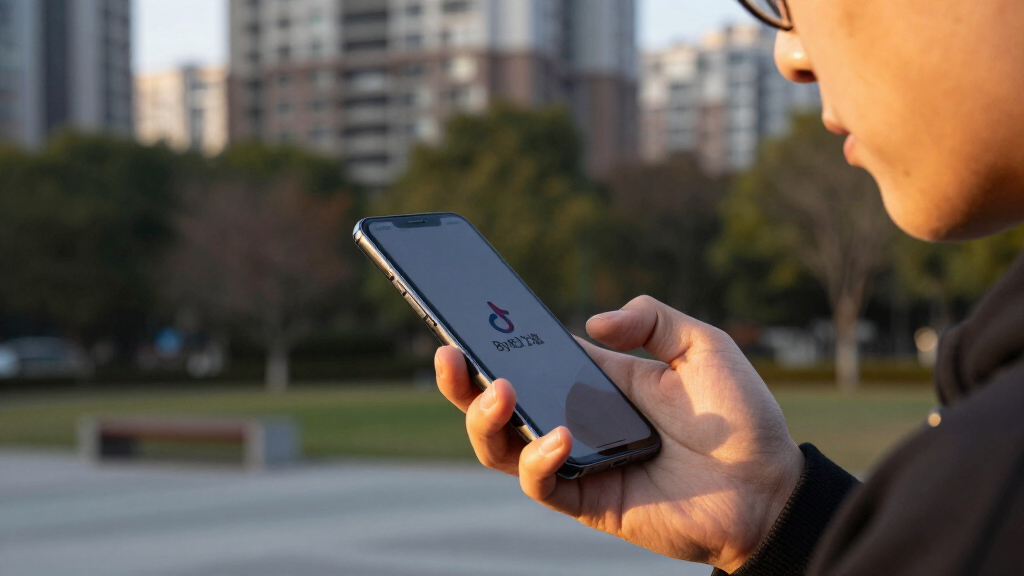

📊 Full opportunity report: ByteDance’s AI Model Restrictions In 2023: An Unrelated Regulatory Move? on ThorstenMeyerAI.com — validation score, market gap, and execution plan.

Get the latest gadgets delivered free with Prime
- Fast, free delivery on millions of items
- Prime Video, Amazon Music and more included
- Member-only deals all year
TL;DR
A recent report states ByteDance prohibited distilling rival AI models starting in 2023, prior to U.S. regulatory concerns. The policy’s scope and enforcement details are still unknown, raising questions about its origins.
A report indicates that ByteDance implemented a ban on the distillation of rival AI models as early as 2023, and this restriction was not introduced as a response to U.S. regulatory concerns. The report emphasizes that the policy predates current debates about Chinese AI companies’ use of competing systems’ outputs, suggesting an internal decision rather than a reaction to external pressure. For more context, see the detailed coverage on this topic.
The report’s main finding is that ByteDance’s restriction on model distillation was established in 2023, before heightened U.S. scrutiny of Chinese AI firms. Unlike previous assumptions linking the ban to regulatory pressure, the report states it was an internal policy decision, though it does not specify the reasons behind it. The scope of the ban remains unclear, including whether it covers all rival models, specific uses like training or evaluation, or particular types of data collection. This situation highlights the importance of understanding internal policies in AI development.
There is no available official policy document or internal communication confirming the ban, nor details on enforcement practices or penalties. The report does not specify which teams or products are affected, nor does it clarify whether the policy has been revised since its inception. The lack of concrete evidence or official statements leaves the exact motivations and scope uncertain, although the timing suggests an internal strategic decision rather than a reactive measure.
Implications of ByteDance’s 2023 Model Restriction
This development suggests that ByteDance’s decision to restrict rival AI model distillation may have been driven by internal research standards, intellectual property concerns, or competitive strategies, rather than external regulatory pressures from the U.S. or other authorities. If the restriction limits access to high-quality data for training or evaluation, it could influence the company’s AI development pace and model quality. The timing also challenges narratives that link the ban solely to U.S. regulatory scrutiny, indicating a more complex internal motivation that could impact global AI development strategies.
As an affiliate, we earn on qualifying purchases.
Background on ByteDance’s AI Policy Developments
Prior to this report, there was limited public information about ByteDance’s internal policies regarding AI model training and data sourcing. The company has been a significant player in the AI space, especially in generative models, but details about its internal restrictions have been scarce. The report’s claim that the ban dates back to 2023 places it in the context of rapid AI development across the industry, when many firms were exploring model training, evaluation, and data collection practices. The absence of official documentation or public statements makes it difficult to verify the scope or enforcement of the policy.
“The restriction on rival model distillation appears to have been an internal policy established in 2023, independent of U.S. regulatory pressures.”
— an anonymous researcher
machine learning model development kit
As an affiliate, we earn on qualifying purchases.
As an affiliate, we earn on qualifying purchases.
Unconfirmed Aspects of ByteDance’s Model Ban
It is not yet clear what specific models or uses are covered by the ban, how the policy was communicated internally, or whether enforcement has been strict. The reasons behind the policy’s adoption and whether it has been revised since 2023 remain unknown. Additionally, the link between the policy and external regulatory pressures is based on the report’s attribution, not on direct evidence from ByteDance.
As an affiliate, we earn on qualifying purchases.
Next Steps for Clarifying ByteDance’s AI Policies
Further investigation could reveal the exact scope and enforcement of the ban, including official policy documents or statements from ByteDance. Industry analysts and regulators may also scrutinize whether the restriction continues to influence ByteDance’s AI development strategies. Future disclosures could clarify whether the policy remains in force and how it affects the company’s access to data and model training practices.
As an affiliate, we earn on qualifying purchases.
Key Questions
Did ByteDance’s ban on rival AI models originate in 2023?
According to a recent report, yes. The restriction is said to have been established in 2023, prior to U.S. regulatory concerns.
The report claims the ban was unrelated to U.S. regulatory concerns, but official documentation supporting this is not yet available.
What exactly does the ban cover?
The scope of the restriction—such as specific models, uses, or data types—is not publicly disclosed, and remains unclear.
Has ByteDance officially announced this policy?
No, there has been no public statement or official policy document confirming the ban or its scope.
How might this policy affect ByteDance’s AI development?
If the ban limits access to rival models or data, it could slow the pace of innovation or affect model quality, but specific impacts are not yet known.
Source: ThorstenMeyerAI.com
Fall Picks
fall essentials
As an affiliate, we earn on qualifying purchases.