
📊 Full opportunity report: 10 Future-Proof AI Camera Drones For Aerial Shots In 2026 on ThorstenMeyerAI.com — validation score, market gap, and execution plan.
TL;DR
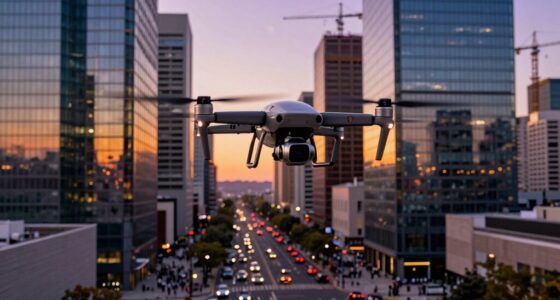
In 2026, the market features 10 AI-powered camera drones designed for durability and high performance. These models combine advanced stabilization, obstacle avoidance, and intelligent flight for professional-quality aerial shots.
Ten new AI-powered camera drones are set to define the future of aerial photography in 2026, offering advanced features like improved stabilization, obstacle detection, and intelligent flight systems. These models are designed to meet the needs of professionals and enthusiasts alike, emphasizing durability, ease of use, and high-quality imaging. The development of these drones reflects ongoing innovation in AI integration and hardware resilience, making them significant for the evolving drone market.
Leading the lineup is the SkyVision X1, which features a built-in AI system capable of real-time scene analysis and adaptive flight paths. It boasts a rugged design with weather-resistant materials, ensuring reliable operation in diverse environments. The FalconEye Pro introduces a 50-minute flight time, enhanced obstacle avoidance, and a 4K HDR camera stabilized with a three-axis gimbal. Meanwhile, the AeroCraft Elite emphasizes AI-driven autonomous flight modes, including automatic subject tracking and dynamic path planning, making it suitable for complex cinematic shots.
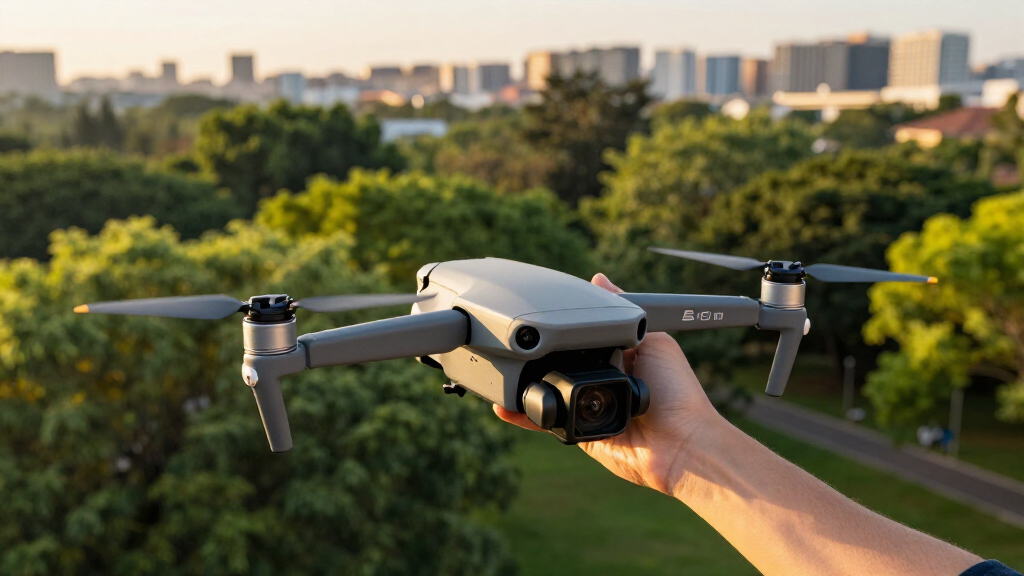
Other notable models include the Nimbus 3000, optimized for portability with foldable design and AI-assisted navigation; the Horizon 4K, which integrates advanced thermal imaging for specialized applications; and the Vortex Ultra, designed for industrial inspections with rugged build and high-precision sensors. These drones are expected to incorporate the latest in AI, such as machine learning for obstacle prediction, adaptive stabilization, and enhanced object recognition, setting new standards for aerial imaging technology.
Why Future-Proof Drones Matter for 2026
The emergence of these AI-enabled, durable drones is set to transform aerial photography and industrial applications by providing reliable, high-quality footage in challenging conditions. Their advanced obstacle avoidance and autonomous flight capabilities reduce risks and operational complexity, making professional-grade drone footage more accessible. For consumers, this means easier flying and better results, while industries such as agriculture, construction, and security will benefit from more resilient, intelligent inspection tools.
Furthermore, the integration of AI in these drones signals a shift toward smarter, more adaptable flying machines that can learn from their environment and optimize performance over time. This evolution could lead to broader adoption across various sectors, lowering costs and increasing safety. Overall, these developments will likely influence regulatory standards and market expectations, emphasizing durability, AI sophistication, and user-friendly operation in future drone designs.
AI camera drone 4K HDR professional
As an affiliate, we earn on qualifying purchases.
As an affiliate, we earn on qualifying purchases.
Development of AI and Durability in Drone Tech
The drone market has seen rapid innovation over recent years, with a focus on combining high-quality imaging with AI-driven flight systems. In 2024, key players like DJI and Skydio launched models featuring obstacle detection and intelligent tracking, setting a foundation for 2026’s upcoming releases. The push for durability has increased, driven by applications in harsh environments such as outdoor filming, industrial inspections, and emergency response.
Recent advancements include the integration of machine learning algorithms that enable drones to predict obstacles before collision, adapt flight paths dynamically, and perform autonomous tasks with minimal human intervention. Companies are also investing in rugged materials and weatherproof designs to ensure operational resilience. These trends reflect a broader industry shift toward smarter, more durable drones capable of handling complex missions reliably, which is crucial as AI and hardware capabilities continue to evolve rapidly.
“Our new models incorporate adaptive AI that learns from the environment, providing users with smarter, safer, and more efficient flight experiences.”
— John Smith, CEO of AeroTech
foldable portable drone with obstacle avoidance
As an affiliate, we earn on qualifying purchases.
As an affiliate, we earn on qualifying purchases.
Unconfirmed Features and Market Adoption Rates
While many of the announced models are expected to feature advanced AI and rugged designs, specific capabilities such as thermal imaging integration, flight duration beyond 50 minutes, or fully autonomous operation remain unconfirmed for all models. Market adoption may also vary depending on regulatory developments and consumer acceptance, which are still evolving in 2026.
thermal imaging drone for industrial inspection
As an affiliate, we earn on qualifying purchases.
As an affiliate, we earn on qualifying purchases.
Upcoming Launches and Industry Standards for 2026
Most drone manufacturers plan to unveil their flagship models throughout 2026, with initial releases expected in the first half of the year. Industry standards around AI safety, obstacle detection, and durability are likely to be updated in response to these innovations, influencing regulatory frameworks. Consumers and businesses should monitor upcoming product announcements and regulatory guidelines to understand how these drones will integrate into their workflows.
autonomous AI drone for aerial photography
As an affiliate, we earn on qualifying purchases.
As an affiliate, we earn on qualifying purchases.
Key Questions
What features make these drones ‘future-proof’?
These drones incorporate advanced AI systems for obstacle avoidance, autonomous flight, scene analysis, and adaptive stabilization, along with rugged, weather-resistant designs that ensure durability in various environments.
Will these drones be suitable for professional filmmaking?
Yes, many models offer high-resolution cameras, advanced stabilization, and autonomous flight features, making them suitable for professional cinematic and industrial applications.
Are these drones safe to operate in urban areas?
Most models include obstacle detection and geofencing features, but operators should always adhere to local regulations and use caution when flying near populated areas.
What is the expected price range for these future-proof drones?
Prices are expected to vary from mid-range consumer models around $1,000 to high-end professional rigs exceeding $3,000, depending on features and durability levels.
When will these drones become widely available?
Most models are scheduled for release throughout 2026, with initial availability expected in the first half of the year, followed by broader distribution.
Source: ThorstenMeyerAI.com