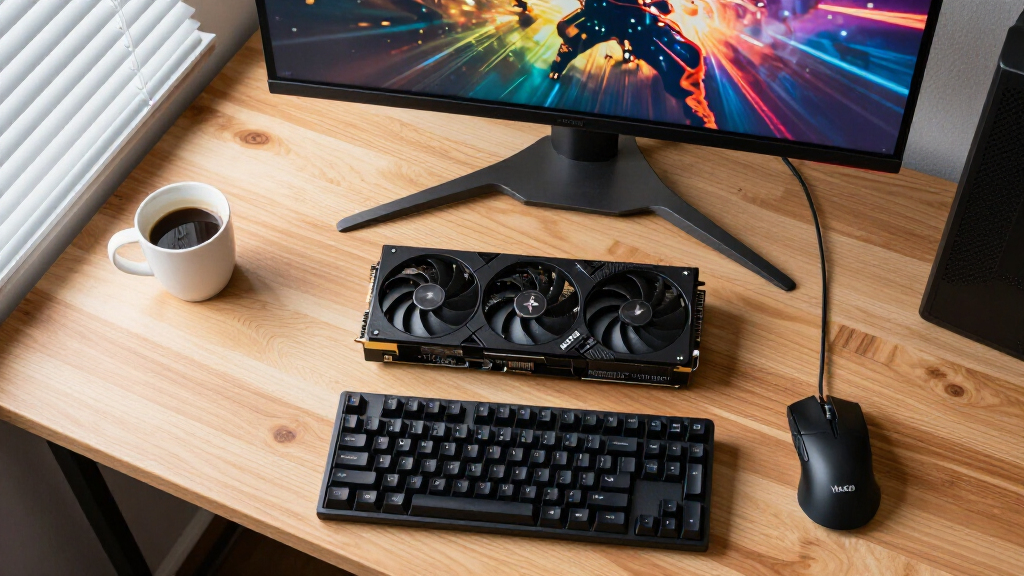

For gamers and content creators aiming to leverage DLSS 5, choosing the right graphics card can significantly impact performance and image quality. The GeForce RTX 5090 OC stands out as the best overall pick thanks to its massive VRAM and high CUDA core count, ideal for demanding 8K gaming and content creation. The ASUS TUF Gaming RTX 5080 offers a solid balance of power and durability for high-end gaming, while the GIGABYTE RTX 5070 Ti Gaming OC brings strong performance at a more accessible price point. With options ranging from flagship models to more budget-conscious picks, the main tradeoffs revolve around price, power consumption, and feature set. Continue reading for a detailed breakdown of each option to find the best fit for your needs.
Complete the kit



Key Takeaways
- The GeForce RTX 5090 OC provides unparalleled performance but comes at a premium price and high power consumption.
- DLSS 5 support is widespread among the latest RTX 50 series cards, but not all models leverage its full potential equally.
- Balance between VRAM and core count is key for future-proofing and handling high-resolution content.
- Cooling solutions and build quality vary significantly and impact long-term reliability and noise levels.
- Pricing varies greatly, with premium cards offering cutting-edge features and more affordable options delivering strong performance for DLSS 5 at lower costs.
| GeForce RTX 5090 OC Graphics Card, 32GB GDDR7 VRAM, 21760 CUDA Cores, 2467MHz Clock, PCIe 5.0, DLSS 4, Ray Tracing, 3x DP 2.1, HDMI, for 8K Gaming & Content Creation |  | Best Overall for Power and Future-Proofing | Graphics Card Model: GeForce RTX 5090 OC | Memory: 32 GB GDDR7 | Memory Speed: 28 Gbps | VIEW LATEST PRICE | See Our Full Breakdown |
| ASUS GeForce RTX 5070 Graphics Card (12GB GDDR7, PCIe 5.0, HDMI 2.1, DisplayPort 2.1, 2.5-Slot, Axial-tech Fans, Dual BIOS, 3-Year Warranty) |  | Best for Small-Form-Factor Builds with High Performance | Architecture: NVIDIA Blackwell | Memory: 12GB GDDR7 | Interface: PCIe 5.0 | VIEW LATEST PRICE | See Our Full Breakdown |
| ASUS TUF Gaming GeForce RTX 5080 16GB GDDR7 OC Edition Graphics Card |  | Best for Durability and Heavy Duty Performance | GPU Architecture: NVIDIA Blackwell | Memory: 16GB GDDR7 | Boost Clock: 2730 MHz | VIEW LATEST PRICE | See Our Full Breakdown |
| GIGABYTE GeForce RTX 5080 Gaming OC 16G Graphics Card |  | Best for High-Performance Gaming with Effective Cooling | Memory: 16GB GDDR7 | Memory Interface: 256-bit | Architecture: NVIDIA Blackwell | VIEW LATEST PRICE | See Our Full Breakdown |
| ASUS TUF Gaming GeForce RTX 5070 12GB GDDR7 OC Edition Graphics Card |  | Best for Durability and High-Performance Gaming | GPU Architecture: NVIDIA Blackwell | Memory: 12GB GDDR7 | Interface: PCIe 5.0 | VIEW LATEST PRICE | See Our Full Breakdown |
| GIGABYTE GeForce RTX 5060 WINDFORCE OC 8G Graphics Card |  | Best Overall for High-Performance DLSS 5 Gaming | Memory: 8GB GDDR7 | Memory Interface: 128-bit | Architecture: NVIDIA Blackwell | VIEW LATEST PRICE | See Our Full Breakdown |
| ASUS TUF Gaming GeForce RTX 5070 Ti 16GB GDDR7 OC Edition Graphics Card |  | Best for Enthusiasts Needing Durability and Raw Power | Memory: 16GB GDDR7 | Boost Clock: 2610MHz | System Requirements: 850W PSU, 16-pin 12V-2×6 connector | VIEW LATEST PRICE | See Our Full Breakdown |
| ASUS Dual GeForce RTX 5060 Ti 16GB GDDR7 OC Edition Gaming Graphics Card |  | Best Compact for Small Chassis DLSS 5 Gaming | Memory: 16GB GDDR7 | Architecture: NVIDIA Blackwell | Clock Speed: 2632 MHz (OC), 2602 MHz (Default) | VIEW LATEST PRICE | See Our Full Breakdown |
| GIGABYTE GeForce RTX 5070 Ti Gaming OC 16G Graphics Card |  | Best for High-End Gaming with DLSS 5 | Memory: 16GB GDDR7 | Memory Interface: 256-bit | Architecture: NVIDIA Blackwell | VIEW LATEST PRICE | See Our Full Breakdown |
| GIGABYTE GeForce RTX 5090 Gaming OC 32G Graphics Card |  | Best for Cutting-Edge 8K and Professional DLSS 5 Workloads | Memory: 32GB GDDR7 | Memory Interface: 512-bit | Architecture: NVIDIA Blackwell | VIEW LATEST PRICE | See Our Full Breakdown |
| ASUS TUF Gaming GeForce RTX 5080 16GB GDDR7 Graphics Card |  | Best Overall for Durability and High-Resolution Gaming | Graphics Coprocessor: NVIDIA GeForce RTX 5080 | RAM: 16 GB | GPU Clock Speed: 2617 MHz | VIEW LATEST PRICE | See Our Full Breakdown |
| MSI Gaming RTX 5080 SUPRIM SOC Graphics Card (16GB GDDR7, 256-bit, Extreme Performance) |  | Best for Extreme Gaming and Graphics Workloads | Chipset: NVIDIA GeForce RTX 5080 | Video Memory: 16 GB GDDR7 | Memory Interface: 256-bit | VIEW LATEST PRICE | See Our Full Breakdown |
| MSI Gaming RTX 5080 16G Ventus 3X OC Black Graphics Card |  | Best for High-Speed Gaming with Overclocking Potential | Chipset: NVIDIA GeForce RTX 5080 | Video Memory: 16 GB GDDR7 | Memory Interface: 256-bit | VIEW LATEST PRICE | See Our Full Breakdown |
| GIGABYTE GeForce RTX 5060 Ti Gaming OC 8G Graphics Card |  | Best Budget-Friendly High-Performance RTX 50 Series | Graphics Coprocessor: RTX 5060TI | Ram: 8 GB | GPU Clock Speed: 2647 MHz | VIEW LATEST PRICE | See Our Full Breakdown |
| PNY NVIDIA GeForce RTX 5080 Epic-X RGB OC Triple-Fan Graphics Card |  | Best for Gaming Aesthetics and Advanced AI Features | GPU Model: NVIDIA GeForce RTX 5080 | Cooling: Triple-Fan | Features: RGB lighting, OC (Overclocked) | VIEW LATEST PRICE | See Our Full Breakdown |
| graphics cards for DLSS 5 | Memory |
|---|---|
| GeForce RTX 5090 OC Graphics C | 32 GB GDDR7 |
| ASUS GeForce RTX 5070 Graphics | 12GB GDDR7 |
| ASUS TUF Gaming GeForce RTX 50 | 16GB GDDR7 |
| GIGABYTE GeForce RTX 5080 Gami | 16GB GDDR7 |
| ASUS TUF Gaming GeForce RTX 50 | 12GB GDDR7 |
| GIGABYTE GeForce RTX 5060 WIND | 8GB GDDR7 |
| ASUS TUF Gaming GeForce RTX 50 | 16GB GDDR7 |
| ASUS Dual GeForce RTX 5060 Ti | 16GB GDDR7 |
| GIGABYTE GeForce RTX 5070 Ti G | 16GB GDDR7 |
| GIGABYTE GeForce RTX 5090 Gami | 32GB GDDR7 |
| ASUS TUF Gaming GeForce RTX 50 | — |
| MSI Gaming RTX 5080 SUPRIM SOC | — |
| MSI Gaming RTX 5080 16G Ventus | — |
| GIGABYTE GeForce RTX 5060 Ti G | — |
| PNY NVIDIA GeForce RTX 5080 Ep | — |
More Details on Our Top Picks
GeForce RTX 5090 OC Graphics Card, 32GB GDDR7 VRAM, 21760 CUDA Cores, 2467MHz Clock, PCIe 5.0, DLSS 4, Ray Tracing, 3x DP 2.1, HDMI, for 8K Gaming & Content Creation
This flagship model stands out for delivering unmatched raw power, especially for demanding 8K gaming and high-end content creation, thanks to its massive 32GB GDDR7 VRAM and 21,760 CUDA cores. Compared with the RTX 5080 options, it pushes performance even further, but this comes with a significantly higher price and power draw. Its advanced cooling and robust build make it suitable for enthusiasts who want the best and have the system capacity to support it. However, its size and power consumption mean it might not be ideal for smaller cases or systems with limited PSU wattage. This card is best suited for gamers and creators seeking top-tier performance without compromise.
Pros:- Exceptional performance for 8K gaming and content creation
- Massive 32GB GDDR7 VRAM with high-speed memory
- Advanced cooling system ensures thermal stability
- Supports multiple high-resolution outputs
Cons:- High power consumption requiring a strong power supply
- Large physical size may not fit in smaller cases
- Premium price point may be prohibitive for some
Best for: High-end gamers and professional content creators with large cases and robust power supplies
Not ideal for: Casual gamers or users with compact systems that can’t accommodate its size or power needs
- Graphics Card Model:GeForce RTX 5090 OC
- Memory:32 GB GDDR7
- Memory Speed:28 Gbps
- CUDA Cores:21,760
- Clock Speed:2467 MHz
- Interface:PCIe 5.0
- Display Outputs:3x DisplayPort 2.1, 1x HDMI 2.1b
- Dimensions:335x138x74mm
- Weight:5 pounds
Our verdict“This card is ideal for users demanding the highest performance and have a system built to support it.”
ASUS GeForce RTX 5070 Graphics Card (12GB GDDR7, PCIe 5.0, HDMI 2.1, DisplayPort 2.1, 2.5-Slot, Axial-tech Fans, Dual BIOS, 3-Year Warranty)
The ASUS RTX 5070 offers a compelling mix of power and compactness, featuring NVIDIA’s Blackwell architecture and 12GB GDDR7 memory. Compared to the RTX 5080 models, it balances performance with size, making it suitable for smaller cases. The axial-tech fans and phase-change thermal pad keep thermals in check during demanding workloads. While it may not match the raw power of the RTX 5080 series, it provides excellent DLSS 5 support and high frame rates in a more versatile package. Its 2.5-slot design is a clear advantage for compact builds, but users should be aware that higher-performance features could lead to increased power needs. This card is best for compact gaming PCs or users upgrading without sacrificing too much performance.
Pros:- Compact 2.5-slot design ideal for small systems
- Solid performance with NVIDIA Blackwell architecture
- Reliable cooling with axial-tech fans and thermal pad
- 3-year warranty adds peace of mind
Cons:- Limited to 12GB GDDR7, less than higher-end models
- Potentially higher power consumption for sustained loads
- May require a compatible small-case chassis
Best for: Enthusiasts with small cases seeking high performance for DLSS 5-enabled gaming
Not ideal for: Users needing maximum gaming performance at ultra settings or those with ample space and power capacity
- Architecture:NVIDIA Blackwell
- Memory:12GB GDDR7
- Interface:PCIe 5.0
- Video Outputs:HDMI 2.1, DisplayPort 2.1
- Design:2.5-slot
- Warranty:3 years
Our verdict“This pick makes the most sense for small-form-factor builds that still demand solid DLSS 5 performance.”
ASUS TUF Gaming GeForce RTX 5080 16GB GDDR7 OC Edition Graphics Card
The ASUS TUF Gaming RTX 5080 OC Edition balances high performance with durability, boasting 16GB GDDR7 and a boost clock of 2730 MHz. It’s a solid choice for gamers and creators seeking reliable, sustained performance, especially compared to the RTX 5070 models which lack the same level of durability features. The military-grade components and advanced cooling with axial-tech fans help it maintain stable performance under heavy loads. However, its high power draw and size—measuring over 348mm—mean it’s not suitable for compact cases or systems with limited PSU capacity. Its premium features come at a higher cost, but for those who need a durable, high-performing card, this is a compelling option. This model is ideal for users requiring longevity and sustained DLSS 5 benefits in demanding workloads.
Pros:- High boost clock of 2730 MHz for excellent performance
- Durable military-grade components for longevity
- Reliable cooling with axial-tech fans and thermal management
- Includes software for tuning and monitoring
Cons:- Requires a high-capacity 850W PSU
- Large size limits compatibility with smaller cases
- Premium price may be prohibitive for some
Best for: Hardcore gamers and professionals who prioritize durability and long-term stability
Not ideal for: Budget-conscious users or those with smaller cases and limited power supplies
- GPU Architecture:NVIDIA Blackwell
- Memory:16GB GDDR7
- Boost Clock:2730 MHz
- System Requirements:850W PSU, 16-pin connector
- Dimensions:348mm length
- Features:Protective PCB coating, auto-extreme manufacturing
Our verdict“This card suits high-end users who need a durable, high-performance GPU capable of handling DLSS 5 workloads over time.”
GIGABYTE GeForce RTX 5080 Gaming OC 16G Graphics Card
The GIGABYTE RTX 5080 Gaming OC offers a balanced approach, combining NVIDIA Blackwell architecture with 16GB GDDR7 and the WINDFORCE cooling system. It performs strongly in DLSS 5-enabled titles, rivaling ASUS’s RTX 5080 models but at a potentially better price point. Its 16GB VRAM makes it suitable for demanding gaming and content creation, with effective heat dissipation to maintain high clock speeds. Unlike the more premium ASUS options, it may lack some of the durability features, but it compensates with solid thermal management and performance. Power consumption remains high, so a capable PSU is necessary. This card balances cost and performance for gamers who want DLSS 5 benefits without the highest price tag. It’s best for performance-minded gamers seeking value in the high-end segment.
Pros:- High-performance NVIDIA Blackwell architecture
- Large 16GB GDDR7 memory for demanding titles
- Effective WINDFORCE cooling system
- Good value compared to more expensive models
Cons:- High power consumption requiring a strong PSU
- Potentially bulky for small cases
- Less premium durability features than ASUS TUF
Best for: Enthusiast gamers wanting high DLSS 5 performance at a more accessible price
Not ideal for: Users with small cases or lower-capacity power supplies who need a more compact or efficient card
- Memory:16GB GDDR7
- Memory Interface:256-bit
- Architecture:NVIDIA Blackwell
- Cooling System:WINDFORCE
- Interface:PCIe 5.0
Our verdict“This card delivers strong DLSS 5 performance for gamers who want high-end features without the highest price premium.”
ASUS TUF Gaming GeForce RTX 5070 12GB GDDR7 OC Edition Graphics Card
The ASUS TUF Gaming RTX 5070 OC Edition emphasizes reliability and durability, featuring 12GB GDDR7 and military-grade components. While it doesn’t match the highest-end models like the RTX 5080 series, it still provides solid DLSS 5 support and good performance. Its 3.125-slot design with axial-tech fans and phase-change thermal pad helps manage thermals effectively, making it suitable for long gaming sessions or intensive workloads. However, its size and 12GB VRAM limit some of the most demanding professional tasks and ultra-high-resolution gaming. The price point is more accessible, but users should be aware that it’s a mid-tier option with less raw power than higher models. This card is best for gamers who want a durable, reliable GPU that supports DLSS 5 at a reasonable price.
Pros:- Reliable military-grade components
- Effective cooling with axial-tech fans
- Good performance with DLSS 5 support
- Durable build with protective PCB coating
Cons:- Limited to 12GB GDDR7, less future-proof for ultra-high resolutions
- Larger 3.125-slot design may not fit all cases
- Lower raw performance compared to higher-tier models
Best for: Dedicated gamers seeking a durable GPU with good DLSS 5 support in a mid-range package
Not ideal for: Users demanding the absolute highest performance or working with professional-grade workloads
- GPU Architecture:NVIDIA Blackwell
- Memory:12GB GDDR7
- Interface:PCIe 5.0
- Display Outputs:HDMI/DP 2.1
- Design:3.125-slot
- Components:Military-grade, protective PCB coating
Our verdict“This GPU suits gamers who want reliable performance and durability without the premium price of top-tier models.”
GIGABYTE GeForce RTX 5060 WINDFORCE OC 8G Graphics Card
This card stands out for integrating the latest NVIDIA Blackwell architecture with DLSS 4, providing a solid foundation for DLSS 5 performance. Its 8GB GDDR7 memory and PCIe 5.0 support ensure fast data transfer and future-proofing, making it a versatile choice for demanding gaming and creative workflows. Compared to the RTX 5060 Ti options, it offers more balanced performance without the size and power requirements of higher-tier cards like the RTX 5090. The WINDFORCE cooling system keeps thermals in check during extended sessions, but the lack of specific pricing and its potentially high power draw may be drawbacks. This pick makes the most sense for gamers seeking a reliable, high-performance card with DLSS 5 support, without stepping into the premium-tier price range.
Pros:- Latest NVIDIA Blackwell architecture with DLSS 4 for improved performance
- 8GB GDDR7 memory offers ample capacity for demanding titles
- Supports PCIe 5.0 for faster data transfer
- Effective WINDFORCE cooling system
Cons:- Lack of clear pricing information
- Potentially high power consumption for sustained high loads
Best for: High-end gamers wanting excellent DLSS 5 support and future-proofing without overspending
Not ideal for: Casual gamers or those with limited case space or power supply capacity
- Memory:8GB GDDR7
- Memory Interface:128-bit
- Architecture:NVIDIA Blackwell
- DLSS:4
- PCIe:5.0
- Cooling System:WINDFORCE
Our verdict“This card is ideal for gamers who want a balanced, high-performance DLSS 5 experience with solid future compatibility.”
ASUS TUF Gaming GeForce RTX 5070 Ti 16GB GDDR7 OC Edition Graphics Card
The ASUS TUF Gaming RTX 5070 Ti makes a compelling case for users seeking serious gaming performance with DLSS 4 and high memory capacity. Its 16GB GDDR7 combined with a boost clock of 2610MHz provides a significant performance leap over lower-tier models like the RTX 5060 Ti, especially for DLSS 5 workloads. The military-grade components and advanced thermal management with axial-tech fans ensure long-term reliability, even under heavy loads. However, requiring an 850W power supply and its large size might exclude users with smaller cases or less robust power setups. Compared to the RTX 5090, it offers a more manageable price point but still delivers excellent DLSS 5 capabilities. This card is best suited for enthusiasts who prioritize durability and top-tier performance in a demanding gaming ecosystem.
Pros:- High-performance RTX 5070 Ti with 16GB GDDR7 memory
- Robust, military-grade components for longevity
- Advanced cooling with axial-tech fans and thermal pads
- Reliable and durable construction
Cons:- Requires a substantial 850W power supply
- Large form factor may not fit all cases
Best for: Enthusiasts and hardcore gamers demanding durability and high VRAM for DLSS 5
Not ideal for: Casual gamers or users with smaller cases or limited power supplies
- Memory:16GB GDDR7
- Boost Clock:2610MHz
- System Requirements:850W PSU, 16-pin 12V-2×6 connector
- Design:3.125-slot with axial-tech fans
- Thermal Management:Phase-change GPU thermal pad
- Construction:Military-grade components
Our verdict“This card is best for users who need a durable, high-memory GPU capable of handling DLSS 5 in demanding environments.”
ASUS Dual GeForce RTX 5060 Ti 16GB GDDR7 OC Edition Gaming Graphics Card
The ASUS Dual RTX 5060 Ti OC Edition offers a strong mix of performance and size, making it ideal for smaller builds that still want to benefit from DLSS 4 and upcoming DLSS 5 enhancements. Its 16GB GDDR7 memory supports high-resolution textures and future DLSS features, while the dual BIOS and axial-tech fan design keep it quiet and cool during extended sessions. Compared to larger cards like the RTX 5070 Ti, its compact 2.5-slot form factor makes it suitable for tight spaces, but this may limit thermal headroom under sustained loads. Its power requirements are moderate, but users should be aware of potential higher consumption for maximum performance. This option is best for gamers who need a capable, space-saving GPU without sacrificing DLSS 5 readiness.
Pros:- High-performance 16GB GDDR7 memory
- Compact 2.5-slot design fits small cases easily
- Quiet operation with 0dB technology
- Dual BIOS for flexible operation
Cons:- Potentially higher power draw at peak loads
- Limited thermal headroom in smaller case environments
Best for: Gamers with small case builds seeking high VRAM and DLSS 5 support
Not ideal for: Users needing the highest possible performance or planning for multi-GPU setups
- Memory:16GB GDDR7
- Architecture:NVIDIA Blackwell
- Clock Speed:2632 MHz (OC), 2602 MHz (Default)
- Design:2.5-slot, axial-tech fan, dual BIOS
- Cooling:Axial-tech fan, 0dB technology
- Fan Bearings:Dual ball bearings
Our verdict“This GPU is ideal for gamers wanting DLSS 5 support in a compact, efficient package suitable for small builds.”
GIGABYTE GeForce RTX 5070 Ti Gaming OC 16G Graphics Card
The GIGABYTE RTX 5070 Ti Gaming OC combines the power of NVIDIA Blackwell architecture with 16GB GDDR7 and PCIe 5.0 support, making it a strong choice for gamers who want DLSS 5 capabilities and high frame rates. Its WINDFORCE cooling system ensures stable operation under intense workloads, and the 16GB VRAM supports high-resolution gaming and creative tasks. Compared to the RTX 5060 Ti, it offers a notable performance boost, but at a higher price point and power consumption. Its large size and high cost may deter casual users or those with budget constraints. For those aiming for a premium DLSS 5 experience with top-tier performance, this model delivers effectively.
Pros:- Powerful NVIDIA Blackwell architecture with DLSS 4
- 16GB GDDR7 VRAM supports demanding applications
- PCIe 5.0 support for rapid data transfer
- Effective WINDFORCE cooling system
Cons:- Higher price point compared to mid-range options
- Potentially high power consumption
Best for: High-end gamers and content creators demanding top DLSS 5 performance
Not ideal for: Budget-conscious users or those with smaller cases
- Memory:16GB GDDR7
- Memory Interface:256-bit
- Architecture:NVIDIA Blackwell
- Support:DLSS 4
- Interface:PCIe 5.0
- Cooling System:WINDFORCE
Our verdict“This GPU is suitable for users who want premium DLSS 5 performance and have the case and power setup to support it.”
GIGABYTE GeForce RTX 5090 Gaming OC 32G Graphics Card
The GIGABYTE RTX 5090 Gaming OC presents the most powerful option in this lineup, with 32GB GDDR7, a 512-bit memory interface, and the latest NVIDIA Blackwell architecture supporting DLSS 4. It’s designed for users who demand 8K gaming, real-time content creation, or professional workloads. Its large size and advanced cooling system are tailored for high-end builds, and multiple outputs make it versatile for multiple displays. While its premium specs come with a premium price, it outperforms the rest in raw power and DLSS 5 capabilities, making it a true flagship. However, its size and cost make it suitable primarily for enthusiasts and professionals, not casual gamers. This card sets the benchmark for DLSS 5 performance in the most demanding scenarios.
Pros:- Massive 32GB GDDR7 memory supports demanding workflows
- 512-bit memory interface for exceptional bandwidth
- NVIDIA Blackwell architecture with DLSS 4
- Multiple video outputs for multi-display setups
Cons:- Likely very expensive and overkill for most gaming needs
- Large physical size requires compatible case and substantial power
Best for: Enthusiasts, professionals, and content creators needing maximum DLSS 5 power
Not ideal for: Casual gamers or users with limited space or budget constraints
- Memory:32GB GDDR7
- Memory Interface:512-bit
- Architecture:NVIDIA Blackwell
- Support:DLSS 4
- Video Outputs:DisplayPort, HDMI
- Cooling System:WINDFORCE
Our verdict“This GPU is best suited for users who need the ultimate DLSS 5 performance for 8K gaming or content creation and can accommodate its size and cost.”
ASUS TUF Gaming GeForce RTX 5080 16GB GDDR7 Graphics Card
This ASUS TUF Gaming RTX 5080 stands out for its military-grade components and robust cooling system, making it an excellent choice for gamers who prioritize longevity and consistent high performance. Compared with the MSI Gaming RTX 5080 SUPRIM, it offers greater durability but might lack the extreme overclocking headroom of MSI’s model. Its 3.6-slot design supports high-end cooling, but its size could limit compatibility in smaller cases. The card supports up to 7680×4320 resolution, ideal for immersive gaming at 4K and beyond. While it excels in durability and resolution support, the lack of detailed warranty info and its large footprint could be drawbacks for some users.
Pros:- Military-grade components for enhanced durability
- Robust cooling with 3.6-slot design and multiple fans
- Supports ultra-high resolutions up to 7680×4320
Cons:- Large size may require ample case space
- Limited warranty details available
Best for: Gamers seeking a highly durable, high-resolution capable card with excellent cooling and longevity.
Not ideal for: Small-form-factor PC builders or users with limited case space who need a more compact option.
- Graphics Coprocessor:NVIDIA GeForce RTX 5080
- RAM:16 GB
- GPU Clock Speed:2617 MHz
- Video Output Interface:DisplayPort, HDMI
- Graphics RAM Type:GDDR7
- Maximum Display Resolution:7680×4320
Our verdict“This card is best suited for gamers who need a reliable, high-res GPU with long-term durability and ample cooling.”
MSI Gaming RTX 5080 SUPRIM SOC Graphics Card (16GB GDDR7, 256-bit, Extreme Performance)
This MSI Gaming RTX 5080 SUPRIM SOC is designed for those who want top-tier performance with a focus on demanding gaming and creative tasks. With 16GB GDDR7 and a 256-bit interface, it offers excellent bandwidth for high-resolution rendering at 7680×4320. Compared to the ASUS TUF model, MSI’s card emphasizes raw performance and overclocking potential, but it comes with a higher price tag and requires a powerful system to fully utilize its capabilities. Its high-end specs make it ideal for gamers and content creators pushing the limits of graphics fidelity. However, its cost and system requirements might make it less appealing for budget-conscious users.
Pros:- Extreme gaming and rendering capabilities
- High 16GB GDDR7 memory for demanding applications
- Supports resolutions up to 7680×4320 with multiple outputs
Cons:- Likely very expensive
- Requires a high-end, powerful system
Best for: Power users and gamers who demand maximum performance and high-resolution output for creative work or competitive gaming.
Not ideal for: Casual gamers or users with limited system power who won’t benefit from its high-end specs or may find it too expensive.
- Chipset:NVIDIA GeForce RTX 5080
- Video Memory:16 GB GDDR7
- Memory Interface:256-bit
- Outputs:DisplayPort x 3 (v2.1a), HDMI 2.1b
- Maximum Resolution:7680 x 4320
Our verdict“This pick is ideal for users requiring maximum graphics performance and resolution for gaming and creative workflows.”
MSI Gaming RTX 5080 16G Ventus 3X OC Black Graphics Card
The MSI Gaming RTX 5080 Ventus 3X OC offers a compelling mix of high clock speeds of 2640 MHz and extensive cooling, making it ideal for gamers aiming for smooth performance at 4K resolutions. Its 16GB GDDR7 memory and 256-bit interface support ultra-high-resolution gaming, comparable to other high-end cards like the ASUS TUF. However, its high power consumption and heat output might require a robust power supply and good airflow. The OC version provides extra headroom for overclocking, but this comes at a premium price and potential thermal challenges. This card is best for gamers who want aggressive performance tuning in a stylish, black-edged design.
Pros:- High 2640 MHz clock speed for fast gaming
- Supports high resolutions up to 7680×4320
- Effective cooling with triple fan design
Cons:- High power consumption and heat output
- Premium price for high-end OC features
Best for: Enthusiast gamers who want high clock speeds and overclocking headroom for reliable 4K gaming.
Not ideal for: Users with limited case space or those seeking a quieter, more energy-efficient setup.
- Chipset:NVIDIA GeForce RTX 5080
- Video Memory:16 GB GDDR7
- Memory Interface:256-bit
- Outputs:DisplayPort x 3 (v2.1a), HDMI 2.1b
- Maximum Resolution:7680×4320
Our verdict“This card is best suited for gamers who prioritize overclockability and high frame rates at 4K resolutions.”
GIGABYTE GeForce RTX 5060 Ti Gaming OC 8G Graphics Card
The GIGABYTE GeForce RTX 5060 Ti Gaming OC balances performance and price, using the latest RTX architecture with 8GB GDDR7 memory and a cooling system that supports high-resolution gaming up to 7680×4320. While it doesn’t match the raw power of the 5080 series, it offers solid performance for those seeking to enjoy DLSS 5 benefits without the hefty price tag. Compared to the RTX 5080 models, it sacrifices some capacity and overclocking headroom but remains a capable choice for mid-range gaming. Its more modest size and cost make it ideal for gamers wanting high-res gaming without overspending, though it may struggle with very demanding creative workloads.
Pros:- Affordable price point for RTX 50 series
- Supports high resolutions up to 7680×4320
- Effective cooling system for high-performance use
Cons:- Limited VRAM compared to higher-end cards
- Lower overclocking potential
Best for: Budget-conscious gamers or users upgrading from older RTX models who want good performance at a lower cost.
Not ideal for: Professional content creators or gamers wanting maximum resolution and frame rates at 4K or higher.
- Graphics Coprocessor:RTX 5060TI
- Ram:8 GB
- GPU Clock Speed:2647 MHz
- Video Output Interface:DisplayPort, HDMI
- Graphics Ram Type:GDDR7
- Maximum Resolution:7680×4320
Our verdict“This card is well-suited for gamers seeking high-resolution DLSS 5 benefits on a budget without demanding extreme workloads.”
PNY NVIDIA GeForce RTX 5080 Epic-X RGB OC Triple-Fan Graphics Card
The PNY NVIDIA GeForce RTX 5080 Epic-X RGB OC combines high performance with striking aesthetics, thanks to customizable RGB lighting and triple-fan cooling. Its advanced AI features like DLSS 4 and NVIDIA Reflex 2 enhance gaming visuals and responsiveness, making it ideal for gamers who want both form and function. Compared to other high-end options like the MSI SUPRIM, it offers a similar level of raw power but adds a visual flair that appeals to enthusiasts. Its overclocked design improves frame rates at 4K, yet the high power draw and large size may require a substantial case and power supply. This card is best for gamers who value style alongside performance and AI-driven features.
Pros:- AI-powered DLSS 4 for improved graphics
- NVIDIA Reflex 2 for reduced latency
- Customizable RGB lighting
- High-performance triple-fan cooling
Cons:- High power consumption
- Large size requiring a spacious case
Best for: Gaming enthusiasts who want high performance combined with RGB aesthetics and AI-enhanced features.
Not ideal for: Casual players or users with small cases or limited power supply capacity.
- GPU Model:NVIDIA GeForce RTX 5080
- Cooling:Triple-Fan
- Features:RGB lighting, OC (Overclocked)
Our verdict“This card is ideal for gamers who want a blend of high-end AI features and eye-catching design with strong performance at 4K.”
How We Picked
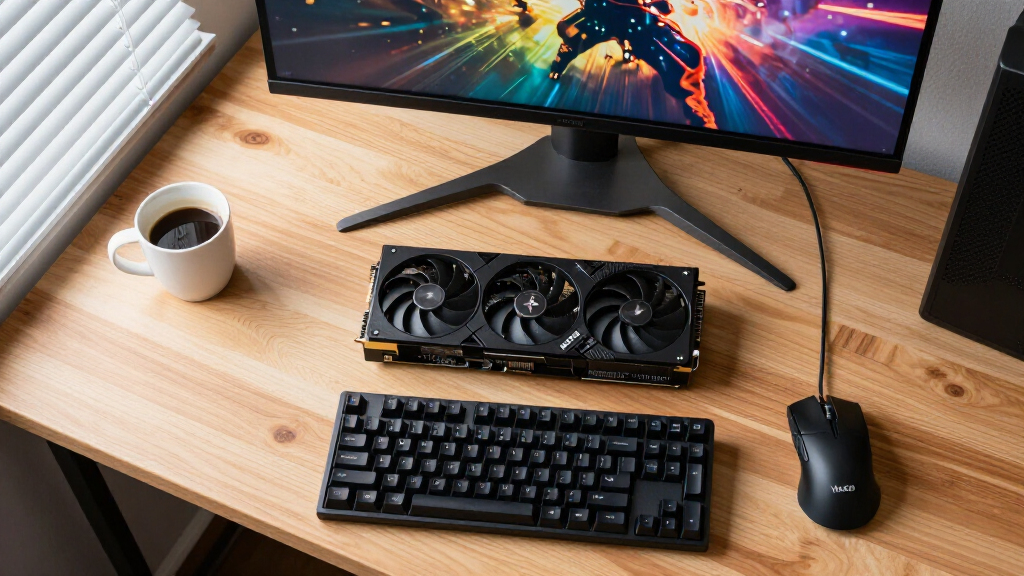
Our evaluation focused on performance benchmarks relevant to DLSS 5, including frame rates at 4K and 8K resolutions, and how effectively each card utilizes DLSS 5 technology. We also considered build quality, cooling solutions, power efficiency, and feature sets like HDMI 2.1 and PCIe 5.0 support. Price-to-performance ratios played a key role, ensuring we highlight options that deliver maximum value. Cards were ranked based on their ability to meet high-end gaming and content creation demands while maintaining reliability and future-proofing for upcoming titles and workloads.Factors to Consider When Choosing Best Graphics Cards For DLSS 5
Choosing the best graphics card for DLSS 5 involves considering several factors beyond raw specs. Understanding your specific needs, such as gaming resolution and content workload, helps narrow down options. Budget constraints also influence your choice, as higher-end models deliver better future-proofing but at a premium. Compatibility with your existing system, especially power supply and case size, is equally important. Here are some key considerations to keep in mind when selecting a card for DLSS 5.Performance and Resolution Targets
Assess your primary use case—whether gaming at 4K, 8K, or content creation—and choose a card that can handle those resolutions at high frame rates. DLSS 5 excels when paired with powerful GPUs that can push high frame rates while maintaining visual fidelity. Keep in mind that some cards deliver better performance at 4K, while others scale more efficiently to 8K. Matching your resolution goals with the card’s capabilities ensures smoother gameplay and better productivity.
VRAM and Future-Proofing
More VRAM helps in handling larger textures and higher resolutions, which becomes crucial with DLSS 5’s demands. Current high-end cards feature 16GB or more, providing room for future titles and demanding workloads. However, beyond just VRAM size, its speed and bandwidth matter for data transfer efficiency. A balanced approach—pairing ample VRAM with strong core counts—helps extend the lifespan of your investment and prevents bottlenecks as software requirements evolve.
Cooling and Build Quality
High-performance cards generate significant heat, making cooling solutions vital for sustained performance and longevity. Look for models with robust cooling designs, such as multiple fans or vapor chamber technology, especially if you plan to overclock. Noise levels and thermal management impact daily use, so don’t overlook these factors. A well-built card with quality materials can also reduce the risk of failures and improve overall reliability.
Power Requirements and Compatibility
Power consumption varies widely across high-end GPUs, with some demanding 350W or more. Confirm that your power supply can deliver stable power via the appropriate PCIe connectors, and ensure your case has enough space for larger cards. Investing in a quality power supply can prevent stability issues and protect your hardware. Compatibility considerations are often overlooked but are critical to avoid costly upgrades or installation problems.
Price-to-Performance Ratio
While flagship models offer top-tier performance, they come with high price tags. Consider whether the extra performance justifies the cost based on your actual needs. Mid-range cards with DLSS 5 support provide impressive performance at a more accessible price point, making them a smart choice for most gamers and creators. Avoid overspending on features you won’t utilize, but be prepared to pay more for the latest tech if you want the best future-proofing and performance headroom.
Frequently Asked Questions
Can I use a DLSS 5 graphics card with my current system?
Compatibility depends on your system’s motherboard, power supply, and case size. Ensure your motherboard supports PCIe 5.0 to fully leverage the latest cards’ bandwidth. Your power supply should have enough wattage and the correct connectors, typically 8-pin or 16-pin (PCIe 5.0). Also, check the physical dimensions of the card against your case, especially for larger models. Upgrading your system may be necessary if it lacks these features, but many high-end cards are backward compatible with PCIe 4.0 slots with some performance trade-offs.
Is DLSS 5 worth it for 1440p gaming?
DLSS 5 provides significant performance boosts at high resolutions, but at 1440p, the gains are less pronounced than at 4K or 8K. If you primarily game at 1440p, a high-quality DLSS 2 or 3 setup might be sufficient, offering excellent visuals without the extra cost of the latest models. However, for future titles that increasingly leverage DLSS 5 features, investing in a DLSS 5-compatible card ensures you’re prepared for upcoming games and titles with demanding graphics.
How much should I spend on a DLSS 5-capable GPU?
The price range varies from around $500 for mid-tier options to over $2000 for flagship models like the RTX 5090. Your budget should reflect your performance goals and future-proofing needs. If you’re aiming for high-end gaming at 8K or professional content creation, investing in a top-tier card makes sense. Conversely, if your use is primarily 1440p gaming, a more affordable card with DLSS 5 support can provide excellent value without overspending.
Are there any drawbacks to using DLSS 5?
While DLSS 5 boosts frame rates and visual fidelity, it can sometimes introduce artifacts or ghosting, especially in fast-moving scenes. The quality of DLSS 5 also depends on the underlying hardware and implementation in specific games. Additionally, enabling DLSS 5 may increase power consumption and stress on your GPU. However, for most users, the performance and quality improvements outweigh these minor drawbacks, provided the card is well-cooled and compatible with your system.
Should I prioritize VRAM or core count for DLSS 5?
Both aspects are important for maximizing DLSS 5 performance. VRAM accommodates high-resolution textures and large frame buffers, especially at 8K, while core count and CUDA cores determine raw processing power and rendering speed. For demanding workloads and future-proofing, a balanced approach is best—selecting a GPU with sufficient VRAM to handle content size and ample core count to process DLSS 5’s AI-driven rendering efficiently. This combination ensures smoother performance across a variety of tasks.
Conclusion
For most gamers seeking the best overall experience, the GeForce RTX 5090 OC offers unmatched power and future-proofing, but it comes at a steep price. The ASUS TUF Gaming RTX 5080 strikes a balance between performance and durability, making it ideal for high-end gaming without going overboard. Budget-conscious buyers will find the GIGABYTE RTX 5070 Ti Gaming OC delivers strong DLSS 5 performance at a more accessible cost. Beginners or those upgrading from older systems should focus on compatibility and power requirements, while professionals needing maximum VRAM might prioritize the flagship options. Overall, your choice depends on your resolution goals, budget, and system specs—pick accordingly to maximize your DLSS 5 experience.