
🔍 Read the full analysis: 12 Top AI Devices That Will Simplify Home Automation In 2026 on ThorstenMeyerAI.com

Get the latest gadgets delivered free — and shop member deals
- Fast, free delivery on millions of items
- Access to Prime Big Deal Days deals on October 6–7
- Prime Video, Amazon Music and more included
TL;DR
In 2026, a curated list of 12 AI devices is revolutionizing home automation, prioritizing local control, privacy, and user-friendly interfaces. This development offers tailored solutions for diverse user needs, from DIY enthusiasts to mainstream consumers.
In 2026, a new wave of AI-powered home automation devices is emerging, offering consumers smarter, more private, and highly customizable options for managing their living spaces. These devices include local control hubs, AI voice processors, and DIY solutions, reflecting a shift toward enhanced privacy and user-centric design. The lineup is set to transform how people interact with their smart home systems, making automation more accessible and secure.
Among the standout products is the Hubitat Elevation C-8 Pro, which offers robust local control, making it ideal for users prioritizing privacy and reliability. It processes commands on-site, reducing dependence on internet connectivity and safeguarding user data. Complementing this, the Local AI Voices Command Processor provides seamless voice control without relying on cloud services, addressing privacy concerns while maintaining AI-driven responsiveness.
For DIY enthusiasts, the Build Your Dream Smart Home with Raspberry Pi offers extensive customization options, albeit requiring technical skills. This solution allows users to tailor their automation ecosystem precisely to their needs, integrating various sensors, cameras, and control protocols. Meanwhile, energy monitoring devices like the Home Energy Monitor Lite utilize AI to analyze power consumption, providing valuable insights but with limited automation capabilities.
Bundles such as the SwitchBot AI Hub with integrated cameras are discussed in the original analysis of Matter-enabled smart devices, combining monitoring and automation, offering comprehensive home oversight but at a higher cost. Overall, these devices vary significantly in complexity, control scope, and price, reflecting a broad spectrum of consumer needs and technical expertise.
The 12 picks
- 1
 SwitchBot AI Hub Bundle with PTC Plus 5MP Camera, AI Smart Hub with OpenClaw…View on Amazon →
 - 2
 SwitchBot AI Hub with OpenClaw Support and Local Camera StorageView on Amazon →
 - 3
 Hubitat Elevation C-8 Pro Smart Home Hub, Local Control and AutomationsView on Amazon →
 - 4
 iSG Box SE ZB Smart Home Hub with Preinstalled Home AssistantView on Amazon →
 - 5
 AI-Powered Smart Home DevicesView on Amazon →
 - 6
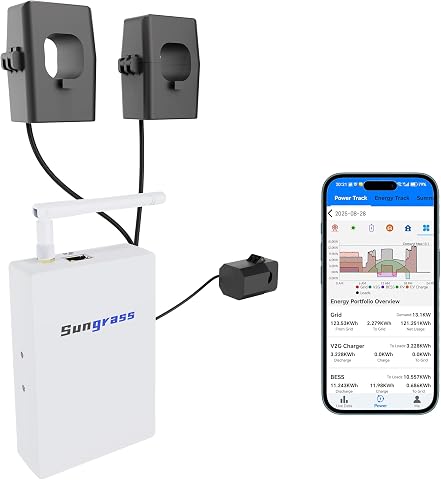 Home Energy Monitor Lite – Real-Time Electricity Usage & Power Consumption Me…View on Amazon →
 - 7
 iSG Box SE Smart Home Hub with Preinstalled Home AssistantView on Amazon →
 - 8
 AI-Powered Smart Home Guide 2026: A Step-by-Step Guide to Designing, Optimizi…View on Amazon →
 - 9
 Build Your Dream Smart Home with Raspberry Pi: The Complete DIY Guide to Crea…View on Amazon →
 - 10
 Speech Recognition Module for DIY Home Automation and RoboticsView on Amazon →
 - 11
 AI Powered Smart Home Guide for Beginners 2026View on Amazon →
 - 12
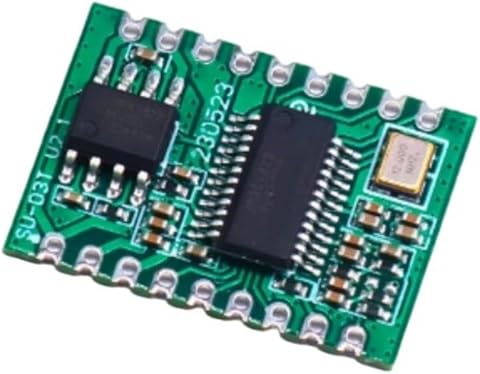 Local AI Voices Command Processor for Home Automation SystemsView on Amazon →
Why Local Control and Privacy Are Game-Changers in 2026
The emphasis on local processing and privacy in these AI devices marks a significant shift in the smart home industry. Consumers increasingly value data security and reliability, which local AI solutions provide by reducing dependence on cloud servers and minimizing data sharing risks. This trend enhances user trust and addresses growing privacy concerns, making home automation safer and more dependable.
Moreover, these advancements enable faster response times and greater system stability, especially during internet outages. As a result, users gain more control over their data and experience more consistent automation, which is critical for security, energy management, and daily convenience.
Evolution of AI in Home Automation Leading to 2026
The integration of AI into home automation has accelerated over the past few years, transitioning from basic voice assistants to sophisticated, privacy-focused systems. Early solutions relied heavily on cloud processing, raising privacy issues and latency concerns. Recent developments, such as the Hubitat Elevation C-8 Pro, demonstrate a move toward local AI processing, offering enhanced security and reliability.
DIY solutions like Raspberry Pi setups have gained popularity for their flexibility, despite requiring technical skills. Simultaneously, voice command devices have improved their AI capabilities, balancing convenience with privacy by shifting some processing locally. These trends indicate a maturing market focused on user control, security, and customization, setting the stage for the 2026 device lineup.
“The shift toward local AI processing in home automation devices is a response to increasing privacy concerns and the demand for more reliable, faster systems.”
— Thorsten Meyer, AI Home Automation Expert
What Aspects of 2026 Home Automation Devices Are Still Unclear
It is not yet clear how widely adopted these new AI devices will become across different markets and demographics. The cost of advanced local AI solutions and DIY setups may limit accessibility for some consumers. Additionally, the long-term reliability and security of new AI hubs and voice processors depend on ongoing software updates and industry standards, which are still evolving. Regulatory developments regarding data privacy could also influence device features and deployment.
Upcoming Developments in AI Home Automation for 2026
Manufacturers are expected to release more integrated AI devices that combine local processing, enhanced privacy, and easier setup. Industry standards and interoperability protocols will likely improve, making it simpler to expand and customize smart home ecosystems. Consumers can anticipate updates to existing devices and new product launches that emphasize security, scalability, and user-friendly interfaces throughout 2026. Monitoring these developments will be crucial for users seeking the most advanced and secure automation solutions.
Key Questions
Do I need technical skills to set up these AI home automation devices?
Setup requirements vary. Plug-and-play devices like smart hubs or voice assistants typically require minimal technical knowledge. In contrast, DIY solutions like Raspberry Pi setups demand familiarity with networking, programming, and hardware assembly. Consider your comfort level and choose accordingly.
Are local AI devices more secure than cloud-based options?
Generally, yes. Local AI processing reduces data sharing with third parties and minimizes exposure to hacking risks associated with cloud storage. However, security also depends on proper configuration and regular updates.
Will these devices work with existing smart home systems?
Most new AI devices aim for compatibility with popular protocols like Zigbee and Z-Wave. Always check device specifications to ensure seamless integration with your current setup.
What is the cost range for these AI home automation solutions?
Prices vary from affordable DIY kits to premium bundles with cameras and advanced AI features. Budget options may suffice for basic automation, while high-end solutions offer more comprehensive control and privacy features.
Source: ThorstenMeyerAI.com
Halloween Picks
halloween
As an affiliate, we earn on qualifying purchases.