
TL;DR

Get the latest gadgets delivered free with Prime
- Fast, free delivery on millions of items
- Prime Video, Amazon Music and more included
- Member-only deals all year
Meta announced a donation of 1,000 Ray-Ban Meta AI glasses to four Singapore organisations serving people with disabilities, alongside a US$30,000 grant for accessibility training. The training is planned for people with visual impairments; the announcement does not specify how many people will receive glasses or when distribution and classes will begin.
Meta announced in Singapore on October 10 that it will donate 1,000 Ray-Ban Meta AI glasses to four local organisations, and provide a US$30,000 grant for accessibility training. The recipients are the Singapore Association of the Visually Handicapped, Guide Dogs Singapore, the Singapore Disability Sports Council and Gardens by the Bay; the initiative is intended to expand access to assistive technology and practical instruction.
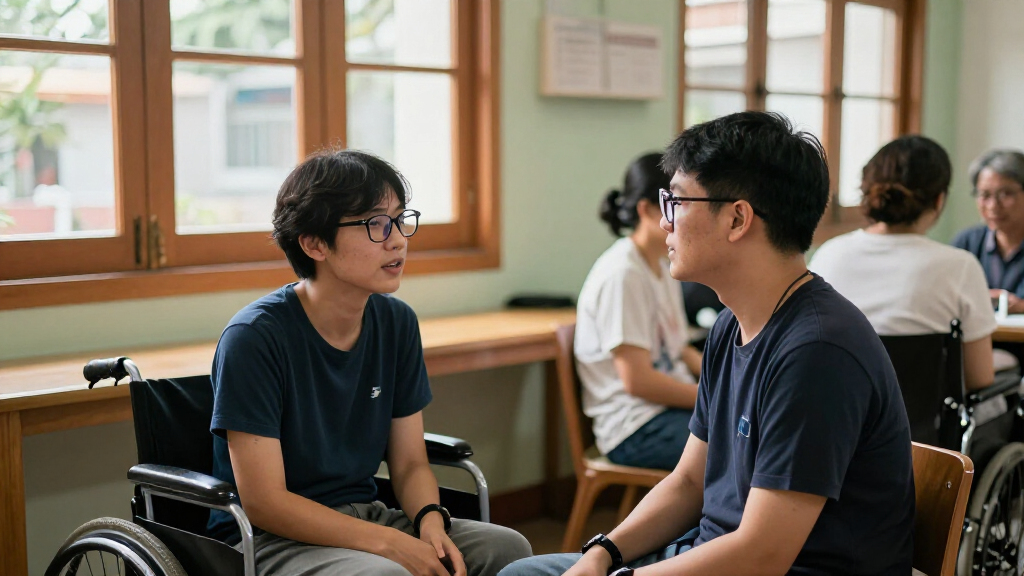
Meta Chief Global Affairs Officer Joel Kaplan announced the donation at an accessibility showcase co-hosted by Meta and the Singapore Disability Sports Council. The event included people from disability organisations, athletes and officials, with Senior Parliamentary Secretary Eric Chua attending as Guest-of-Honour.
Meta says its glasses can support tasks such as reading text, identifying objects and describing surroundings through AI features, as well as hands-free calls and other functions. Those are the company’s descriptions of what the devices can do; the announcement does not provide independent evaluations of their performance or explain which features will be available to each recipient.
The grant will support the Singapore Association of the Visually Handicapped (SAVH) in developing and delivering a free accessibility curriculum for people with visual impairments. Meta says instruction will cover object identification, reading text and voice commands, with the aim of helping participants use the glasses safely and effectively in daily life.
Training Is Part of the Donation
The announcement pairs a hardware donation with funding for instruction, addressing a practical issue with assistive technology: access to a device alone may not equip someone to use its functions confidently in everyday settings. SAVH says it will guide safe and meaningful use as it develops the curriculum.
The recipients work in different settings, including visual impairment services, guide-dog support, disability sport and visitor experiences at Gardens by the Bay. That range could allow the organisations to explore uses beyond individual daily tasks, such as training and participation. However, the announcement describes possibilities rather than results: it provides no evidence yet about outcomes, adoption rates or whether the glasses will meet users’ needs across these varied situations.
Ray-Ban Meta AI glasses for visually impaired
As an affiliate, we earn on qualifying purchases.
As an affiliate, we earn on qualifying purchases.
Four Partners, Different Uses
Meta described the programme as a partnership with four organisations. SAVH is to receive support for training people with visual impairments, while Guide Dogs Singapore said it hopes to explore applications for independent living and participation in work, sport and community life. The Singapore Disability Sports Council also pointed to possible uses for reviewing training and supporting athletic performance.
Gardens by the Bay said it will explore how the eyewear could build on existing accessibility work, including sensory tours for visitors with visual impairments and a pilot involving a robotic guide dog. Its statement presents the glasses as an area for further exploration, not as a confirmed replacement for or addition to a specific visitor service.
Meta’s announcement was made at an accessibility showcase rather than as a report of a completed rollout. Its account lays out the planned donation and grant, but does not set out a schedule for delivery or describe how the 1,000 devices will be divided among the partners.
“The athletes and advocates I met today show what’s possible when technology is designed with independence in mind.”
— Joel Kaplan, Meta chief global affairs officer
AI smart glasses for accessibility
As an affiliate, we earn on qualifying purchases.
As an affiliate, we earn on qualifying purchases.
Rollout Details Remain Pending
Meta has not said when the glasses will be distributed, how many each organisation will receive, or how many people will take part in the training. The company also has not specified the grant’s spending schedule, the curriculum’s start date or how participants will be selected.
The announcement does not provide independent testing, user feedback from a wider group, or details on how the devices will handle situations where AI descriptions are incomplete or inaccurate. It is also unclear whether ongoing technical support, repairs or replacement devices will be provided. These details matter for understanding how the programme will work in practice, beyond the initial donation.
assistive tech glasses for visually impaired
As an affiliate, we earn on qualifying purchases.
As an affiliate, we earn on qualifying purchases.
Partners Develop Training and Trials
SAVH is expected to develop and deliver the free accessibility curriculum using the US$30,000 grant. The partner organisations will also have to determine how the donated devices are distributed and incorporated into their services. Meta’s announcement does not name a first training date or set a public timetable for those decisions.
Further information from Meta and the recipient organisations could clarify device allocation, user support and how they will evaluate the glasses’ usefulness. Until those details are available, the announcement establishes the planned donation and training investment, but not the programme’s reach or its effects on participants.
hands-free AI glasses for reading and object recognition
As an affiliate, we earn on qualifying purchases.
As an affiliate, we earn on qualifying purchases.
Key Questions
How many AI glasses is Meta donating?
Meta announced a donation of 1,000 Ray-Ban Meta AI glasses to four Singapore organisations.Which organisations will receive the glasses?
The recipients are the Singapore Association of the Visually Handicapped, Guide Dogs Singapore, the Singapore Disability Sports Council and Gardens by the Bay. Meta has not stated how the devices will be divided.What will the US$30,000 grant fund?
The grant will support SAVH in developing and delivering a free accessibility curriculum for people with visual impairments. Planned instruction includes reading text, identifying objects and using voice commands.When will the glasses and training be available?
The announcement did not provide a distribution or training schedule. Dates and participant numbers have not been specified.What can the glasses do for users with visual impairments?
Meta says the glasses’ AI features can help with tasks such as reading text, identifying objects and describing surroundings. The announcement does not include independent testing or evidence of results from the Singapore programme.Source: rss
Fall Picks
fall essentials
As an affiliate, we earn on qualifying purchases.