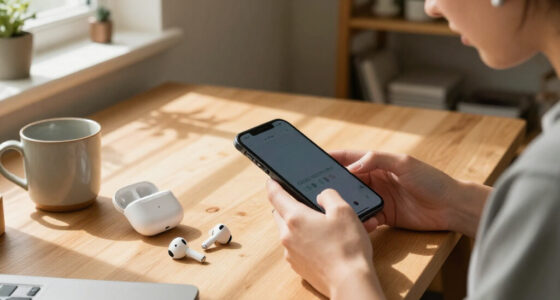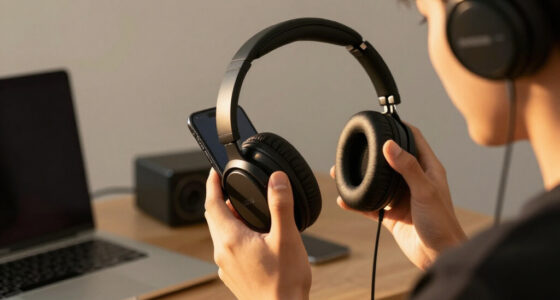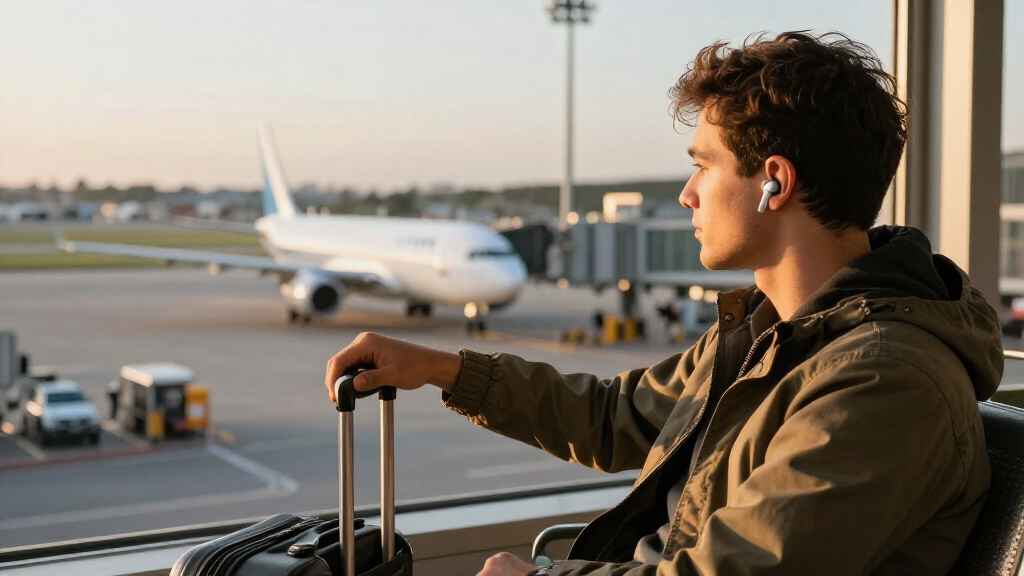

Travel earbuds have to do more than play music: they need to stay comfortable through long journeys, handle engine and transit noise, and last when a charger is out of reach. The choice here is between premium noise-cancelling earbuds and long-battery wireless earbuds. The first type spends more on active noise cancellation (ANC) and often adds stronger transparency and control features; the second prioritizes runtime, simplicity and price. For frequent flyers who want a quieter cabin, premium ANC is usually the more useful upgrade. For occasional trips, shorter flights or tight budgets, long-battery earbuds can be the more sensible buy.

Get the latest gadgets delivered free with Prime
- Fast, free delivery on millions of items
- Prime Video, Amazon Music and more included
- Member-only deals all year

JBL Vibe Beam True Wireless Earbuds, Black
- ✔ Driver size: 8 mm
- ✔ Battery: Up to 8 hours in earbuds; 24 additional hours with case
- ✔ Quick charge: 10 minutes for up to 2 hours of playback

Soundcore by Anker P20i True Wireless Earbuds
- ✔ Connectivity: Bluetooth 5.3
- ✔ Driver size: 10 mm
- ✔ Battery: Feature text: up to 10 hours per charge; specifications: 5 hours; up to 30 total with case stated

Kurdene S8 Wireless Earbuds with Bluetooth 5.3
- ✔ Bluetooth: 5.3
- ✔ Driver size: Description says 8 mm; product specifications say 10 mm
- ✔ Fit: In-ear
The key tradeoff is noise reduction against endurance and cost. Neither category guarantees a perfect fit or reliable performance in every cabin, and actual battery life varies with volume, ANC use and the model. Compare each pair’s stated runtime with ANC on, case capacity, comfort and return policy before buying.
At a Glance
| Criteria | Premium noise-cancelling earbuds | Long-battery wireless earbuds | Winner |
|---|---|---|---|
| Cabin noise reduction | ANC can noticeably reduce steady engine and transport noise; fit still matters. | Passive isolation depends on the seal; usually less effective against steady low-frequency cabin noise. | A |
| Battery endurance | Often shorter per charge, especially with ANC enabled; case recharges extend use. | Often longer playback per charge, though figures vary by model and feature use. | B |
| Long-wear comfort | Often offers more fit and control options, but comfort depends on ear shape and weight. | Can be comfortable, but fewer fit options or heavier designs may affect long sessions. | Depends |
| Portability and charging | Compact cases are common; case battery helps cover multi-leg trips. | Case capacity and charging speed vary; fewer top-ups may be needed between charges. | Depends |
| Travel calls and controls | Premium models often offer better transparency and adaptive controls; call quality varies. | Controls and call features may be simpler; check multipoint and microphone performance. | A |
| Price and value | Higher upfront cost; worthwhile for frequent travelers who use ANC often. | Lower cost; strong value when long runtime matters more than ANC. | B |
JBL Vibe Beam True Wireless Earbuds, Black
The JBL Vibe Beam earns the top spot because its stated endurance is the clearest match for days that involve multiple legs and limited access to an outlet: up to 8 hours in the earbuds and 24 more from the case. That gives it a higher stated total than the Soundcore P20i, and a substantial advantage over the Kurdene S8’s 4.5-hour figure. A 10-minute speed charge is listed to provide up to two hours of playback, which can help when a short stop is all we have.Travel also involves moments when we need to hear a gate announcement or talk to someone without removing an earbud. JBL’s Smart Ambient, TalkThru, and Ambient Aware modes are intended for that sort of transition, while VoiceAware supports hands-free calls. The stick-closed design may help keep the fit secure, and three eartip sizes give us options to improve comfort. These are more travel-relevant conveniences than the P20i’s broad EQ selection if our main priority is a dependable all-day routine.There are limits. The closed design can block external sounds, so we should actively use the ambient modes when we need awareness; the product details do not say these modes replace removing an earbud. Eight hours per earbud charge may still require a case break on especially long journeys. And although these earbuds are splash- and dust-resistant, the supplied information does not specify a rating. The Vibe Beam is the best balanced choice here, but travelers seeking strong active noise cancellation for aircraft cabins should look elsewhere.
Pros:
- Up to 32 hours of stated playback with the charging case
- 10-minute speed charge provides up to two hours of playback
- Ambient listening modes support transitions between listening and awareness
- Three eartip sizes and a secure stick-closed design
Cons:
- Up to eight hours of playback per earbud charge still requires case recharging on extended trips
- Closed design can exclude outside sound unless an ambient mode is used
Best for: Travelers who want the strongest stated total battery life in this group, plus a quick-charge option and ambient listening modes.
Not ideal for: People who need confirmed active noise cancellation, or who expect to listen continuously beyond the earbuds’ stated eight-hour per-charge limit.
Bottom line: For most travel days, JBL is the best-balanced pick here thanks to its stated endurance, quick charging, and ambient modes.
“For most travel days, JBL is the best-balanced pick here thanks to its stated endurance, quick charging, and ambient modes.”
Soundcore by Anker P20i True Wireless Earbuds
The Soundcore P20i is the most adjustable option in this lineup. Its app offers 22 EQ presets and customizable controls, useful when we switch between podcasts, music, and spoken audio without wanting every source to sound the same. That gives it a more adaptable listening setup than the JBL Vibe Beam, whose listed strengths focus on ambient modes and straightforward touch controls. The compact case’s attached lanyard is another practical detail for travel: it gives us a way to attach the case to a bag or keep it close at hand.Its battery story needs caution. The product feature text says up to 10 hours per charge and 30 total with the case, but the product specifications list five hours per charge. JBL’s stated eight-hour earbud figure is clearer, while Kurdene’s 4.5-hour figure is lower; we should not plan a long itinerary around the P20i’s more generous per-charge claim without confirming it. The supplied quick-charge figure is still useful on paper: 10 minutes for up to two hours of playback.Two built-in microphones with AI call processing are listed, which may suit travelers who take calls, though the information does not establish how they perform in noisy terminals. The earbuds are described as water-resistant, but no rating is supplied. Passive noise cancellation may offer some isolation through the in-ear fit, yet it is not the same as active noise cancellation. Choose P20i for app-based tuning and a carry-friendly case; skip it if battery certainty or strong cabin-noise reduction matters most.
Pros:
- Soundcore app includes 22 EQ presets and customizable controls
- Compact case has an attached lanyard for carry convenience
- Quick charge is listed as 10 minutes for up to two hours of playback
- Two microphones with AI call processing are included
Cons:
- Battery information conflicts between 10 hours and 5 hours per charge
- Passive noise cancellation may provide less isolation than active noise cancellation
- Water resistance is listed without a specific rating in the supplied details
Best for: Travelers who like to adjust sound and touch controls in an app and want a compact case they can attach to a bag.
Not ideal for: Buyers who need a clear, consistent per-charge battery claim or active noise cancellation for noisy flights.
Bottom line: Pick the P20i when app tuning and easy case carry matter more than having the clearest battery claim in the group.
“Pick the P20i when app tuning and easy case carry matter more than having the clearest battery claim in the group.”
Kurdene S8 Wireless Earbuds with Bluetooth 5.3
The Kurdene S8 makes the most sense for short journeys and buyers who value a light, uncomplicated in-ear pair. At a listed 3.8 g, each earbud is the lightest quantified option in this comparison, and three silicone tip sizes let us adjust the fit. Bluetooth 5.3 supports automatic pairing with iOS and Android devices, so the everyday setup is simple. Compared with the P20i, it offers fewer stated sound controls; compared with JBL, it has no listed ambient listening modes.The main compromise is endurance. Kurdene lists 4.5 hours of battery life, shorter than JBL’s up to eight hours per earbud charge and below even the P20i’s conservative five-hour specification. That makes the S8 better suited to a commute, a short connection, or listening in intervals when we can recharge between sessions. The built-in microphones include call noise cancellation, but the description does not provide detail that would let us compare call performance directly with Soundcore’s AI processing or JBL’s VoiceAware feature.There is also a practical care note: both the charging port and earbuds must be completely dry before charging. This matters when we’re moving through rain or using them after exercise, because charging them while wet is explicitly discouraged. The supplied information gives two different driver sizes, 8 mm in the description and 10 mm in the product specifications, so we would not use driver size to distinguish this pick. Choose Kurdene for a light, simple option on shorter trips; travelers who need fewer charging interruptions should move up to JBL.
Pros:
- Listed earbud weight is 3.8 g
- Three silicone ear tip sizes support fit adjustments
- Bluetooth 5.3 supports automatic pairing with iOS and Android
- Built-in microphones include call noise cancellation
Cons:
- Listed battery life is 4.5 hours, the shortest in this comparison
- Charging port and earbuds must be completely dry before charging
- Driver size differs between the product description and specifications
Best for: People taking shorter trips who want lightweight earbuds, a choice of tip sizes, and simple automatic pairing.
Not ideal for: Frequent travelers who need long playback between charges, ambient listening modes, or clearly specified audio details.
Bottom line: The S8 is a sensible lightweight choice for short trips, but its limited stated battery life makes it the least suitable for long travel days.
“The S8 is a sensible lightweight choice for short trips, but its limited stated battery life makes it the least suitable for long travel days.”
As an Amazon Associate we earn from qualifying purchases.
Key Differences
The largest practical difference appears on a plane, train or bus with a steady mechanical hum. Premium ANC earbuds can reduce that low, persistent sound and make listening at a lower volume more comfortable. They do not remove every voice, announcement or sudden noise, and a poor ear tip seal can limit the effect. Long-battery earbuds rely more on their physical fit to block sound, so their performance depends heavily on whether the tips seal well.
Long-battery models have the clearer advantage when charging access is uncertain or the journey involves many hours of listening. A longer single-charge runtime means fewer interruptions, while a charging case can extend either type through a trip. Premium ANC also asks for a higher upfront spend. That cost makes sense for people who fly often and will use the noise reduction regularly; for occasional travel, a comfortable budget pair with ample runtime can deliver better value.
Comfort and useful features are model-specific, not guaranteed by category. A secure fit matters for passive isolation and for keeping earbuds in place during a commute. Travelers who take calls or need to hear station announcements should compare microphone quality, transparency mode and controls. Check battery claims with ANC active when comparing premium pairs, and look for a return window that lets you test fit.
Detailed Comparison
Winner: A; major gap on steady noise. ANC in premium earbuds can reduce the persistent low-frequency rumble of aircraft and transit, helping podcasts and music remain clear at a lower volume. It cannot silence every voice or announcement. Long-battery earbuds can still work well when their tips seal securely, but they generally offer less help against continuous cabin hum.
Battery endurance (Long-battery wireless earbuds wins — moderate)
Winner: B; moderate gap, depending on use. Long-battery earbuds are built to run longer between charges, which is useful on multi-leg travel days and when outlets are scarce. ANC can shorten the runtime of premium models, though the case usually adds recharges. Compare real-use estimates with ANC on rather than relying only on a maximum playback figure.
Long-wear comfort (minor difference)
Winner: Depends; usually a minor category difference. Premium pairs may include several tip sizes and more fit adjustments, while simpler models may be lighter or less bulky. Those tendencies do not predict how a particular pair will feel in your ears. For a long flight, a secure seal without pressure matters more than a feature list, so prioritize fit testing and an easy return policy.
Portability and charging (minor difference)
Winner: Depends; a minor gap. Both categories commonly use pocket-sized cases, but case dimensions, charging speed and extra charges vary by model. Long-battery earbuds may need fewer top-ups; premium ANC earbuds may compensate with case recharges and quick charging. Check the case’s total capacity and whether its shape fits your travel routine.
Winner: A; moderate, with model-level variation. Premium models more often include adjustable ANC, transparency modes and richer app controls, which help when switching between listening and announcements. Those features do not guarantee better microphones: wind, crowds and aircraft noise can still interfere with calls. Long-battery pairs may have simpler controls, so confirm call quality and multipoint support if those affect your trip.
Price and value (Long-battery wireless earbuds wins — moderate)
Winner: B for most occasional travelers; moderate difference. Long-battery earbuds generally cost less, so they are better value when you mainly want dependable playback and longer runtime. Paying more for premium ANC is justified when frequent flights make reduced cabin noise a regular benefit. If you travel rarely, the extra spend may be hard to recoup in everyday use.
Pros:
- Reduces steady cabin and transit hum more effectively.
- Transparency and adaptive controls can make travel interruptions easier to manage.
- A stronger fit and control feature set is common in premium models.
Cons:
- Costs more upfront.
- ANC can reduce listening time per charge.
- Fit and call quality still vary between models and users.
Long-battery wireless earbuds: Pros and Cons
Pros:
- Usually lower cost and longer playback per charge.
- Good value when ANC is not a priority.
- Fewer features can mean a simpler listening experience.
Cons:
- Less effective against persistent low-frequency noise.
- A good seal is essential for passive isolation.
- May have fewer controls or convenience features, depending on model.
Who Should Choose What
Choose Premium noise-cancelling earbuds if:
- You fly often and want to reduce engine noise during long trips.
- You value adjustable ANC or transparency mode for moving between listening and announcements.
- You are willing to pay more for noise reduction you will use regularly.
Choose Long-battery wireless earbuds if:
- You travel occasionally and want capable earbuds at a lower cost.
- You prioritize long playback between charges and may have limited access to outlets.
- Your trips are short, or a comfortable seal matters more to you than active noise cancellation.
Skip both if: Skip both categories if in-ear tips cause discomfort or you need stronger noise protection than earbuds can provide; compare over-ear headphones or travel earplugs instead.
Value for Money
Paying more is worthwhile when ANC solves a frequent problem: cabin rumble that makes long flights tiring or forces you to raise the volume. That benefit is most valuable to regular flyers and commuters who will use ANC week after week. For an occasional trip, the lower price and longer single-charge runtime of long-battery earbuds usually make better value. Before paying a premium, check that battery estimates include ANC use and that the fit works for you.
Final Verdict
Choose premium noise-cancelling earbuds if you travel often and steady aircraft or transit noise is your main frustration. Their ANC is the more meaningful upgrade for that use, even though it adds cost and can shorten battery life. Choose long-battery wireless earbuds if you travel less often, need extended playback between charges or want to keep spending down. The deciding factor is how often you will benefit from ANC: frequent use can justify the premium; occasional use usually cannot.
Frequently Asked Questions
Are noise-cancelling earbuds worth it for flying?
They are often worth the extra cost for frequent flyers who want to reduce steady engine rumble. ANC does not block every sound, and fit has a strong effect on results.
Do long-battery earbuds last longer than noise-cancelling earbuds?
Often, especially when comparing playback per charge with ANC active. Runtime depends on volume, features and model, so compare estimates under similar settings and include the case’s extra charges.
Which type is better for a long flight?
Premium ANC earbuds suit travelers who prioritize a quieter cabin. Long-battery earbuds suit those who prioritize uninterrupted playback and fewer charging stops. Comfort and a secure seal matter for either choice.
Should I pay more for premium travel earbuds?
Pay more when you travel frequently enough to use ANC often. For a few trips a year, a comfortable long-battery pair is usually better value unless cabin noise is a major concern.