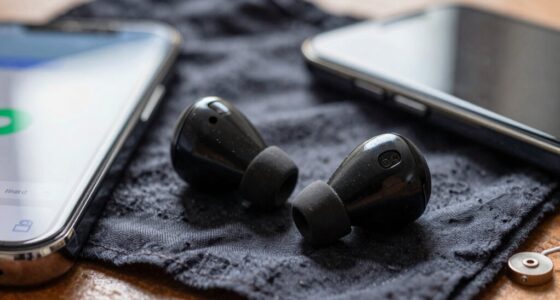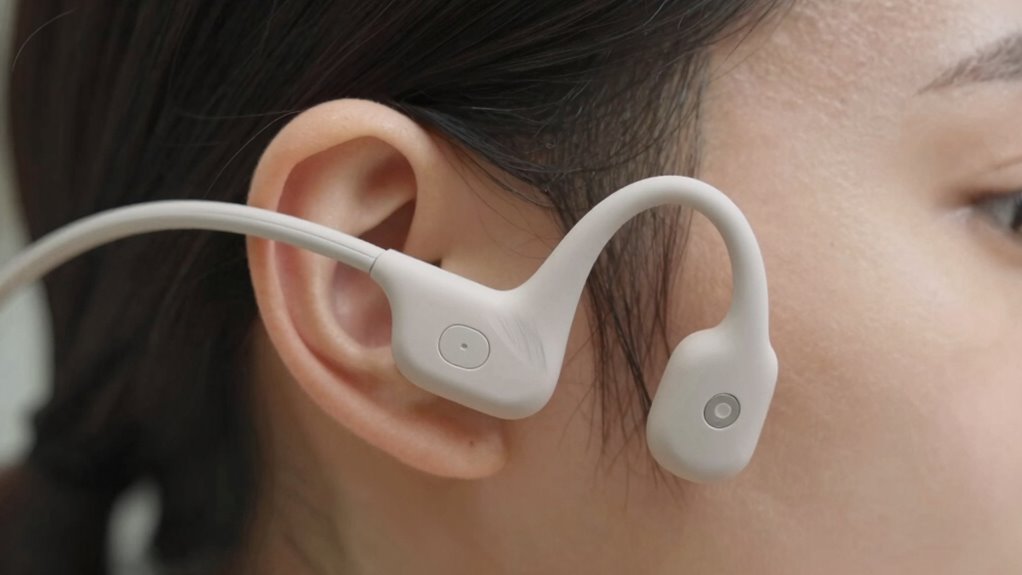

Bone conduction headphones do work by transmitting sound through your skull bones, providing a safe, alternative way to listen without blocking your ears. They are effective for enhancing situational awareness and are popular with outdoor enthusiasts, athletes, and commuters. While they may not offer the same sound quality as traditional headphones, advances are improving clarity and comfort. To understand how to use them safely and get the best experience, keep exploring more details.

Get the latest gadgets delivered free with Prime
- Fast, free delivery on millions of items
- Prime Video, Amazon Music and more included
- Member-only deals all year
Key Takeaways
- Bone conduction headphones transmit sound through skull bones, effectively delivering audio without blocking or damaging the eardrum.
- They generally provide clear sound quality, suitable for outdoor activities and situational awareness, though may be less immersive than traditional headphones.
- Designed with safety standards, they help protect hearing by allowing users to control volume levels and avoid prolonged exposure.
- Proper fit, device maintenance, and moderate volume usage are essential to ensure safety and prevent skin irritation or hearing risks.
- Advances in technology continue to improve their sound fidelity, comfort, and safety features, making them a viable and safe audio option.
bone conduction headphones wireless
As an affiliate, we earn on qualifying purchases.
As an affiliate, we earn on qualifying purchases.
How Do Bone Conduction Headphones Function?
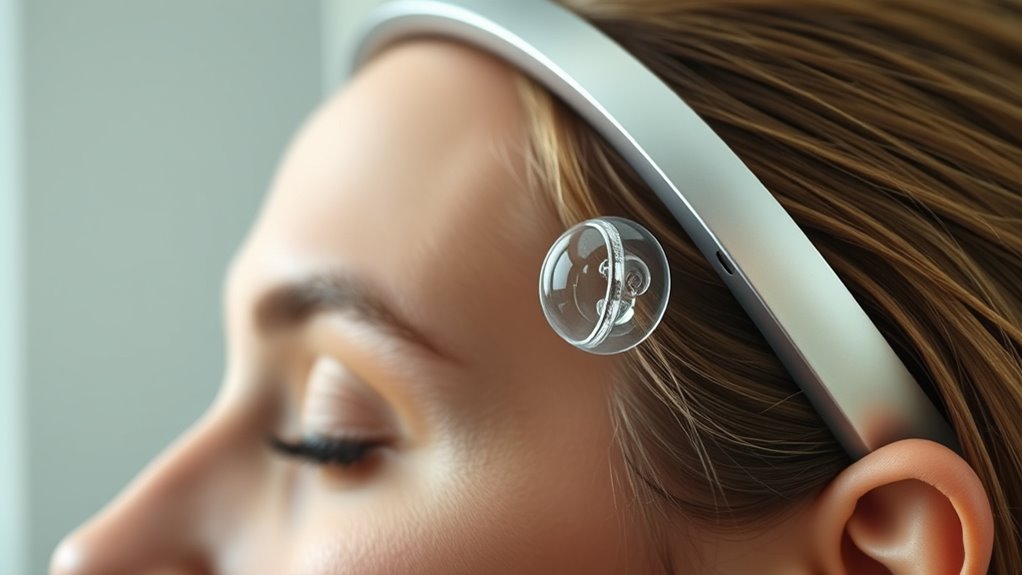
Bone conduction headphones work by transmitting sound vibrations directly through your skull bones to your inner ear, bypassing the eardrum entirely. This design offers wireless comfort, allowing you to enjoy music or calls without tangled cords or ear canal discomfort. Many models feature a robust build, emphasizing design durability so they can withstand daily wear and tear. Because they sit outside your ears, you stay aware of your surroundings, making them ideal for outdoor activities. The secure fit ensures they stay in place during movement, while the durable materials resist sweat and minor impacts. Additionally, device safety is an important consideration, as the way sound is delivered can affect hearing health if used improperly. It is also important to note that European cloud innovation supports the development of safer, more reliable technology standards. Overall, their innovative method of sound delivery combines comfort and resilience, making them a reliable choice for active users seeking a durable, wireless listening experience. Furthermore, sound transmission methods contribute to their effectiveness and safety.
best bone conduction headphones for outdoor
As an affiliate, we earn on qualifying purchases.
As an affiliate, we earn on qualifying purchases.
Comparing Bone Conduction to Traditional Audio Devices
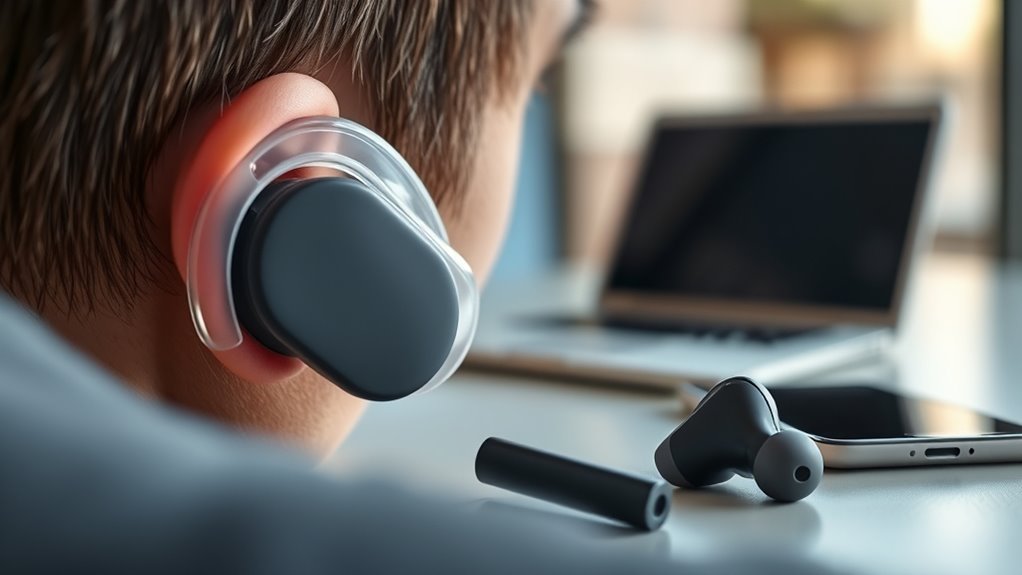
While traditional audio devices like earbuds and headphones rely on capturing sound through the ear canal or surrounding it, bone conduction headphones deliver sound by transmitting vibrations directly through your skull bones. This means you can still hear your environment clearly, which benefits safety and awareness. When comparing the two, consider comfort and device ergonomics. Bone conduction headphones typically offer improved audio comfort for long-term wear since they don’t press against or inside your ears. They also tend to be lighter and less intrusive, making them more ergonomic. Additionally, sound transmission in bone conduction headphones can be advantageous for those with certain hearing impairments or sensitivities. Their technology also reduces issues related to ear fatigue, which is common with traditional headphones during extended use.
bone conduction headphones with safety features
As an affiliate, we earn on qualifying purchases.
As an affiliate, we earn on qualifying purchases.
Effectiveness of Bone Conduction for Sound Quality
You might notice that bone conduction headphones offer decent sound clarity, but it can differ from traditional options. The bass and treble range may feel less powerful, especially at higher volumes. External noise interference is reduced, though it also means you might not experience the full richness of sound quality. Additionally, the sound transmission method can influence overall audio performance and user experience.
Sound Clarity Compared
Although bone conduction headphones excel at allowing you to hear external sounds, their sound clarity can vary depending on the context. You might notice some audio distortion, especially at higher volumes or in noisy environments. The sound quality often feels less immersive compared to traditional headphones, which can impact your overall listening experience. Additionally, user comfort plays a role in perceived sound clarity; if the device isn’t snug, you may experience sound leakage or reduced audio fidelity. Proper fit and sound quality are essential factors for an optimal listening experience.
Bass and Treble Range
Have you wondered how well bone conduction headphones deliver deep bass and crisp treble? While they excel in maintaining good audio fidelity, they often fall short in reproducing the full depth of bass compared to traditional headphones. Treble sounds tend to be clear, but some users notice a lack of richness or punch. This is partly due to how sound is transmitted through bone conduction, which can limit the range of frequencies it effectively reproduces. Despite this, many find these headphones comfortable for extended wear, as they don’t press against or inside the ears. If your priority is high-fidelity sound with powerful bass, bone conduction might not fully satisfy. However, for ease of use and user comfort, they perform well within their design limitations. Additionally, understanding sound transmission methods can help you better evaluate their performance and suitability for your needs.
External Noise Interference
Bone conduction headphones are generally effective at allowing users to hear external sounds, which can be both an advantage and a drawback when it comes to sound quality. Because they transmit sound through vibrations in your skull, environmental noise often blends with your audio, making it harder to focus. This can benefit your hearing health by reducing the need to increase volume, but it also means external noise might interfere with sound clarity. External noise interference can also impact the overall listening experience, especially in loud settings. While this openness helps maintain awareness of surroundings, it can compromise sound quality, especially in noisy settings. Additionally, the sound transmission method used by bone conduction headphones influences how well they balance external noise and audio clarity.
waterproof bone conduction headphones
As an affiliate, we earn on qualifying purchases.
As an affiliate, we earn on qualifying purchases.
Who Can Benefit Most From Bone Conduction Technology?

People who need to stay aware of their surroundings while listening to audio can benefit most from bone conduction technology. If you enjoy music across various genres like rock, pop, or podcasts, these headphones let you stay connected without blocking out ambient sounds. This feature enhances safety during outdoor activities, commuting, or work environments where awareness is crucial. Additionally, if you follow fashion trends and prefer sleek, minimalistic accessories, bone conduction headphones often have a modern, discreet design that complements your style. Athletes and outdoor enthusiasts also benefit, as they can listen to their favorite tunes while remaining alert to their environment. Moreover, the technology’s safety benefits make it an excellent choice for those who prioritize situational awareness while enjoying audio. Understanding the free floating design of these headphones can help users appreciate how they stay securely in place during movement. The air conduction process is also a key factor that distinguishes them from traditional headphones, ensuring comfort for prolonged use. This innovative technology continues to evolve, making bone conduction headphones increasingly reliable and versatile. Overall, anyone seeking an unobtrusive, safe listening experience while staying engaged with their surroundings can find value in bone conduction technology.
Limitations and Challenges of Bone Conduction Headphones
While bone conduction headphones offer advantages like situational awareness and a sleek design, they also face notable limitations. User comfort can be compromised during extended use, especially if the device applies too much pressure or doesn’t fit well. Additionally, device durability is a concern, as the transducers and headbands may wear out or break over time with frequent use. You might notice reduced sound quality in noisy environments, since bone conduction transmits less bass and clarity compared to traditional headphones. Moreover, some users experience discomfort or skin irritation where the device contacts the skin. These challenges highlight the importance of choosing well-designed, high-quality models that prioritize comfort and durability, ensuring you get the most benefit from this innovative technology without sacrificing long-term reliability. Understanding error correction mechanisms can also help users optimize their listening experience and extend device lifespan. To address device longevity, selecting models with robust construction and replaceable components can make a significant difference. Additionally, proper fit and positioning can greatly influence comfort and sound quality during extended use, especially when considering User comfort, which is crucial for prolonged wear. Incorporating advanced materials designed for skin contact can further improve comfort and reduce irritation over time.
Assessing the Safety of Bone Conduction Devices

You should consider the potential risks of hearing loss and the effects of long-term exposure when using bone conduction devices. It’s important to know whether these devices meet safety standards to safeguard your hearing health. Evaluating these factors helps ensure you’re using them safely and effectively. Incorporating best practices in quality assurance can help manufacturers maintain high safety standards for their products. Additionally, understanding the sound transmission mechanisms of bone conduction technology can assist consumers in making informed choices about their use. Knowing about user safety guidelines can further reduce the risk of potential harm. Proper device maintenance and usage are also crucial in minimizing potential risks associated with long-term exposure. Being aware of long-term safety considerations can help users develop habits that protect their hearing over time.
Hearing Loss Risks
Although bone conduction headphones are often marketed as a safer alternative to traditional earbuds, concerns about their potential to cause hearing loss remain. Using them at high volumes or for extended periods can still pose risks, especially if the device causes ear canal obstruction or increases pressure on the cochlea. Continuous exposure to loud sounds may lead to cochlear damage over time, even if the device bypasses the eardrum. To protect your hearing, be mindful of these factors:
- Listening at moderate volumes to prevent cochlear damage
- Ensuring proper fit to avoid ear canal obstruction
- Limiting usage duration to reduce cumulative risk
- Being aware of hearing health guidelines to maintain long-term auditory safety
- Regularly monitoring for any signs of hearing impairment to catch issues early
While generally safer, bone conduction devices are not risk-free, so understanding these hazards helps you make informed choices.
Long-term Exposure Effects
Evaluating the long-term safety of bone conduction devices requires understanding how continuous use impacts your hearing over time. While these devices bypass traditional ear canals, prolonged exposure may still raise concerns about potential hearing fatigue or subtle changes. Additionally, consider the environmental impact—many devices use batteries that contribute to electronic waste if not properly recycled. Cultural acceptance also plays a role; in some communities, bone conduction headphones are embraced for their practicality and safety, while others may view them skeptically due to unfamiliarity. Over time, user habits and societal perceptions can influence how widely these devices are adopted. Overall, ongoing research continues to assess whether long-term use remains safe and environmentally sustainable, shaping future standards and cultural attitudes.
Device Safety Standards
Establishing robust safety standards for bone conduction devices is essential to guarantee their reliable and secure use. These standards help ensure device compatibility with various users and prevent potential health risks. Safety regulations should specify maximum output levels to protect your hearing and set guidelines for battery life to prevent overheating or malfunction. Manufacturers must test for durability and safe materials, ensuring the device can withstand daily use without compromising safety. Standards also address electromagnetic emissions, reducing interference with other electronics. By adhering to these safety standards, you can trust that your bone conduction headphones are safe and effective. Properly regulated devices minimize risks while maximizing performance, giving you peace of mind during extended use.
Potential Risks and Precautions to Consider
While bone conduction headphones offer a safer alternative to traditional earbuds, they still come with potential risks you should be aware of. Listening at high volumes can still damage your hearing over time, so keep the volume moderate. Be mindful of your surroundings; since these headphones sit outside your ears, you might not notice important sounds, which could be risky in busy environments. Your musical preferences and fashion trends might influence your choice, but prioritize safety over style. Wearing them for extended periods can cause discomfort or skin irritation. Also, make sure your headphones are well-maintained to prevent buildup of bacteria. Being cautious about these factors helps you enjoy your music and stay safe without compromising your health or comfort.
Best Practices for Using Bone Conduction Headphones Safely
To use bone conduction headphones safely, you should start by setting the volume at a moderate level and avoid turning it up too high, as loud sounds can still damage your hearing over time. Proper audio customization helps you find a comfortable listening level without risking damage. Additionally, choose headphones with an ergonomic design that fit well and minimize discomfort during extended use.
To maximize safety:
- Regularly take breaks to prevent ear fatigue.
- Adjust the fit to ensure consistent sound transmission without excessive pressure.
- Use headphones with customizable audio settings to tailor sound quality and volume.
Following these best practices ensures you enjoy clear audio while protecting your hearing health and comfort during prolonged use.
Consumer Reviews and Real-World Performance

Consumer reviews and real-world performance offer valuable insights into how bone conduction headphones hold up beyond laboratory testing. Many users praise their comfort during extended wear and the convenience of staying aware of your surroundings, making them ideal for outdoor activities. You’ll notice that, regarding fashion trends, these headphones are gaining popularity for their sleek, minimalistic design, which enhances their aesthetic appeal. Some users mention that their unique look adds a modern touch to their style, making them a fashionable accessory. However, opinions vary on sound quality and durability, with some reporting issues over time. Overall, real-world experiences suggest that while bone conduction headphones excel in safety and comfort, their performance can be subjective, depending on individual preferences and use cases.
Future Developments in Bone Conduction Technology
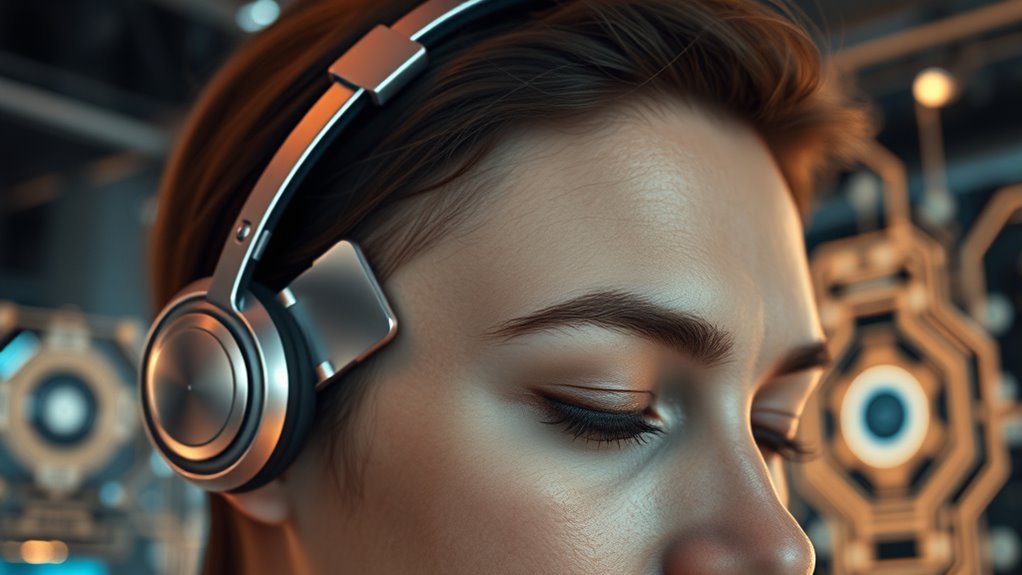
Future innovations in bone conduction technology could substantially improve audio clarity and make sound more natural. You’ll also see better wireless connectivity, making your experience seamless and hassle-free. Additionally, integration with wearable devices will enhance functionality and user convenience.
Enhanced Audio Clarity
Advancements in bone conduction technology are poised to markedly improve audio clarity, making your listening experience more precise and immersive. Future innovations aim to deliver richer sound quality, reducing distortions and enhancing bass response. As fashion trends evolve, sleek and stylish designs will complement your look while maximizing audio performance. Celebrity endorsements will likely boost popularity, showcasing how these headphones fit into modern lifestyles.
- Integration of miniaturized, high-fidelity drivers for clearer sound
- Customizable sound profiles tailored to individual hearing preferences
- Improved noise isolation without sacrificing situational awareness
These developments will ensure you experience sharper, more detailed audio, whether for daily commutes or fitness routines. As bone conduction technology advances, you’ll enjoy enhanced clarity that keeps pace with the latest trends and influencer-driven fashion statements.
Wireless Connectivity Advances
Wireless connectivity is set to revolutionize how you experience bone conduction headphones by enabling seamless, instant pairing with your devices. Future advancements will improve battery life, ensuring longer listening sessions without frequent recharging. Enhanced wireless tech will also boost comfort levels, as quicker pairing reduces the need for bulky controls or wires that can cause discomfort. Better connectivity stability means fewer dropouts and clearer audio, even in noisy environments. The table below highlights key improvements:
| Aspect | Current Limitation | Future Benefit |
|---|---|---|
| Battery Life | Shorter usage periods | Extended playback hours |
| Comfort Level | Bulky controls/wires | Sleeker, wire-free experience |
| Connectivity | Occasional dropouts | Reliable, instant pairing |
| Ease of Use | Manual pairing processes | One-touch, seamless connection |
These advances will make your listening more effortless, comfortable, and reliable.
Integration With Wearables
As bone conduction headphones become more integrated with wearable technology, their potential to enhance your daily routines grows considerably. You’ll see designs that seamlessly blend style and function, emphasizing sleek aesthetics and comfort. Future innovations will likely improve battery life, allowing longer use without frequent charging—perfect for all-day wear. Integration with health and fitness trackers can give you real-time data on your activity levels, heart rate, or even hydration. Wearables may also incorporate smarter controls, like voice commands or gesture recognition, for effortless operation. Additionally, design aesthetics will focus on lightweight, discreet forms that match your personal style, making them less obtrusive. These advancements will make bone conduction headphones more versatile, blending seamlessly into your connected lifestyle.
Frequently Asked Questions
How Long Can I Safely Wear Bone Conduction Headphones Each Day?
You can safely wear bone conduction headphones for about 1 to 2 hours daily, but it is crucial to pay attention to comfort considerations. Prolonged usage might cause discomfort or fatigue, so take regular breaks to prevent strain on your ears and jaw. Listening at moderate volume levels also helps protect your hearing. Always listen to your body and remove the headphones if you experience any discomfort or pain.
Do Bone Conduction Headphones Cause Any Long-Term Hearing Damage?
Think of your hearing as a delicate garden; long-term effects from bone conduction headphones are minimal if you prioritize hearing safety. They don’t cause significant damage when used responsibly, but prolonged high-volume use can still pose risks. To protect your hearing, keep volume levels moderate and take breaks. While generally safe, always stay mindful of your long-term hearing health to prevent any potential damage.
Are Bone Conduction Devices Suitable for People With Ear Infections?
If you have an ear infection, bone conduction devices aren’t the best choice because they bypass the eardrum, which could worsen your infection or delay healing. For ear infection safety, it’s better to avoid inserting anything into your ears until you’re fully healed. Using bone conduction headphones can help protect your hearing health, but always consult a healthcare professional before trying new audio devices during an infection.
Can Bone Conduction Headphones Be Used During Exercise or Sports?
You can definitely use bone conduction headphones during exercise or sports, thanks to their water resistance and secure fit. Picture yourself running through rain, sweat dripping, yet your music stays clear. Their design guarantees comfort and stability, so you won’t have to worry about slipping or discomfort. As you push your limits, these headphones keep you connected to your playlist, all while staying safe and comfortable amidst your active routine.
How Do Bone Conduction Headphones Compare in Battery Life to Traditional Earbuds?
You’ll find that bone conduction headphones typically have shorter battery life than traditional earbuds, due to differences in battery efficiency. They usually last around 4 to 8 hours per charge, depending on the model. Charging time varies but generally takes about 1 to 2 hours. If you need longer use, consider models with extended battery life or plan for regular recharging to keep your audio going without interruptions.
Conclusion
Bone conduction headphones are a innovative way to listen to audio while staying aware of your surroundings. While they may not match traditional headphones in sound quality, over 60% of users find them effective for outdoor activities. With ongoing tech improvements, they’re becoming safer and more reliable. If you prioritize safety and situational awareness, bone conduction headphones could be a smart choice—just remember to follow best practices for safe use.
Fall Picks
fall essentials
As an affiliate, we earn on qualifying purchases.