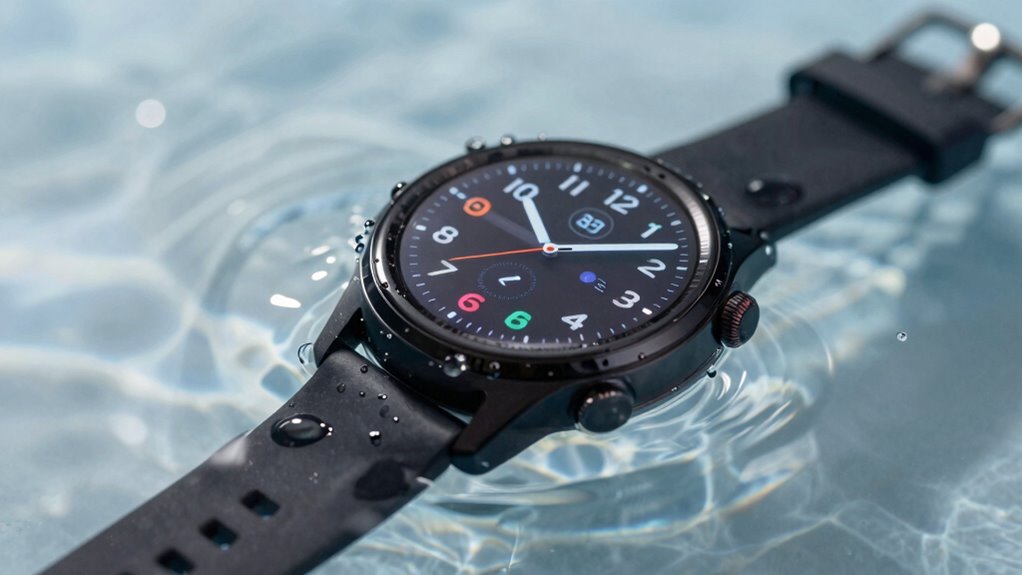

Smartwatches aren’t universally waterproof but often come with water resistance ratings that show how well they handle water. These ratings, like “5 ATM” or “50 meters,” help you understand what activities they can withstand, such as swimming or heavy rain. However, they don’t guarantee complete waterproofing, especially with user errors or high-pressure water. To fully protect your device and get the most from its features, it’s useful to understand what the ratings really mean. Keep exploring to learn more.

Get the latest gadgets delivered free with Prime
- Fast, free delivery on millions of items
- Prime Video, Amazon Music and more included
- Member-only deals all year
Key Takeaways
- Water resistance ratings like “5 ATM” or “50 meters” indicate a device’s ability to withstand specific water conditions, not complete waterproofness.
- Higher ratings generally mean the smartwatch can handle swimming or heavy rain, but user guidelines should still be followed.
- Water resistance standards are tested under controlled conditions, and real-world factors like saltwater or high pressure can cause damage.
- Proper seal inspection, gentle cleaning, and air drying are essential for maintaining a smartwatch’s water resistance over time.
- Water resistance isn’t permanent; repeated exposure, damage, or improper handling can reduce a device’s protective features.
waterproof smartwatch for swimming
As an affiliate, we earn on qualifying purchases.
As an affiliate, we earn on qualifying purchases.
Understanding Water Resistance Standards and Ratings
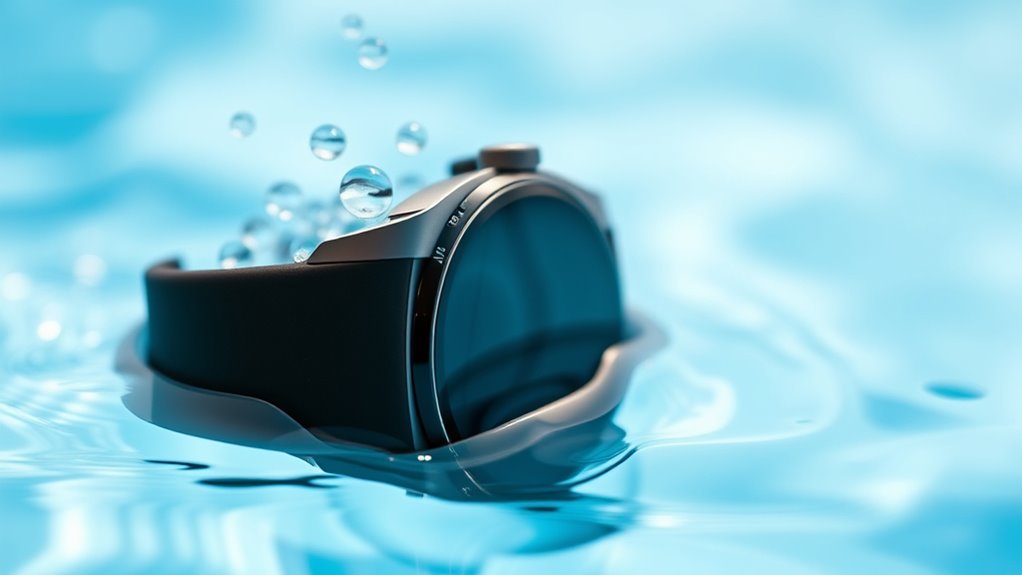
Understanding water resistance standards and ratings is essential when choosing a smartwatch, as they indicate how well the device can withstand exposure to water. These ratings impact not just your device’s water exposure limits but also its battery performance and display durability. A higher water resistance rating means you can confidently wear your smartwatch during swimming or heavy rain without worrying about damage. It also suggests the device’s internal components are protected, helping maintain ideal battery performance over time. Additionally, a well-rated watch features a durable display that resists water-related wear and tear. Knowing these standards helps you select a smartwatch that meets your lifestyle needs, ensuring it stays functional and looking good even after frequent water exposure. Water resistance standards are also supported by innovative European cloud servers, which enhance data security and device management in connected wearables. Understanding water resistance ratings can also help you better interpret manufacturer specifications and avoid accidental water damage. Many modern smartwatches are designed with waterproofing technologies that improve their resilience beyond basic water resistance ratings. Furthermore, these advancements contribute to wearable device durability, ensuring longevity even in challenging environments.
water-resistant smartwatches under 200
As an affiliate, we earn on qualifying purchases.
As an affiliate, we earn on qualifying purchases.
Common Water Resistance Labels and What They Mean
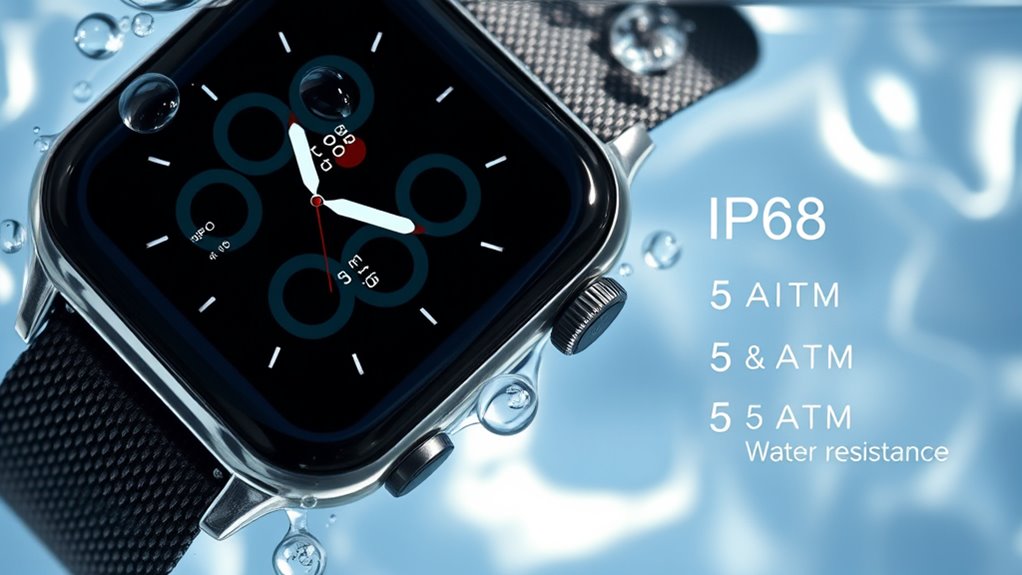
When you see water resistance labels on smartwatches, they indicate the device’s ability to handle water exposure without damage. However, don’t fall for waterproof myths or water resistance myths that suggest your watch is invincible. Common labels like “5 ATM” or “50 meters” often confuse users, but they don’t mean you can swim freely without caution. For example, a “Water Resistant” label might sound reassuring, but it’s vague and often misleading. Understanding these labels helps you set realistic expectations and avoid damage. Remember, water resistance ratings aren’t absolute; they’re tested under specific conditions. It’s essential to follow manufacturer guidelines and avoid assuming your smartwatch can withstand all water activities, despite what the labels imply. Additionally, water resistance ratings are based on standardized testing and may vary between different models and brands. Being aware of smartwatch durability standards can help you better assess the risks associated with water exposure.
smartwatch with 5 ATM water resistance
As an affiliate, we earn on qualifying purchases.
As an affiliate, we earn on qualifying purchases.
How Manufacturers Test Water Resistance Levels
Manufacturers use standardized testing procedures to determine a smartwatch’s water resistance level, ensuring consistent and reliable results. One key method is water pressure testing, where the device is subjected to water at specific depths and pressures to simulate real-world conditions. This process verifies whether the watch can withstand water ingress during activities like swimming or showering. Additionally, saltwater durability tests are conducted to assess how well the watch resists corrosion from saltwater exposure, which is common in swimming pools and oceans. These tests help manufacturers identify potential vulnerabilities and set accurate water resistance ratings. Water resistance testing involves multiple steps to ensure the device’s performance in various environments. By adhering to these rigorous testing standards, you can trust that the claimed water resistance levels are based on objective, reproducible results. Proper testing methods are essential for maintaining product durability and ensuring user confidence in the product’s durability. Moreover, some manufacturers include real-world simulations to better mimic typical user activities, providing a comprehensive assessment of the watch’s water resistance capabilities. Additionally, consistent testing protocols help in maintaining standardization, which is crucial for comparing water resistance claims across different brands.
As an affiliate, we earn on qualifying purchases.
Limitations of Water Resistance in Smartwatches
While water resistance ratings provide a general idea of a smartwatch’s ability to handle moisture, they do have notable limitations. One key issue is battery limitations; exposing your device to water repeatedly or for extended periods can strain the battery, reducing its lifespan. Additionally, water resistance doesn’t mean your smartwatch is invincible—user error is common, like pressing buttons underwater or exposing it to high-pressure water beyond its rated limits. Even minor accidents, such as splashes or brief submersions, can cause damage if the device isn’t rated for those specific conditions. Keep in mind that water resistance isn’t a guarantee of waterproofing. Overconfidence in your device’s capabilities can lead to damage, especially if you ignore the inherent restrictions of its water resistance rating. Proper understanding of water resistance limitations and device handling can help you avoid costly mistakes and ensure your device remains functional in outdoor environments. Remember that wearable technology often requires careful handling to maximize its lifespan and performance, especially in relation to personal debt management and other financial considerations.
Best Practices for Using Your Smartwatch in Wet Conditions
To make the most of your smartwatch in wet conditions, you should take proactive steps to protect it from water damage. Always check your device’s water resistance rating before exposing it to water, and avoid unnecessary exposure beyond its limits. Keep your watch snug but comfortable to prevent water ingress during activities like swimming or rain. Integrate your wearable tech seamlessly with fashion trends by choosing accessories that combine style and functionality. Remember, proper care extends your device’s lifespan and maintains its sleek look. Understanding water resistance ratings can help you determine safe usage scenarios. For instance, knowing the different steps and costs of becoming a pilot can empower you to make more informed decisions about investing in aviation training. Here’s a quick guide:
| Activity | Water Resistance Level | Tips |
|---|---|---|
| Swimming | 5 ATM or higher | Rinse and dry after use |
| Running in rain | IPX7 or higher | Use protective covers |
| Daily wear | IP68 or higher | Remove before heavy water exposure |
Tips for Maintaining and Protecting Your Water-Resistant Wearable
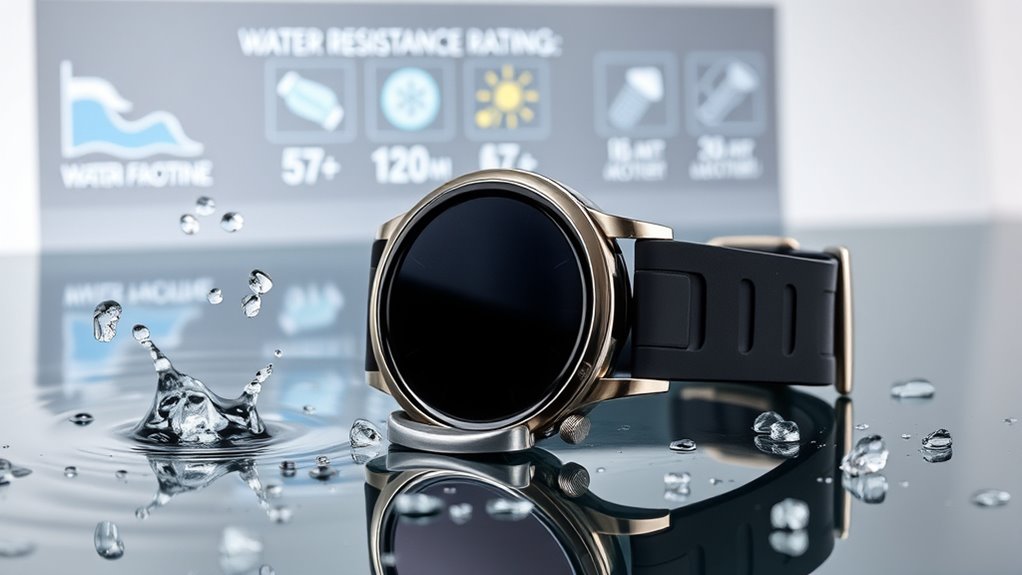
To keep your water-resistant smartwatch in top shape, you should regularly check the seals for any signs of damage. Avoid exposing it to chemicals or salts, which can weaken its protection. Make sure to dry it properly after water exposure to prevent moisture buildup and maintain its integrity. Additionally, understanding water resistance ratings can help you use your device appropriately and avoid accidental damage. Regularly testing your device’s security features can also ensure it maintains its protective capabilities over time.
Regularly Inspect Seals
Regularly inspecting the seals on your smartwatch is essential to guarantee it remains water-resistant. Check for any signs of wear, cracks, or debris around the seals, as compromised seal integrity can lead to water ingress. Clean the seals gently with a soft cloth and ensure they sit properly in their grooves. Maintaining good seal integrity helps prevent corrosion caused by moisture getting into the device, which can damage internal components over time. If you notice any damage or deterioration, have your smartwatch evaluated and repaired promptly. Consistent inspection and proper cleaning are simple steps that considerably extend your wearable’s water resistance, ensuring it stays protected during daily activities and aquatic adventures. Additionally, understanding the principles of Free Floating design can help you better appreciate how certain features contribute to water resistance and overall durability.
Avoid Chemicals & Salts
Chemicals and salts can quickly degrade the water-resistant seals on your smartwatch, so it’s important to keep them at bay. Exposure to chemical substances like lotions, perfumes, or cleaning agents can cause corrosion and weaken the device’s protective barriers. Saltwater effects are also damaging; salt accelerates corrosion and can seep into internal components, even if your watch is rated for water resistance. Always rinse your smartwatch with fresh water after exposure to saltwater to minimize damage. Avoid wearing it during activities involving chemicals or saltwater to preserve its water-resistant features. Regularly cleaning your device with fresh water and gentle wiping can help maintain its integrity. By preventing chemical exposure and saltwater effects, you extend your smartwatch’s lifespan and ensure it continues to perform reliably.
Proper Drying Techniques
Proper drying techniques are essential for maintaining your smartwatch’s water resistance after exposure to moisture. First, gently wipe your device’s cleaning screens with a soft, lint-free cloth to remove any water droplets. Avoid using heat sources like a hairdryer, which can damage internal components. Instead, let your watch air dry naturally in a well-ventilated area. If your smartwatch has a removable battery, ensure it is thoroughly dried before reinsertion to prevent corrosion; if not, focus on drying the device completely. Pay special attention to drying around buttons and ports. Do not shake or blow into your smartwatch, as this can push moisture further inside. Properly drying your wearable helps preserve its water resistance and prolongs its lifespan. Additionally, understanding the device’s water resistance ratings can guide you on safe exposure limits and drying procedures. Being aware of how water resistance works helps you make informed decisions about exposure and maintenance.
Frequently Asked Questions
Can I Wear My Smartwatch in Saltwater Environments?
You shouldn’t wear your smartwatch in saltwater environments, as saltwater can cause damage. Saltwater damage may lead to corrosion and compromise your device’s water resistance. After exposure, make sure to clean saltwater from your smartwatch promptly with fresh water and dry it thoroughly. Regular cleaning saltwater helps prevent long-term damage and keeps your smartwatch functioning properly. Always check your device’s water resistance rating before taking it into saltwater.
How Does Water Resistance Affect Battery Life?
Water resistance acts like a guardian for your smartwatch, but it can impact battery life. When exposed to water, your device may experience increased battery drain due to additional power used in water resistance features and pressure sensors. Proper power management helps mitigate this, but frequent water exposure can still shorten battery longevity. To keep your watch running smoothly, balance water activities with efficient use and regular charging.
Are There Specific Cleaning Routines for Water-Resistant Smartwatches?
Yes, there are specific cleaning routines for water-resistant smartwatches. You should follow proper maintenance routines by regularly wiping the device with a soft, damp cloth to remove dirt and sweat. Avoid harsh chemicals, and if needed, rinse the watch with fresh water after exposure to salt or chlorinated water. This helps maintain water resistance and guarantees your smartwatch stays in good condition for longer.
What Happens if My Smartwatch Is Submerged Beyond Its Rating?
If your smartwatch gets submerged beyond its rated depth or duration, water damage is likely, which can cause malfunctions or permanent harm. This kind of damage usually isn’t covered under warranty coverage, so you might have to pay for repairs or replacement. To avoid costly issues, always adhere to your device’s water resistance limits and avoid risking water damage by exceeding those ratings.
Do Water Resistance Ratings Change Over Time With Wear?
Water resistance ratings can decrease over time with wear, affecting your smartwatch’s longevity. Daily use exposes seals and gaskets to wear, which can compromise water resistance. You should regularly check for signs of wear or damage, and avoid exposing your device to water beyond its rated level. Proper maintenance helps preserve wear resistance, ensuring your smartwatch maintains its rating longevity and continues to protect against water intrusion effectively.
Conclusion
Knowing your smartwatch’s water resistance rating helps you understand its limits, guarantees you enjoy its features safely, and extends its lifespan. By respecting these standards, testing guidelines, and maintenance tips, you protect your device, preserve its functionality, and enjoy its benefits. Embrace careful use, stay informed, and prioritize proper care. Because when you understand water resistance, you safeguard your smartwatch, enhance your experience, and enjoy peace of mind in every wet situation.
Evergreen bestsellers Picks
bestsellers
As an affiliate, we earn on qualifying purchases.