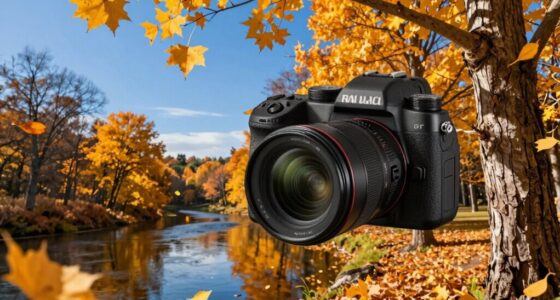

Fast prime lenses still matter in 2026 because they deliver exceptional sharpness and image quality that zooms often can’t match. Their wide apertures gather more light, making low-light shooting easier and improving autofocus speed, even in tricky conditions. This means you can capture clear, vibrant images quickly, no matter the environment. Their simple but precise optical design works perfectly with modern sensors. Want to discover more about why they’re essential tools today? Keep exploring.

Get the latest gadgets delivered free with Prime
- Fast, free delivery on millions of items
- Prime Video, Amazon Music and more included
- Member-only deals all year
Key Takeaways
- They deliver superior image sharpness and beautiful background bokeh, enhancing overall photo quality.
- Wide apertures improve low-light performance, enabling clearer shots without extra equipment.
- Advanced autofocus technology ensures quick, accurate focus for fast-moving or fleeting subjects.
- Designed for specific sensor sizes, maintaining high image fidelity across different camera systems.
- Their proven optical quality and reliability remain vital despite emerging zoom lenses and digital innovations.
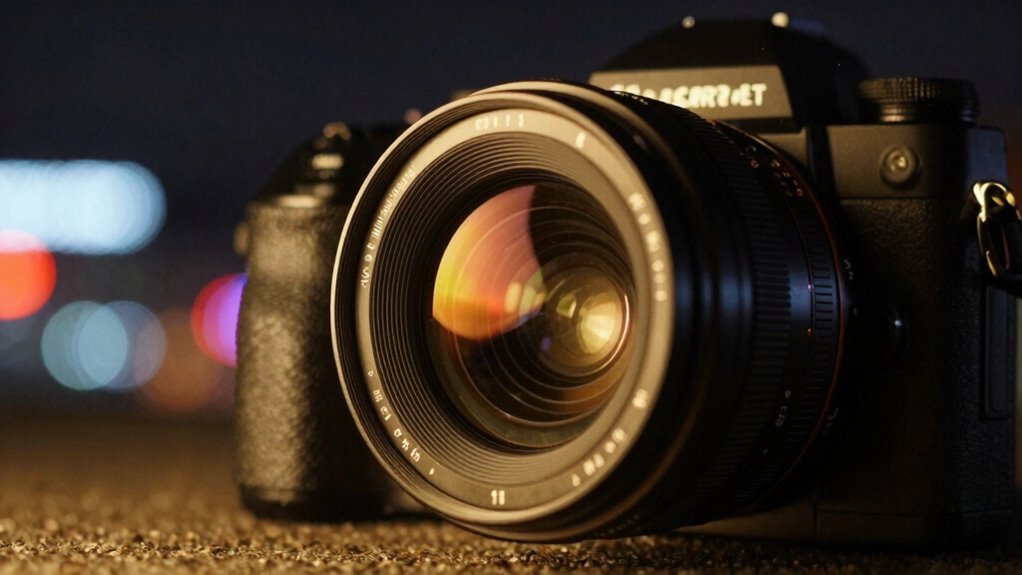
Even in 2026, fast prime lenses remain indispensable tools for photographers who want to capture sharp images in challenging conditions. Their ability to perform well in low light and produce beautiful, creamy backgrounds keeps them relevant despite the rise of zoom lenses and advanced digital technology. When you pick a fast prime lens, you’re choosing a tool that delivers exceptional image quality, often surpassing zooms in sharpness and clarity. But beyond that, you need to contemplate sensor compatibility and autofocus speed to make the most of your gear. Fast primes are designed to work seamlessly with a wide range of camera sensors, whether you’re using a full-frame, APS-C, or even mirrorless system. This compatibility ensures you don’t have to worry about vignetting, cropping, or image degradation. Their optical design is optimized for your specific sensor size, so you get crisp, vibrant images every time. If your camera has a high-resolution sensor, a fast prime lens can really shine, capturing intricate details without sacrificing sharpness or contrast. Additionally, advancements in lens technology have enhanced autofocus speed, making these lenses even more effective in capturing fleeting moments. Modern autofocus motors, such as stepping motors or linear motors, allow these lenses to focus quickly and accurately, even in dynamic situations like street photography, sports, or wildlife. When you’re shooting in unpredictable environments, you need that rapid autofocus response to lock onto your subject without delay. Fast primes typically feature wider maximum apertures, which means more light hits the sensor, further aiding autofocus performance in low-light scenarios. This combination of wide aperture and advanced autofocus technology ensures you don’t miss fleeting moments or struggle with focus hunting. As camera systems continue to evolve with faster processors and more sophisticated autofocus algorithms, the synergy with fast prime lenses becomes even more apparent. You can expect quicker focus acquisition, smoother tracking, and better performance overall.
In essence, fast prime lenses remain irreplaceable because they offer unmatched optical quality, excellent sensor compatibility, and rapid autofocus speeds. These features enable you to excel in diverse shooting situations—whether in dimly lit interiors, low-light street scenes, or fast-moving sports. Their simplicity and precision mean you can rely on them to deliver consistently sharp, stunning images. Even as technology advances, the core advantages of fast primes—sharpness, light-gathering ability, and quick focus—continue to make them crucial tools in your photography kit in 2026.
fast prime lens for full-frame cameras
As an affiliate, we earn on qualifying purchases.
As an affiliate, we earn on qualifying purchases.
Frequently Asked Questions
How Do Fast Prime Lenses Compare to Zoom Lenses in Low Light?
Fast prime lenses excel in low light because their wide apertures offer superior aperture versatility and let in more light. This results in brighter images and less noise compared to zoom lenses, which often have smaller maximum apertures. Additionally, fast primes typically provide better optical quality, with sharper details and less distortion. So, in low light, you’ll notice faster, clearer shots with prime lenses, especially in challenging lighting conditions.
Are Fast Prime Lenses Suitable for Video Recording?
Fast prime lenses are perfect for video recording because they deliver stunning aesthetic quality and exceptional low-light performance. You can manually focus with precision, creating cinematic shots that captivate viewers. Their wide apertures give you beautiful background blur and sharp detail, elevating your videos to professional levels. If you want to make your footage stand out, fast primes are your go-to choice—they make every frame look like a masterpiece.
What Are the Cost Differences Between Fast Primes and Other Lenses?
Fast prime lenses tend to be more expensive than standard zoom lenses due to their superior optical quality and wider apertures, which allow more light. The cost comparison shows they often cost considerably more upfront, but their affordability factors include their durability and exceptional image quality. If you prioritize sharpness and low-light performance, investing in fast primes can be worthwhile, but consider your budget and specific photography needs first.
Can Fast Prime Lenses Be Used Effectively for Wildlife Photography?
You might think fast prime lenses are too limited for wildlife photography, but they actually excel at capturing elusive wildlife behavior with exceptional lens sharpness. Their bright apertures let you shoot in low light, freezing moments that might otherwise slip away. While they demand precision, their ability to isolate subjects from backgrounds makes them invaluable for wildlife shots, turning fleeting behaviors into stunning, sharp images.
How Durable Are Fast Prime Lenses in Harsh Environmental Conditions?
Fast prime lenses are quite durable in harsh environments if they feature high-quality lens material and weather sealing. You’ll find that robust lens bodies, made from metal or reinforced composites, withstand tough conditions better. Weather sealing helps prevent dust, moisture, and temperature fluctuations from damaging the internals. With proper care, your fast prime lens can endure challenging outdoor shoots, ensuring reliable performance when you need it most.
low light prime lens for mirrorless
As an affiliate, we earn on qualifying purchases.
As an affiliate, we earn on qualifying purchases.
Conclusion
In 2026, fast prime lenses remain essential for vivid, versatile visuals. Their ability to beautifully blur backgrounds, capture crisp details, and conquer challenging conditions keeps your creativity current. Don’t dismiss the power of prime precision—these lenses deliver dynamic depth and dazzling clarity with daringly minimal fuss. Embrace their enduring excellence, and your photography will flourish with finesse, forging fantastic images that truly stand out. Fast primes prove that some tools never go out of style.
autofocus prime lens for sports photography
As an affiliate, we earn on qualifying purchases.
As an affiliate, we earn on qualifying purchases.
best prime lens for low light conditions
As an affiliate, we earn on qualifying purchases.
As an affiliate, we earn on qualifying purchases.
Fall Picks
fall essentials
As an affiliate, we earn on qualifying purchases.