
📊 Full opportunity report: 15 Best Graphics Cards for Gaming, AI, and Creative Work in 2026 on ThorstenMeyerAI.com — validation score, market gap, and execution plan.

Get the latest gadgets delivered free with Prime
- Fast, free delivery on millions of items
- Prime Video, Amazon Music and more included
- Member-only deals all year
TL;DR
In 2026, the GIGABYTE Radeon RX 9070 XT Gaming OC 16G is the top overall choice for gaming and creative work, balancing performance and value. Premium options like the RTX 5090 cater to extreme power needs, while the ASUS Dual RTX 5060 Ti 16GB offers a smart budget alternative. This list helps buyers match cards to their specific workloads and setups.
In 2026, the GIGABYTE Radeon RX 9070 XT Gaming OC 16G has been identified as the best overall graphics card for gaming, AI, and creative tasks, offering a balanced mix of performance, VRAM, and affordability, according to industry experts.
The list, compiled by Thorsten Meyer AI, ranks 15 graphics cards based on their suitability for different workloads and user needs. For a detailed overview, see the original analysis. The GIGABYTE Radeon RX 9070 XT Gaming OC 16G emerges as the top pick for its performance-to-price ratio, 16GB VRAM, and broad appeal.
Premium models like the PNY GeForce RTX 5090 OC Triple Fan are highlighted for users demanding maximum power and features, despite their higher cost, larger size, and power consumption. Meanwhile, the ASUS Dual RTX 5060 Ti 16GB is recommended for gamers at 1080p and 1440p, emphasizing value and VRAM longevity.
Professional AI-focused cards, such as the Radeon AI PRO R9700 series, excel in memory-heavy workloads but are less suited for mainstream gaming. External GPU options and compact models are also included, with tradeoffs in thermal performance and upgrade ease.
The 15 picks
- 1
 ASRock Radeon AI PRO R9700 32GB GDDR6 Professional Graphics CardView on Amazon →
 - 2
 GIGABYTE AORUS RTX 5060 Ti AI Box Graphics Card with Thunderbolt 5View on Amazon →
 - 3
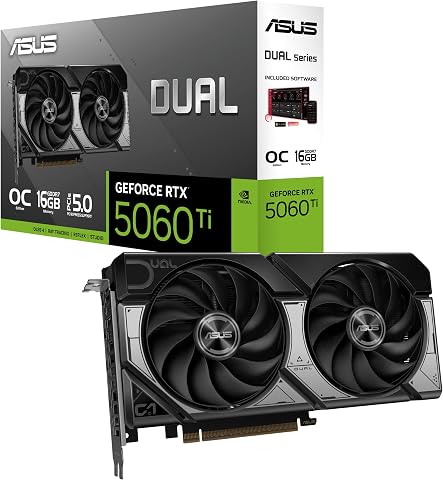 ASUS Dual NVIDIA GeForce RTX 5060 Ti 16GB GDDR7 OC Edition Graphics CardView on Amazon →
 - 4
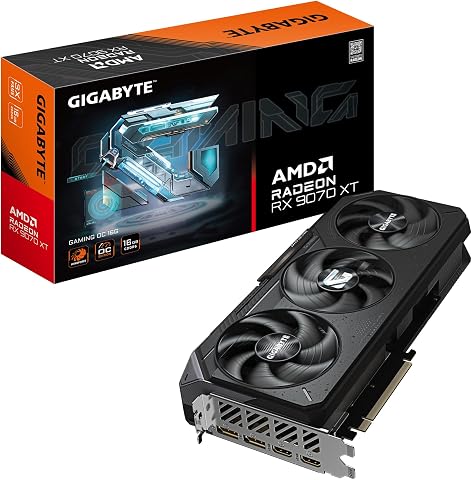 GIGABYTE Radeon RX 9070 XT Gaming OC 16G Graphics CardView on Amazon →
 - 5
 ASUS Dual NVIDIA GeForce RTX 5060 8GB GDDR7 OC Edition (PCIe 5.0, Axial-tech…View on Amazon →
 - 6
 ASUS Turbo AMD Radeon AI Pro R9700 Graphics Card with RDNA 4 Architecture and…View on Amazon →
 - 7
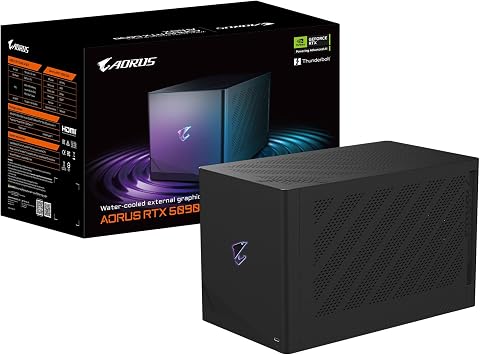 GIGABYTE AORUS RTX 5090 AI Box External GPUView on Amazon →
 - 8
 ASRock Intel Arc Pro B60 24GB Graphics Card with Xe2-HPG Architecture and Blo…View on Amazon →
 - 9
 GIGABYTE Radeon AI PRO R9700 AI TOP 32G Graphics CardView on Amazon →
 - 10
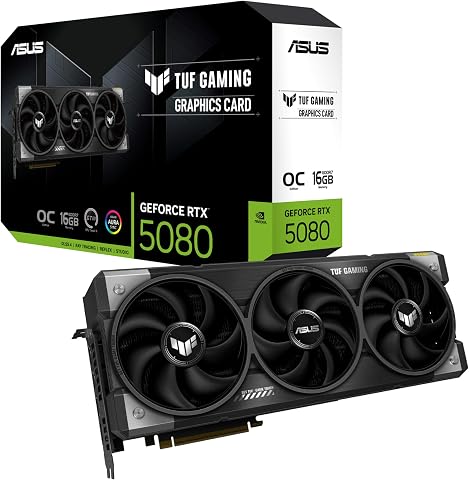 ASUS TUF Gaming GeForce RTX 5080 16GB GDDR7 OC Edition Graphics CardView on Amazon →
 - 11
 XFX AMD Radeon AI Pro R9700 32GB GDDR6 Graphics CardView on Amazon →
 - 12
 PNY NVIDIA RTX PRO 2000 Blackwell Graphics Card with 16GB GDDR7 MemoryView on Amazon →
 - 13
 ASUS Prime RTX 5070 SFF-Ready Graphics Card with NVIDIA GeForce RTX 5070, 12G…View on Amazon →
 - 14
 GIGABYTE GeForce RTX 5070 WINDFORCE OC SFF 12G Graphics CardView on Amazon →
 - 15
 PNY NVIDIA GeForce RTX 5090 OC Triple Fan Graphics Card (32GB GDDR7, DLSS 4)View on Amazon →
Why This Graphics Card Guide Matters in 2026
This ranking helps consumers navigate a crowded market with diverse needs, from high-end gaming to AI development. Learn more about the latest GPU options in our comprehensive guide. Choosing the right GPU impacts system longevity, software compatibility, and overall performance, making informed decisions essential as workloads become more demanding.
As hardware costs and power demands increase, understanding the tradeoffs between VRAM, size, and price ensures buyers get the best value for their specific applications, preventing overspending on unnecessary features or underperforming setups.
2026 GPU Market Trends and Developments
The GPU landscape in 2026 is characterized by a broad spectrum of options, from mainstream cards suited for 1080p gaming to high-end models targeting 4K and professional AI workloads. For more insights, see the full analysis. Major manufacturers like AMD and NVIDIA continue to push performance boundaries, with new architectures and larger VRAM capacities becoming standard.
Last year’s trends showed a focus on energy efficiency and compact designs, which persist this year with smaller form-factor options and external GPU solutions gaining popularity. The ongoing demand for AI and creative work also drives the development of specialized professional cards, such as the Radeon AI PRO series.
“Our RX 9070 XT Gaming OC 16G is designed to meet the needs of gamers and creators looking for high performance without flagship prices.”
— GIGABYTE spokesperson
Remaining Questions About 2026 GPU Choices
While rankings are based on current performance and market trends, actual availability, pricing fluctuations, and future driver updates could alter the landscape. Specifics about long-term durability and software support for some professional cards remain to be fully tested.
Additionally, the impact of upcoming architectural releases or new entrants in the market could shift the rankings or introduce new top contenders.
Upcoming Developments and Next Steps for Buyers
Manufacturers are expected to release new models or updates later in 2026, potentially shifting the performance and price landscape. Buyers should monitor official announcements and reviews before making final decisions.
For consumers, the next step is to match their workload needs with the recommended cards, considering factors like resolution, VRAM requirements, and case compatibility. Upgrading or building new systems should also factor in upcoming hardware releases.
Key Questions
What is the best graphics card for 1080p gaming in 2026?
The ASUS Dual RTX 5060 Ti 16GB is recommended for 1080p gaming due to its balance of VRAM, performance, and price.
Are professional AI cards suitable for gaming?
While professional AI cards like the Radeon AI PRO series excel in memory-heavy tasks, they are generally less optimized for gaming and may lack features like ray tracing or gaming driver support.
Should I buy a high-end GPU if I only play at 1440p?
High-end GPUs like the RTX 5090 may be overkill for 1440p gaming, where balanced options like the Radeon RX 9070 XT offer better value and performance for most users.
How important is VRAM in choosing a GPU?
VRAM determines how well a card handles large textures and future-proofing. For most users, 16GB strikes a good balance, but workloads requiring large datasets or professional work may need more.
What should I consider when choosing a GPU for a small form factor build?
Size, cooling design, and power supply compatibility are critical. Compact cards like the ASUS Prime RTX 5070 SFF-Ready are designed for smaller cases, though they may run warmer or louder under load.
Source: ThorstenMeyerAI.com
Fall Picks
fall essentials
As an affiliate, we earn on qualifying purchases.