
TL;DR

Get the latest gadgets delivered free with Prime
- Fast, free delivery on millions of items
- Prime Video, Amazon Music and more included
- Member-only deals all year
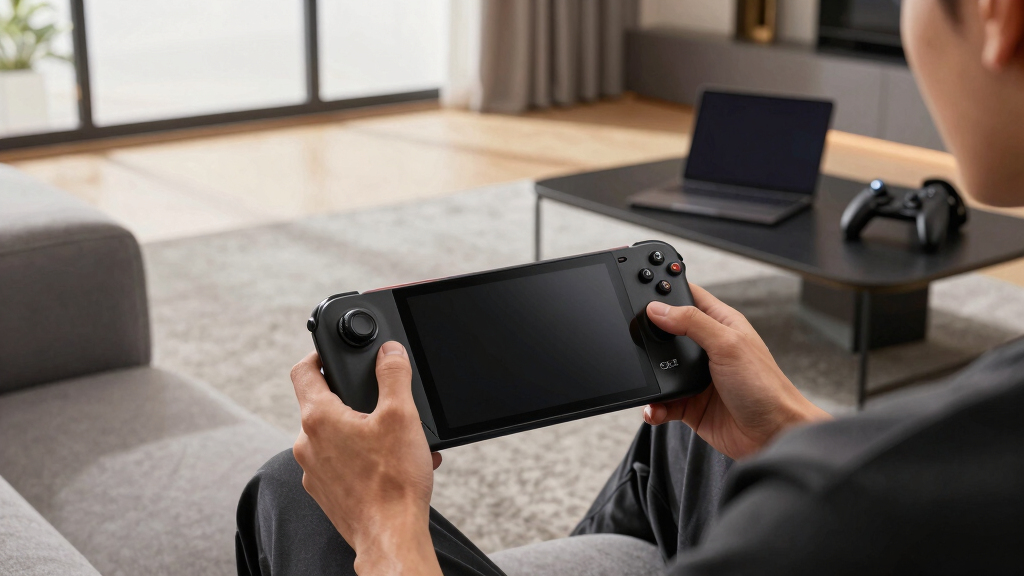
Valve has raised the prices of its Steam Deck handheld gaming PCs by more than $200, citing increased memory and storage costs. Both models are now in stock and available for purchase. The move reflects broader industry supply chain issues affecting gaming hardware prices.
Valve has increased the prices of its Steam Deck handheld gaming PCs by over $200 for both the 512GB and 1TB models, citing rising memory and storage costs. The updated prices are now in effect, and both models are currently available to purchase directly from Steam.
According to Valve, the 512GB Steam Deck OLED now costs $789, up from $549, while the 1TB model is priced at $949, up from $649. Despite the price increase, both models are in stock and available for delivery within three to five business days, as confirmed by Steam’s online store.
Valve stated that the price hike is due to ‘rising memory and storage costs,’ attributing it to global logistical challenges and component shortages affecting the industry as a whole. The company emphasized that no hardware changes have been made to the devices, only pricing adjustments to reflect current market conditions.
In addition to new units, some refurbished Steam Deck models are available at lower prices, with the 512GB OLED at $629 and the 1TB OLED at $759, offering options for consumers concerned about the increased costs.
Why It Matters
This price increase highlights ongoing supply chain issues affecting the gaming hardware industry, impacting consumers and manufacturers alike. Valve’s decision to raise prices amid component shortages underscores the broader economic challenges facing tech companies, especially those producing portable gaming devices.
For consumers, the hike may influence purchasing decisions and could signal further industry-wide price adjustments, as seen with other major players like Sony and Nintendo. The move also raises questions about the future affordability and availability of gaming hardware amid persistent supply constraints.
Products Worth Considering

Samsung 27-inch Odyssey OLED G6 QD-OLED QHD Gaming Monitor

LG 34GX90SA-W 34-inch Ultragear WQHD OLED Curved Gaming Monitor

LG UltraGear 27-Inch QHD OLED Gaming Monitor, 240Hz, 0.03ms, G-SYNC Compatible, FreeSync Premium Pro, HDMI 2.1
As an affiliate, we earn on qualifying purchases.
Background
Valve launched the Steam Deck in 2022 as a portable gaming PC, quickly gaining popularity among gamers. Since then, the company has faced ongoing supply chain disruptions, particularly shortages in memory and storage components, which have delayed and limited production of various devices, including the Steam Deck, Steam Machine, and Steam Frame.
In February, Valve indicated that the Steam Deck would be intermittently out of stock in some regions due to these shortages. The industry-wide impact has extended to other hardware manufacturers, with Lenovo increasing the price of its Legion Go 2 and Sony and Nintendo announcing price hikes for their upcoming consoles, PlayStation and Switch 2.
Valve’s recent price adjustment reflects these broader market trends, with the company emphasizing that the increase is solely due to component costs and logistical challenges, not hardware modifications.
“The new prices reflect the current state of component costs and other global logistical challenges across the industry as a whole.”
— Valve spokesperson
“Valve has significantly increased the price of the Steam Deck — but now, it’s also in stock. The 512GB Steam Deck OLED now costs $789, up from $549, while the 1TB model costs $949, up from $649.”
— Jay Peters, The Verge
What Remains Unclear
It is not yet clear whether Valve plans to implement further price adjustments in the near future or if this increase is a one-time response to current supply chain pressures. The long-term impact on Steam Deck sales and consumer demand remains uncertain.
What’s Next
Valve will likely monitor market conditions and supply chain developments to determine if further price changes are necessary. The company may also update consumers on availability and potential hardware revisions or new models later in 2024.
Key Questions
Why did Valve increase the Steam Deck prices?
Valve cited rising memory and storage costs, along with global logistical challenges, as the reasons for the price increase, with no hardware changes involved.
Are the new Steam Deck models available now?
Yes, both the 512GB and 1TB models are currently in stock and available for purchase on Steam, with estimated delivery within three to five business days.
Will the prices go up again soon?
It is unclear if further price increases will occur; Valve has not announced any future adjustments but indicated that current prices reflect current component costs.
How does this price increase compare to other gaming hardware?
Similar industry-wide price hikes have been seen in recent months, with Lenovo, Sony, and Nintendo also raising prices for their gaming devices due to supply chain issues.
Source: Hacker News