
Before you strap into a VR headset, understand the types available: tethered for high-quality graphics, standalone for convenience, and mobile for affordability. Pay attention to key features like display resolution, controllers, and comfort, since these influence immersion and ease of use. Make certain your system is compatible and well set up—adjust straps, clear space, and start slow. If you want to maximize your experience, there’s more to consider to ensure comfort and fun throughout your VR adventures.
Key Takeaways
- Choose the right headset type (tethered, standalone, or mobile) based on your budget, space, and desired quality.
- Check system compatibility, including hardware specs and software requirements, to ensure smooth operation.
- Prioritize comfort features like ergonomic design, adjustable straps, and ventilation for extended use.
- Focus on display resolution, refresh rate, and motion controllers for immersive and responsive gameplay.
- Prepare a safe, obstacle-free play area and start with short sessions to prevent motion sickness and fatigue.
Top picks for "headset everyth need"
Open Amazon search results for this keyword.
As an affiliate, we earn on qualifying purchases.
Types of VR Headsets
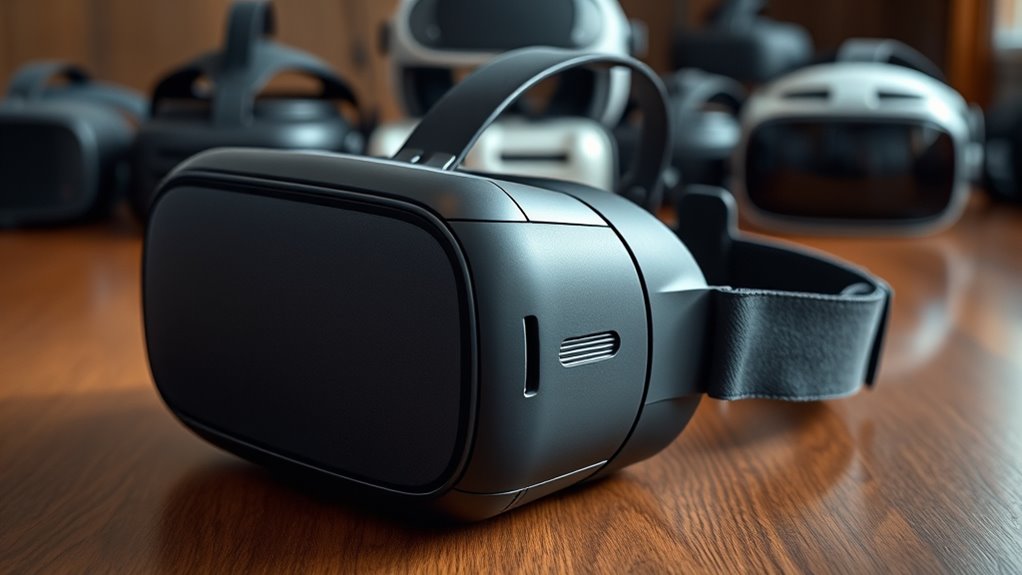
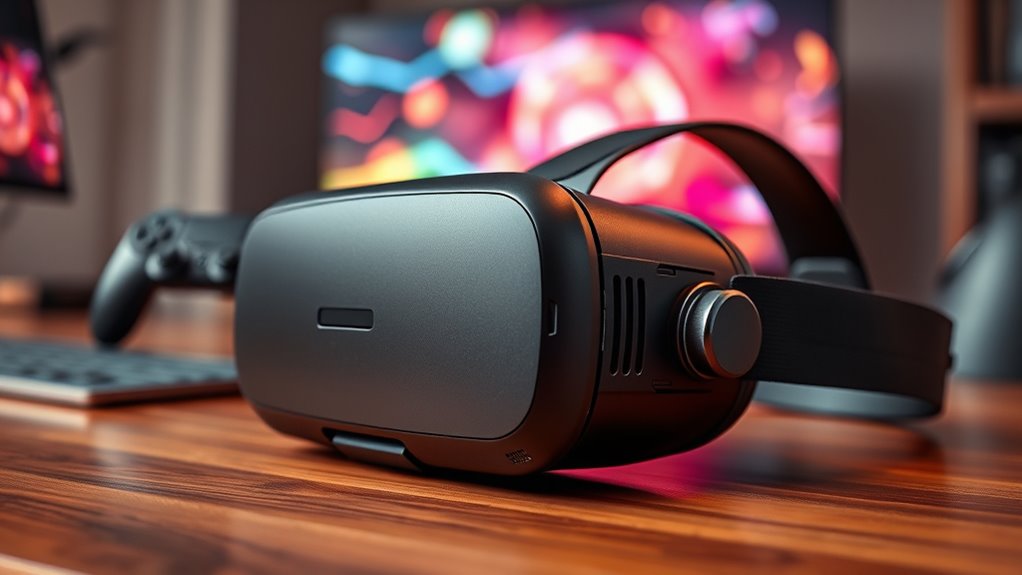
When exploring VR headsets, you’ll find three main types: tethered, standalone, and mobile. Tethered headsets connect to a PC or console, offering high-quality graphics but often at a higher price and with potential motion sickness issues if the experience causes discomfort. Standalone headsets are self-contained devices, providing portability and ease of use without needing external hardware. They tend to be more affordable and reduce motion sickness risks by offering optimized tracking and comfort. Mobile headsets use your smartphone, making them the most budget-friendly option, but they usually have lower resolution and can cause motion sickness if the device’s performance isn’t smooth. Comparing prices across these types helps you identify the best fit for your budget and comfort preferences. Additionally, the contrast ratio of a VR headset’s display can significantly influence the perceived image quality and immersion level. The display technology used also impacts clarity and depth, further enhancing the virtual experience. Furthermore, understanding the ergonomics of a headset can greatly improve comfort during extended use, reducing fatigue and discomfort.
Key Features to Consider
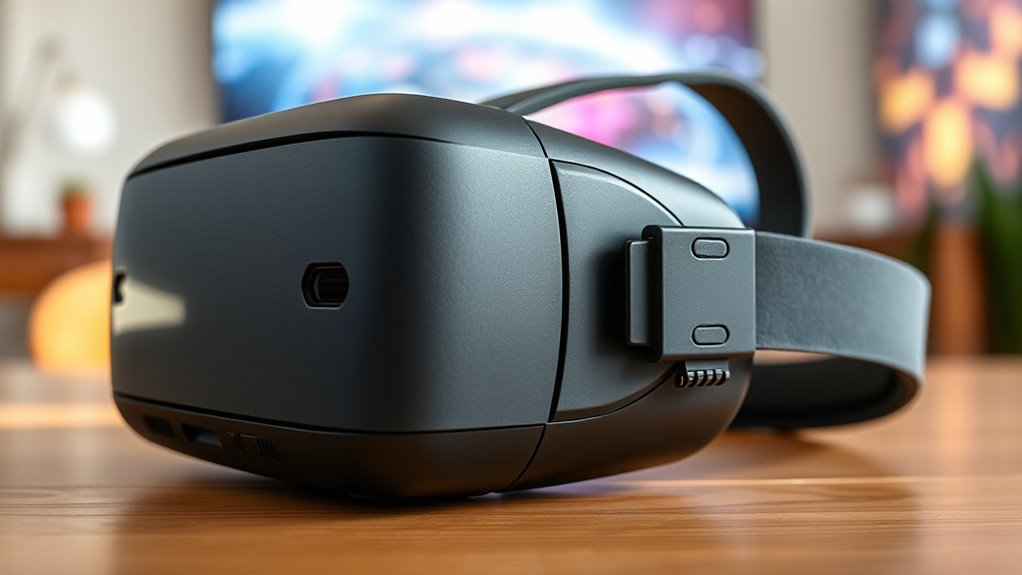
Choosing the right VR headset depends on several key features that directly impact your overall experience. First, consider the display resolution; higher resolutions provide sharper visuals that immerse you fully. Second, look at the motion controllers—responsive, intuitive controls make interactions feel natural and enhance gameplay. Third, check the refresh rate; a higher rate reduces motion sickness and makes fast movements smoother. These features work together to create a seamless, enthralling experience. A headset with crisp visuals, precise controllers, and fluid motion will keep you engaged longer. Don’t settle for less when your immersion depends on these vital elements. Your comfort and enjoyment hinge on choosing a device that excels in these key features, making every moment in VR feel real and exhilarating. Additionally, paying attention to ergonomics and comfort ensures extended use without discomfort, allowing you to fully enjoy your virtual adventures. Moreover, considering ventilation and airflow can help prevent overheating during extended sessions, enhancing your overall experience.
Compatibility and System Requirements
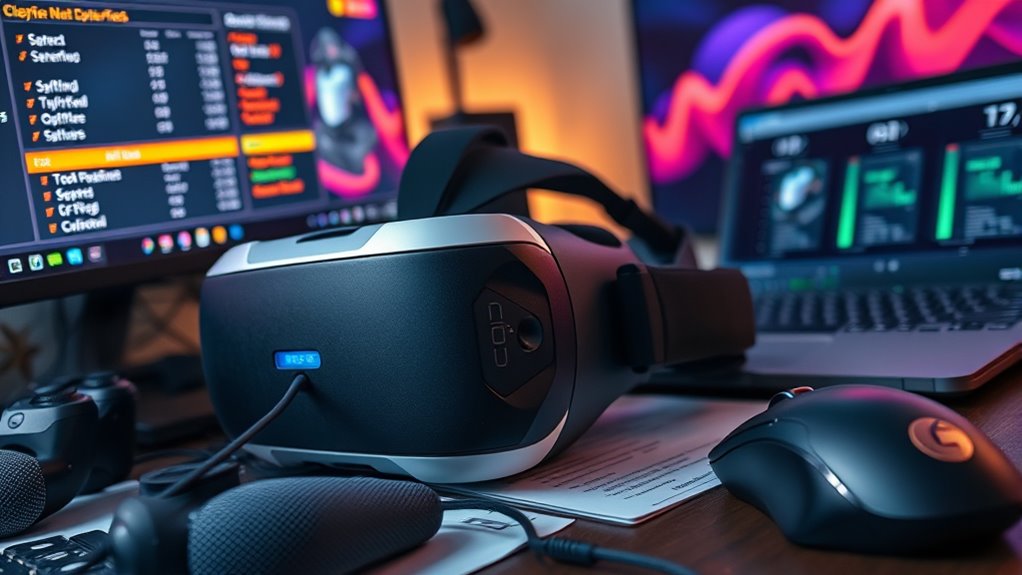
Ensuring your VR headset is compatible with your existing system is essential for a smooth and hassle-free experience. You need to check hardware compatibility, including your PC’s graphics card, processor, RAM, and ports, to meet the headset’s minimum requirements. Some headsets also work with specific consoles or standalone systems, so verify compatibility there. Additionally, review the software requirements, like the necessary operating system versions and any specific drivers or platforms needed for VR functionality. Incompatibility in hardware or software can cause performance issues or prevent the headset from working altogether. Before purchasing, double-check that your system aligns with the headset’s specifications to avoid surprises and guarantee seamless use. Proper compatibility guarantees an excellent and enjoyable virtual reality experience.
Setting Up Your VR Experience
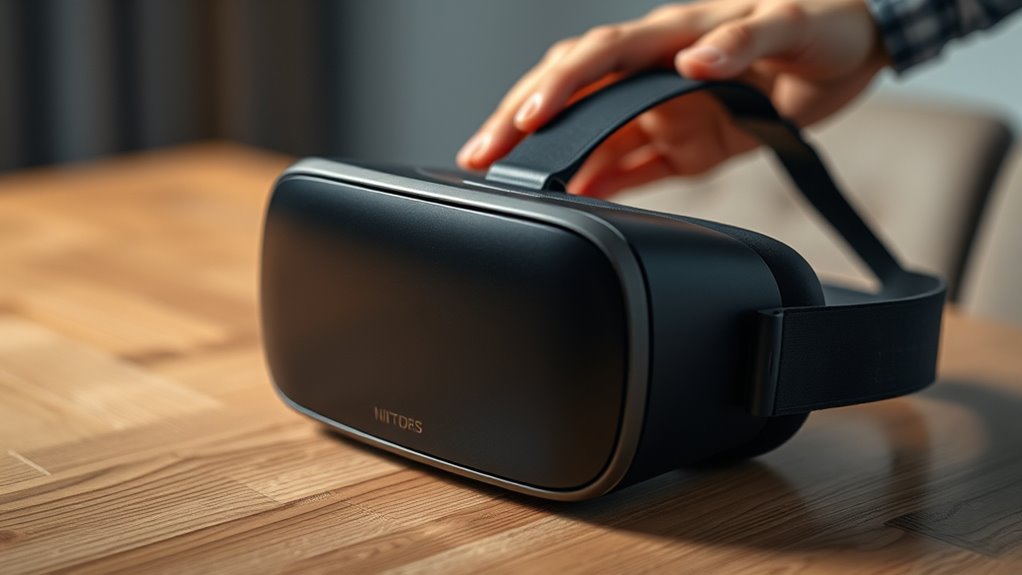
Once you’ve confirmed your VR headset is compatible with your system, it’s time to set up your virtual reality experience. First, prioritize comfort considerations: adjust straps and fit to avoid strain and ensure immersion without discomfort. Second, create a safe play area free of obstacles to prevent accidents. Third, gradually acclimate yourself to VR to reduce motion sickness—start with short sessions, taking breaks often. Additionally, understanding ergonomic design principles can help optimize comfort and reduce fatigue during extended use. Incorporating adjustability features into your setup can further enhance comfort, allowing you to personalize fit and positioning. Paying attention to vacuum features such as weight and maneuverability can also improve your overall experience by making device handling easier. Moreover, considering ergonomic principles when choosing accessories can further enhance your comfort and prevent strain during long sessions. Being mindful of weight distribution can significantly influence how comfortable and balanced your VR experience feels. These steps help you enjoy VR fully, minimizing discomfort and maximizing immersion. Remember, a comfortable setup keeps you engaged longer and avoids frustration. Proper adjustment and awareness of your environment are key to a smooth, enjoyable experience, making every session exciting and worry-free.
Tips for Getting the Most Out of VR
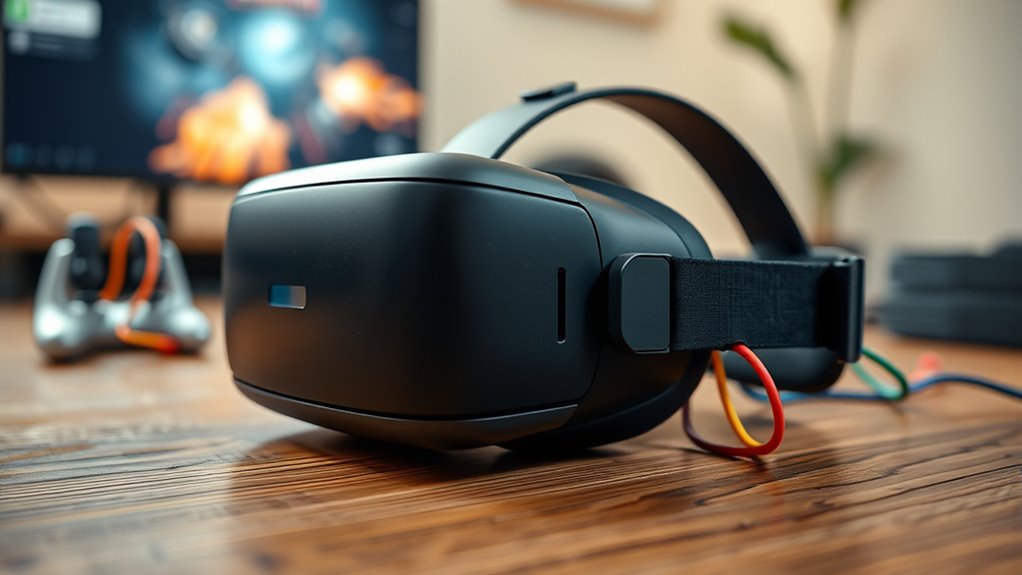
To get the most out of your VR experience, focus on exploring a variety of games and applications that match your interests and skill level. Start slow and take breaks to prevent motion sickness, which can occur if you push yourself too hard or move too quickly. Comfort tips are key—adjust the headset properly, ensuring it fits snugly but not too tight, and consider using additional padding if needed. Maintain good posture and take frequent pauses to avoid fatigue. Keep your play area clear to prevent accidents, and stay hydrated. Listening to your body helps you recognize signs of discomfort early. Additionally, incorporating connected fitness practices can help you integrate VR into your overall wellness routine, making your sessions more effective and engaging. Furthermore, sleep hygiene practices can help improve your overall rest and recovery, making your VR sessions more enjoyable and sustainable. Being mindful of ergonomic setup can also reduce strain and enhance comfort during extended use. Remember to properly ventilate your play space to maintain a comfortable environment during long sessions. Paying attention to proper lighting can reduce eye strain and improve your overall VR experience.
Frequently Asked Questions
How Long Can I Wear a VR Headset Comfortably?
You can typically wear a VR headset comfortably for about 30 to 60 minutes, but it’s important to address ergonomics concerns and take health precautions. If you start feeling headaches, eye strain, or discomfort, take a break and adjust the fit. Regular breaks help prevent fatigue and reduce strain on your eyes and neck. Listening to your body and maintaining proper ergonomics guarantees a safer, more enjoyable VR experience.
Are VR Headsets Safe for Children?
VR headsets can be safe for children if you prioritize child safety and set up parental controls. Always monitor their usage, limit screen time, and guarantee the headset fits properly to prevent discomfort. Use parental controls to restrict access to certain apps or content, and encourage breaks to avoid eye strain or dizziness. With careful supervision, VR can be an enjoyable and safe experience for kids.
How Do I Troubleshoot Common VR Tracking Issues?
Think of your VR tracking like a dance—if one partner stumbles, the whole routine falters. To fix common issues, first check sensor calibration: make certain sensors are positioned correctly and free of obstructions. Then, verify connection stability by restarting your headset and router. Keep cables secure and update firmware. These steps will help your VR system glide smoothly, restoring harmony to your immersive experience.
Can I Use a VR Headset Outdoors?
You can use a VR headset outdoors, but be cautious with weather protection and environmental factors. Make certain your play area is clear of obstacles and avoid direct sunlight, which can damage the headset sensors and screens. Use a VR outdoor setup designed for outdoor use, and consider protective covers or enclosures to shield it from weather elements like rain or dust. Proper planning helps you enjoy immersive VR experiences outside safely.
What Are the Best Accessories to Enhance VR Gameplay?
Imagine turning your VR experience into a symphony of motion—motion controllers and VR gloves are your conductor’s baton. These accessories bring your actions to life, making gameplay more immersive and precise. Motion controllers let you grab, throw, or swipe, while VR gloves add a layer of tactile feedback. Together, they transform virtual worlds into your playground, elevating your experience from mere watching to full-bodied participation.
Conclusion
Now that you know the types, features, compatibility, setup, and tips, you’re ready to explore VR. Embrace the immersive worlds, explore new adventures, and enjoy the thrill of virtual reality. With preparation, patience, and curiosity, you’ll maximize your experience and open up endless possibilities. So gear up, get comfortable, and step into the future—where entertainment, learning, and discovery await at every turn. Your virtual journey begins now; make it unforgettable.