📊 Full opportunity report: How To Use Strength Tests To Support Remote Employees' Health on IdeaNavigator AI — validation score, market gap, and execution plan.

Get the latest gadgets delivered free with Prime
- Fast, free delivery on millions of items
- Prime Video, Amazon Music and more included
- Member-only deals all year
TL;DR
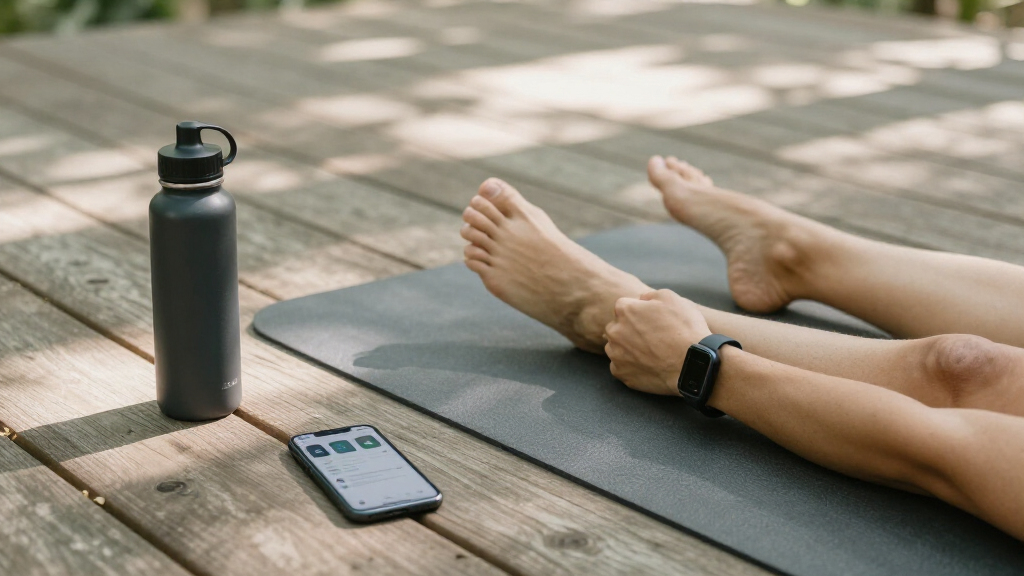
Employers are adopting remote strength and mobility tests using smartphone cameras to identify early musculoskeletal risks. This approach aims to prevent costly health issues in distributed workforces. Pilot programs are underway to validate effectiveness and engagement.
Remote work strength assessments using smartphone cameras are emerging as a tool for early detection of musculoskeletal risks among distributed employees. This development is driven by the rise in sedentary behavior and musculoskeletal issues in remote and hybrid workforces, prompting employers and benefits providers to explore preventive solutions. The approach leverages advances in pose estimation technology to enable employees to perform quick, guided tests at home, providing actionable data to support health interventions.
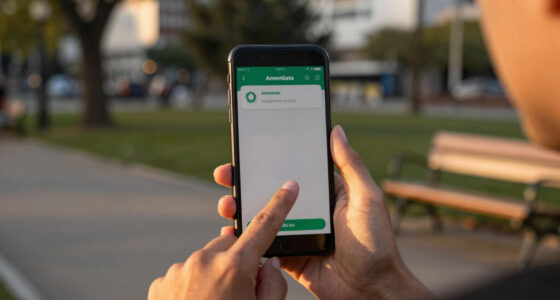
According to recent industry insights, HR and benefits leaders at mid-to-large employers, especially those with self-insured plans, are considering implementing at-home strength, mobility, and posture assessments for remote staff. These tests involve simple exercises such as sit-to-stand repetitions, shoulder and hip range-of-motion evaluations, and static posture photos captured via smartphone cameras. The assessments are designed to be completed in about 10 minutes, with the goal of producing a personalized musculoskeletal (MSK) risk score.
These assessments use pose estimation algorithms to analyze movement quality and posture, generating scores that can identify early signs of MSK decline before pain or injury occur. The data can be integrated into employer dashboards, showing team-level risk trends and engagement metrics, while flagged employees can be referred to clinical MSK or physical therapy providers for further evaluation. The pilot programs aim to validate the scoring accuracy, employee participation rates, and the correlation with established clinical questionnaires, such as the Nordic Musculoskeletal Questionnaire.
Industry experts note that this initiative is timely, as MSK issues are already a leading cause of workplace medical claims and lost productivity. The shift to remote work has removed incidental movement from daily routines, increasing sedentary behavior and associated health risks. By adopting early screening tools, employers hope to reduce long-term costs and improve employee well-being, with initial pilots targeting deployment over the next 3 to 6 months.
Potential Impact on Employee Health and Employer Costs
This approach could significantly shift how employers address musculoskeletal health in remote workforces. Early detection of MSK risks allows for targeted interventions, such as personalized exercise routines and ergonomic adjustments, potentially reducing the incidence of pain, injuries, and related medical claims. For employers, this means lower healthcare costs, fewer lost workdays, and improved employee productivity. Additionally, it aligns with broader trends toward preventive health and digital health monitoring, offering a scalable, privacy-conscious solution for distributed teams.
However, the success of these assessments depends on employee engagement, the accuracy of the pose estimation technology, and the integration of data into effective clinical pathways. If validated, this could become a standard component of remote work wellness programs, especially as remote and hybrid arrangements become permanent features of the modern workplace.
As an affiliate, we earn on qualifying purchases.
Rise of Remote Work and Musculoskeletal Risks
The shift to remote and hybrid work models has been accelerated by recent global events, with many organizations adopting permanent flexible arrangements. This transition has inadvertently increased sedentary behavior among employees, leading to a surge in musculoskeletal complaints related to neck, back, and posture issues. Traditionally, workplace ergonomics and incidental movement during commutes helped mitigate these risks, but remote work has eliminated many of these protective factors.
Current strategies for MSK prevention are often reactive, addressing pain after it develops. Industry experts highlight that early screening and preventive interventions could dramatically improve outcomes. Advances in smartphone camera-based pose estimation—initially used in fitness apps and gaming—are now reaching maturity for health assessment purposes, enabling scalable, at-home screening tools.
Several benefits brokers and health benefits providers are exploring pilot programs to test these assessments’ validity and engagement levels. The goal is to establish a new, proactive approach to MSK health management in remote workforces, aligning with broader trends toward digital health solutions and value-based care models.
As an affiliate, we earn on qualifying purchases.
Validation and Adoption Challenges for Remote MSK Tests
While pilot programs are underway, it is still unclear how accurately pose estimation algorithms will correlate with clinical assessments, such as those performed by physical therapists. Employee engagement levels and privacy concerns also remain potential barriers. The success of these initiatives depends on validation studies, regulatory considerations, and the willingness of organizations to integrate new health monitoring tools into existing wellness programs.
As an affiliate, we earn on qualifying purchases.
Next Steps for Pilot Deployment and Validation Studies
Within the next 3 to 6 months, pilot programs are expected to launch with select employers, focusing on assessing completion rates, data accuracy, and employee willingness to participate. Validation efforts will compare camera-derived risk scores against validated clinical questionnaires. If results are favorable, broader adoption and integration into corporate wellness programs could follow, alongside potential scaling to larger organizations and additional health metrics.
As an affiliate, we earn on qualifying purchases.
Key Questions
How do remote strength tests work using a phone camera?
Employees perform guided exercises like sit-to-stand, range-of-motion tests, or static posture photos, which are analyzed by pose estimation algorithms to assess movement quality and posture. The process typically takes around 10 minutes and provides a personalized MSK risk score.
What are the benefits of early MSK risk detection for remote workers?
Early detection allows for targeted interventions such as customized exercises or ergonomic adjustments, potentially preventing pain, injuries, and costly medical claims. It also promotes healthier movement habits and overall well-being.
Are there privacy concerns with at-home assessments?
Yes, privacy is a key consideration. Reputable programs aim to use secure, privacy-safe data handling practices, with aggregate risk trends shared without identifying individual employees. Clear communication about data use is essential for participation.
When will these remote assessment programs be widely available?
Most pilot programs are expected to launch within the next 3 to 6 months. Broader adoption will depend on validation results and organizational willingness to integrate these tools into existing wellness initiatives.
Can these assessments replace in-person physical therapy?
No, they are intended as screening tools to identify early risks. Employees flagged by the system should be referred to clinical providers for comprehensive evaluation and treatment.
Source: IdeaNavigator AI
Fall Picks
fall essentials
As an affiliate, we earn on qualifying purchases.